Myanmar
The Quiet Execution of Data Center Infrastructure
In Southeast Asia, the race to build the digital economy's backbone is not just about announcing new projects, but about the institutional capacity to execute them. On-time delivery of critical infrastructure signals a deeper competitive advantage.

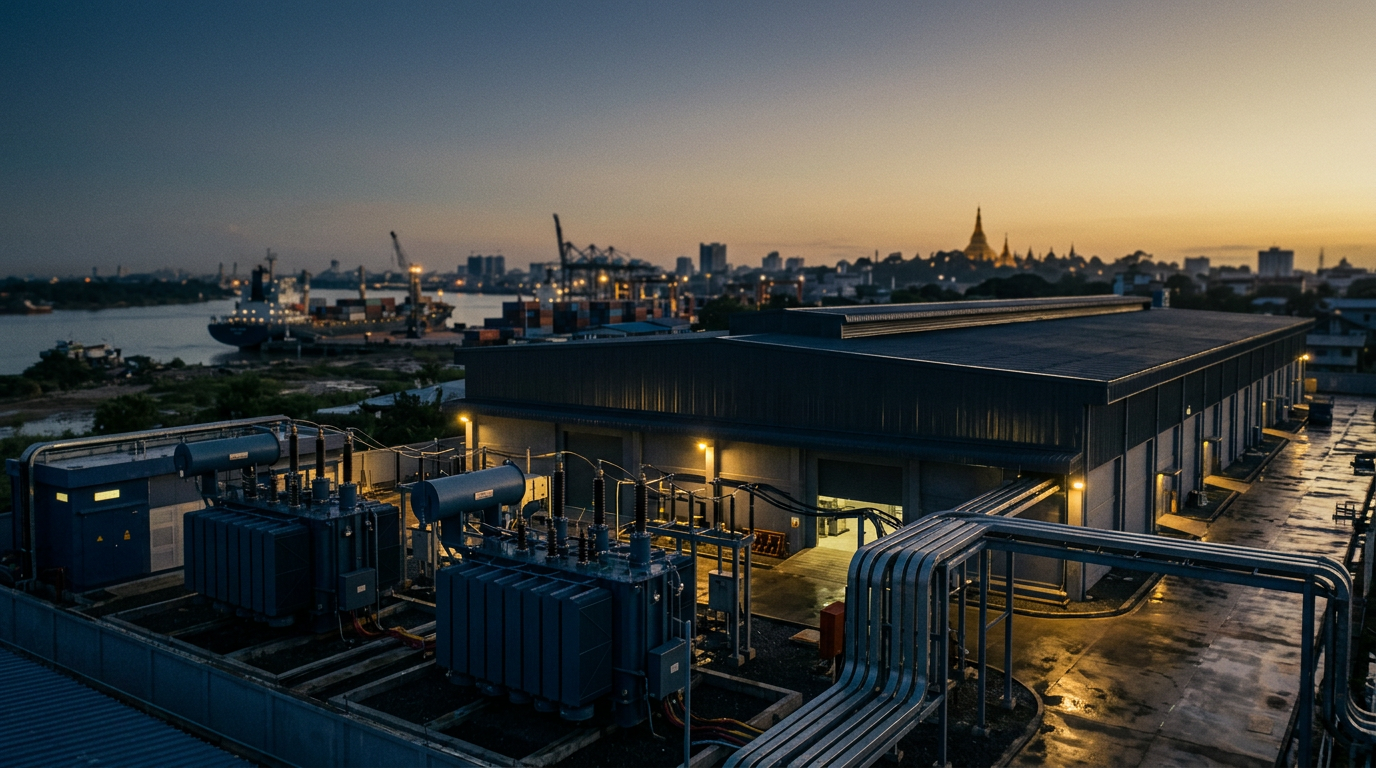
A recent partnership between Infineon and Eaton to develop next-generation transformers for data centers highlights a critical trend for Southeast Asia. As reported by Data Center Dynamics, the collaboration will use advanced silicon carbide components to support the high-voltage power architectures required by modern server farms. While the specific companies are global, the technology is fundamental to the digital economy everywhere, including ASEAN.
The region is a major growth market for data centers, driven by accelerating data consumption, cloud adoption, and the prospect of AI workloads. Yet, the development of these complex facilities is not uniform across the region. The successful deployment of such infrastructure hinges on more than just attracting investment; it depends on the quiet, often overlooked, capacity of state institutions to facilitate complex projects.
Execution Over Announcements
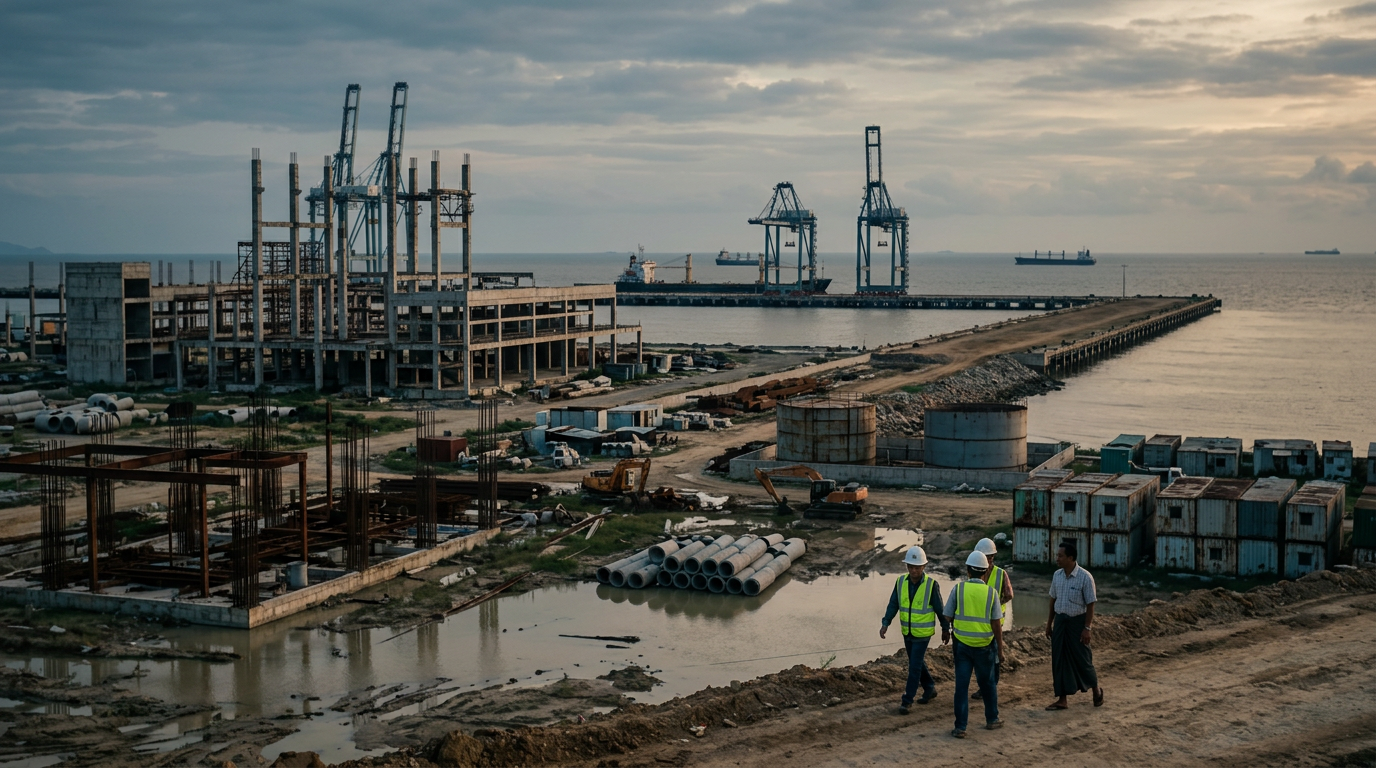
The rush to build data centers across Southeast Asia has led to a flurry of project announcements. These often generate positive headlines but can obscure the real-world challenges of bringing a facility online. The process involves navigating a web of regulations, securing reliable power and water, and managing construction timelines. This is where the institutional quality of a host country becomes a decisive factor.
As detailed in the book ASEAN Rising, the ability to deliver infrastructure on schedule is a powerful signal to investors and the wider market. It demonstrates a level of state capacity and regulatory predictability that is highly prized. A country that can ensure a data center project proceeds from groundbreaking to operation without undue delay offers a tangible advantage over one where bureaucratic friction and uncertainty are common. This reliability in execution is a form of competitive advantage in itself, demonstrating that a state is not just a passive recipient of investment but an active enabler of it.
The Real Cost of Friction
For capital-intensive projects like data centers, delays are not just inconvenient; they represent a significant financial cost. Every month a facility is not operational is a month of lost revenue and deferred return on a very large investment. The partnership between Infineon and Eaton to create more efficient power systems is aimed at optimizing the performance of data centers, but these technological gains can be easily erased by friction on the ground.
This is where the concept of "institutional reliability has become part of comparative advantage" is most apparent. An investor comparing potential sites in the region will look beyond tax incentives and land costs. They will assess the track record of the investment promotion agency, the transparency of the permitting process, and the reliability of the utility providers. A government that can offer a clear and predictable path to operation reduces the risk profile of the entire project. This is the difference between a state that is merely open for business and one that is genuinely equipped to support it.
What to watch: The key metric for understanding ASEAN's digital infrastructure growth will not be the number of memorandums of understanding signed or the total announced investment value. Instead, observers should track the rate of project completion and the time it takes for new data centers to become operational. This will reveal which countries possess the institutional depth to translate ambition into the physical infrastructure of the digital economy, separating the hubs that can execute from those that primarily announce.