Aligning Capital and Capacity in ASEAN Data Centers
As foreign capital builds out ASEAN's data center capacity, the region must focus on aligning infrastructure, planning, and talent to ensure long-term sovereignty.

A recent article in The Diplomat suggests that an influx of Chinese capital into ASEAN's data center market could influence the development of regional AI norms. The analysis points to a reliance on foreign investment and expertise that may create long-term dependencies for ASEAN member states. As hyperscale capacity expands to meet the demands of the digital economy, the strategic coordination of these new assets becomes a matter of economic sovereignty.
Capital and Coordination
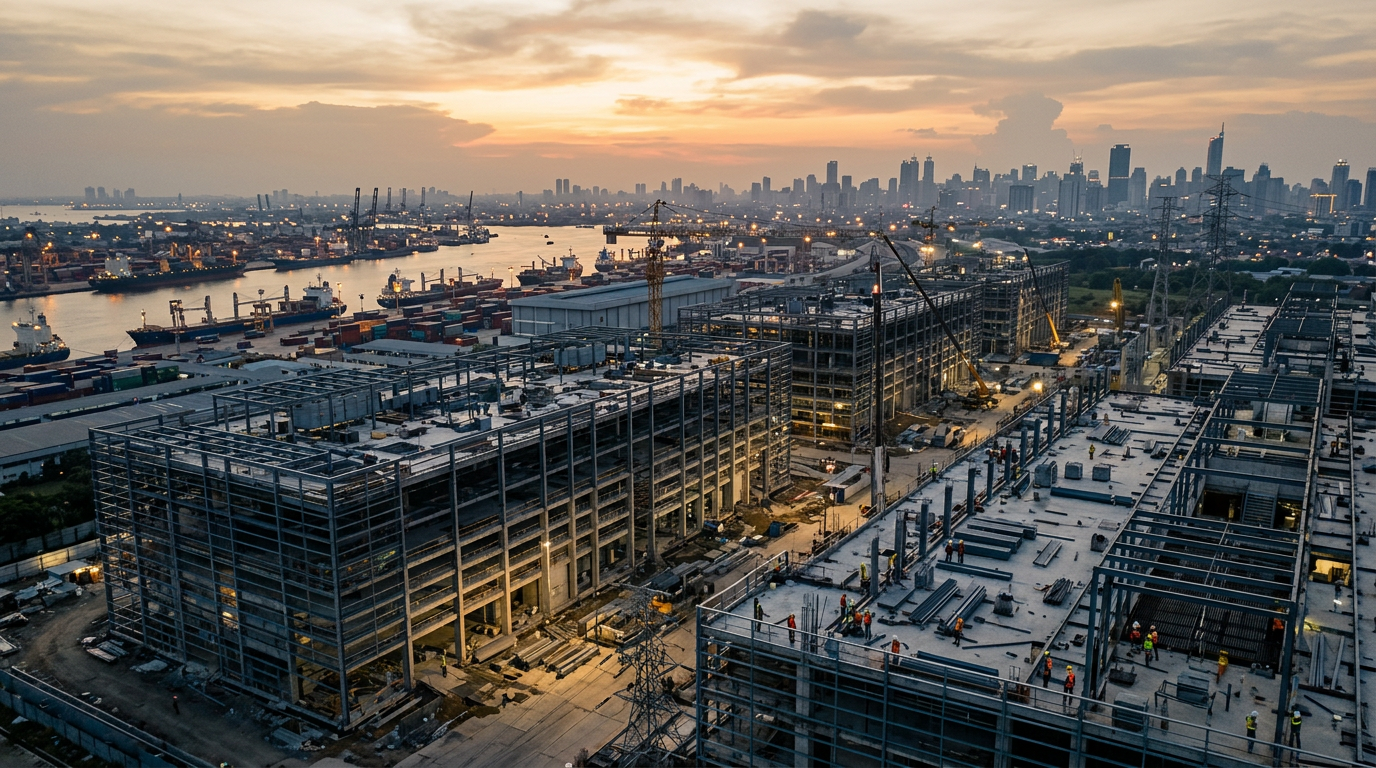
The development of a data center is not merely a real estate transaction. It is a complex industrial project that requires the alignment of multiple inputs. Power, connectivity, water for cooling, and government permits must all be available in the same place at the same time. As detailed in "ASEAN Rising," this level of planning is itself a critical factor for success. The book notes that "capital coordination is itself an industrial input," highlighting that without this alignment, even access to inexpensive electricity is not enough to guarantee a project's viability. When foreign capital finances and builds these facilities, the host nation must ensure its own institutions are sophisticated enough to steer these projects toward national interests.
Sovereignty and Execution
The concern over foreign influence on AI norms is fundamentally a question of digital sovereignty. A nation's ability to set its own rules for data governance, privacy, and the use of artificial intelligence depends on its control over the underlying infrastructure. The physical location of data centers, the nationality of their owners, and the legal jurisdiction they operate under all have implications for data sovereignty. For ASEAN governments, the challenge is one of execution. They must build the institutional capacity to not only attract foreign direct investment but also to regulate its operations and integrate it into a cohesive national digital strategy. This involves developing clear regulations, robust cybersecurity frameworks, and effective oversight mechanisms.
The Talent Pipeline
Beyond capital and physical infrastructure, the long-term operation of data centers requires a steady supply of skilled local talent. Engineers, technicians, and cybersecurity specialists are all needed to manage these complex facilities. The reliance on foreign expertise, as noted in the news hook, is a vulnerability that can only be addressed through sustained investment in education and training. ASEAN nations have an opportunity to build a workforce capable of managing their own digital infrastructure. By developing local talent, ASEAN can reduce its dependence on foreign providers and ensure that the economic benefits of the digital economy are widely distributed.
What to watch: The key indicator to monitor is not just the volume of foreign investment in ASEAN data centers, but the development of local regulatory and talent ecosystems. Observe whether ASEAN governments are successfully building the institutional strength to coordinate these powerful new assets, manage their security, and staff them with their own citizens. The balance between attracting necessary capital and maintaining national control over digital infrastructure will define the region's autonomy in the AI era.