Thailand
 Defines Hyperscale Data Centers
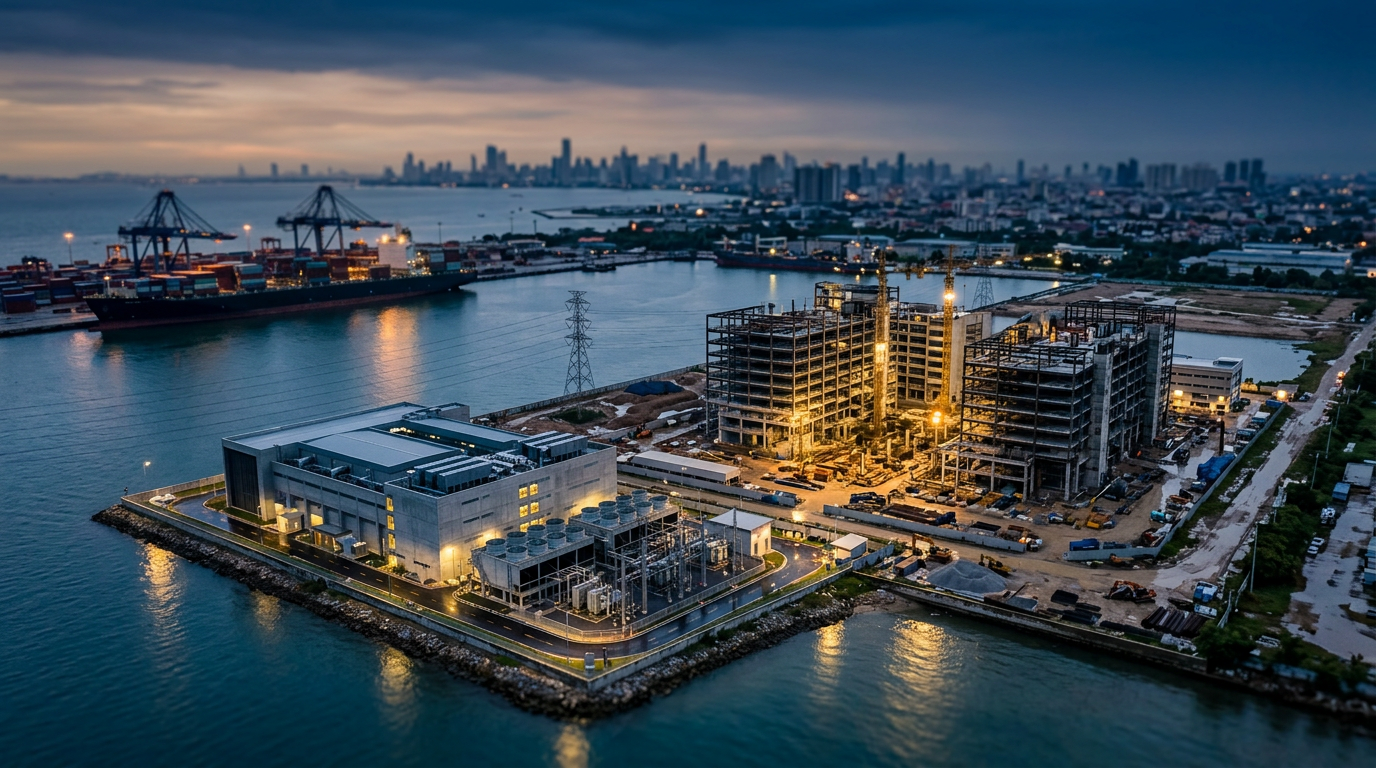
Thailand is set to introduce new regulations to classify data centers, with facilities over 100MW designated as hyperscale. The move signals an attempt to compete for digital infrastructure investment, but attracting hyperscale projects requires more than just regulatory.
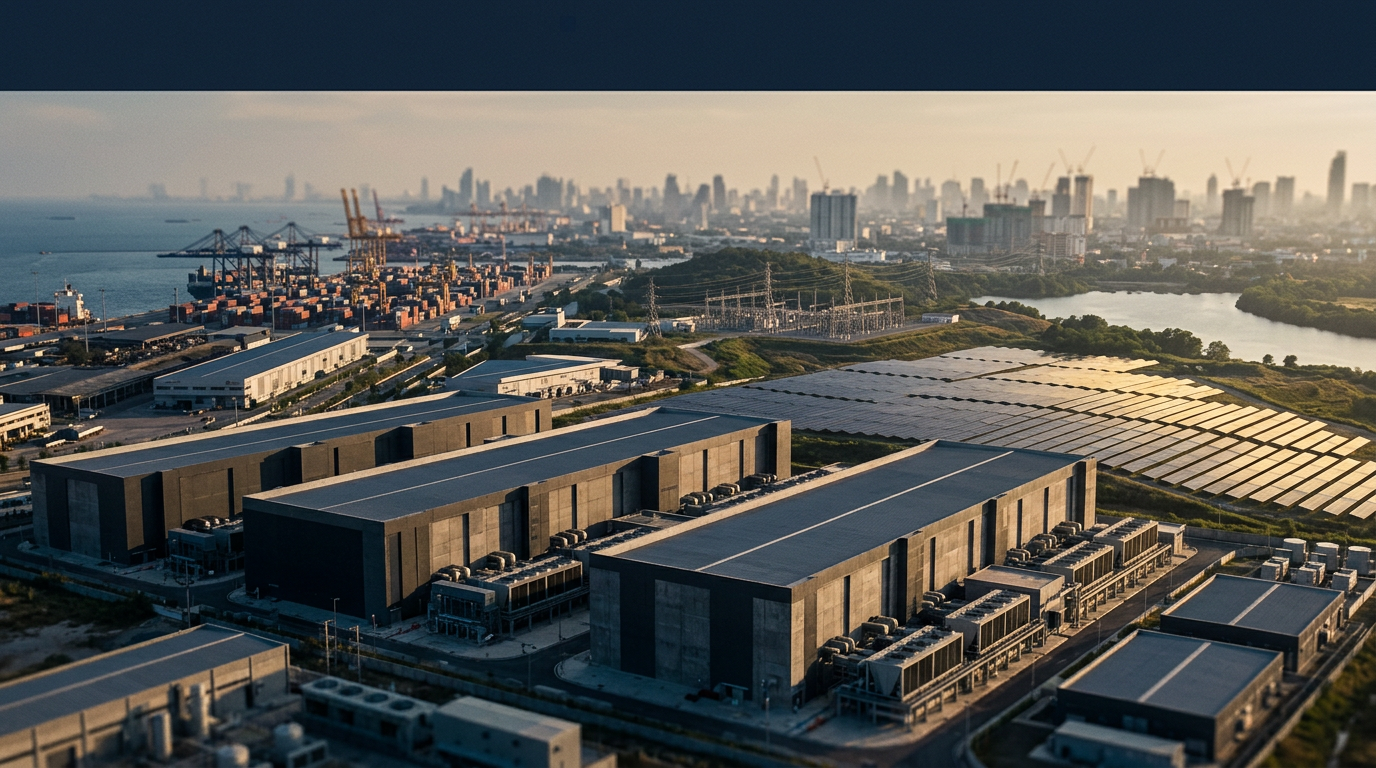
Thailand is poised to finalize new regulations for its data center industry by mid-October, a move that will formally classify facilities with over 100 megawatts of capacity as "hyperscale," according to a report from Data Center Dynamics. The new rules, managed by the Ministry of Digital Economy and Society and other agencies, aim to provide clarity for investors and streamline development in a competitive regional market.
While Thailand has attracted significant investment commitments from major cloud providers, this regulatory step is an attempt to organize and accelerate the growth of its digital infrastructure. By creating a specific category for hyperscale facilities, the government is signaling its ambition to capture a larger share of the investment flowing into Southeast Asia, particularly as established hubs like Singapore face land and power constraints. However, building a successful hyperscale ecosystem involves more than just favorable regulations; it requires a complex interplay of factors that a clear definition alone cannot guarantee.
The Anatomy of Hyperscale Investment
Hyperscale data centers are immense, complex industrial facilities. Their development depends on the seamless integration of several key inputs: massive and reliable power, abundant land, and high-capacity fiber optic connectivity. A regulatory framework that acknowledges the scale of these projects is a positive first step, as it can simplify planning and approvals. However, the true test lies in the execution and the ability of a country's institutions to deliver these foundational components in a coordinated manner.
As detailed in the book ASEAN Rising, Singapore became the region's premier data center hub precisely because it excelled at this coordination. The nation's success was not accidental but the result of deliberate, long-term planning where government agencies worked in concert to ensure that industrial land, power substations, and network infrastructure were developed together. For hyperscale operators, this de-risks their massive capital expenditures. They are not just buying power or land, but confidence in the underlying system. Thailand's new regulations are a statement of intent, but their effectiveness will depend on the capacity of its own institutions to deliver this same level of coordinated infrastructure.
Execution and the Competition for Capital
Attracting hyperscale investment is a competitive endeavor. Other ASEAN nations, notably Malaysia and Indonesia, are also aggressively courting data center developers with their own incentives and large land tracts. In this environment, capital flows to locations that offer the most certainty. As the book notes, "Capital coordination is itself an industrial input." This means that the ability of a government to orchestrate utilities, land use planning, and connectivity is as vital as the cost of electricity or the price of real estate.
Where these elements are aligned, hyperscale investment tends to follow. Where they are disjointed-for example, if securing a grid connection is a slow and uncertain process, or if fiber routes are not readily available to a designated industrial park-developers will hesitate. Even the promise of abundant, inexpensive power is insufficient if the other components are not reliably in place. Thailand's challenge, therefore, extends beyond regulation to the operational capacity of its state-owned enterprises and planning bodies. To compete effectively with its neighbors, it must demonstrate a consistent and predictable ability to execute complex infrastructure projects that meet the stringent timelines and reliability standards of hyperscale operators.
What to watch
The final text of Thailand's new data center regulations will be the first item to watch, as it will reveal the specific incentives and streamlined processes offered to hyperscale investors. Following that, attention should turn to the practical execution of these policies. Observers should monitor the speed and success of initial hyperscale projects under the new framework, particularly regarding the coordination between the Ministry of Digital Economy and Society, the Board of Investment, and state utility providers in delivering power and other essential infrastructure. This will be the clearest indicator of Thailand's ability to translate its regulatory ambitions into a competitive advantage in the regional race for digital infrastructure.