Philippines
Manila's Transit Payments and the Trust Deficit
A GCash promotion for Manila's train lines is more than a fintech story. It is a case study in how private capital is filling institutional gaps in public infrastructure, and a test of state capacity to deliver truly seamless services.
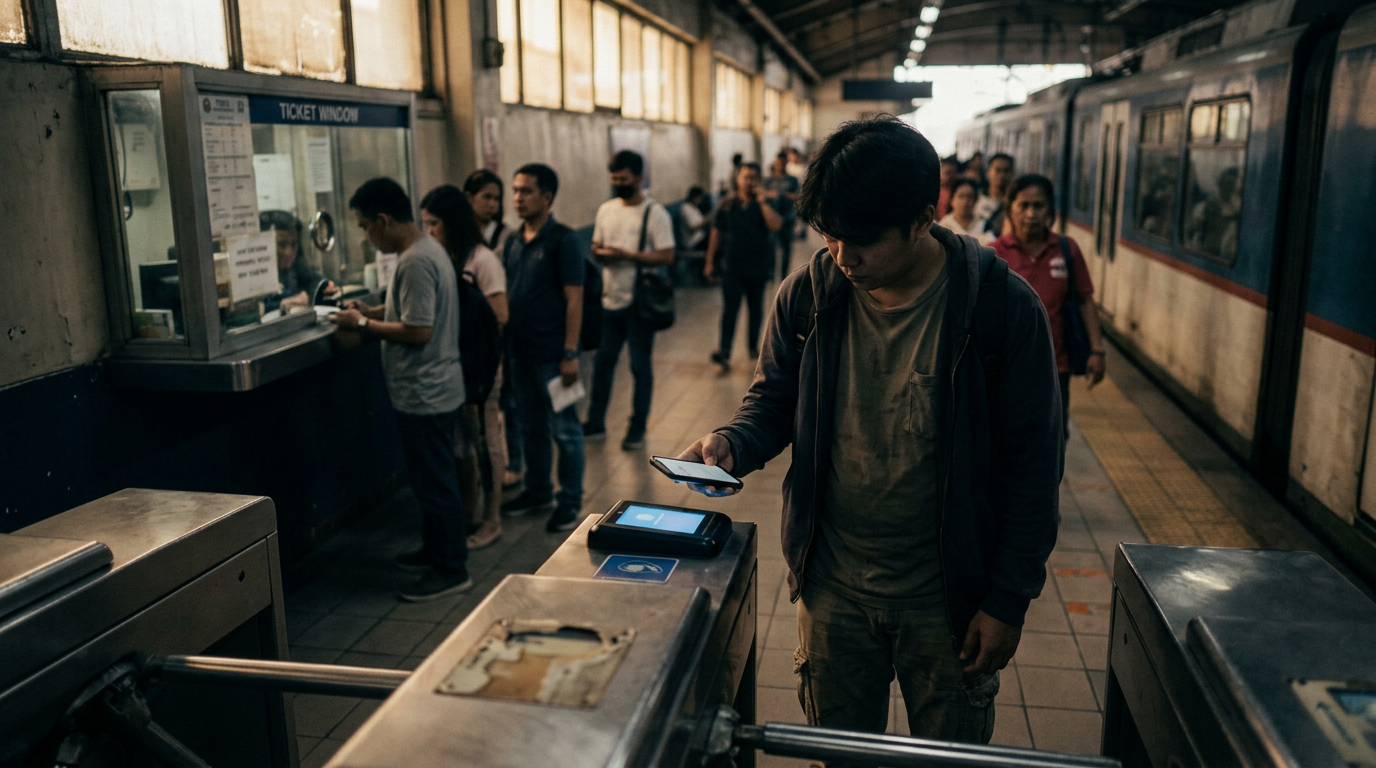
E-wallet provider GCash is offering cashback deals to commuters using its app to pay for rides on Manila's MRT-3 and LRT-2 train lines, as reported by philstar.com. The move extends the company's reach into the transportation sector, offering a layer of digital convenience and incentives for a weary public. While on the surface a simple marketing campaign, this development points to a deeper theme in the region's development: the complex interplay between private capital, public infrastructure, and state capacity.
The Daily Test of Infrastructure
For millions of Filipinos, the daily commute is a referendum on the state's ability to provide reliable services. The MRT-3 and LRT-2 are vital arteries in Metro Manila, but they are also symbols of the challenges of public infrastructure management. Overcrowding, service interruptions, and maintenance issues have been persistent problems for years. The physical infrastructure is only part of the equation; the user experience, from queuing to payment, is another.
The process of paying for a ride is a major source of this friction. Long lines for tickets, malfunctioning machines, and the need for exact change are common hurdles. These small, daily inconveniences accumulate, representing a tangible cost in time and frustration for commuters. This is where private-sector players like GCash, a subsidiary of Mynt, see an opening. By integrating QR-based payments, they offer to streamline one part of a difficult journey. The initiative does not add a single train car or kilometer of track, but it addresses a critical component of usability. It is a direct attempt to reduce the friction associated with a public good, funded by private capital seeking to expand its user base.
Private Solutions for Public Friction
The entry of a dominant fintech player into public transit ticketing highlights a core theme from the book ASEAN Rising: the execution gap in public services. While governments are often responsible for the large-scale, capital-intensive work of building infrastructure, the "last mile" of service delivery is frequently where the experience breaks down. The book notes that "institutional reliability has become part of comparative advantage." A transit system that is easy to access and pay for is more valuable to the economy and its citizens than one that exists only on paper or is cumbersome to use.
GCash's program is a market-based response to this gap. The company is investing its own capital to acquire users and integrate its systems with those of the transit operators. In doing so, it provides a ready-made solution that alleviates a pain point for the public and reduces the operational burden on the state's transit agencies. This dynamic, where private firms build transactional layers on top of public infrastructure, is becoming a common feature across Southeast Asia. It speaks to the immense need for services that make the state more functional for its citizens. It is a tangible example of how a usable system, even one improved by a third party, can be more meaningful than a newly announced project.
The Challenge of Seamless Integration
The move by GCash also raises questions about the long-term vision for national digital infrastructure. While a private-sector solution is effective, it can also lead to a fragmented ecosystem. Commuters may now need a specific e-wallet to access promotions or enjoy the most convenient payment method. This risks creating new walled gardens, where the choice of payment provider dictates the quality of a citizen's experience with a public service.
The ultimate goal for a system as vital as public transit should be true interoperability - a seamless experience where any user can pay with any digital method. This requires a strong institutional hand to set standards and foster a competitive environment. The government's role, therefore, extends beyond just managing the physical rails and trains. It must also act as the architect of the digital infrastructure, ensuring that private innovation serves a broader public purpose rather than simply carving out monopolies. Without this institutional foresight, the risk is that friction is not truly eliminated, but merely shifted.
What to watch
The primary indicator to watch is the response of the Philippine government, particularly the Department of Transportation. Observers should look for moves to create a national, interoperable transit payment standard, similar to systems seen in Hong Kong or Singapore. The degree to which officials can harness the energy of private capital from firms like GCash while guiding it toward a universal standard will be a significant test of institutional execution. The alternative is a fragmented digital payment landscape that mirrors the existing physical challenges of the nation's infrastructure.