Philippines
Beyond Announcements: How Philippine Ecozones Turn FDI Pledges into Projects
Philippine economic zones show how targeted institutional support can bridge the gap between foreign investment announcements and realised projects on the ground, a key challenge for growth across ASEAN.
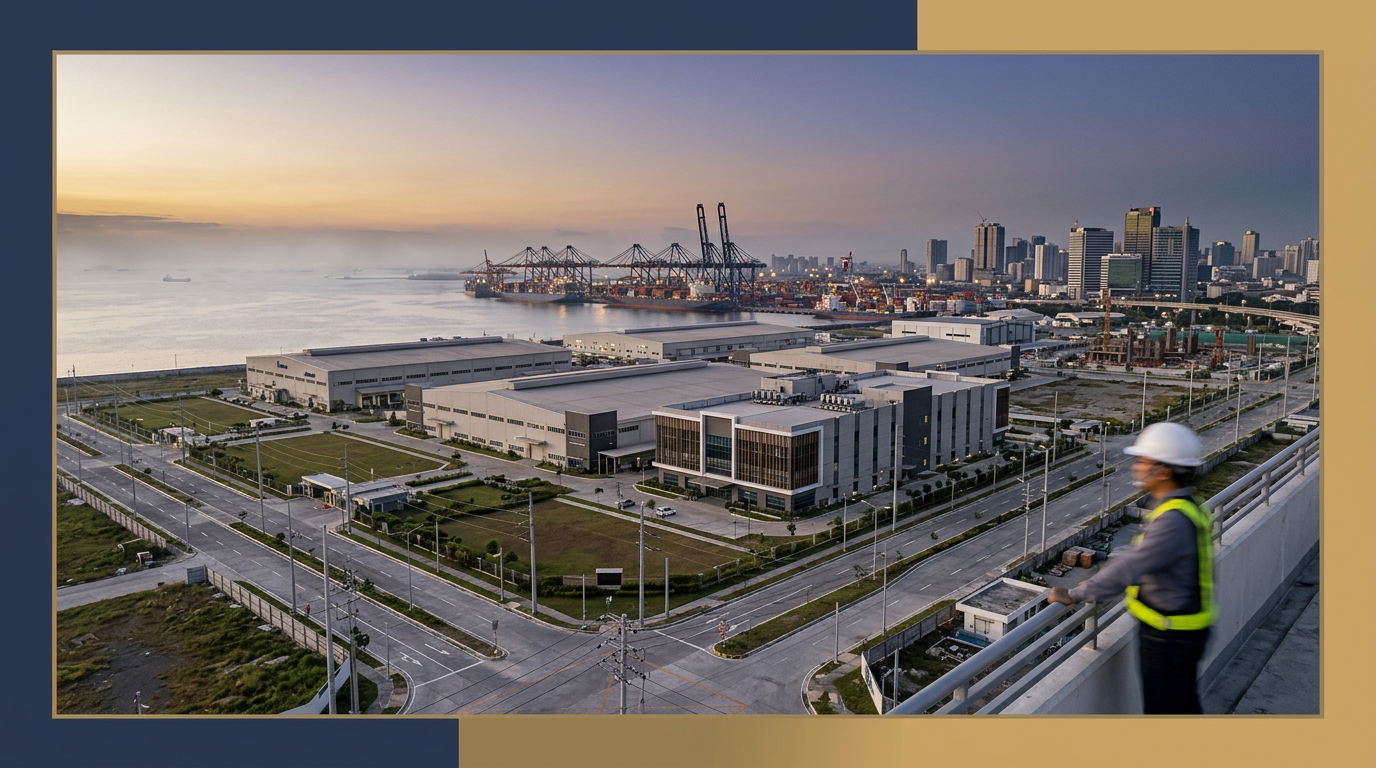
The British Chamber of Commerce in the Philippines recently highlighted the valuable role of the country's economic zones in attracting foreign investment, as reported by philstar.com. This praise underscores a persistent theme in development across ASEAN: the wide gap between announced foreign direct investment (FDI) and the capital that makes it to the ground. While large FDI figures generate positive headlines, the actualization of these investments is a far more complex undertaking.
The challenge is not one of attracting interest, but of execution. As the book ASEAN Rising notes in its analysis of Indonesia, a country's large market size is only an advantage when its institutions are capable of converting that scale into deep, investable opportunities for capital. The Philippines, through its ecozone strategy, provides a compelling case study in how to address this exact issue.
Institutions That Deliver
The success of Philippine ecozones is fundamentally a story of institutional strength, primarily through the Philippine Economic Zone Authority (PEZA). PEZA functions as more than a regulatory body; it acts as a dedicated facilitator for investors. By creating a single point of contact, the authority streamlines what can otherwise be a difficult and fragmented process of securing land, permits, and operational licenses. This "one-stop-shop" model provides a predictable and stable operating environment that is often insulated from the wider bureaucratic complexities that can deter foreign firms.
This institutional framework builds trust. For foreign companies, the clear rules and responsive administration within the zones reduce risk and shorten the time between their initial investment decision and the start of operations. It is a direct answer to the problem of turning investment pledges into tangible factories and offices. The ecozone model demonstrates how a focused government agency can create pockets of efficiency that serve as a powerful advertisement for the country's investment climate.
Concentrating Capital, Infrastructure, and Talent
Ecozones are a pragmatic solution to the unevenness of national development. Rather than attempting to bring the entire country's infrastructure to an investment-grade standard all at once-an impossible task for any government-the ecozone model concentrates resources in specific, manageable areas. Within these zones, investors are assured of reliable power, water, and digital connectivity, along with efficient logistics and transport links. This mitigates one of the largest operational risks for any industrial enterprise.
This concentration effect extends to human resources. The zones become hubs for employment, attracting talent from surrounding regions. Over time, this creates specialized labor pools with skills tailored to the needs of the industries located there. Some zones foster direct partnerships between companies and local educational institutions, creating a direct pipeline of trained workers. This addresses a key concern for any investor: access to a qualified and sustainable workforce. The strategy acknowledges that "realised flows depend on the slower work of land, permits, power and talent reaching the ground."
What to watch
Moving forward, observers should monitor the level of autonomy and funding afforded to the institutions governing these zones, such as PEZA. The ability of the national government to maintain a consistent policy environment for ecozones, even as political administrations change, is a primary indicator of their long-term stability. Also important is whether this focused execution model can be expanded into new sectors beyond its traditional manufacturing base, such as in agricultural processing, renewable energy projects, or specialized service hubs for the digital economy. The evolution of the ecozone strategy will signal much about the Philippines' approach to absorbing productive capital.