Philippines
Philippines Infrastructure Push Confronts Execution Test
Recent presidential approval for a variation order on a major Manila rail project highlights a persistent theme across ASEAN: the true measure of infrastructure development is not the announcement, but the timely and reliable execution of complex projects.
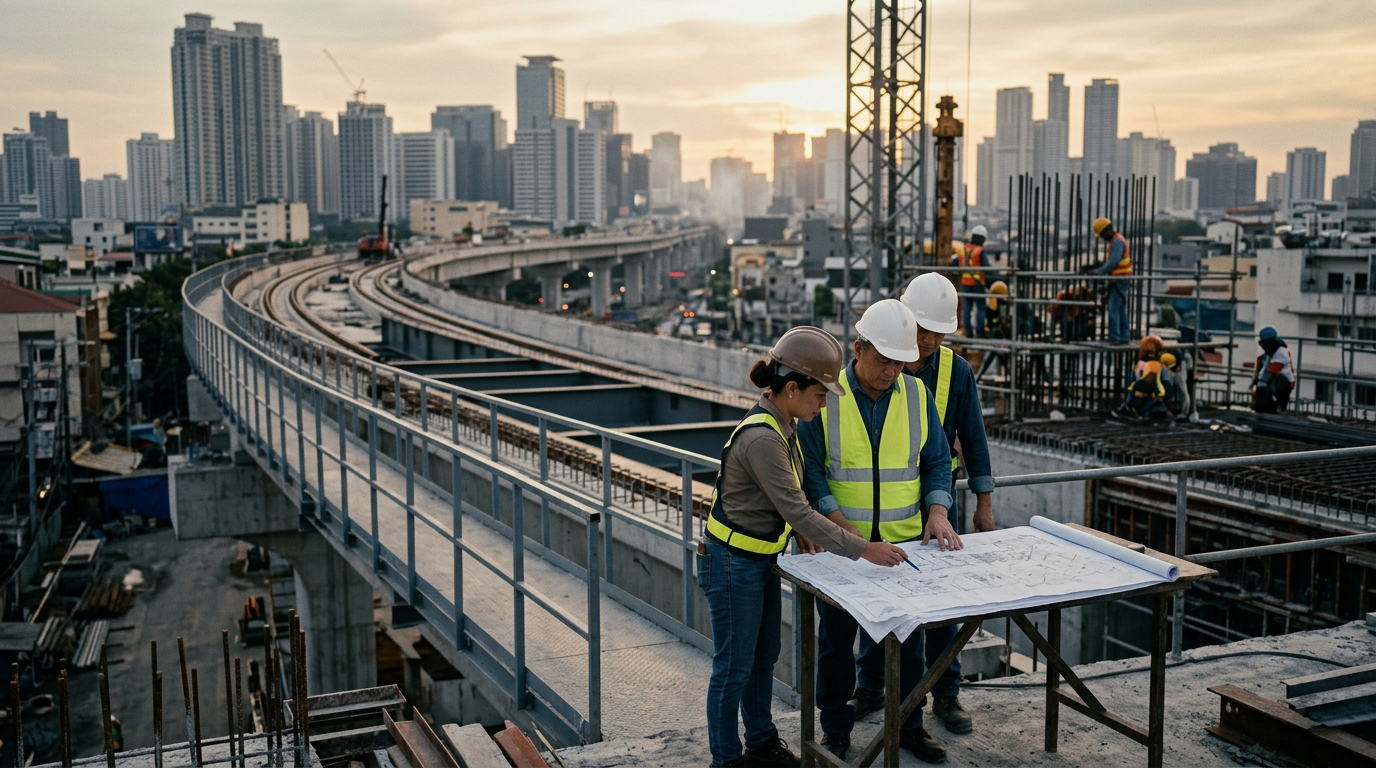
President Ferdinand Marcos Jr.'s recent approval of a variation order for the LRT-1 South Extension Project, as reported by The Manila Times, brings a long-running Philippine infrastructure effort back into focus. While any step toward completing a major public transit line is welcome, the nature of the approval itself-a course correction for a project already underway-points to the deeper challenges of turning ambitious blueprints into functioning assets.
The High Cost of Friction
The LRT-1 South Extension has been in development for years, promising to extend a vital transit artery in chronically congested Metro Manila. The approval of a "variation order" is a formal acknowledgment of changes to the project's original scope, cost, or timeline. Such orders are common in large-scale construction, but they represent points of friction that add costs and cause delays. They are the bureaucratic and logistical hurdles that occur long after the groundbreaking ceremonies and optimistic press releases.
Each delay has a real-world cost, not just in budgetary terms, but in public inconvenience and deferred economic benefits. For the Philippines, which has staked its economic agenda on a massive infrastructure program dubbed "Build Better More," overcoming this friction is the primary test. The approval of the variation order is less a sign of new progress and more a signal of the state's effort to manage and resolve the inherent complexities of execution. This is the routine, unglamorous work of building a nation, and its effectiveness is a direct measure of state capacity.
Institutions and Reliability
Ambitious infrastructure plans are a feature of governments across Southeast Asia. The Philippines' "Build Better More" program, which follows the previous administration's "Build, Build, Build" initiative, is one of the most expansive, targeting everything from railways and airports to bridges and digital connectivity. Yet, as the experience with the LRT-1 extension shows, the vision is the easy part. The persistent challenge is implementation.
This is where institutional reliability becomes a core component of a country's competitive advantage. As the book "ASEAN Rising" details, the ability to execute complex projects and deliver services predictably is a powerful indicator of a capable state. A government that can navigate its own bureaucracy, manage contractor relationships, and keep projects moving is one that builds trust with both its citizens and investors. "Infrastructure that arrives on time signals more than infrastructure that is merely announced," demonstrating a level of competence that is more valuable than any single ambitious announcement. The substance of governance is found in this execution discipline, not in the vision alone.
Attracting Capital, Building Trust
Large-scale infrastructure is exceptionally capital-intensive. The Philippines, like its neighbors, relies on a mix of public funds, multilateral loans, and private sector investment to finance its portfolio of projects. This blended financing model is sensitive to risk, and few things raise risk profiles more than project delays and cost overruns. The need for a variation order on the LRT-1 project, for instance, has direct financial implications and can make private financiers more cautious.
By streamlining the approval process for this change, the government aims to demonstrate its commitment to seeing the project through. This action is intended to reassure investors and the public that bottlenecks will be addressed. Consistently delivering projects on revised schedules and within revised budgets is essential for maintaining the confidence required to attract the necessary long-term capital. Every successfully completed project serves as a proof point, strengthening the government's reputation and making it easier to finance the next initiative. Public trust is built in the same way: not when a project is announced, but when it is completed and begins serving its intended purpose.
What to watch
What to watch now is not the announcement of further projects, but the tangible progress on existing ones. The key indicator for the LRT-1 extension will be whether this variation order genuinely accelerates work on the ground. For the broader "Build Better More" agenda, observers should track the government's ability to preemptively solve logistical and bureaucratic hurdles rather than reacting to them. The ultimate measure of success for the Philippines' infrastructure agenda will be the pace and predictability of project completion, turning approved plans into the steel, concrete, and operational services that power the economy.