Philippines
The Philippines' Off-Grid Energy Auction Is a Test of Institutions
A planned auction for renewable energy in the Philippines' remote areas is less about green ambitions and more about the institutional capacity to deliver infrastructure on time.
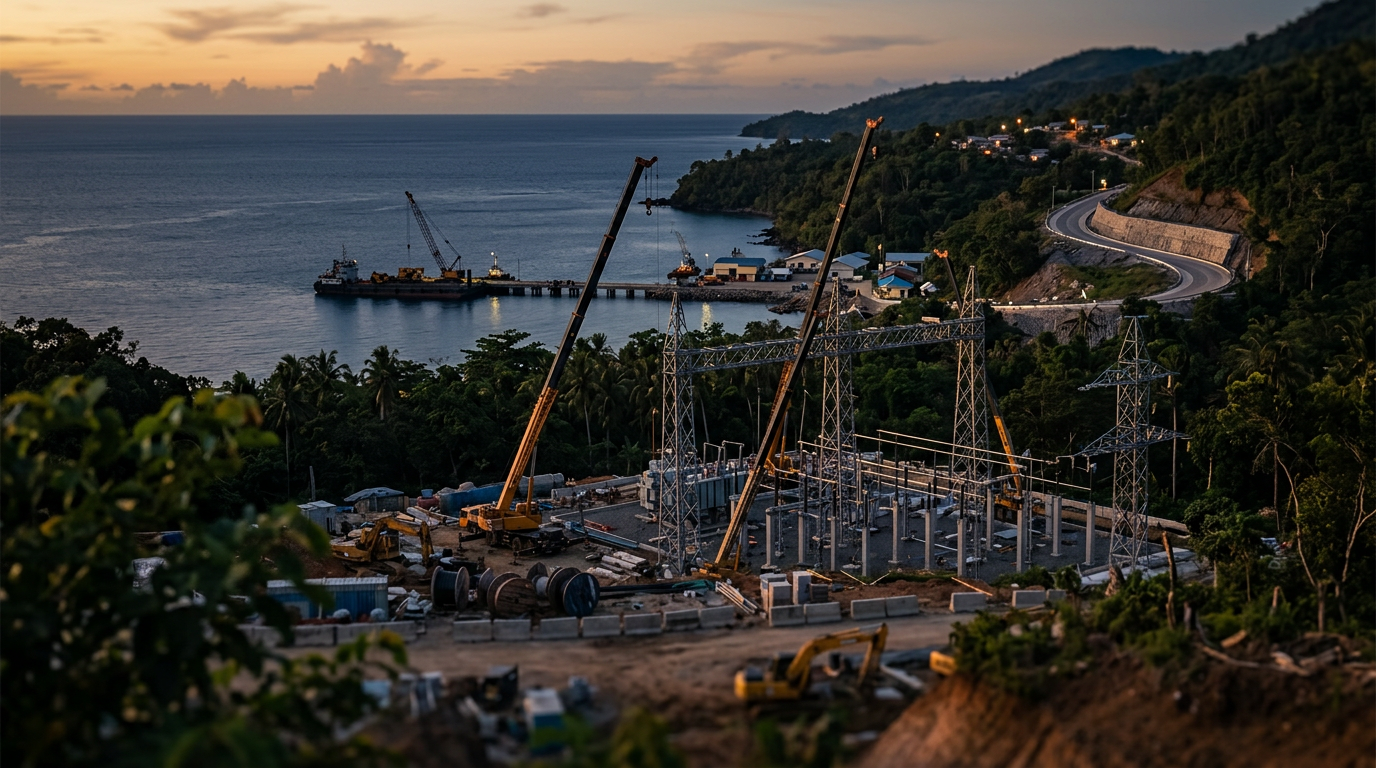
The government of the Philippines is preparing to launch a competitive auction for renewable energy projects in the country's underserved, off-grid areas. According to a report from philstar.com, the Department of Energy initiative aims to attract private investment to provide electricity to remote communities. While the program's goal is electrification, its design and implementation will serve as a clear indicator of the state's capacity to build and manage the institutions needed for economic development.
Auctions as Economic Institutions
At its core, the planned energy auction is an exercise in institution building. The government is choosing to use a market-based mechanism to allocate capital and award service contracts. This approach is a significant departure from older models that often relied on directly negotiated deals, which can be opaque and deter broad participation. A well-designed auction framework promotes transparency, encourages competition, and facilitates price discovery, theoretically ensuring that public service goals are met at the lowest possible cost.
For private investors, the auction's rules, transparency, and predictability are paramount. A credible auction process reduces uncertainty and signals that the government is a reliable partner. This aligns with a central theme of the book ASEAN Rising, which argues that in the modern economy, institutional reliability has become a form of comparative advantage. A transparent bidding process can attract a wider pool of capital, both domestic and international, than a process that is perceived as arbitrary. The success of this auction will depend not on the ambition of its targets but on the integrity of its design as an institution.
The Challenge of Execution
While a well-run auction is a necessary first step, it is not sufficient. The true test lies in execution, particularly in the difficult operating environments of off-grid regions. These areas present logistical, social, and technical hurdles that can stall even the best-laid plans. Winning bidders will need assurance that the government can provide the necessary support, from securing permits to ensuring regulatory consistency over the life of the project.
This is where the concept of a usable state becomes important. Grand announcements of energy targets are common, but the ability to translate those announcements into functioning power assets is rare. As the book notes, "Infrastructure that arrives on time signals more than infrastructure that is merely announced." The government's role extends beyond running the auction; it must also ensure that the administrative and regulatory frameworks are in place to facilitate construction and operation. Failure to do so will undermine the credibility of the auction itself and deter investment in future rounds.
Building Trust and Talent
Ultimately, the off-grid energy initiative is about building trust between the state, the private sector, and the communities being served. A successful auction that leads to completed projects builds confidence among investors, demonstrating that the government is a capable partner. This creates a positive feedback loop, attracting more capital and expertise into the country's infrastructure sector.
Successfully implementing these distributed energy projects also requires a foundation of local talent. Skilled technicians and managers are needed to build and maintain these systems over the long term. The initiative therefore has the secondary effect of stimulating demand for technical skills, contributing to human capital development in the regions that need it most. The flow of private capital into these projects is contingent on the availability of this talent and the trustworthiness of the institutions that govern them.
What to watch
The key elements to monitor will be the final design of the auction framework and the level of interest it generates from credible private sector developers. Beyond the bidding, attention must be paid to the actual progress of awarded projects. The rate at which winning bidders can move from contract signing to construction and finally to commercial operation will be the ultimate measure of success, revealing a great deal about the real-world capacity of Philippine institutions to deliver essential infrastructure.