Philippines
From Announcement to Execution in the Philippines
A major Japanese investment in Philippine energy is a positive headline. But the real work of turning foreign capital into national infrastructure depends on institutions and execution on the ground.
Osaka-based Kansai Electric Power Co. has announced its first overseas investment in a pumped-storage hydropower facility, joining a 600-megawatt project in the Philippines, as reported by philstar.com. The deal, in partnership with established local business leaders, marks a significant inflow of capital and technology into the nation's energy sector.
For a country aiming to improve its energy security and increase its share of renewables, this is welcome news. Yet the announcement is only the first step. The journey from a foreign direct investment (FDI) press release to an operational power plant is a slow and complex process, testing the capacity of a country's institutions to translate ambition into reality.
Capital and Infrastructure
The Wawa project represents a confluence of foreign capital and local expertise to address a tangible infrastructure need. Kansai Electric brings a long history of hydropower operations, including pumped-storage technology, which is valuable for grid stability. Its partnership with the Razon and Lopez groups provides deep local knowledge and experience in navigating the domestic business environment.
The investment is a vote of confidence in the Philippines' economic trajectory and its stated goals under the national renewable energy program. Large-scale hydropower, and pumped storage in particular, can provide reliable power to balance the intermittency of other renewable sources like solar and wind. This project, if completed successfully, will be a meaningful addition to the country's power generation capacity and a step toward its clean energy targets. The capital is on the table; the challenge now shifts to execution.
The Slower Work
Headline FDI figures are an encouraging signal, but they do not always correlate directly with immediate, on-the-ground results. The book ASEAN Rising makes the point that while investment announcements travel quickly, realized flows are contingent on overcoming foundational hurdles. It notes that success "depend on the slower work of land, permits, power and talent reaching the ground."
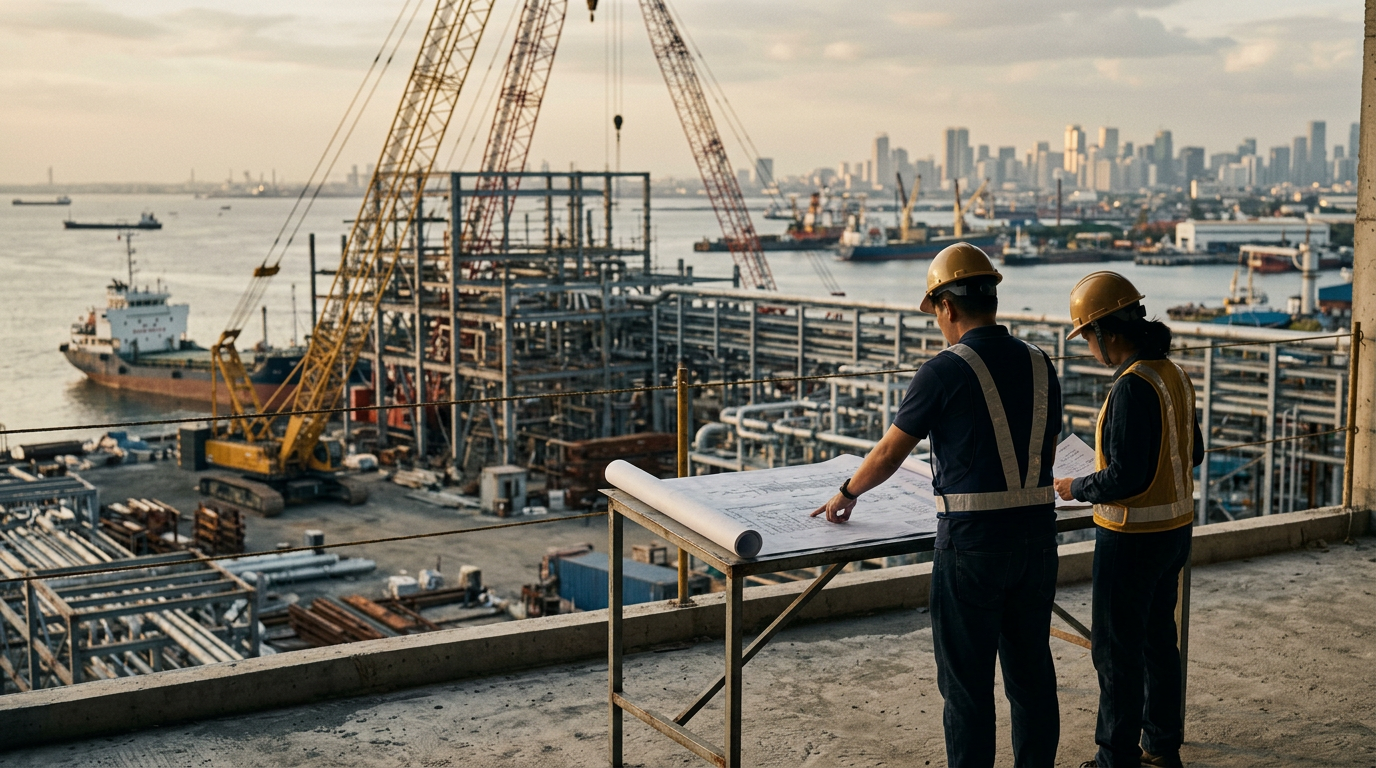
This is the phase the Wawa project now enters. The development of a 600-megawatt hydropower facility involves a formidable set of tasks. It requires securing land and water rights, a process that can be fraught with legal and social complexities. It demands a long series of permits- from environmental compliance certificates to local government endorsements- each representing a potential point of delay. The project will also need to source a skilled workforce, from engineers specializing in hydropower to construction laborers, and ensure a stable power supply for the construction phase itself. The ultimate success of Kansai Electric's investment hinges not on the initial handshake, but on the efficient and predictable functioning of these administrative and logistical processes.
Institutional Capacity as the Deciding Factor
The ability to manage this complexity is a direct reflection of a country's institutional strength. While this investment is in the Philippines, the dynamic is common across Southeast Asia, where turning national scale into investable depth remains a persistent goal. The Wawa project will depend on the coordination and competence of numerous government bodies, from the Department of Energy and the Board of Investments at the national level to the specific local government units in Rizal province.
For Kansai Electric and other foreign investors, the decision to commit capital is based on a calculation of risk and reward. This calculation includes an assessment of a country's institutional quality. Predictable regulations, a transparent permitting process, and the state's ability to enforce contracts are all part of building the trust necessary to attract and retain long-term infrastructure investment. Every project that moves smoothly from announcement to operation enhances this trust. Conversely, projects that stall in bureaucracy or face unforeseen obstacles can damage a country's reputation for years.
What to watch
The progress of the Wawa hydropower facility will be a barometer for the Philippines' ability to execute large-scale infrastructure projects. Observers should watch for key milestones, such as the finalization of land acquisitions, the issuance of all necessary environmental and construction permits, and the timeline for connecting the plant to the national grid. Delays or successes in these areas will offer a clear signal about the real-world capacity of the country's institutions to absorb and operationalize major foreign investments.