Philippines
Philippine Power Firm's Local Investment Underscores the Value of Execution
Meralco PowerGen's P20.3 million community fund is a small but significant example of a core ASEAN challenge: turning announcements into tangible outcomes that build institutional trust.
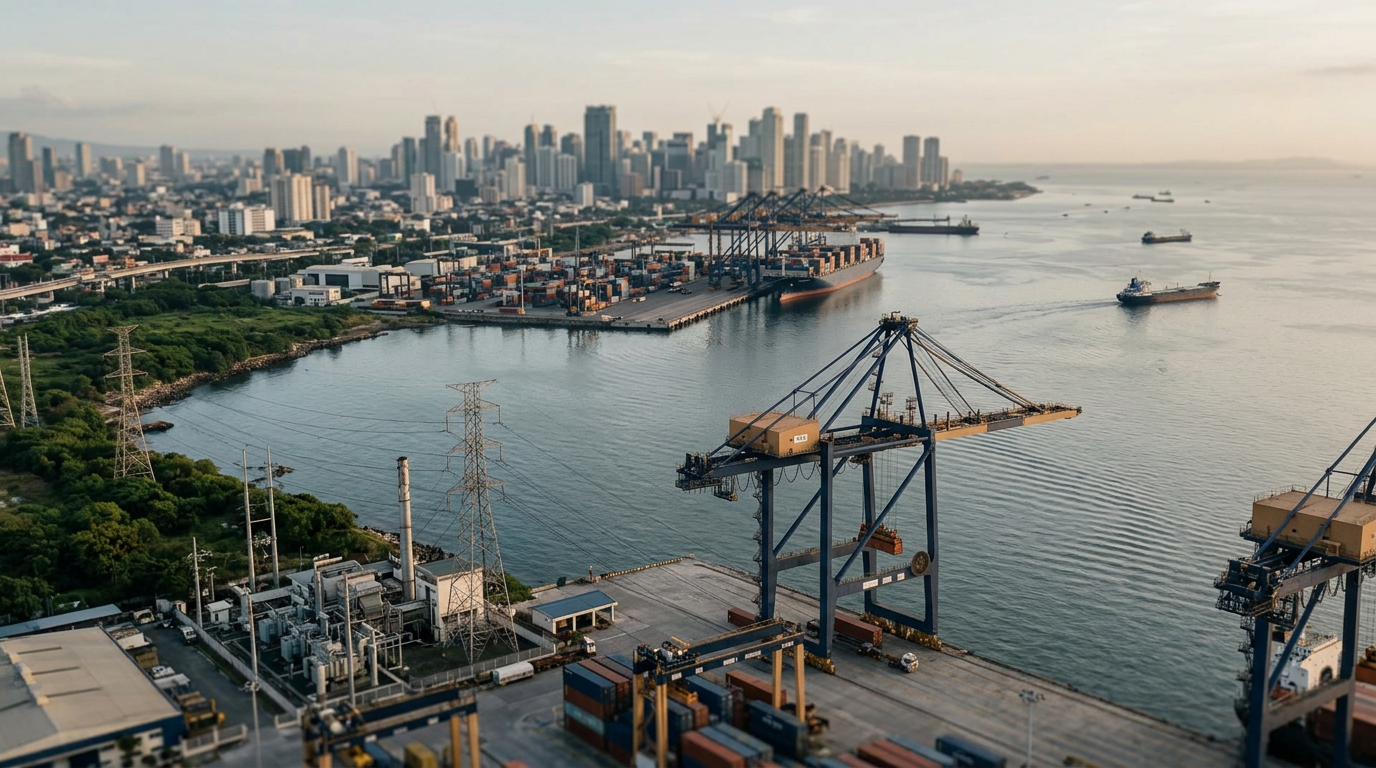
A recent commitment by Meralco PowerGen Corp. (MGEN) and One Meralco Foundation to fund P20.3 million in community development programs offers a granular view of a much larger theme in regional development. As reported by philstar.com, the investment will back social development, education, and emergency preparedness initiatives across the Philippine island groups of Luzon and Visayas. While modest in the context of national budgets, this corporate action highlights the growing importance of tangible execution in building the trust necessary for sustainable infrastructure development.
From Power Grids to Grassroots
The MGEN initiative directs private capital toward strengthening community foundations. For an operator of power infrastructure, this is not a peripheral concern. The long-term viability of energy projects depends on a stable and supportive local environment. By funding programs in education and disaster readiness, the company is investing in a form of soft infrastructure that complements its hard assets. This approach addresses immediate community needs and, more strategically, builds a reservoir of goodwill and social license to operate.
This type of direct, localized investment provides a contrast to the grand-scale national infrastructure plans that frequently dominate headlines but can face years of delays. The friction involved in land acquisition, political approvals, and bureaucratic processes can leave communities waiting for benefits that were announced with great fanfare. MGEN's program, while limited in scope, represents capital being deployed and put to work on a clear timeline. It is a practical demonstration of commitment, distinct from a press release about a future project that may or may not materialize as planned.
The Execution Premium
Successful development across ASEAN economies is increasingly a story of institutional capacity and follow-through. As the book ASEAN Rising argues, reliability is a source of competitive advantage in a crowded global market for investment. The ability to execute plans and deliver outcomes builds confidence among investors, partners, and the public. Grand visions for new cities and transport networks are alluring, but "A usable state is often more valuable than an exciting one." This principle extends to the private sector actors who build and operate within that state.
Corporate investments in community well-being, like MGEN's, act as a signal of reliability. They demonstrate an understanding that long-term returns are tied to the health and stability of the host community. For international investors observing the Philippines, such actions can be interpreted as a positive indicator of the local business climate. It suggests a mature corporate sector that is capable of managing non-market risks and building the trust that underpins stable, long-term operations. This is a vital component of building institutional depth, where private entities contribute to public goods and reinforce the social fabric.
Capital and Trust
The P20.3 million commitment is an exercise in building trust through the deliberate deployment of capital. In many parts of Southeast Asia, the gap between government services and local needs provides a space for private firms to play a constructive role. By stepping in, companies can lower the "cost of friction" associated with their operations. A community that benefits from company-funded educational programs or disaster relief is less likely to view a new power plant or transmission line with hostility. This proactive approach to stakeholder management is becoming an essential part of the infrastructure playbook.
This model is not a substitute for effective governance or state-led development. Rather, it is a complementary force. It shows how private capital can be a partner in creating value that extends beyond shareholder returns. The trust generated by these initiatives can make subsequent, larger-scale infrastructure projects more efficient and less contentious. It establishes a track record of positive local impact, creating a foundation upon which more ambitious and capital-intensive projects can be built.
What to watch
Going forward, observe whether this model of corporate-led community investment becomes a standard feature for infrastructure operators in the Philippines and the wider ASEAN region. Track the implementation of these programs to see if they deliver measurable benefits and genuinely strengthen local institutions. Note also if and how national and local governments adapt, and whether they begin to partner more systematically with the private sector to bridge development gaps and improve the execution of essential public services.