Philippines
Philippine AI Ambition Meets the Sovereignty Test
The proposed Pax Silica Industrial Hub is central to the Philippines' AI ambitions, but the real test lies in controlling the underlying compute, data, and digital identity infrastructure that powers the economy.
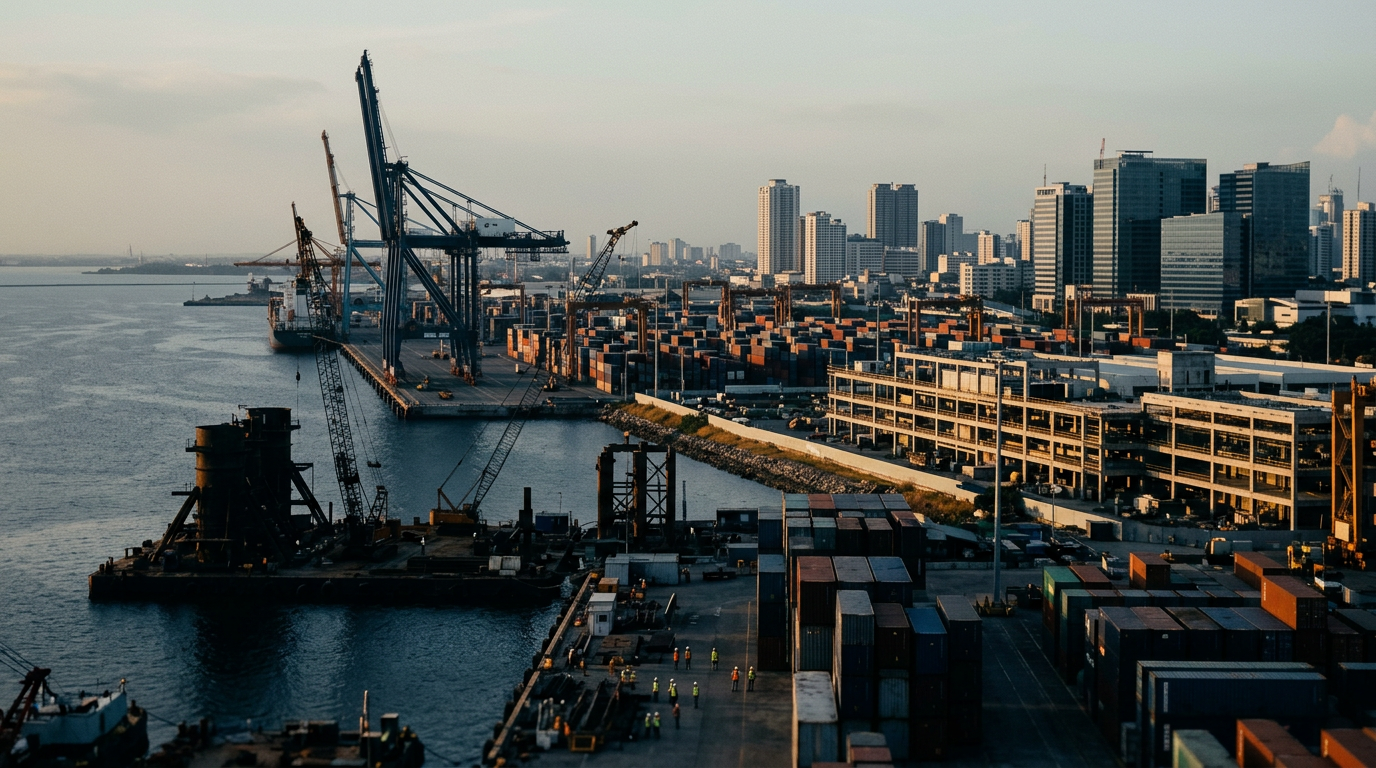
Philippine President Ferdinand Marcos Jr. recently declared the proposed Pax Silica Industrial Hub as a cornerstone of the nation's strategy to cultivate an economy driven by artificial intelligence. According to a report from philstar.com, the project is designed to generate employment and enhance the country's economic competitiveness. This initiative represents one of Southeast Asia's most direct efforts to build the physical foundation required for a modern digital economy, but its success will depend on more than construction.
The Foundation of Compute
At its core, artificial intelligence is a story about infrastructure. While public attention often focuses on software and models, AI systems depend on immense physical facilities, particularly data centers and the semiconductors within them. The Pax Silica project is a clear recognition of this reality. By aiming to create a hub for the technology and manufacturing that underpins AI, the Philippines is making a strategic investment in its digital future.
This move reflects a broader awakening across ASEAN. National AI strategies cannot be sustained while remaining entirely dependent on foreign-owned and operated infrastructure. Access to high-performance computing is a prerequisite for innovation and economic security. Without sovereign or trusted control over this foundational layer, a country's digital ambitions are subject to the priorities and constraints of external actors. Building this infrastructure is a capital-intensive, long-term commitment that is essential for genuine digital autonomy.
Beyond Silicon: Data and Identity
The physical hardware is only one piece of the puzzle. As explored in ASEAN Rising, true digital sovereignty is determined not just by processing power, but by who governs the data and digital identity systems that are woven into the fabric of the economy. The book argues that "sovereign AI in ASEAN will be tested not by model launches but by who controls the compute, the data layer and the digital identity rails that sit underneath everyday economic life."
The Pax Silica hub addresses the "compute" element, but its effectiveness will be tied to the development of the other two layers. A nation's data must be governed by robust legal and institutional frameworks that protect privacy and build trust. Likewise, secure and interoperable digital identity systems are the rails upon which a modern, efficient digital economy runs. The Philippines, like its neighbors, must build these institutional and trust frameworks in parallel with its physical infrastructure to ensure that the benefits of an AI-driven economy are broadly shared and secure.
Execution and Talent
A blueprint as ambitious as Pax Silica requires more than capital; it demands excellence in execution and a substantial pool of specialized talent. The construction of the hub is the first step. The next, and perhaps more difficult, phase will be attracting the right anchor tenants. This is a global competition for investment from hyperscale data center operators, semiconductor fabricators, and AI research firms. To succeed, the Philippines must offer regulatory clarity, political stability, and a compelling value proposition.
This value proposition rests heavily on human capital. The project will require a workforce of skilled engineers, data scientists, and technicians to build and operate the facilities. This necessitates sustained investment in the country's education system, from vocational schools to universities, to develop the required skills. Retaining this talent will be equally important, requiring a dynamic domestic technology ecosystem. The long-term impact of Pax Silica will therefore be a direct reflection of the country's capacity to execute a complex, multi-decade industrial strategy and cultivate its most valuable resource: its people.
What to watch
The trajectory of the Pax Silica project will be a key indicator of the Philippines' economic future and its position within the regional technology landscape. Observers should track the sources of foreign and domestic investment, the specific types of companies that choose to locate within the hub, and the development of supporting infrastructure, particularly renewable energy sources to meet the immense power demands. Just as important will be the government's progress in establishing the regulatory and educational frameworks needed to convert this massive infrastructure investment into sustainable job growth and real economic competitiveness.