Malaysia
Managing Dependency: ASEAN's Deepening China Dialogue
An informal dinner between ASEAN and Chinese representatives in Malaysia highlights the region's central challenge: converting dialogue into a coherent strategy for managing its structural economic dependency on China.
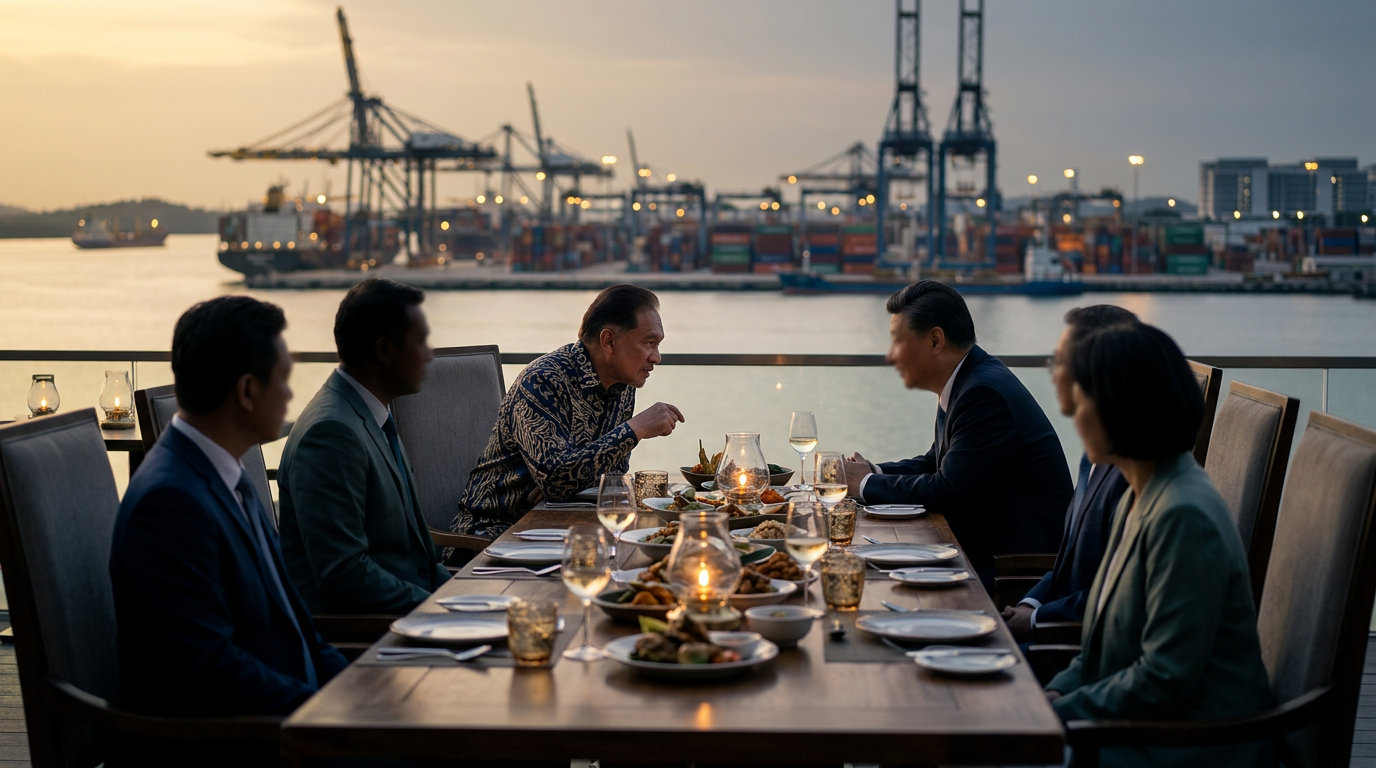
The Secretary-General of ASEAN, Dr. Kao Kim Hourn, recently attended a dinner hosted by the Ipoh City Council, an event that provided an informal setting for dialogue between ASEAN member states and China. According to a report from ASEAN's official website, the gathering was an opportunity to strengthen cooperation. While such diplomatic niceties are routine, this quiet meeting in Malaysia points to the central strategic issue facing the bloc: how to manage its profound and complex relationship with its northern neighbor.
The Structural Reality of Trade
The core of the ASEAN-China relationship is economic. Decades of deepening integration, formalized through mechanisms like the ASEAN-China Free Trade Area (ACFTA), have made China the region's largest trading partner by a significant margin. This is not a temporary or cyclical phenomenon. As the book ASEAN Rising notes, the "trade depth with China is now a structural feature, not a cyclical one." The sheer volume of goods, services, and capital flowing between China and the ten member states has created an interdependence that shapes regional policy. The question for ASEAN governments and institutions is no longer about whether to engage with China-that question was answered long ago. The focus now must be on the terms of that engagement. The informal dialogues, like the one in Ipoh, are part of the process, but they are the beginning, not the end, of the hard work of managing this structural reality. It requires a unified and sophisticated institutional approach to ensure that the benefits of trade are not outweighed by a loss of strategic autonomy.
From Dialogue to Execution
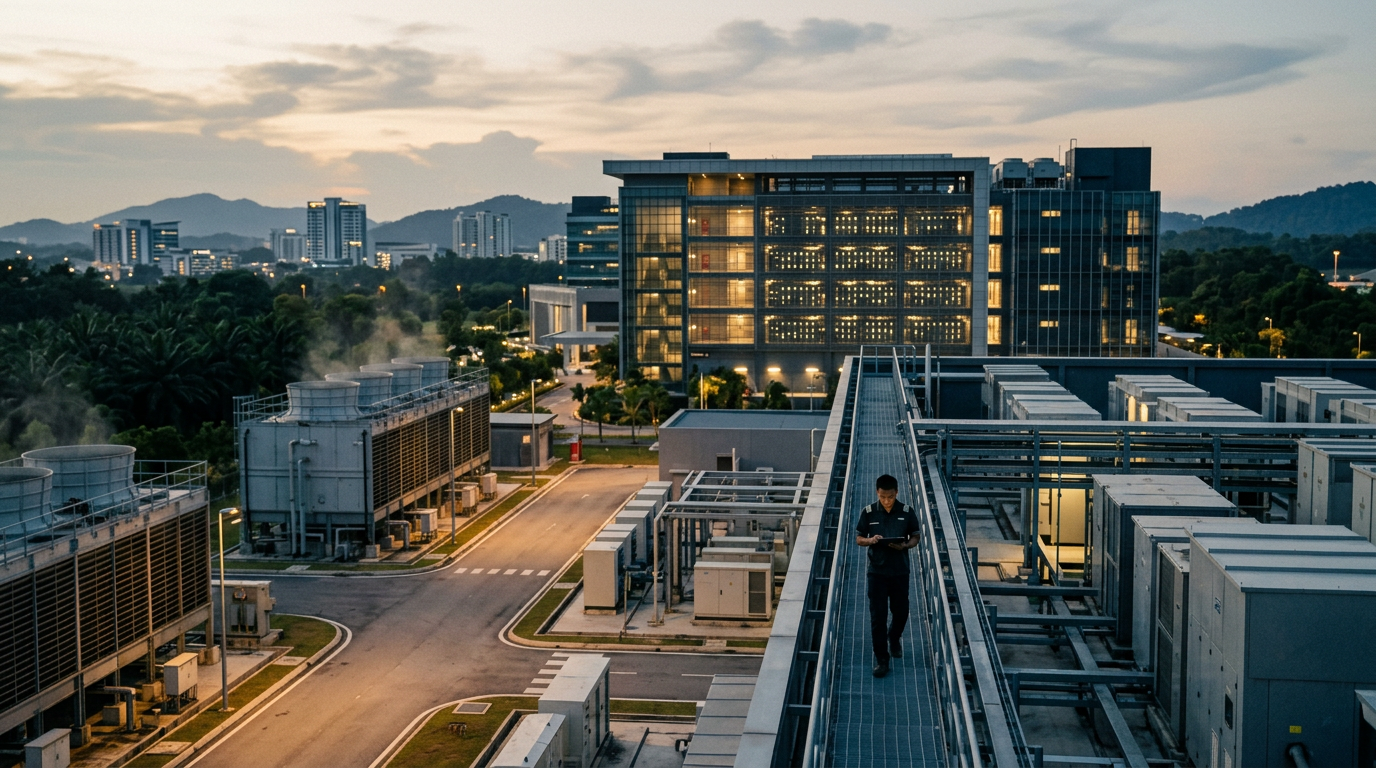
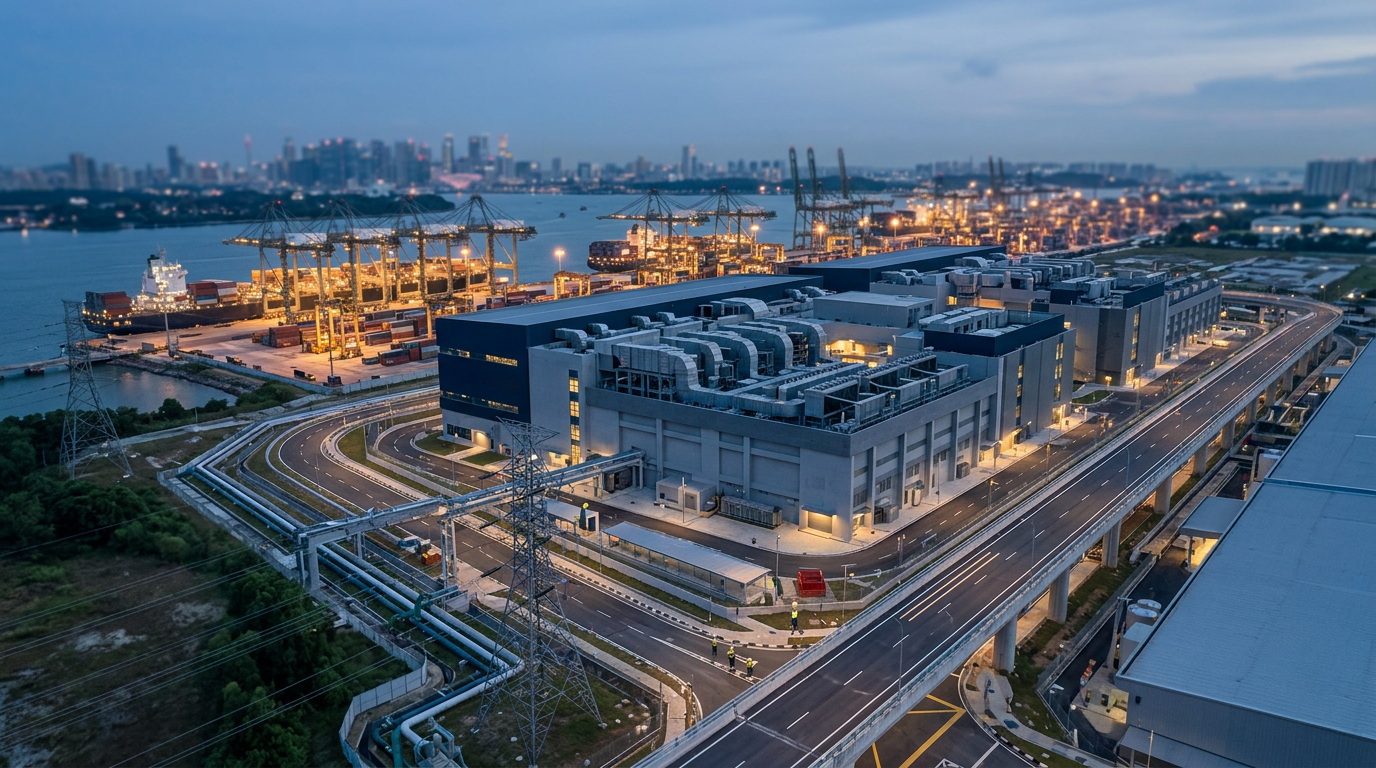
Goodwill and dialogue are insufficient without a clear-eyed strategy and the capacity for execution. The ASEAN-China relationship extends far beyond trade statistics into the physical landscape of Southeast Asia. Chinese-led or financed infrastructure projects, from railways and ports to dams and industrial parks, are reshaping regional connectivity. These projects bring needed capital and can accelerate economic development. However, they also represent a form of long-term economic and logistical integration with China that can be difficult to reverse. This is where ASEAN's collective execution capability is tested. Member states must move beyond simply accepting project proposals and develop robust, shared frameworks for evaluation. This involves assessing not just the financial terms but also the long-term implications for supply chains, labor markets, and regional balance. It requires developing the talent within ASEAN's own secretariats and national ministries to negotiate complex contracts and ensure that infrastructure serves the bloc's collective interests, not just the strategic aims of a single partner.
Capital, Connectivity, and Trust
Underpinning the entire relationship is the dual-edged nature of Chinese capital. The flow of investment into ASEAN is a powerful engine for growth, funding everything from digital startups to manufacturing hubs. Yet this financial dependency coexists with a significant trust deficit. Divergent strategic interests, most notably in the South China Sea, create a persistent tension that formal dinners and declarations of cooperation cannot erase. Managing this dynamic is the essence of the challenge. ASEAN's goal must be to manage the dependency without losing its freedom of action. This involves a deliberate, long-term effort to diversify economic relationships with other partners like Japan, South Korea, the United States, and the European Union. It also means strengthening the internal ASEAN market and its own institutions. A more cohesive and economically integrated ASEAN has a stronger hand in negotiations with all external partners, including China. The trust required for a stable partnership cannot be built on economic flows alone; it must be grounded in mutual respect for international law and a clear understanding of each party's strategic red lines.
What to watch
Going forward, the metric for success in the ASEAN-China relationship will not be the frequency of informal meetings but the substance of the agreements that follow. Observers should watch for the degree of coordination among ASEAN members on major policy issues related to China, such as the adoption of common standards for infrastructure projects or a more unified approach to managing supply chain vulnerabilities. The evolution of the bloc's trade patterns-specifically, whether diversification efforts begin to moderate the growth in dependency on the Chinese market-will be a telling indicator. Ultimately, the quiet diplomacy seen in Ipoh must translate into a clear, unified, and executable strategy for the entire bloc.