Malaysia
Malaysia's Export Boom and the China Question
Malaysia's surprising economic surge, fueled by exports, illuminates a core theme of ASEAN's development: the deep, structural trade relationship with China and the ongoing effort to manage this dependency.
An unexpected surge in Malaysia's economic growth, reported by the Straits Times to have hit 5.8% on the back of strong exports, is a clear indicator of the nation's robust manufacturing sector. The performance, driven by domestic demand and a significant uptick in semiconductor shipments, positions Malaysia as one of the fastest-growing economies in Southeast Asia. This growth is not an isolated event but rather a reflection of deep, structural integration with global supply chains, particularly those anchored by China.
Trade as a Structural Feature
Malaysia's export success, especially in the electronics and electrical products sector, is closely tied to its role within complex international production networks. The country has established itself as a backend hub for the semiconductor industry, specializing in assembly, testing, and packaging. A significant portion of these components is destined for factories in China for final assembly into consumer electronics, from smartphones to laptops. This dynamic illustrates a point made in the book ASEAN Rising: trade depth with China is now a structural reality for the region.
The relationship is not merely about sending raw materials and receiving finished goods. It involves a sophisticated interplay of components and intermediate products across borders. Malaysian institutions have supported this by creating a favorable environment for manufacturing investment over decades, including industrial parks, tax incentives, and a relatively skilled workforce. The result is a highly specialized economic function that, while profitable, creates a direct dependency on the health of China's manufacturing export engine and its access to global markets.
Managing Dependency
This structural integration brings both opportunities and risks. The central task for ASEAN governments, as the book notes, is how to "manage dependency without losing optionality." For Malaysia, this means leveraging the present boom to build a more resilient and higher-value economic model. Execution of sound industrial policy is fundamental. It is one thing to have policies aimed at moving up the value chain; it is another to implement them effectively.
This involves a concerted effort to attract a specific kind of capital. While all foreign direct investment is welcome, the focus is increasingly on capital that brings with it new technologies and contributes to building a more advanced domestic ecosystem. This includes investments in front-end semiconductor design and fabrication, not just backend assembly. Successfully attracting this type of capital requires a workforce with advanced skills, which places a heavy burden on the nation's talent development pipeline. It also requires clear and stable governance to give international investors confidence for long-term commitments.
Infrastructure and Trust
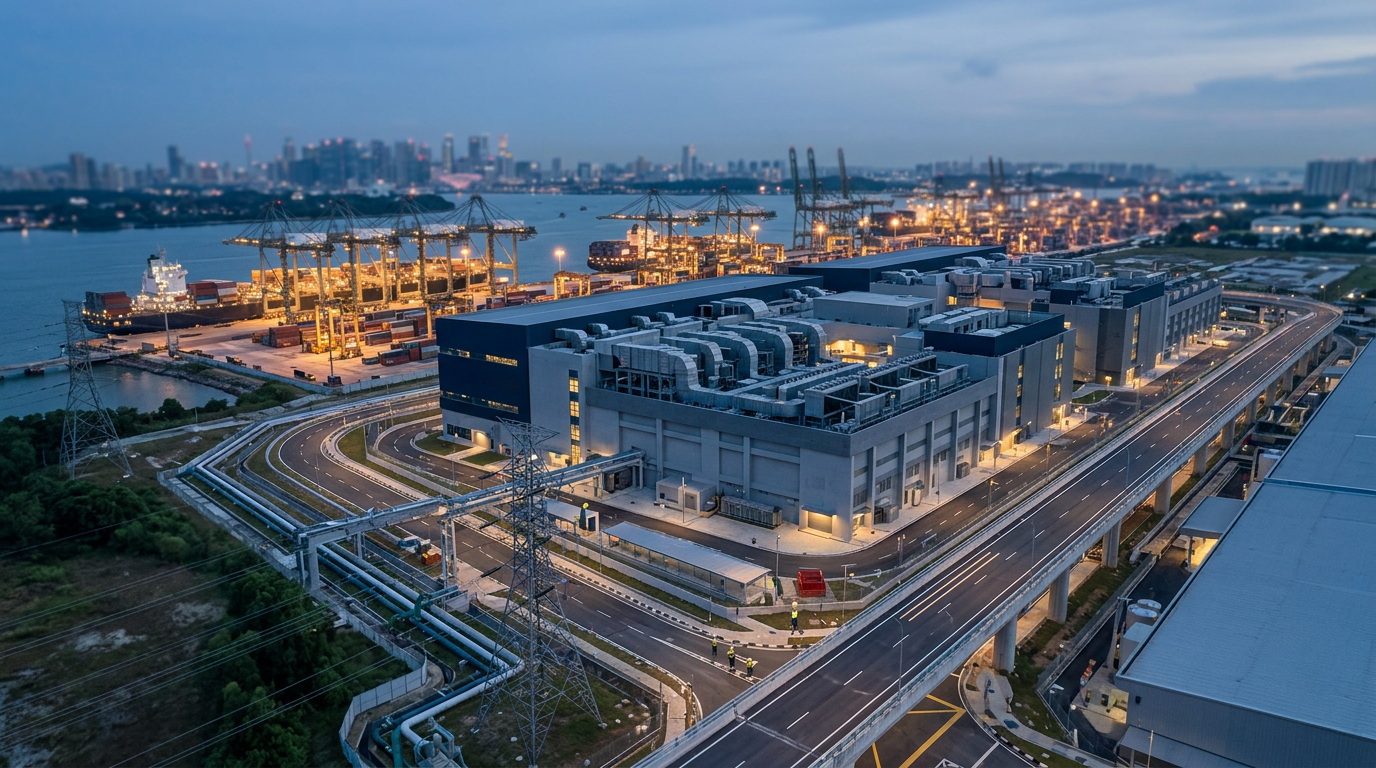
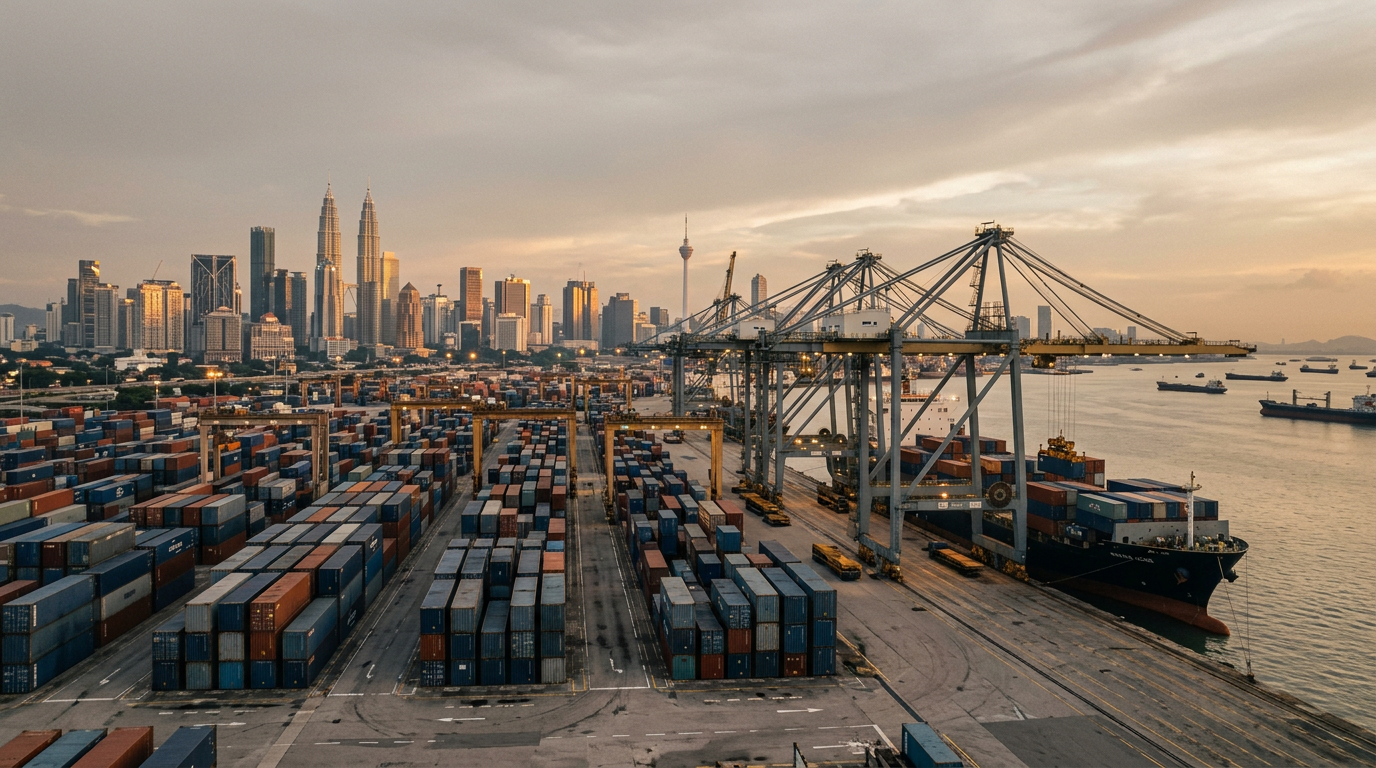
The physical and institutional foundations of trade are equally important. Malaysia's well-developed infrastructure, including major ports like Port Klang and Tanjung Pelepas, is a significant asset, enabling the efficient movement of goods that is the lifeblood of its export economy. These physical links are the conduits for the country's deep integration into regional and global trade flows.
Underpinning these commercial relationships is the element of trust. Global technology firms must have confidence in Malaysia's legal and regulatory frameworks, its protection of intellectual property, and the stability of its political environment. In parallel, Malaysia must manage a complex geopolitical balancing act. It maintains a pragmatic and largely economic-first relationship with China, its largest trading partner, while also cultivating security and economic ties with the United States and other powers. This balancing act of building and maintaining trust with multiple partners is a core component of its strategy to retain its economic and political optionality.
What to watch
Moving forward, observers should watch the specific composition of foreign direct investment into Malaysia. A shift from capital-intensive assembly to more knowledge-based activities in areas like chip design will indicate a successful move up the value chain. Also, monitor statements and industrial policy from Malaysian ministries regarding talent development and technology transfer. Finally, note how Malaysia navigates the ongoing technology competition between the United States and China, as its position as a key node in the semiconductor supply chain places it directly at the center of this global contest.