Malaysia
Execution, Not Announcements, Is the Foundation for ASEAN Infrastructure
As ASEAN and China deepen talks on construction and housing, the core task remains turning ambitious blueprints into tangible assets. The true measure of progress is not the promise of new infrastructure, but the institutional capacity to deliver it.
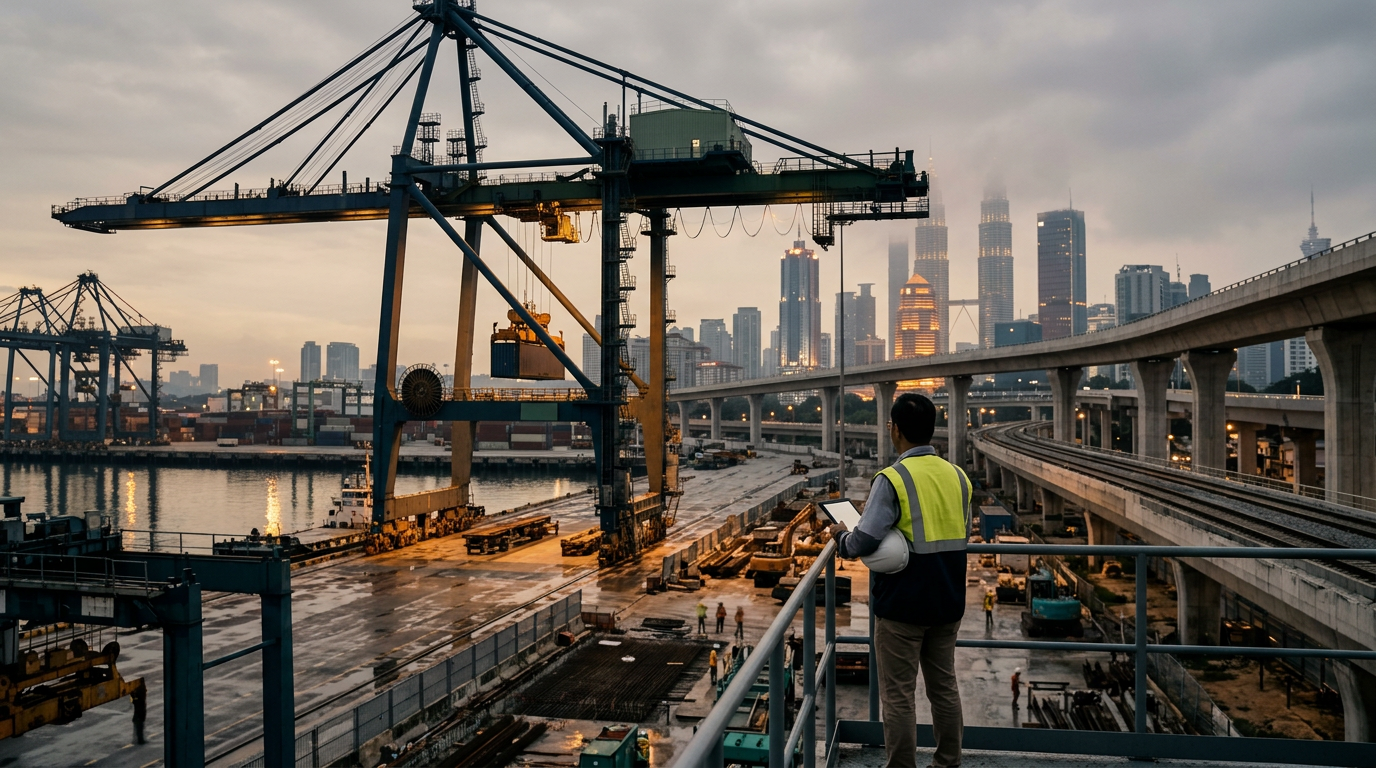
An ASEAN-China Ministerial Roundtable on Construction and Housing recently convened in Ipoh, Malaysia, where the Secretary-General of ASEAN delivered a message emphasizing stronger capacity building and city-to-city partnerships. As reported by asean.org, the event highlights a persistent theme in regional development: the immense need for modern infrastructure and the accompanying challenge of execution. While high-level meetings produce valuable dialogue, the focus on capacity and direct cooperation between cities points to the pragmatic work of turning plans into reality.
Institutions as Infrastructure
The conversation about infrastructure development is often dominated by discussions of capital and technology. However, the foundation for any successful project is the quality of the institutions that manage it. The call to strengthen capacity building speaks directly to this point. Effective state capacity is not about grand gestures; it is about the predictable, transparent, and reliable processes that govern everything from procurement to project management.
As the book ASEAN Rising argues, this reliability has become a distinct form of comparative advantage for nations seeking investment. A government that can ensure projects are approved, built, and maintained according to clear rules and timelines will attract more sustainable and higher-quality capital than one that only offers ambitious headlines. The emphasis on city-to-city partnerships is a practical approach to building this capacity from the ground up, allowing for focused cooperation on specific administrative and technical challenges.
The High Cost of Friction
The gap between a project's announcement and its completion is where trust is either built or eroded. Delays, cost overruns, and administrative blockages are forms of friction that have tangible economic consequences. They deter private investment, increase the burden on public finances, and postpone the economic benefits that new roads, ports, or housing are supposed to deliver. In this context, "Infrastructure that arrives on time signals more than infrastructure that is merely announced."
The focus on construction and housing is particularly relevant. These are sectors that directly affect the lives of citizens and the productivity of the urban economy. When a housing project is delayed, it is not an abstract line item on a budget but a direct constraint on a family's well-being and a worker's access to economic opportunity. Reducing administrative friction in these areas is a direct investment in social and economic stability.
Talent and Trust
Ultimately, capacity building is about developing talent and fostering trust. The successful execution of complex construction projects requires a deep pool of skilled engineers, project managers, and public administrators. The partnerships discussed at the roundtable offer a mechanism for sharing knowledge and developing the human resources needed to oversee a new generation of infrastructure. This builds a foundation of technical competence within the state apparatus.
This competence, in turn, builds trust. When institutions demonstrate they can execute projects effectively, they gain the confidence of both their citizens and international partners. The dialogue between ASEAN and China on construction standards and housing solutions should therefore be viewed not just as a diplomatic exercise, but as part of the long-term work of building a more usable and effective state. The goal is to create a system where the announcement of a new project is seen as a credible promise, not just a statement of intent.
What to watch
Observers should monitor the tangible outcomes of the proposed city-to-city partnerships. The key indicators of success will not be further communiques, but the emergence of joint training programs for municipal officials, the adoption of shared technical standards for construction, or the establishment of new financing mechanisms for urban development. The measure of progress will be the steady and predictable delivery of finished projects.