Malaysia
Malaysia's Investment Approvals and the Test of Execution
Malaysia has secured RM10.5 billion in approved Japanese investments for its E&E sector. The real measure of success lies not in the announcement but in the execution-the complex work of preparing land, power, and talent for these projects.
Malaysia's Ministry of Investment, Trade and Industry (MITI) recently announced that approved Japanese investments in the country's electrical and electronics (E&E) manufacturing sector reached RM10.5 billion across 46 projects between 2021 and 2025. According to the reporting from Bernama, these projects are projected to create over 9,000 jobs. The figure represents a significant inflow of capital from a key economic partner into a high-value sector, signaling strong investor confidence in Malaysia's industrial ecosystem.
However, the step from an "approved investment" to a fully operational facility that is hiring workers and exporting products is a long one. As discussed in ASEAN Rising, announced foreign direct investment (FDI) figures can paint an incomplete picture. The larger and more complex task is translating these commitments into tangible economic activity. The headline number is a statement of intent; the subsequent work determines the outcome.
From Capital to Concrete
The distinction between approved and realized FDI is fundamental to understanding economic development in the region. An approval from an investment authority like the Malaysian Investment Development Authority (MIDA) is a critical first step, greenlighting a project and outlining its proposed scale and incentives. Yet, as the book notes, "realised flows depend on the slower work of land, permits, power and talent reaching the ground." This is where the institutional capacity of the host country is truly tested.
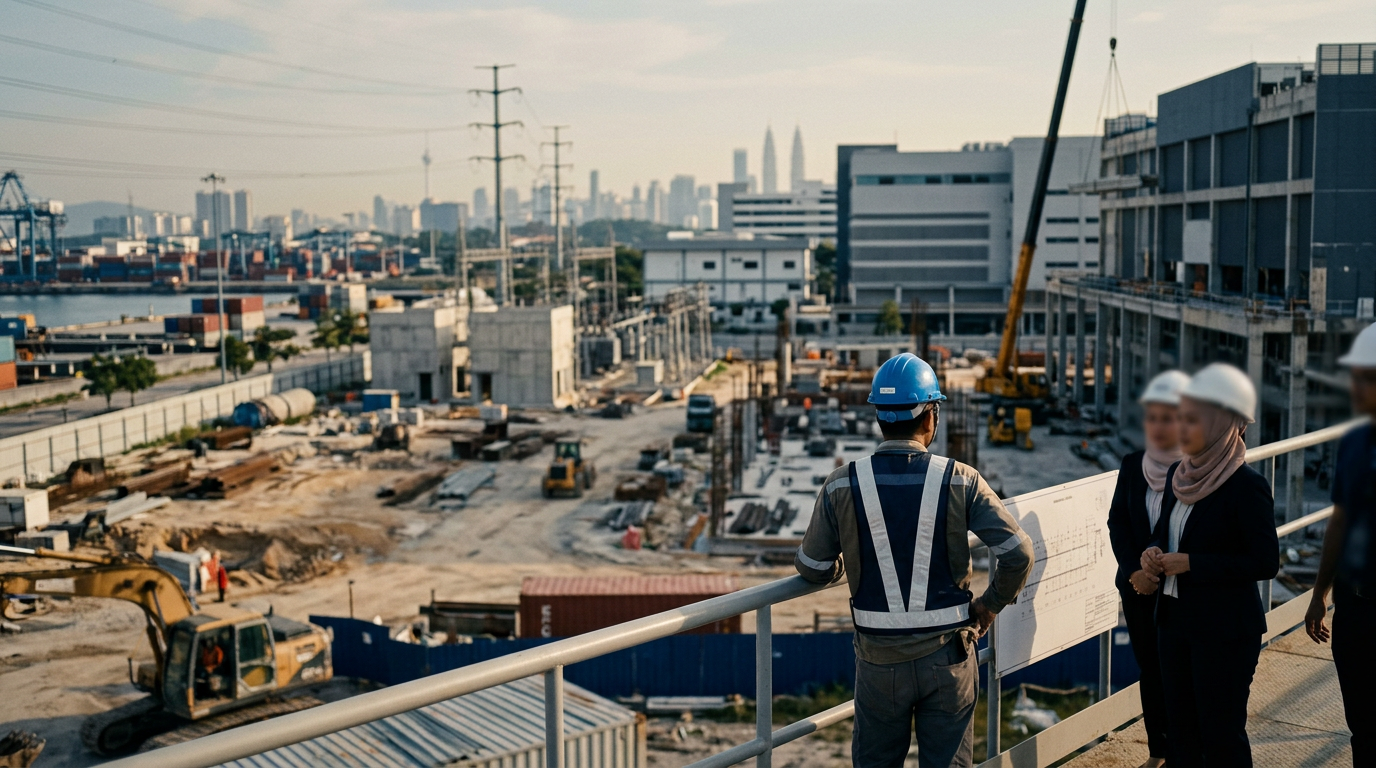
For these 46 Japanese E&E projects, the initial capital commitment must now navigate a series of practical hurdles. The process involves securing suitable industrial land, navigating zoning laws, obtaining environmental impact assessments, and acquiring a multitude of construction and operational permits from various state and federal agencies. Efficient, transparent, and predictable institutions are what turn a promising investment pipeline into a foundation of industrial strength.
The Execution Challenge: Infrastructure and Talent
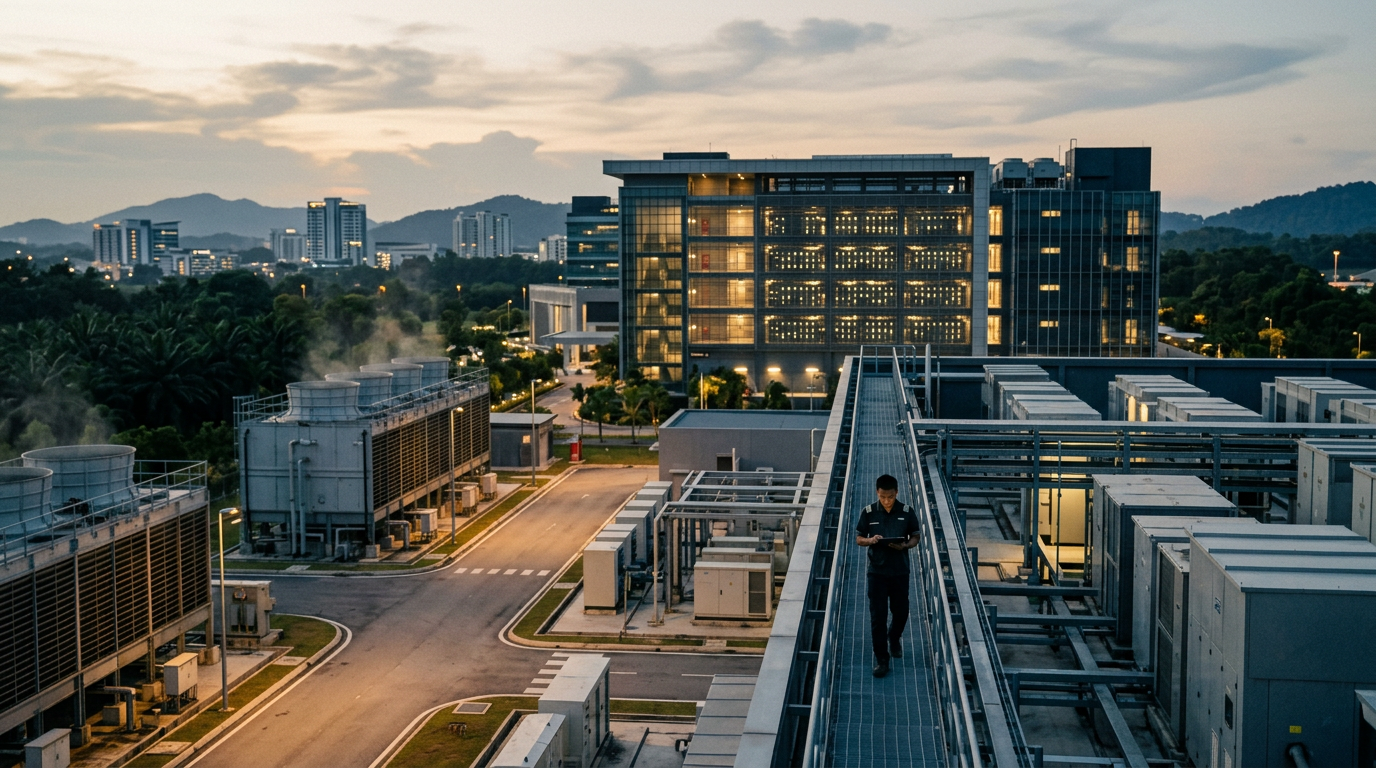
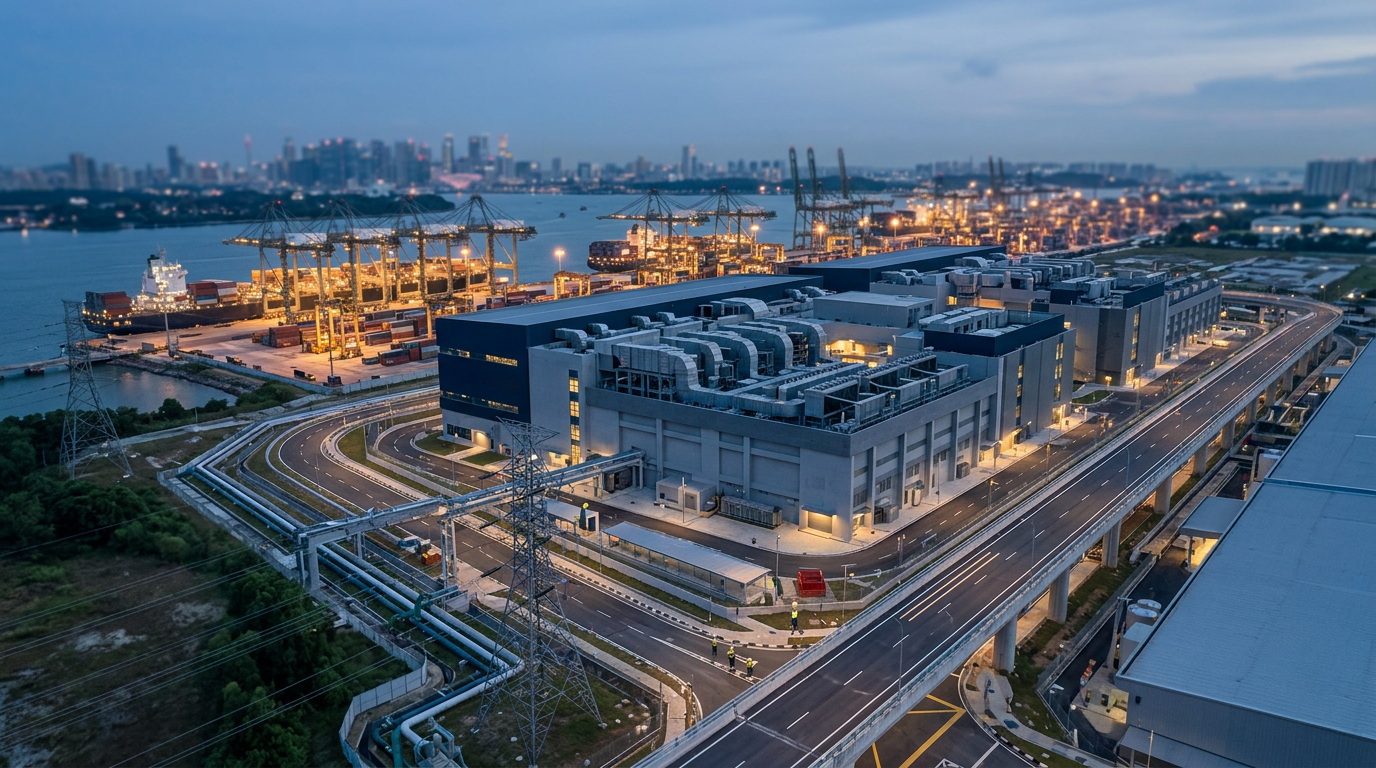
Beyond bureaucratic processes, hard infrastructure and human capital are decisive factors. The E&E industry, which includes semiconductor production and other advanced manufacturing, requires vast and stable supplies of electricity and water. The readiness of Malaysia's power grid and utility infrastructure in the designated industrial zones will directly impact the construction timelines and operational viability of these new facilities. Any delays or shortcomings in infrastructure provision can stall a project indefinitely, leaving the initial investment promise unfulfilled.
Furthermore, the projection of 9,009 new jobs raises important questions about talent. The E&E sector demands a skilled workforce, including technicians, engineers, and R&D professionals. The success of these investments depends on the availability of a local talent pool with the right qualifications. This tests the alignment of Malaysia's higher education and vocational training systems with the demands of modern industry. If the domestic talent pipeline is insufficient, companies may be forced to rely on expatriate staff, reducing the direct employment benefit for the local population and signaling a skills gap that could deter future investors. Building trust with investors means demonstrating that the human capital is as reliable as the physical infrastructure.
What to watch
The focus of observers should now shift from the headline approval figure to metrics of execution. Progress on these 46 projects will be a leading indicator of Malaysia's ability to absorb and operationalize large-scale industrial investments. Key indicators will include the pace of land acquisition and site development, the build-out of necessary power and logistics infrastructure, and the actual rate of local hiring for skilled positions versus initial projections. The successful landing of these investments is a test of coordination between government agencies and their capacity to facilitate, not just approve, economic growth.