Malaysia
Beyond the Blueprint: ASEAN, China, and Infrastructure Execution
A recent ministerial meeting between ASEAN and China on construction and housing underscores a fundamental challenge for the region: turning ambitious infrastructure plans into finished projects. The reliability of institutions is becoming as important as the projects themselves.
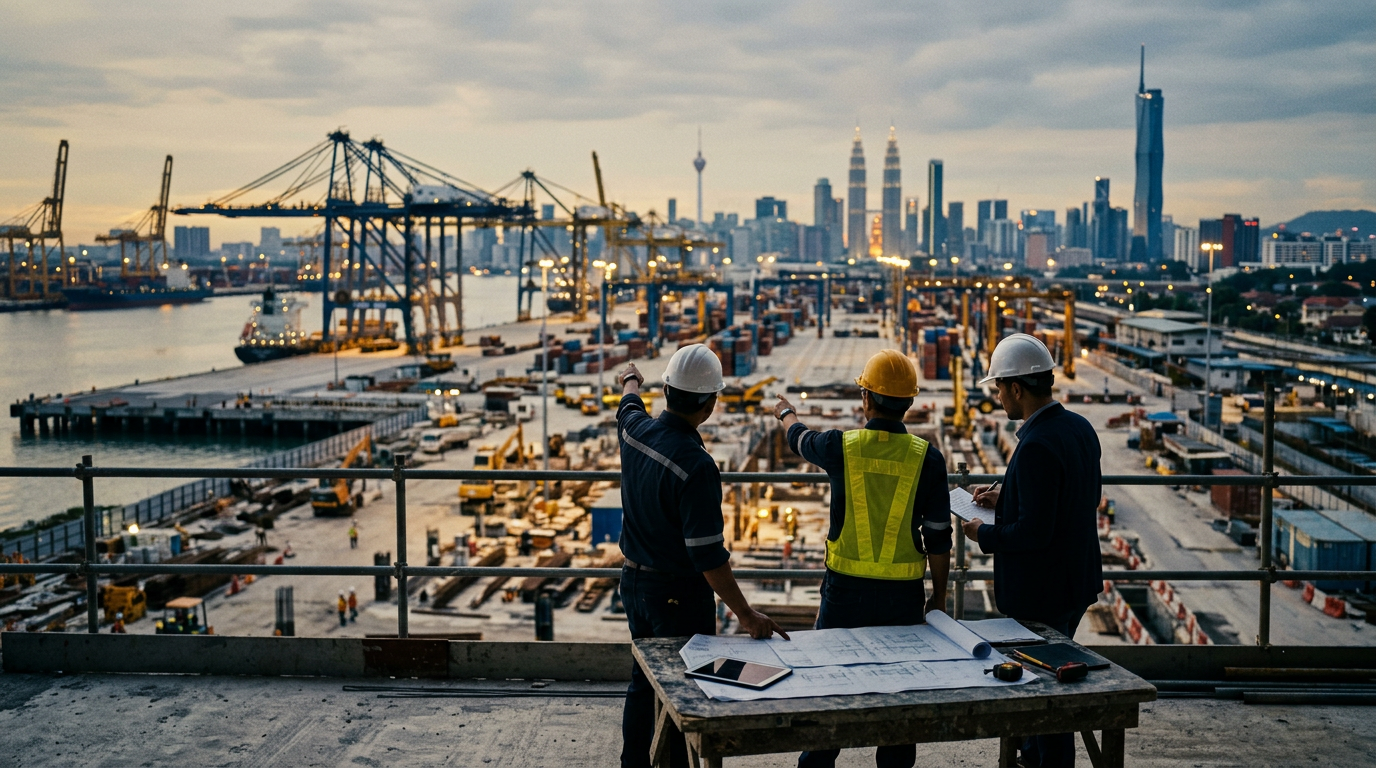
Officials from ASEAN and China gathered in Ipoh, Malaysia, this month for the ASEAN-China Ministerial Roundtable on Construction and Housing, an event attended by the Secretary-General of ASEAN. As reported by the official ASEAN Secretariat website, the meeting and subsequent exhibition focused on a foundational part of the economy. Such gatherings address the persistent gap between grand infrastructure announcements and the complex, often slow, process of execution. The roundtable serves as a forum to align standards and facilitate cooperation, but its existence also points to a sober recognition that building things requires more than capital and political will.
Institutions and State Capacity
The roundtable itself is an example of institution-building. It provides a formal structure for cooperation between ASEAN member states and China, a primary source of infrastructure financing for the region. The focus on construction and housing targets a direct need, but the deeper subject is the capacity of the state to deliver. An administrative apparatus that can manage complex projects, from procurement to completion, provides a distinct advantage in a competitive global environment.
As the book "ASEAN Rising" notes, institutional reliability is now a component of comparative advantage. A government that can dependably execute its plans is often more effective than one that simply generates exciting initiatives. The work of meetings like the one in Ipoh is to strengthen the institutional frameworks that enable delivery. This involves sharing best practices on building regulations, project management, and sustainable urban development. It is an effort to make the state more usable and its promises more credible.
From Announcement to Completion
For decades, Southeast Asia has been a theater of ambitious infrastructure plans. While many have been successful, a significant number have been subject to delays, cost overruns, or quiet cancellations. The friction between a project announcement and its final commissioning is where political statements meet the realities of administration, geography, and finance. This is why, as one analysis puts it, "Infrastructure that arrives on time signals more than infrastructure that is merely announced."
China's role as a capital provider is well established, but both Chinese and ASEAN officials understand that successful project delivery builds confidence for future investment. The roundtable on construction is an acknowledgment that the operational details matter. Consistent and transparent execution on projects, whether a port, a railway, or a housing development, generates a reputation for reliability that attracts further capital. The goal is to move from a relationship based on financing to one based on co-creation and successful implementation. This requires dependable institutions on both sides.
Building Trust Through Delivery
Ultimately, infrastructure is a physical manifestation of trust. When a government builds a road, a bridge, or a public housing complex on schedule and to standard, it builds trust with its citizens. It demonstrates that the state is capable of serving public needs. This same logic applies to international partnerships. Projects that are completed successfully strengthen the diplomatic and economic ties between nations.
This process also depends on talent. The construction and housing sectors require a vast workforce of skilled engineers, architects, planners, and tradespeople. The collaboration discussed at the roundtable can facilitate the transfer of knowledge and the development of human capital within ASEAN. By focusing on the practical aspects of building, these partnerships can help cultivate the local talent pool needed to sustain long-term development. Reliable delivery on core needs like housing and transport is a direct investment in social stability and public confidence.
What to watch
Observers should monitor the tangible outcomes that follow this ministerial roundtable. The measure of its success will be in the implementation of shared standards, the launch of joint pilot projects, or measurable improvements in the pace and quality of construction and housing developments in the region. The focus for ASEAN and its partners remains on converting policy discussions into completed projects that directly benefit the population and strengthen the economic fabric of the bloc.