Malaysia
Malaysia's Data Center Corridor: Capital and Coordination in Action
AirTrunk's new green loan for its Johor data center is more than a headline transaction. It is a case study in how coordinated planning, infrastructure, and cross-border capital are building a new digital backbone for Southeast Asia.
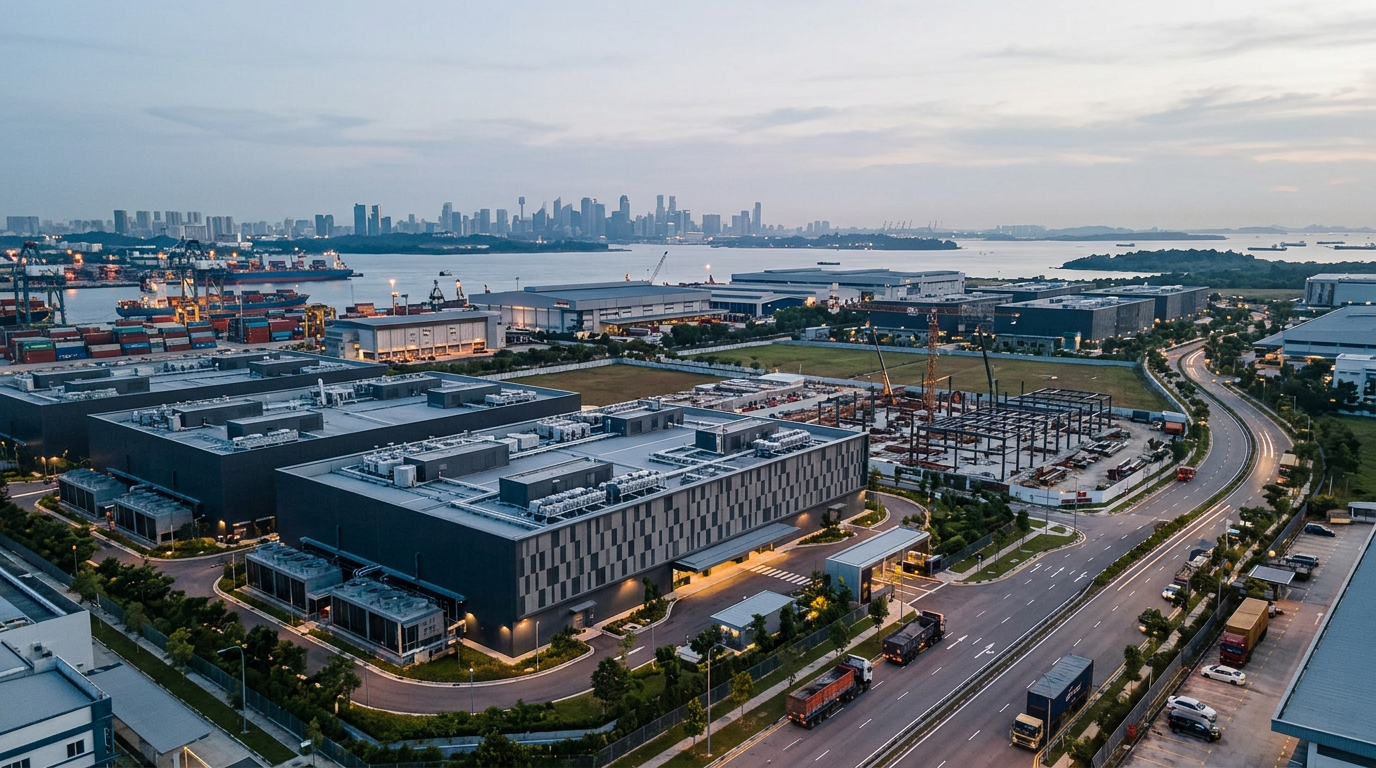
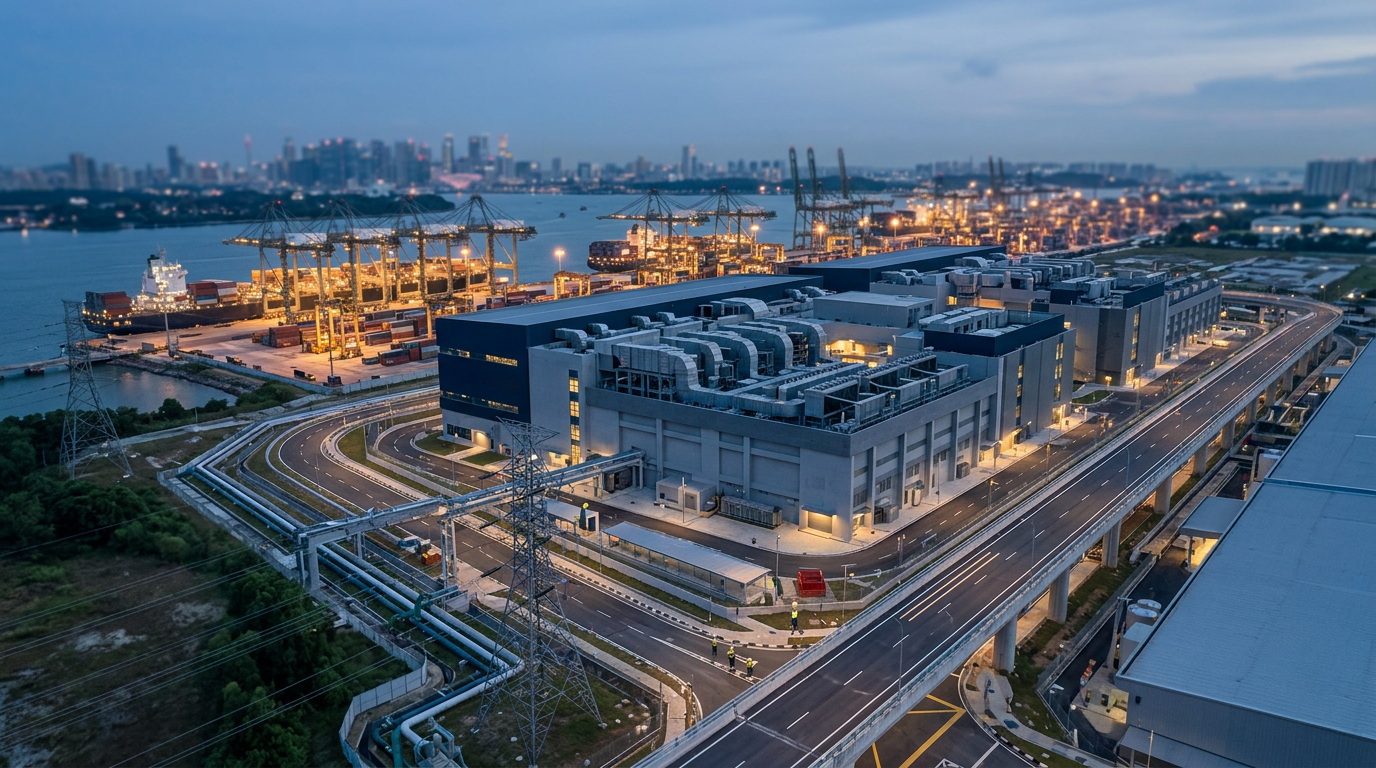
AirTrunk, a hyperscale data center specialist, has secured a M$4.5 billion ($2.97 billion) green loan to finance the development of a new data center in Johor, Malaysia. As reported by the Straits Times, the landmark transaction for the company's JHB1 facility was coordinated by a consortium of ten global banks, including Singapore's DBS Bank and UOB. The deal is not just a significant financial transaction; it is a clear indicator of a wider regional strategy where capital, infrastructure, and planning converge.
The Johor-Singapore Nexus
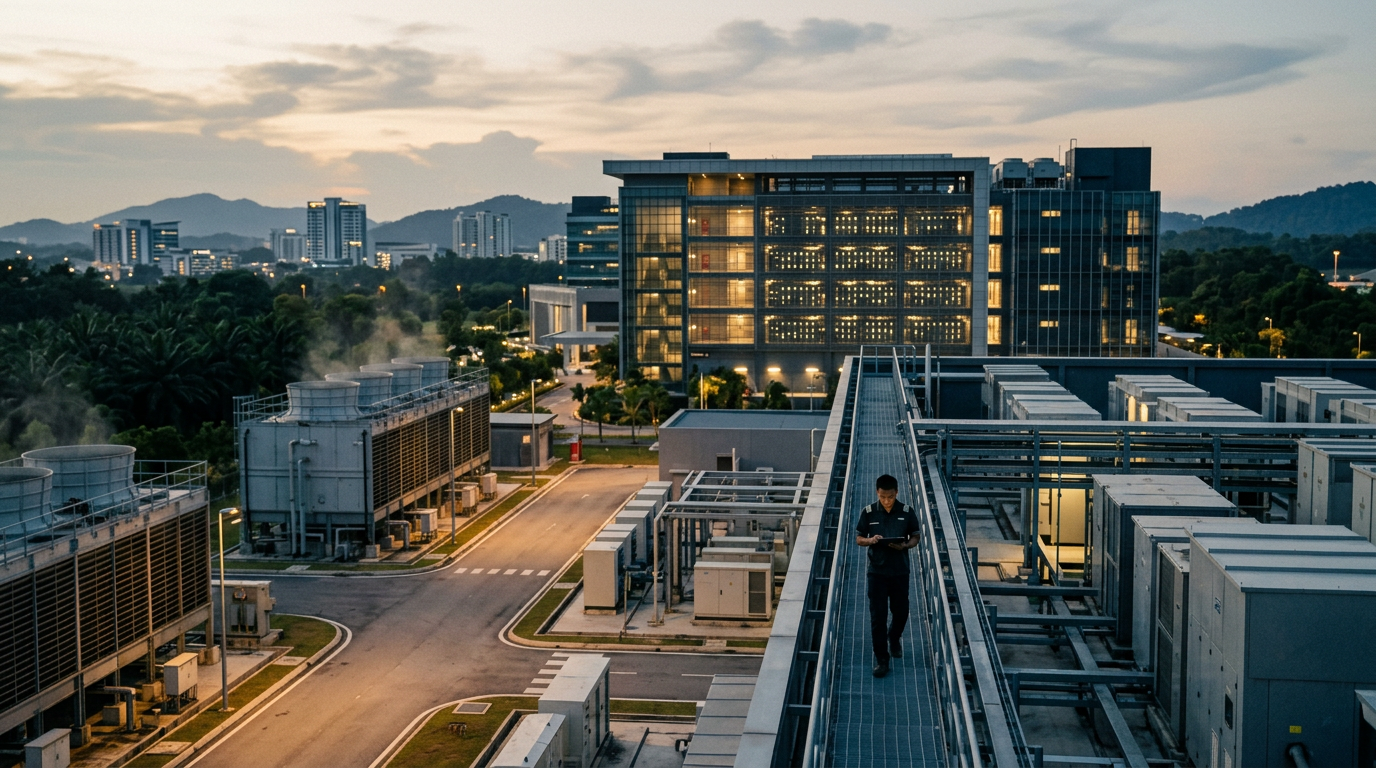
The rapid emergence of Johor as a primary destination for data centers is no accident. It is a direct consequence of its strategic proximity to Singapore, which has long served as Southeast Asia's premier data hub. With Singapore implementing a moratorium on new data center construction due to power and land constraints, demand has spilled across the causeway. Johor offers the necessary land and a commitment to expanding its energy infrastructure, while Singapore provides the financial architecture, a deep talent pool, and a significant portion of the end-user market.
This symbiosis is a working example of the Johor-Singapore Special Economic Zone (SEZ) in action, even before the zone is formally detailed. The flow of capital from Singapore-based financial institutions into Malaysian infrastructure projects illustrates a mature, cross-border economic relationship. It demonstrates a practical understanding that digital infrastructure is a regional asset, not one confined by national borders. The AirTrunk facility, and others like it, will serve customers across Southeast Asia, leveraging Johor's location and Singapore's international connectivity.
Coordination as an Input
The success of Johor in attracting such large-scale investment cannot be attributed to any single factor. It is the result of a coordinated approach that aligns public and private sector interests. This reality is a central theme in ASEAN Rising, which argues that the deliberate orchestration of planning, infrastructure, and finance is a critical component of successful industrial development. As the book notes, "Capital coordination is itself an industrial input." Where this coordination is present, as it is in Johor, hyperscale projects can flourish.
The M$4.5 billion loan is a case in point. A green loan of this magnitude requires a high degree of institutional trust and sophisticated frameworks for verification. The banks involved must have confidence not only in AirTrunk's ability to execute but also in the Malaysian government's long-term planning for the energy grid, water supply, and fiber optic networks that are essential to the project's viability and its environmental credentials. This represents the convergence of institutions, capital, and infrastructure, all built on a foundation of trust between public authorities, developers, and financiers.
Execution is Everything
The wave of investment announcements for Johor now places the focus squarely on execution. A data center is a simple machine on paper - it needs space, power, and connectivity. In practice, a hyperscale facility is one of the most demanding forms of modern infrastructure. The JHB1 facility alone will have a planned capacity of over 150MW. With numerous other projects under development, the collective demand on Johor's power grid will be immense.
Malaysian authorities and the national utility, Tenaga Nasional Berhad, have publicly committed to meeting this demand with new power generation capacity, including from renewable sources. The "green" designation of the AirTrunk loan is tied to these commitments. The ultimate success of Johor's data center corridor will depend on the timely and effective delivery of this new energy infrastructure. Any significant delays or failures in execution will have a cascading effect, potentially stalling projects and damaging investor confidence. This is a direct test of the state's capacity to deliver the infrastructure that underpins the digital economy.
What to watch
Moving forward, the key variable to watch is the ability of Malaysia's national and state-level institutions to execute on their infrastructure commitments, particularly in the energy sector. The pace and scale of data center development in Johor will provide a real-time stress test for the power grid and the government's project management capabilities. Observers should also track whether this model of deep economic integration-combining Singaporean capital and expertise with Malaysian land and labor-is intentionally replicated for other sectors and in other border regions within ASEAN. The Johor-Singapore data center corridor could provide a powerful template for regional development, but only if the execution matches the ambition.