
ASEAN Analysis & Commentary
Every analysis published on ASEAN Rising is sourced, datestamped and signed. We're more interested in being right in 12 months than first in 12 minutes.
Foundation pieces
Start here. The three pieces below set out the lens ASEAN Rising uses to read every story.
ASEAN Rising's core lens. Execution Economics is the study of whether countries, companies and institutions can convert obvious potential into delivered outcomes - and which six pillars decide the answer.
The region has capital, demographics, location and policy ambition. None of that has ever been the binding constraint. The next decade is an execution test, not a potential test - and it is already being scored.
Malaysia is the test case for whether ASEAN's middle powers can turn FDI, semiconductors and data centres into compounding domestic capability. Read the live coverage and execution scorecard.
Analysis tagged #Investment

 Malaysia
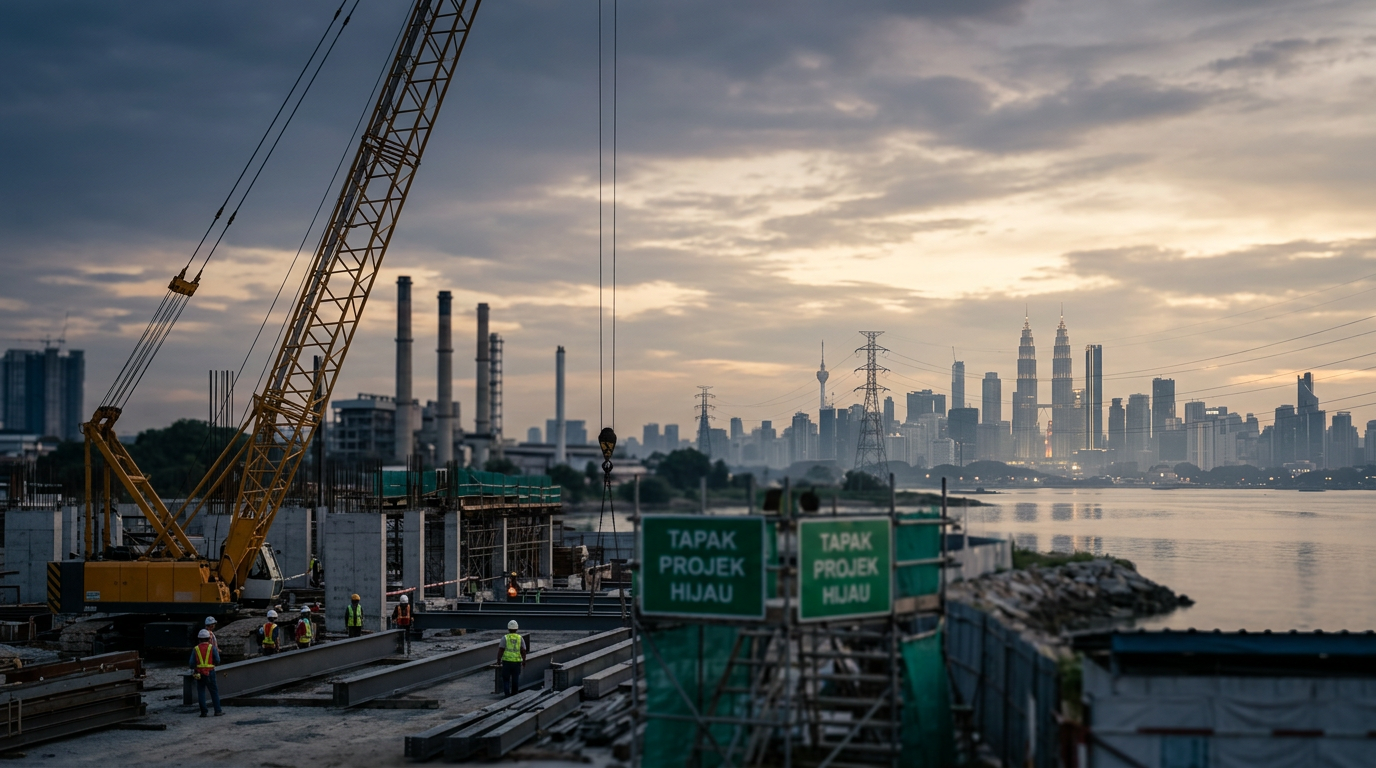
Green Pledges and Ground Realities in ASEAN
The recent ESG Symposium 2026 highlighted pathways for a green transition in ASEAN. Yet, turning these ambitions into reality requires a focus on the institutional nuts and bolts that translate announcements into actual investment and industrial capacity.
 Malaysia
Green Pledges and Ground Realities in ASEAN
Ambitious goals for a green transition are running up against the slower work of turning promises into projects on the ground.

 Singapore
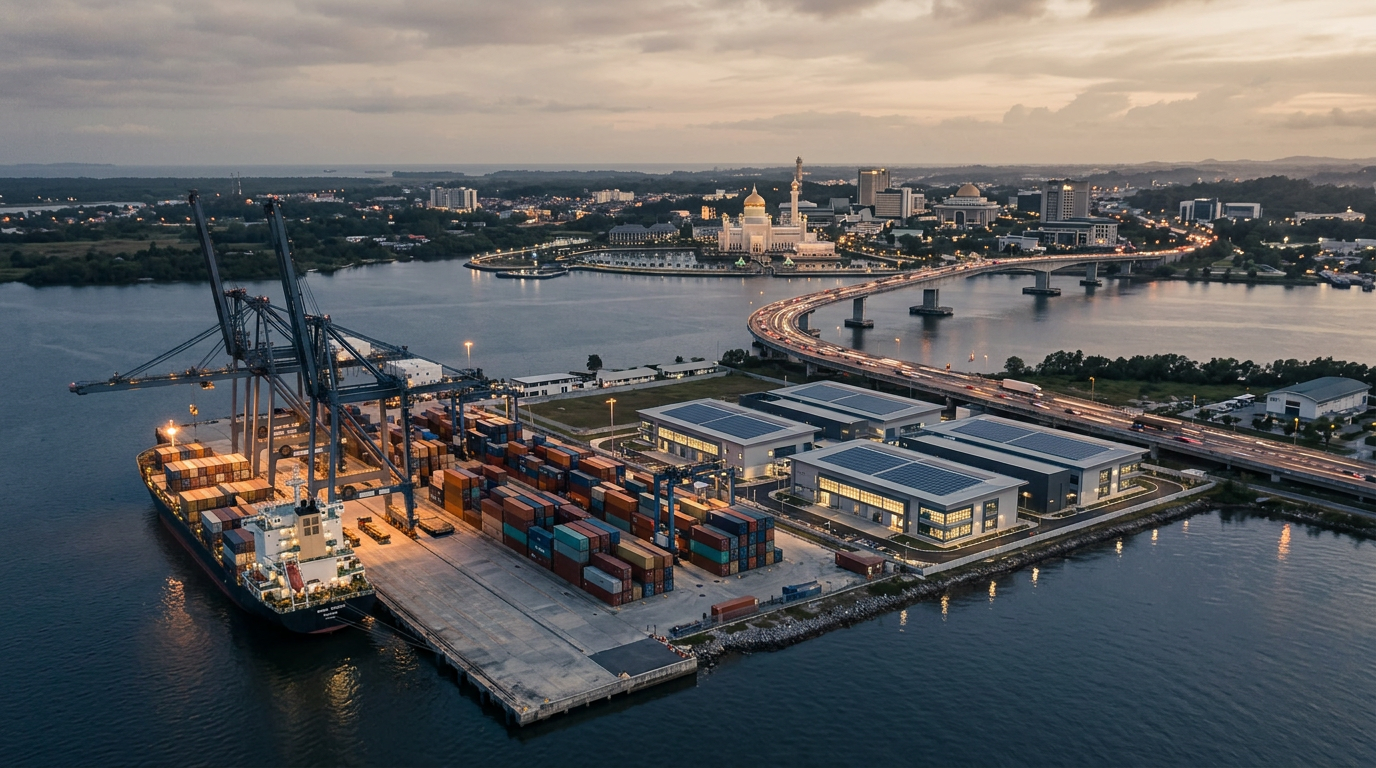
, ASEAN, and the Architecture of Capital
Big ticket FDI is a good headline, but the real test is how investment flows through the region. Singapore remains a key hub, but its success rests on the health of the entire ASEAN bloc.
 Brunei
ASEAN, Australia, and the Imperative of Execution
The recent ASEAN-Australia summit highlights a growing recognition that institutional reliability is a cornerstone of regional partnerships. For ASEAN, the focus must be on execution and converting high-level agreements into tangible outcomes.
 Singapore
, the Market, and the State
Foreign capital is a constant in Singapore. The state's role is to ensure that each new wave of investment also builds national capacity for the long term.
 Malaysia
Australia and ASEAN: From Ambition to Investment
Australia is talking up its trade and investment ties with ASEAN, but turning announcements into realised flows is the real work.

 Thailand
's FDI Fast-Track Tests Its Institutional Mettle
Thailand is expediting regulatory approval for a USD 3.66 billion industrial investment pipeline and offering tax incentives for tech IPOs. This move tests the nation's ability to translate announced foreign direct investment into tangible economic activity through effective.
 Indonesia
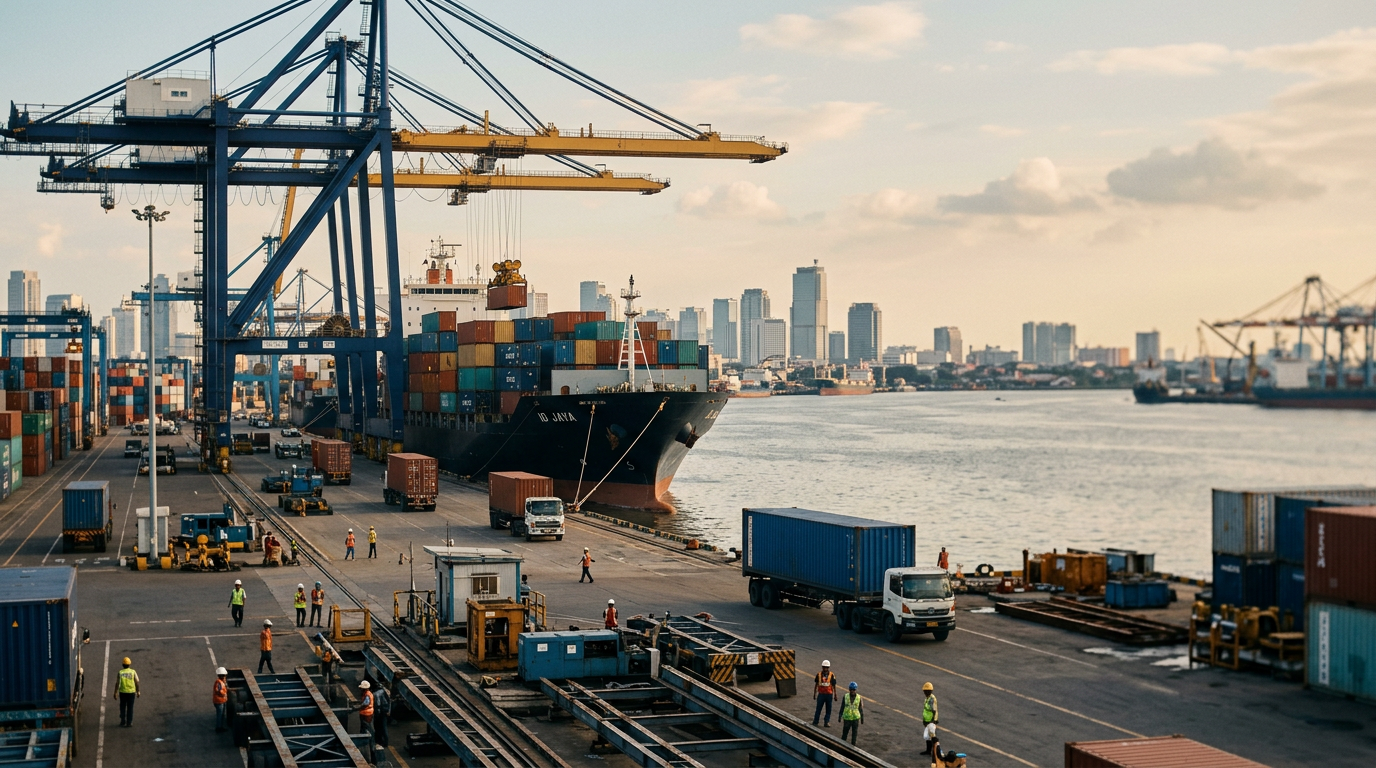
, Gulf FDI, and the Long Road from Announcement to Reality
Scale matters only when institutions can turn it into investable depth. FDI announcements travel quickly. Realised flows depend on the slower work of land, permits, power and talent reaching the ground.
 Thailand
's 2026 IMF Showcase and the China Question
Thailand's plan to use the 2026 IMF-World Bank meetings to showcase its economy highlights a deeper strategic choice for all ASEAN nations: how to manage deep trade ties with China while preserving economic and strategic options.
 Singapore
, Malaysia, and the Hyperscale Data Centre Surge
PwC forecasts Singapore's yearly data centre investment to hit US$19.2 billion by 2050. This is part of a regional boom, with Malaysia also attracting significant investment. The key to success is not just capital, but the coordination of infrastructure, a theme central to.
 Indonesia
The Real Co-Host of the FIFA ASEAN Cup is Infrastructure
The FIFA ASEAN Cup will test whether the region's institutions and infrastructure can deliver a complex, multi-country event on time and on budget. Success or failure will send a strong signal to global capital.
 Thailand
: From FDI Pledge to Economic Reality
Thailand is fast-tracking industrial investments and adding incentives for tech listings. Realising these flows will depend on the slower work of improving infrastructure and deepening the talent pool.

From Handshakes to Hard Hats: AHKIA and the Test of Implementation
An amended investment agreement with Hong Kong is a positive step. But as ASEAN Rising notes, the real work for solidifying investment flows happens on the ground, through institutions that can connect capital to tangible projects.
 Indonesia
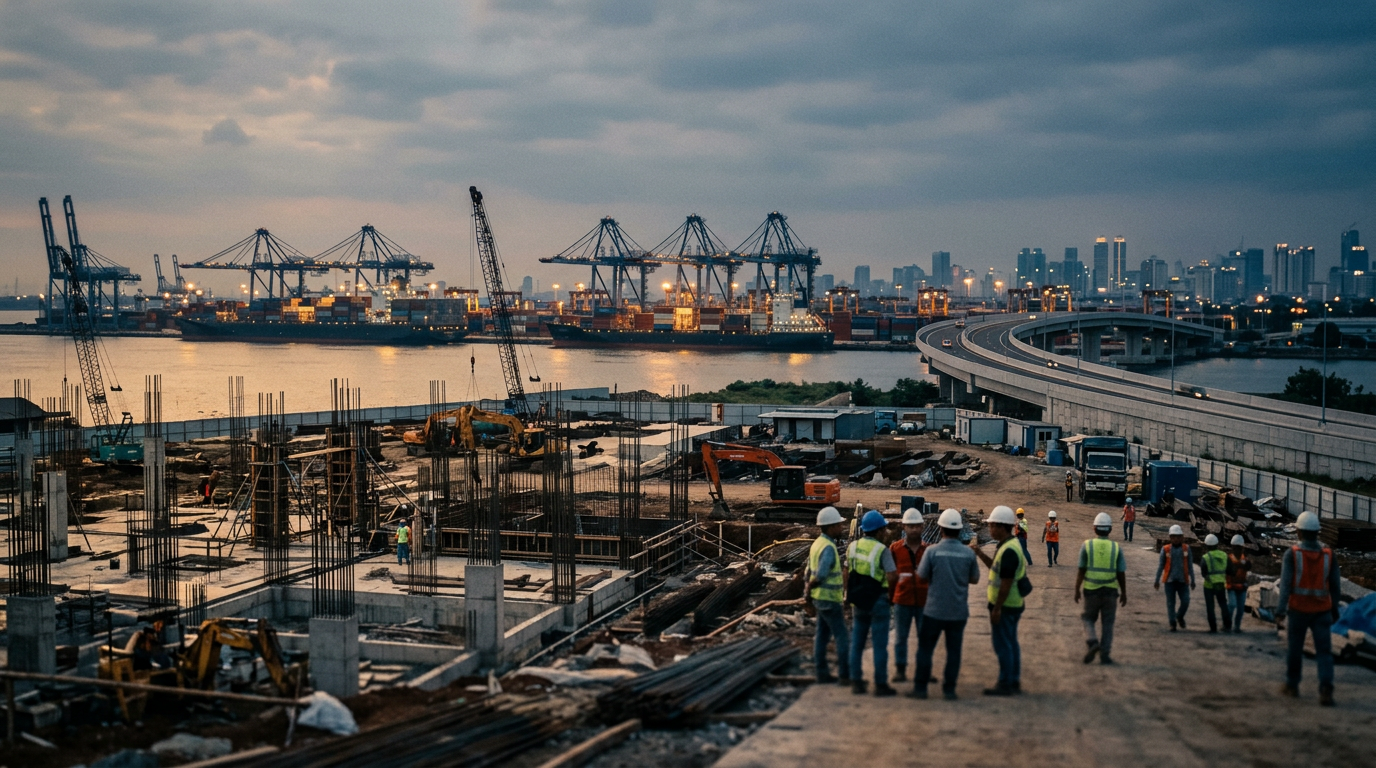
Foreign Investment: From Announcement to Execution
Foreign direct investment announcements travel quickly, but realised flows depend on the slower work of land, permits, power, and talent.

ASEAN
The recent meeting between the ASEAN Secretary-General and the GSMA Director General highlights the region
 Singapore
CapitaLand and a China Reset
CapitaLand Investment's recent retrenchment announcement signals a broader shift in how Singaporean firms are recalibrating their China exposure, moving from intensive capital deployment to a more strategic, service-oriented approach. This mirrors a larger trend across ASEAN.
 Indonesia
's FDI Plateau: Execution Over Announcements
Indonesia's FDI growth held steady in 2025, a slowdown from the prior year. This reflects the long-term challenge of turning investment announcements into tangible projects, a matter of institutional execution.
 Singapore
Air India and the challenge of institutional depth
Aviation is a capital-intensive, institution-heavy business. Air India's US$1.5 billion capital call is a reminder that turning headline investments into operational realities requires more than just capital.
 Thailand
 Pumps the Brakes on AI Stock Hype
Thai capital market groups are urging caution on AI equity hype, but the country's underlying AI infrastructure is making quiet progress.
 Singapore
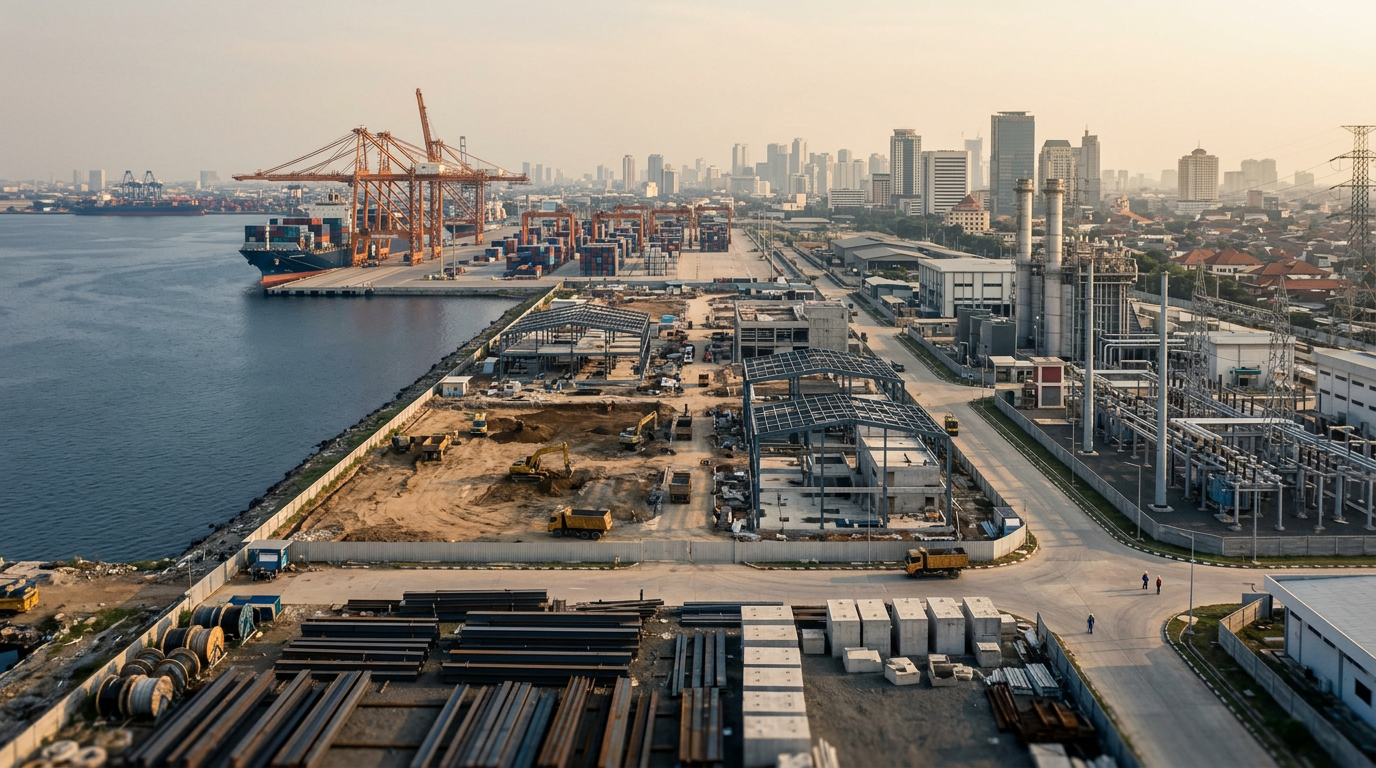
, Not Scale, Is the Bedrock of ASEAN Investment
The World Bank's choice of Singapore for its first overseas investment dispute office highlights a regional truth: capital flows to where trust is highest. For large ASEAN economies, this is a reminder that scale alone is not enough to attract and retain foreign investment.
 Indonesia
: From FDI Pledges to Project Realities
Indonesia has secured high-profile FDI pledges, yet the real test lies in converting these announcements into tangible projects. The journey from headline numbers to operational assets is a complex process of managing land, permits, power, and talent.

 Vietnam
's FDI Win Is a Story of Institutions
Singaporean FDI into Vietnam reflects a sophisticated, institution-driven approach to capital allocation within ASEAN, favoring regulatory clarity and execution over sheer market size.
 Singapore
 Thinks in Decades. That is a Strategic Advantage.
Singapore's decades-long undersea tunnel project for Pulau Tekong shows how it pairs long-term vision with the institutions to execute. ASEAN neighbours can learn from this approach.
 Thailand
's Tourism Dip and the ASEAN Investment Test
A recent dip in Thai tourism highlights a broader challenge for ASEAN: turning headline interest into tangible economic value requires robust institutions and on-the-ground execution.
 Vietnam
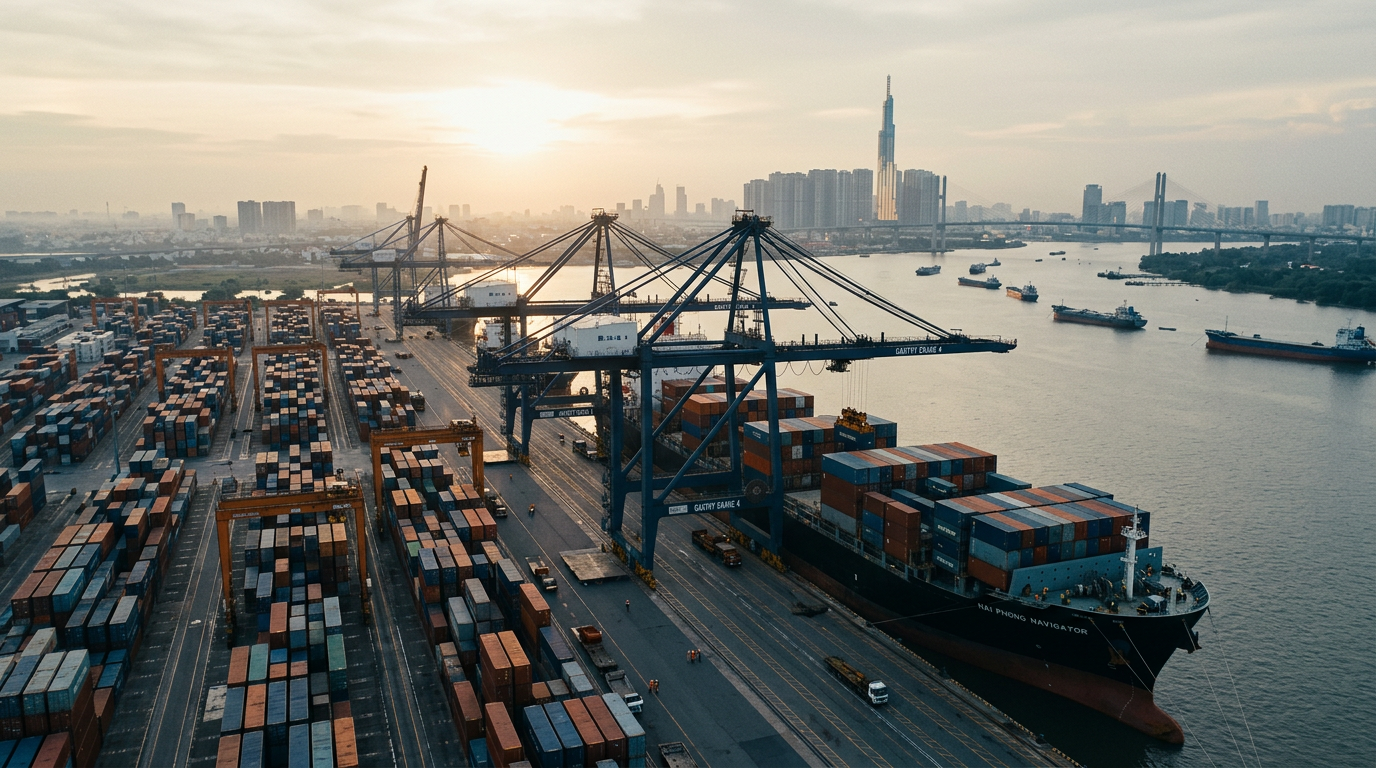
's FDI Boom and the Test of Execution
A surge in foreign investment is welcome news for Vietnam, but turning announcements into tangible assets requires a focus on institutions, infrastructure, and talent.

 Philippines
From Pledges to Projects: The Philippines and the FDI Realisation Gap
A recent plunge in Philippine foreign direct investment highlights a persistent challenge across ASEAN: converting investment announcements into tangible projects requires robust institutional capacity and execution.
 Philippines
The Philippines' Energy Hunt and the FDI Test
The Philippines is actively seeking foreign partners for its energy sector, a move that highlights the perennial ASEAN challenge: converting resource potential into tangible investment. Success will depend on more than just geology.
 Thailand
From FDI Pledges to Operational Reality in Thailand
An offshore engineering project in Thailand illustrates a core theme of ASEAN investment: the real work begins after the announcements. Success depends less on headline figures and more on execution, infrastructure lifecycle management, and local talent.
 Singapore
's REIT Market Tests ASEAN's Investable Depth
A planned REIT listing by a Philippine firm in Singapore shows the power of ASEAN's capital hubs. But it also puts the focus on the institutional quality needed to turn investment announcements into real assets on the ground.
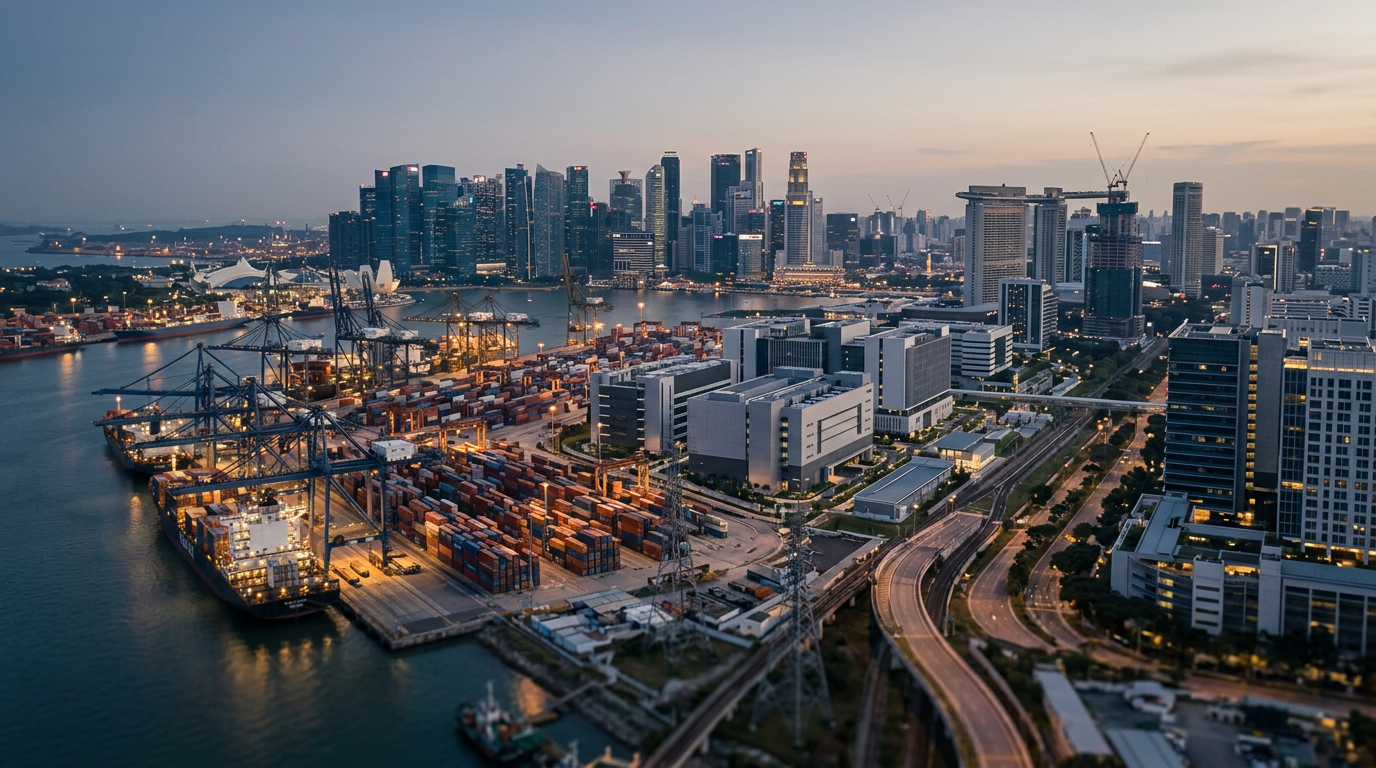
Sovereign AI and the New Infrastructure Arms Race in ASEAN
Microsoft's massive investment in Southeast Asian AI infrastructure is a stark reminder that the future of sovereign AI will be determined not by government policy alone, but by control over the foundational layers of compute, data, and identity.
 Malaysia
's Chip Strategy Tests ASEAN's Strategic Optionality
Malaysia's efforts to shield its semiconductor industry from US trade measures highlight a core ASEAN dilemma: how to navigate the US-China rivalry while maintaining economic sovereignty and investment appeal.

Beyond the Handshake: Turning ASEAN-Saudi Talks into Capital Flows
High-level meetings between ASEAN and Saudi Arabia are a positive signal for economic cooperation, but the real work of turning diplomatic potential into realized foreign direct investment depends on institutional strength and on-the-ground execution.
 Indonesia
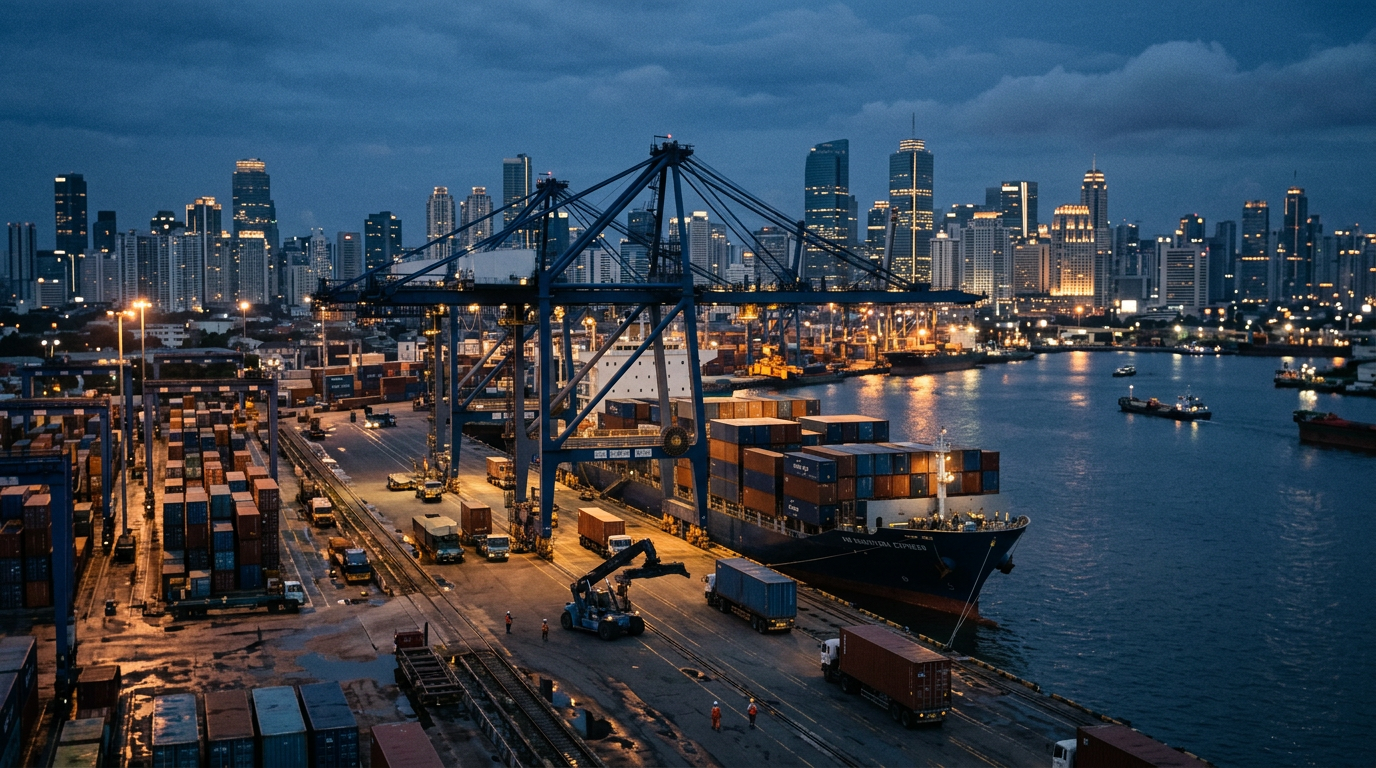
From Regional Forums to Reality: Measuring ASEAN by Execution
High-level statements are a staple of regional diplomacy, but the true measure of progress lies in institutional reliability and the tangible delivery of infrastructure and services.
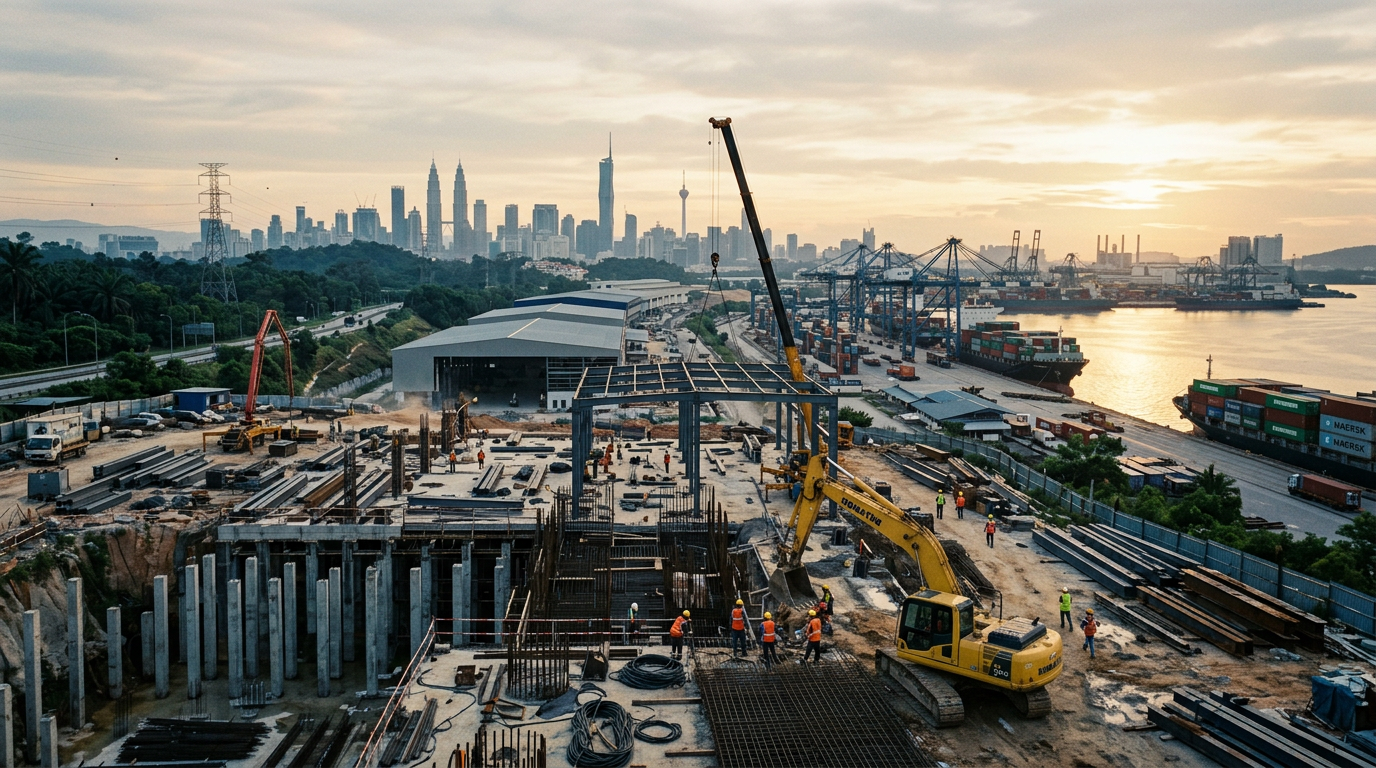 Malaysia
 Investment: From Approval to Execution
Malaysia's headline-grabbing investment approval figures for Q1 2026 are a strong signal of investor confidence. Yet, the true test lies in converting these announcements into tangible projects through effective institutional execution.
 Malaysia
's Investment Paradox: From Approvals to Assets
Malaysia announced RM92.8 billion in approved investments for Q1 2026, but turning these commitments into tangible economic activity depends entirely on execution.