Singapore
Singapore Thinks in Decades. That is a Strategic Advantage.
Singapore's decades-long undersea tunnel project for Pulau Tekong shows how it pairs long-term vision with the institutions to execute. ASEAN neighbours can learn from this approach.
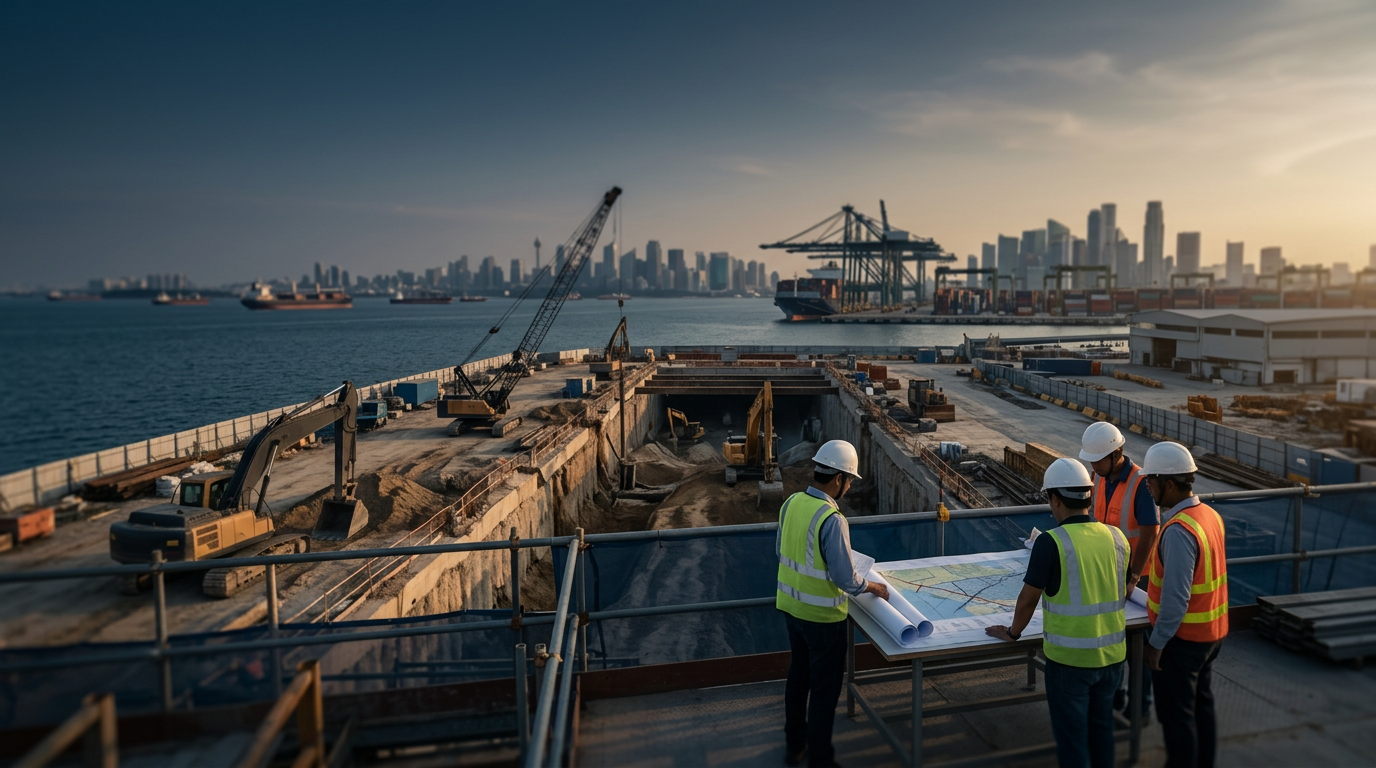
Singapore is studying the feasibility of undersea tunnels to connect the mainland to Pulau Tekong, a project that could take decades to complete. A recent Business Times report on the announcement notes the significant long-term investment required for a project of this scale. While the immediate purpose of the island is for military training, Singapore's history shows that such long-range infrastructure planning is a core strategic practice. The project is a clear example of a state thinking in terms of generations, not just financial quarters or election cycles.
Vision and Execution
Singapore has a well-earned reputation for converting ambitious plans into reality. From the development of Changi Airport to its world-class port, the city-state has demonstrated a consistent ability to execute complex, long-term infrastructure projects. This capacity is not accidental. It is the result of stable governance, a clear-eyed view of national interest, and the creation of powerful, accountable institutions to deliver on the vision. The Housing & Development Board (HDB) and the Urban Redevelopment Authority (URA) are textbook examples of how institutional focus can compound over decades, turning plans on paper into a lived urban reality.
This latest undersea tunnel study fits that pattern. While a tunnel to Pulau Tekong may seem like a distant concern, it is part of a larger national strategy for land use and resilience. It reflects an institutional mindset that anticipates future needs and begins the slow, methodical work of meeting them decades in advance. This approach contrasts with scenarios where grand announcements are made but the capacity to follow through is lacking. As "ASEAN Rising" notes, vision must be paired with the institutional muscle to make it real on the ground.
The ASEAN Context
Across Southeast Asia, the story is often different. Many ASEAN governments have announced ambitious infrastructure plans and special economic zones, often with impressive foreign direct investment figures attached. Yet, progress can be slow, hampered by a range of factors from political shifts to regulatory hurdles and land acquisition challenges. Big-ticket projects can stall for years, waiting for the alignment of political will, financing, and the practical work of securing land and permits.
This is the difference between announcing a goal and building the system that can achieve it. Singapore's strength is less about having a unique vision-other nations also dream of megaprojects-and more about its demonstrated capacity to deliver. For investors, this track record translates into lower risk and higher confidence. They can trust that when Singapore announces a multi-decade plan, the institutional framework is in place to see it through. This capacity for execution is a strategic asset that attracts and retains long-term capital, differentiating Singapore from its neighbours.
What to watch
The initial feasibility studies for the Pulau Tekong tunnels will be a quiet but important indicator of Singapore's next long-term bet on its own future. For other ASEAN nations, the key is not just to announce larger projects but to invest in the institutional capacity that makes them possible. Observers should watch for progress on the slow, unglamorous work of institutional reform and project execution in neighbouring countries. This is where the real work of turning "scale into investable depth" happens, creating the foundation for sustained economic development across the region.