Thailand
From FDI Pledges to Operational Reality in Thailand
An offshore engineering project in Thailand illustrates a core theme of ASEAN investment: the real work begins after the announcements. Success depends less on headline figures and more on execution, infrastructure lifecycle management, and local talent.
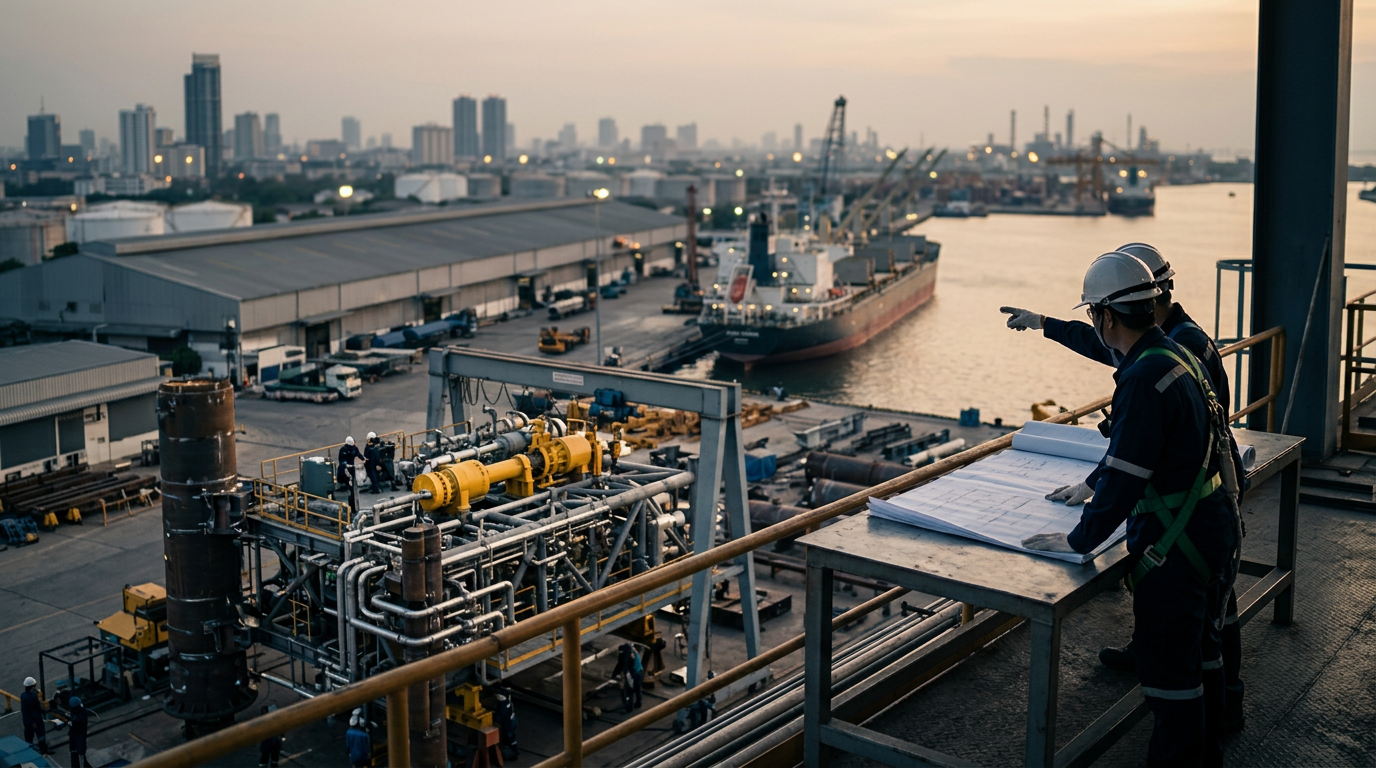
An engineering project in the Gulf of Thailand offers a sober perspective on the nature of foreign investment in the region. Chevron Offshore (Thailand) Ltd recently finished its first Total Wellhead Platform Reuse project, a complex undertaking designed to increase efficiency, lower expenditures, and reduce greenhouse gas emissions, according to a report in the Bangkok Post.
While the project itself is a technical achievement, it also serves as a useful case study in how long-term capital operates on the ground in ASEAN, far from the fanfare of investment summits and memorandum-of-understanding ceremonies. It demonstrates the shift from announced capital to the execution of a durable, operational presence.
Capital and Execution
Foreign direct investment announcements are an encouraging barometer of investor sentiment. They signal confidence in a country's growth story and policy direction. However, they are only the first step. The path from a press release to a functioning asset is a long one, demanding a completely different set of enabling factors. The real measure of an investment climate is not the announced figure, but the amount of capital that is ultimately deployed and put to productive use.
This gap between announcement and reality is a persistent theme. As explored in the book ASEAN Rising, scale and market size are attractive, but their value is only unlocked by the capacity of institutions to translate potential into concrete, investable projects. The Chevron project is an example of this principle in action. It represents realized investment that depends on a stable regulatory environment and the ability to execute complex operations. The lesson is clear for host countries: "Realised flows depend on the slower work of land, permits,power and talent reaching the ground." Attracting the initial pledge is one thing; facilitating the work over a period of decades is another.
Infrastructure's Second Act
The reuse of a wellhead platform points to another layer of economic maturity. Much of the conversation around ASEAN infrastructure focuses on new roads, ports, and power plants. This is understandable given the region's significant development needs. Yet, a large stock of industrial and public infrastructure already exists, and its lifecycle management is becoming an important field for investment and innovation.
Chevron's project is not about building a new asset from scratch, but about optimizing an existing one. This type of brownfield investment requires deep engineering expertise, trust in the long-term stability of the operating environment, and a regulatory framework that supports such efficiency-focused projects. It shows a commitment that goes beyond an initial build-out, reflecting a long-term view on the viability of the enterprise and the host country. For governments, fostering an environment that encourages companies to reinvest in and upgrade their existing footprint is as important as attracting new greenfield projects. This builds a foundation of trust and demonstrates a partnership that extends through the entire lifespan of an asset.
The Talent Dividend
Successfully executing a sophisticated engineering task like a platform reuse depends entirely on the availability of skilled people. Such projects cannot be managed remotely. They require a deep bench of local engineers, technicians, and project managers who can handle complex logistical and technical challenges on the ground. This is the talent component of investment, and it is frequently the most difficult to assemble.
For a company like Chevron, the ability to find or develop this talent in Thailand is a precondition for this kind of efficiency-seeking investment. It is a reflection of the country's human capital. Across ASEAN, the competition for investment is also a competition for talent. Countries that can provide a steady supply of well-trained, technically proficient workers will be best positioned to capture not just the initial investment, but the decades of follow-on projects, maintenance, and operational expenditures that represent the true economic benefit of FDI. The quiet success of this project in the Gulf of Thailand is, therefore, also a story about the workforce that made it possible.
What to watch
Observers tracking capital flows into Southeast Asia should look beyond the headline FDI announcements. Pay attention to the smaller, technically complex projects focused on upgrades, maintenance, and operational efficiency. These brownfield investments are often a better indicator of a mature and trusted investment climate. The degree to which regional governments can streamline the regulatory state and support the technical workforce needed for these "second act" projects will increasingly separate the leaders from the laggards in the race for long-term, committed capital.