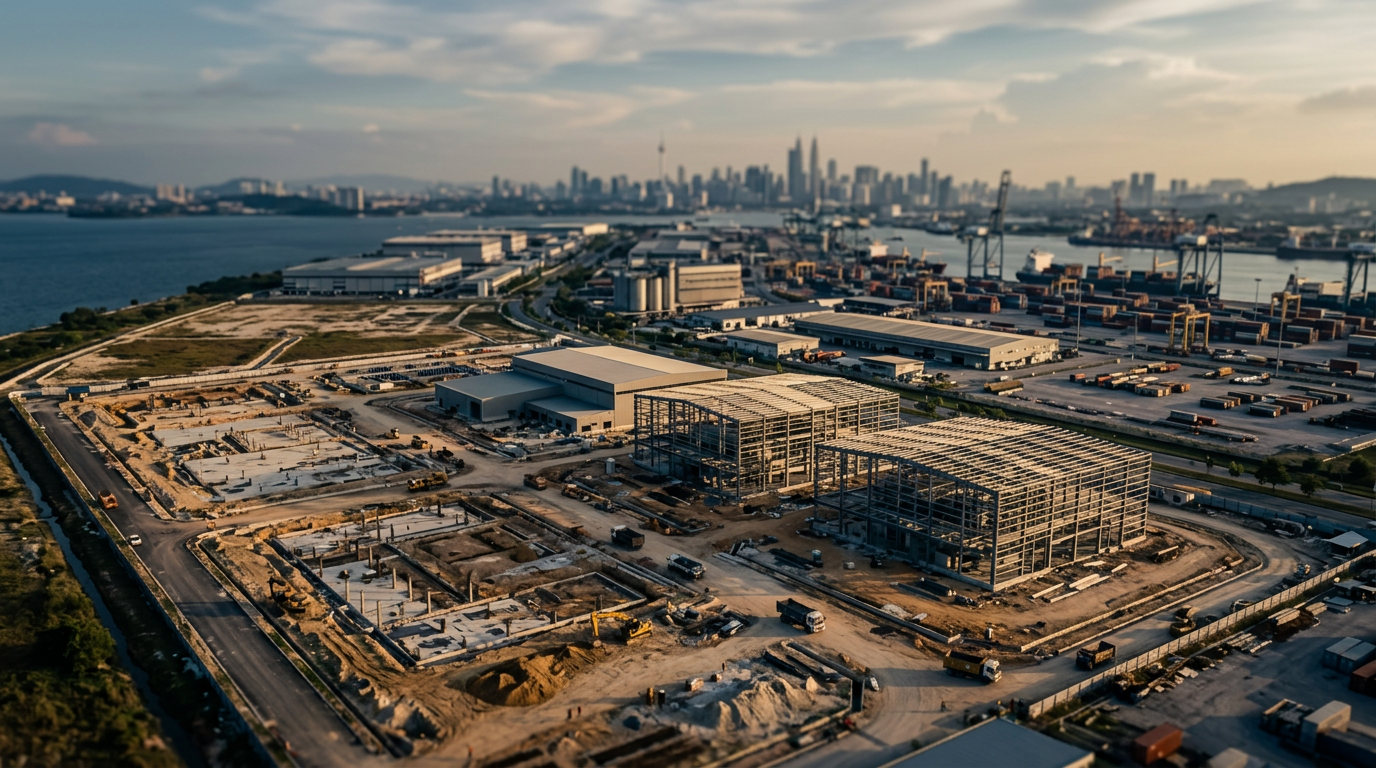
Malaysia
Malaysia Investment: From Approval to Execution
Malaysia's headline-grabbing investment approval figures for Q1 2026 are a strong signal of investor confidence. Yet, the true test lies in converting these announcements into tangible projects through effective institutional execution.
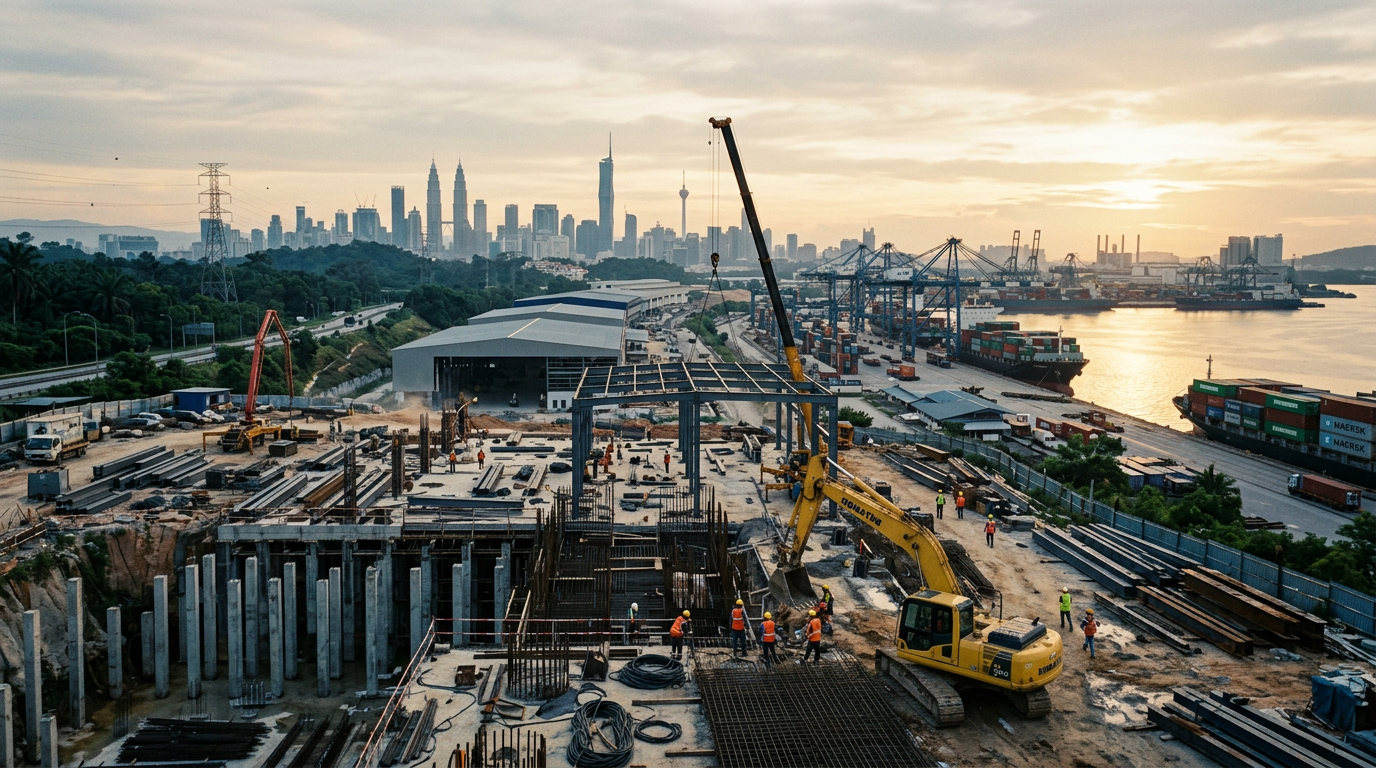
Malaysia secured RM92.8 billion in approved investments during the first quarter of 2026, a significant start to the year, with Japan leading as the primary source of foreign capital. The announcement was reported by The Star. The headline figure is a testament to Malaysia's continued appeal to international investors. Yet, a large number for approved investments is a leading indicator, not a final outcome. The distinction between 'approved' and 'realised' foreign direct investment (FDI) is where the hard work of economic development truly lies for all of ASEAN . It highlights the difference between a promising pipeline and actual capital formation on the ground.
The Execution Imperative
Investment approvals, such as those managed by the Malaysian Investment Development Authority (MIDA), represent a formal commitment by companies following a rigorous vetting process. These are not speculative announcements, but declared intentions to invest capital. However, this is where the administrative and logistical marathon begins. As the book ASEAN Rising notes in its analysis of regional investment patterns, scale and opportunity must be matched by state capacity. Turning expressed interest into factories, data centers, and research facilities requires a robust and efficient public administration.
While FDI announcements generate positive headlines, the substance of economic growth comes from the subsequent, less visible work. The journey from an approved investment application to a fully operational entity is long. It is a path where "realised flows depend on the slower work of land, permits, power and talent reaching the ground." This journey tests the interface between government agencies, utility providers, and the private sector. Delays at any stage can cause capital to be deferred, or in a competitive environment, redirected elsewhere.
Aligning Institutions and Infrastructure
For Malaysia, the RM92.8 billion figure presents an opportunity to demonstrate its capacity for execution. Japan's position as the top investor is significant; Japanese firms are known for their meticulous planning and long-term horizons, which demand a stable and predictable operating environment. Their commitment provides a strong incentive for Malaysian institutions to ensure a smooth implementation process.
This involves close coordination between federal bodies like MIDA and state-level authorities who often control land and local permits. It also depends on the readiness of the nation's infrastructure. The new investments will place demands on the electricity grid, water supply, transport logistics, and digital connectivity. Ensuring that high-quality, reliable infrastructure is in place not just at a national level, but all the way to the specific industrial park or site, is fundamental. This alignment of public-sector machinery and physical infrastructure is the core of converting investment approvals into realised capital stock.
Talent and Trust
Beyond the hard infrastructure, two other elements are decisive: talent and trust. The types of investments Malaysia is attracting are increasingly in higher-value sectors that require a skilled workforce. The availability of well-trained engineers, technicians, and managers is as important as access to a port or a stable power supply. This places the country's education and skills-training systems at the center of its long-term investment strategy. A large, well-educated, and technically proficient workforce is a powerful magnet for capital.
Simultaneously, trust is the foundation upon which long-term investment is built. This is established through policy consistency, regulatory clarity, and a reliable legal framework. For international investors, particularly those from countries like Japan, the assurance that the rules will be applied fairly and will not change unexpectedly is paramount. By demonstrating a consistent and transparent approach from the approval stage through to full operation, Malaysia reinforces the trust that underpins its reputation as a premier investment destination in the region.
What to Watch
Attention now shifts from the quarterly announcements of approved investments to the realised FDI figures that will be reported by Bank Negara Malaysia in the subsequent months. The key metrics to observe will be the conversion rate-the percentage of approved investments that translate into actual capital inflows-and the timeliness of this process. Tracking the progress of the specific projects involved, their sectoral destinations, and the readiness of supporting infrastructure and talent will provide a clear picture of Malaysia's capacity to absorb this new wave of capital.