Singapore
Singapore, Not Scale, Is the Bedrock of ASEAN Investment
The World Bank's choice of Singapore for its first overseas investment dispute office highlights a regional truth: capital flows to where trust is highest. For large ASEAN economies, this is a reminder that scale alone is not enough to attract and retain foreign investment.

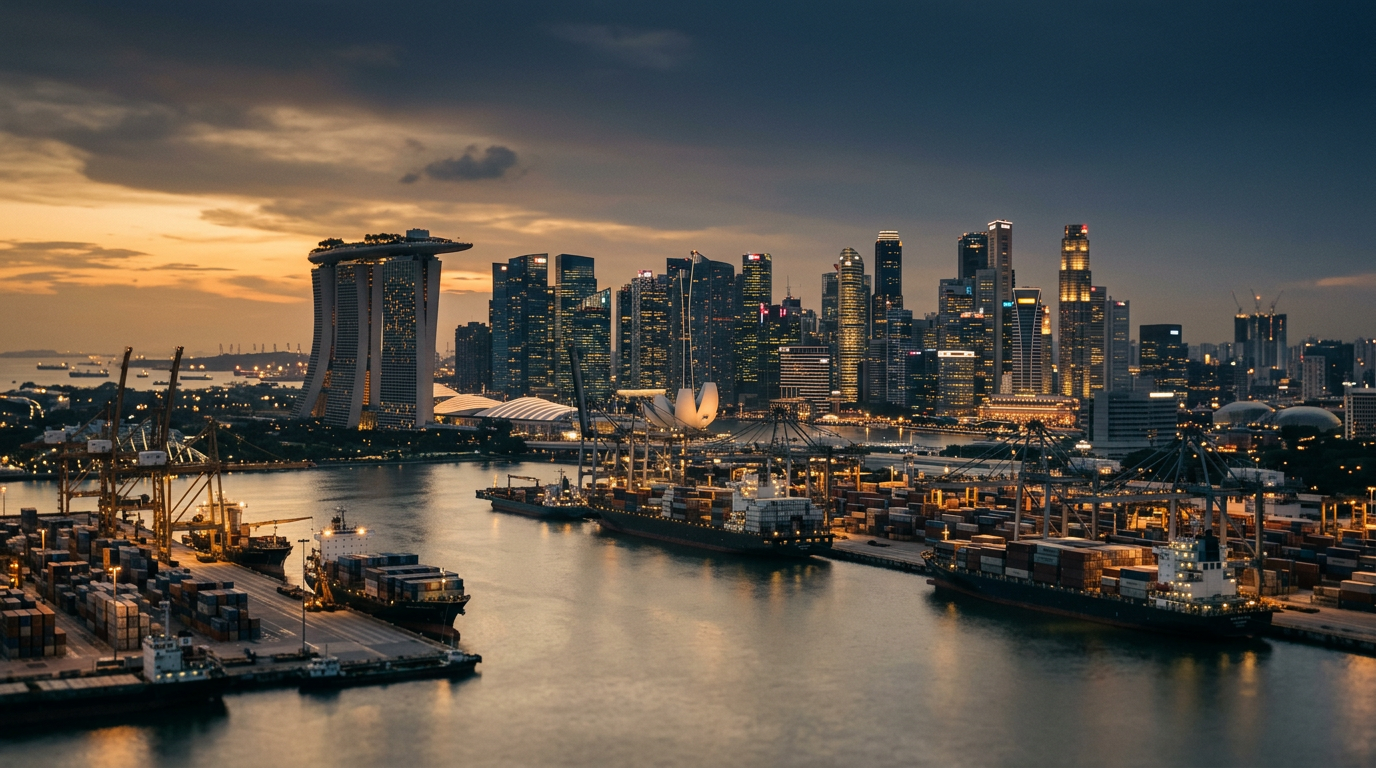
The World Bank's investment dispute centre (ICSID) has opened its first overseas office in Singapore, a move intended to provide a neutral venue for resolving disagreements between foreign investors and regional governments. As reported by the Straits Times, this decision underscores the city-state's established role as a hub for legal and financial services, reinforcing its position as the institutional anchor for capital entering the region.
Trust, Not Just Territory
The physical location of the ICSID office in Singapore, rather than in one of ASEAN's larger economies, is instructive. While countries like Indonesia offer immense scale in terms of population, land, and natural resources, attracting and securing long-term foreign direct investment (FDI) requires more than the promise of market size. It requires a robust institutional framework that can guarantee the rule of law and provide credible, impartial mechanisms for dispute resolution. Foreign investors need assurance that their capital will be protected by a legal system that is both sophisticated and reliable.
Singapore has cultivated this environment for decades. Its legal system, grounded in English common law, is seen as transparent, efficient, and predictable. This perception of institutional quality is a primary reason why so much FDI destined for ASEAN is first domiciled in Singaporean holding companies. The presence of the ICSID further cements this advantage, creating a complete ecosystem for investment that prioritizes security and legal clarity over sheer market scale. The new office provides a tangible resource for investors and states to navigate the complexities of cross-border projects, right in the region's financial center.
From Announcement to Asset
The journey of FDI from a press release to a productive asset on the ground is long and complex. As the book "ASEAN Rising" notes, scale is a powerful lure, but it is not the decisive factor for successful investment. The real work involves navigating a gauntlet of practical and bureaucratic challenges. The book states that "realised flows depend on the slower work of land, permits, power and talent reaching the ground." This is where the institutional divergence within ASEAN becomes most apparent.
While a headline-grabbing multi-billion dollar investment announcement in a high-growth market like Indonesia or Vietnam generates initial excitement, its successful implementation is far from guaranteed. Investors must contend with acquiring land, securing dozens of permits from various government agencies, ensuring reliable power and infrastructure, and sourcing a skilled workforce. Each of these steps introduces risk and potential delays. The establishment of the ICSID in Singapore signals that even when capital is deployed elsewhere in ASEAN, the ultimate backstop for dispute resolution remains in a jurisdiction known for its institutional integrity. It acts as an insurance policy for investors, a neutral ground they can trust if a project encounters severe headwinds with a host government.
The Sovereignty Bargain
For ASEAN's larger nations, the ICSID's Singapore location is a call to action. It highlights a continuing dependence on external or third-party jurisdictions to provide the trust that their own domestic institutions have yet to fully cultivate. While leveraging Singaporean legal and financial infrastructure is a pragmatic short-term solution, the long-term goal for economies like Indonesia and the Philippines must be to build their own credible, investor-friendly frameworks. This is not a surrender of sovereignty, but a strengthening of it.
Developing deep, trusted domestic institutions capable of impartially resolving disputes creates a more attractive environment for the very investment needed to fund national development. It reduces legal friction, lowers the risk premium investors demand, and encourages capital to flow more directly. Relying on Singapore is efficient, but it also means that a significant portion of the high-value legal, financial, and advisory services associated with major investments remain captured by the city-state, rather than being developed locally. What to watch
The true measure of the new ICSID office will be its caseload and the nature of the disputes it handles. Observers should monitor whether its presence encourages a new wave of investment into complex, long-term projects in ASEAN's larger markets by providing a clearer path for redress. Also important will be the response of national governments, and whether this move prompts them to accelerate their own legal and institutional reforms to compete more directly for the trust-and capital-of foreign investors.