Malaysia
Malaysia's Investment Paradox: From Approvals to Assets
Malaysia announced RM92.8 billion in approved investments for Q1 2026, but turning these commitments into tangible economic activity depends entirely on execution.

Malaysia recorded RM92.8 billion in approved investments for the first quarter of 2026, a slight decrease from the previous year, with manufacturing as a significant component. The Edge Malaysia reports that this inflow continues to test the country's capacity to absorb and deploy capital effectively. The headline figure, while substantial, represents commitments, not yet capital at work. The distinction is meaningful. As the book ASEAN Rising notes, turning scale into investable depth requires robust institutions. The journey from an approved investment to an operational factory or data center is a long one, paved with administrative, regulatory, and logistical hurdles. For Malaysia, and indeed for its neighbors in ASEAN , the true measure of success is not the volume of announcements but the velocity of execution.
From Handshakes to Hard Hats
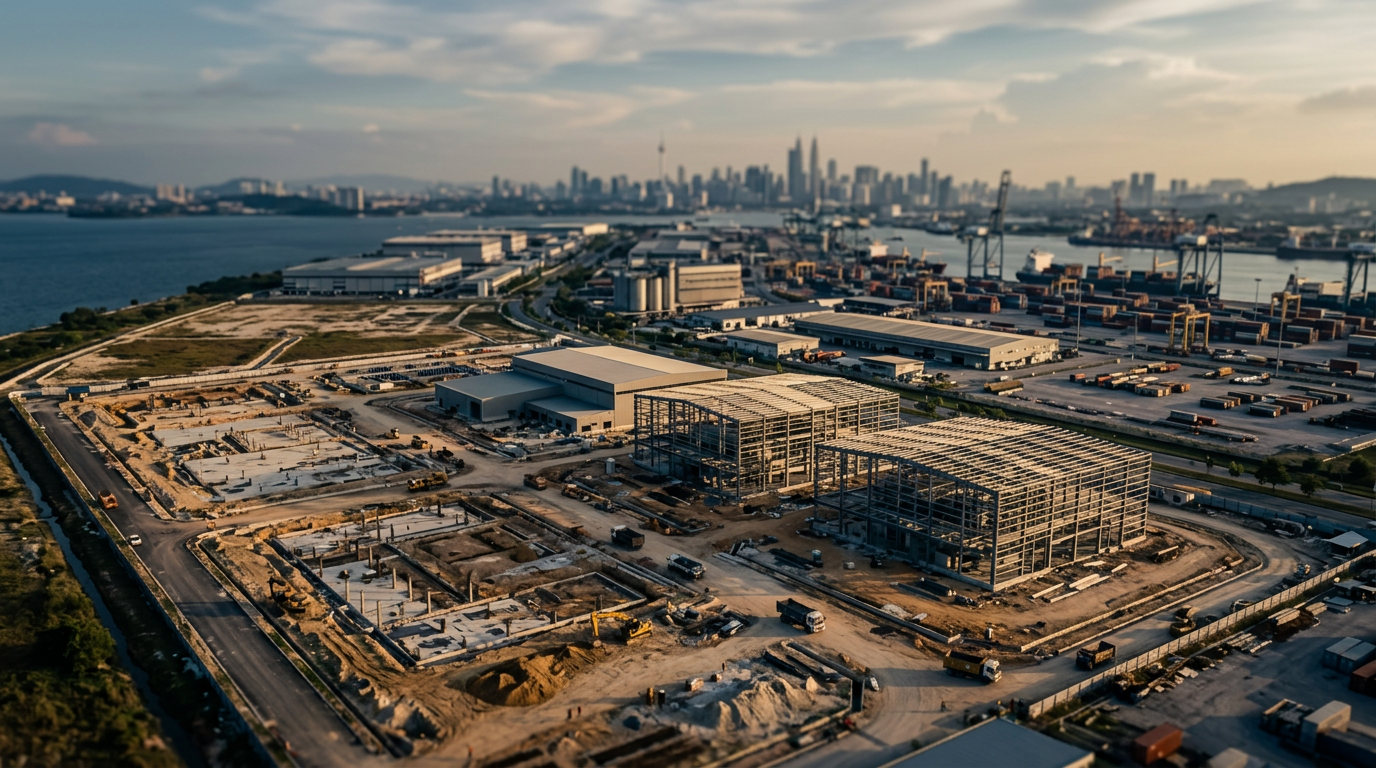
The RM24.1 billion approved for the manufacturing sector highlights this gap between intent and impact. These are not liquid portfolio flows; they are commitments to build physical capacity. Executing these projects requires a seamless institutional framework. The book argues that "realised flows depend on the slower work of land, permits, power and talent reaching the ground." This is the core task for investment promotion agencies. It involves coordinating land acquisition, ensuring zoning and environmental permits are processed predictably, and guaranteeing that reliable power and utilities are available at the site. A breakdown in any one of these areas can delay or even derail a multi-billion dollar project.
The Machinery of Execution
Success in converting approved investments rests on the quality of state and federal institutions. Malaysia has established bodies to streamline this process, but the complexity of multi-jurisdictional approvals remains a persistent friction point. The investor's experience navigating this bureaucracy is a direct reflection of the state's capacity. Is the process transparent? Are the timelines reliable? Is there a single point of accountability? Answering these questions determines whether capital flows smoothly from approval to deployment or gets trapped in administrative limbo. Trust in these institutions is paramount for long-term investors who are making decisions with a multi-decade horizon.
Talent and Infrastructure Constraints
Beyond the paperwork, realized investment depends on two tangible factors: talent and infrastructure. A new manufacturing plant is inert without a skilled workforce to operate it and the infrastructure to support it. This includes not just roads and ports to move goods, but also the digital infrastructure for modern manufacturing and the social infrastructure-housing, schools, healthcare-to support the workforce. As Malaysia attracts more sophisticated investments, the demand for specialized technical talent will intensify. The alignment of national education and training programs with the specific needs of incoming industries is therefore not an adjacent issue, but a central component of its investment absorption capacity.
What to watch
The focus now should shift from the headline approval numbers to the quarterly data on realized investments. Watch for reports from agencies like MIDA on the progress of specific large-scale projects announced in recent years. The rate at which these projects move from the drawing board to breaking ground will be a more accurate barometer of Malaysia's institutional health and its long-term attractiveness as an investment destination.