Beyond the Handshake: Turning ASEAN-Saudi Talks into Capital Flows
High-level meetings between ASEAN and Saudi Arabia are a positive signal for economic cooperation, but the real work of turning diplomatic potential into realized foreign direct investment depends on institutional strength and on-the-ground execution.
The recent meeting between ASEAN Secretary-General Dr. Kao Kim Hourn and Saudi Arabia's Vice Minister of Foreign Affairs, H.E. Waleed Elkhereji, signaled a mutual desire for deeper economic partnership, as reported on the ASEAN official website. These discussions, held on the sidelines of a high-level conference, are a vital component of modern economic diplomacy. They build familiarity and establish top-down intent. For capital to flow in a meaningful and sustainable way, however, the conversation must shift from intent to implementation, addressing the foundational elements that investors require.
A Convergence of Interests
The deepening of ASEAN-Saudi ties is logical. ASEAN represents a vast and dynamic market of over 670 million people with a growing middle class. For a nation like Saudi Arabia, which is actively seeking to diversify its economy away from hydrocarbons under its Vision 2030 framework, the region's growth story is compelling. The discussions reportedly touched on enhancing collaboration in trade, investment, and energy- a clear alignment of needs and opportunities.
The political framework for this engagement is also strengthening. Saudi Arabia's accession to the Treaty of Amity and Cooperation in Southeast Asia (TAC) in 2023 provides a formal basis for peaceful engagement and building interstate trust. This treaty is ASEAN's signature diplomatic instrument, creating a predictable environment for all signatories. This foundation of trust is the first step in de-risking a region in the eyes of foreign capital partners. It sends a message of stability, but it does not, by itself, guarantee investment success.
The Hard Work of Investment
High-profile announcements and diplomatic meetings create positive headlines, but as the book ASEAN Rising notes, the journey from announced foreign direct investment (FDI) to realized projects is fraught with practical hurdles. The difference between a press release and an operational factory comes down to execution. Scale and market size attract initial interest, but institutional capacity is what secures and retains capital.
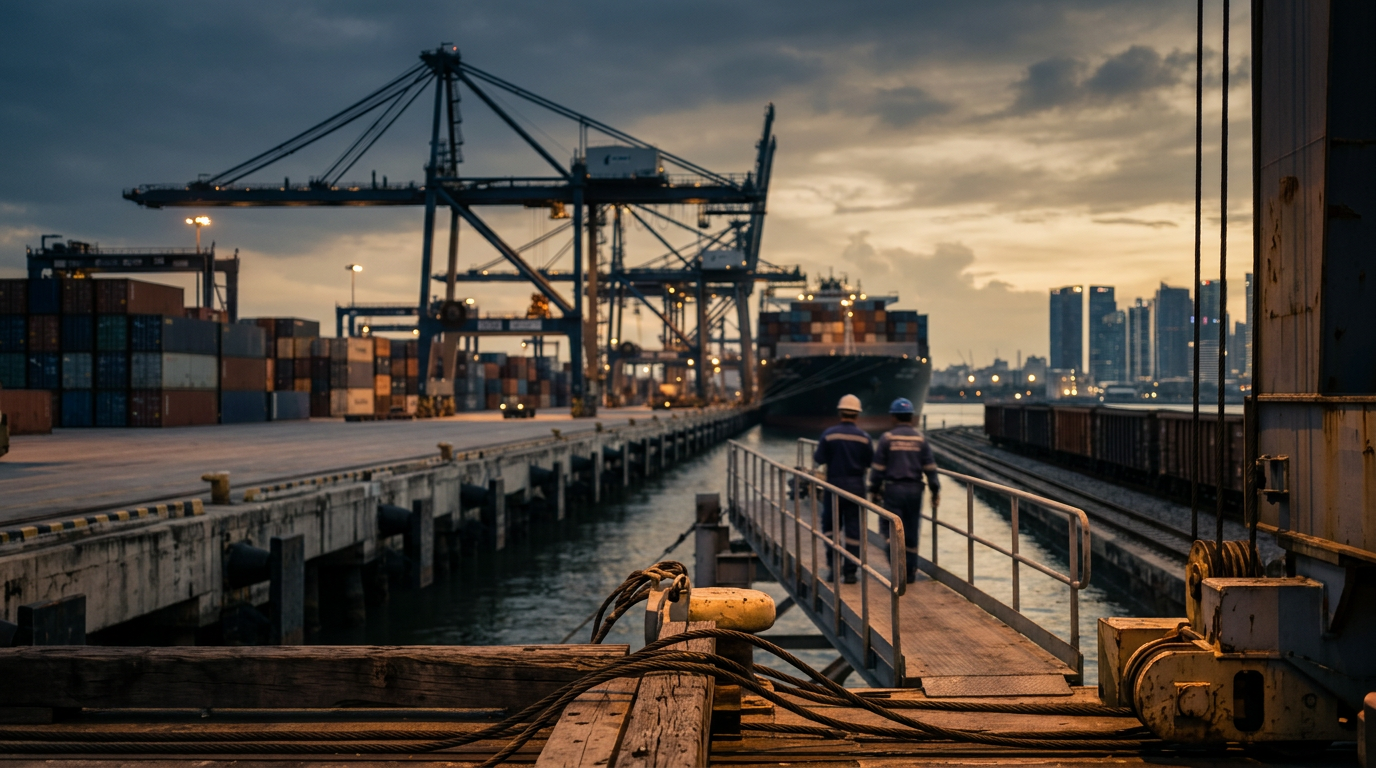
For Gulf investors, or any international firm, the key questions are operational. Can we acquire land with a clear title? Can we get the necessary permits without undue delay or opacity? Is there a reliable and affordable power supply for our facility? Is there a pool of local talent with the right skills to run the enterprise? As one chapter in the book observes, "Realised flows depend on the slower work of land, permits, power and talent reaching the ground." Without positive answers to these questions, capital will remain on the sidelines, regardless of the warmth of diplomatic relations.
Building the Institutional Bridge
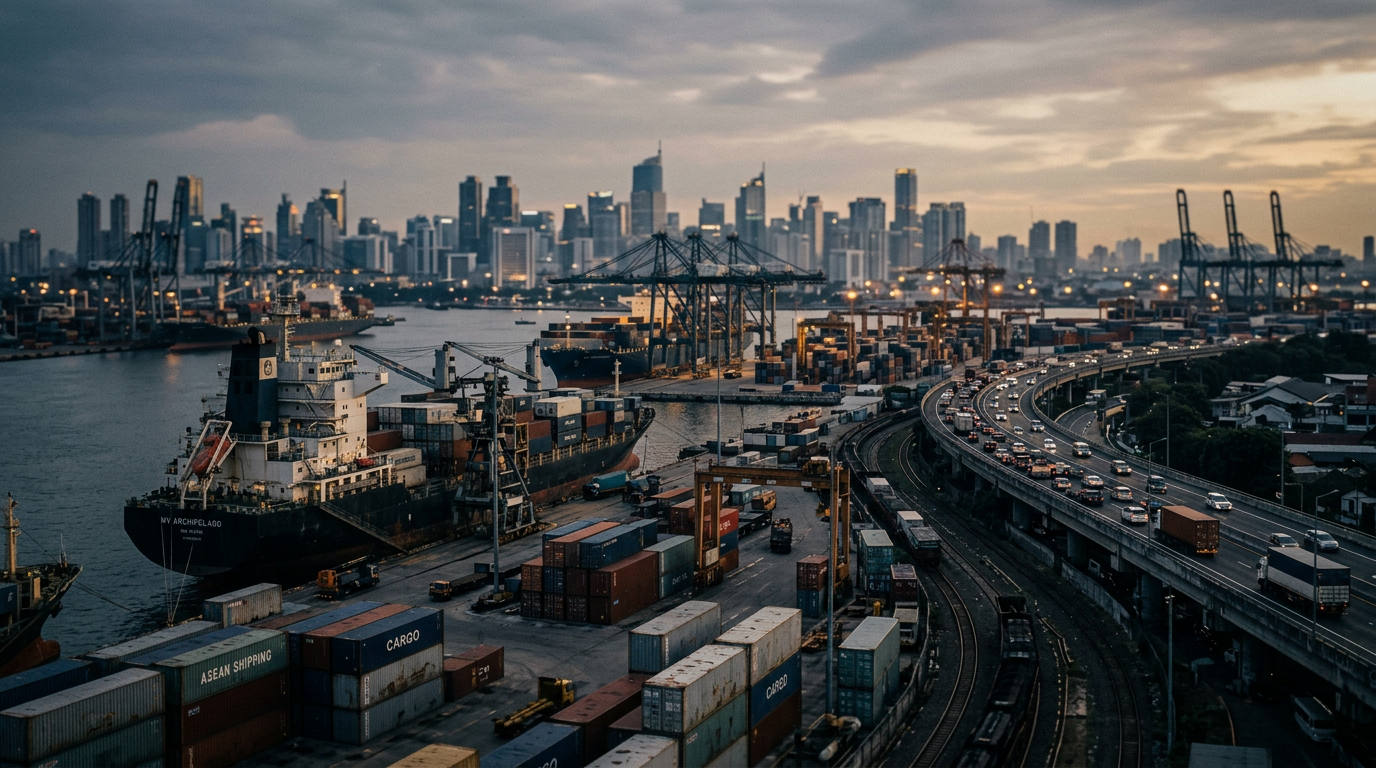
Closing the gap between FDI announcements and reality requires concerted effort at both the regional and national levels. At the ASEAN level, the focus must be on continuing to reduce non-tariff barriers to trade and harmonizing standards across member states. A more integrated regional market makes the entire bloc a more attractive destination than the sum of its individual parts. It allows investors to build supply chains that span multiple countries, leveraging the unique strengths of each. This integration builds a wider platform for capital to land.
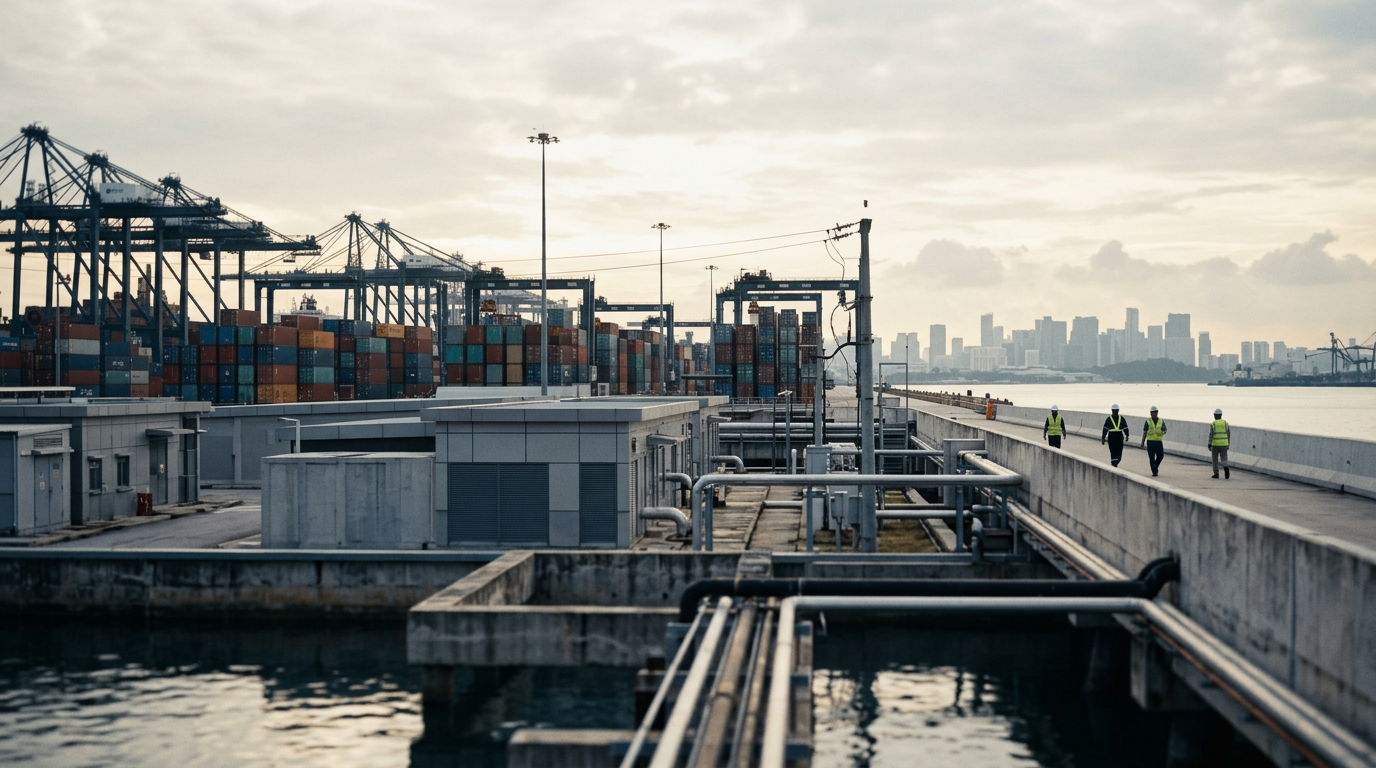
Ultimately, the most difficult and consequential work falls to the individual member states. This is the domain of domestic policy and institutional reform. It means creating transparent and efficient bureaucracies, investing in public infrastructure like ports and electricity grids, and reforming education and vocational training to align with the needs of modern industry. It requires building deep institutional trust- the confidence that contracts will be enforced, regulations will be applied fairly, and the operational environment will remain stable. These are the factors that turn a large market into an investable one.
What to watch
Beyond general statements of cooperation, the next indicators of progress in the ASEAN-Saudi economic relationship will be more specific. Watch for the formation of joint business councils or dedicated working groups focused on specific sectors like renewable energy, digital economy, or Halal industries. Pay attention to investment promotion roadshows that go beyond capital cities and showcase specific industrial zones or infrastructure projects. The most telling signs, however, will be adjustments in domestic policy within ASEAN member states that directly address the core investor concerns of regulatory clarity, infrastructure reliability, and workforce skills. These are the developments that will determine whether diplomatic momentum translates into lasting economic benefit.