Singapore
Air India and the challenge of institutional depth
Aviation is a capital-intensive, institution-heavy business. Air India's US$1.5 billion capital call is a reminder that turning headline investments into operational realities requires more than just capital.
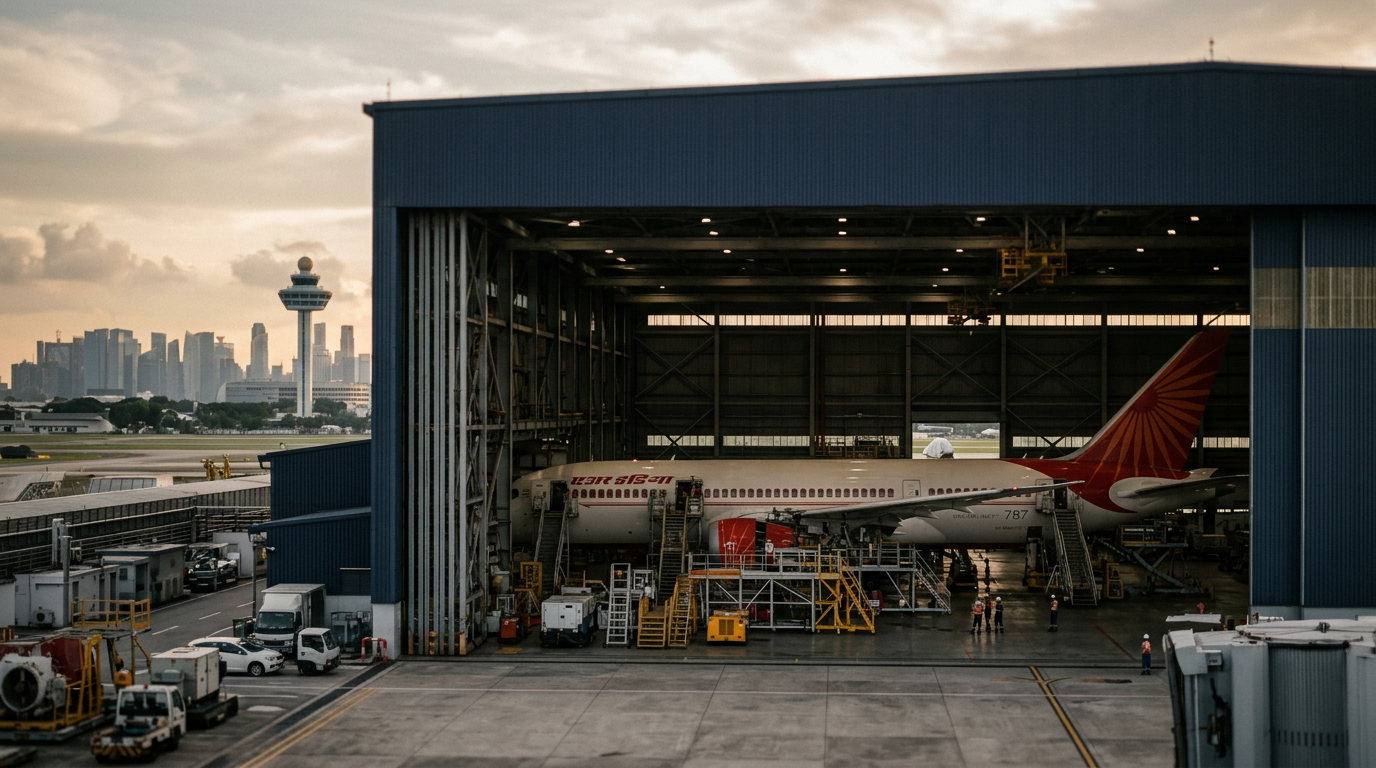
A recent report from CNA highlights Singapore Airlines' deepening commitment to its investment in Air India, with the backing of its majority shareholder, Singapore's state investor Temasek. The Indian carrier is seeking US$1.5 billion in fresh equity from its owners, Tata Sons and SIA, to fund its ambitious expansion and fleet modernization. This capital injection underscores the immense financial and operational undertaking of reviving a national airline.
Capital and Institutions
Aviation is a capital-intensive, institution-heavy business. The US$1.5 billion capital call is only one part of the equation. Turning Air India into a competitive international carrier requires a parallel investment in institutional capacity. This includes navigating complex regulations, securing landing slots at congested international airports, and building a maintenance, repair, and overhaul (MRO) network that can service a large and modern fleet. As ASEAN Rising notes, "Scale matters only when institutions can turn it into investable depth." The headline-grabbing aircraft orders are the easy part; the slow work of building the institutional framework to support them is the real challenge.
Execution and Infrastructure
The success of the Tata-SIA venture will depend on execution. Tata Group is orchestrating a complex merger between Air India and Vistara, its existing joint venture with Singapore Airlines. This involves integrating fleets, networks, and, most delicately, workforces and corporate cultures. The goal is to create a single, full-service carrier that can compete with both domestic low-cost carriers and international Gulf giants. This consolidation requires significant upgrades in ground infrastructure, from airport terminals to digital booking systems. The infusion of capital is a prerequisite, but operational excellence and infrastructural development will determine the outcome.
Talent and Trust
Beyond the hardware of aircraft and terminals, the airline business is fundamentally about people. Air India needs to attract, train, and retain a vast workforce of pilots, cabin crew, engineers, and ground staff. This is a global war for talent, and creating a trusted, high-performing organizational culture is essential. For passengers, trust is built on safety, reliability, and service quality. For investors like Temasek and SIA, trust is built on the Indian government's commitment to creating a stable and predictable regulatory environment that allows private capital to earn a return. The long-term success of this investment hinges on the ability of Air India's new owners to build trust with all stakeholders.
What to watch
The Air India-Vistara merger and subsequent capital infusion represent a significant bet on the future of Indian aviation. Observers should watch how effectively Tata and SIA manage the complex integration process, particularly in aligning distinct corporate cultures. The pace of airport infrastructure development in India and the ability of the new entity to secure international traffic rights will be key indicators of its long-term trajectory. This case will serve as a powerful example of how large-scale capital investments perform when faced with the slower, more complex work of institutional reform and execution.