Vietnam
Vietnam's Expressway and the Measure of State Capacity
Vietnam's ambitious North-South Expressway project is more than an infrastructure build; it's a test of institutional reliability and the state's capacity to deliver, a theme central to understanding modern ASEAN.
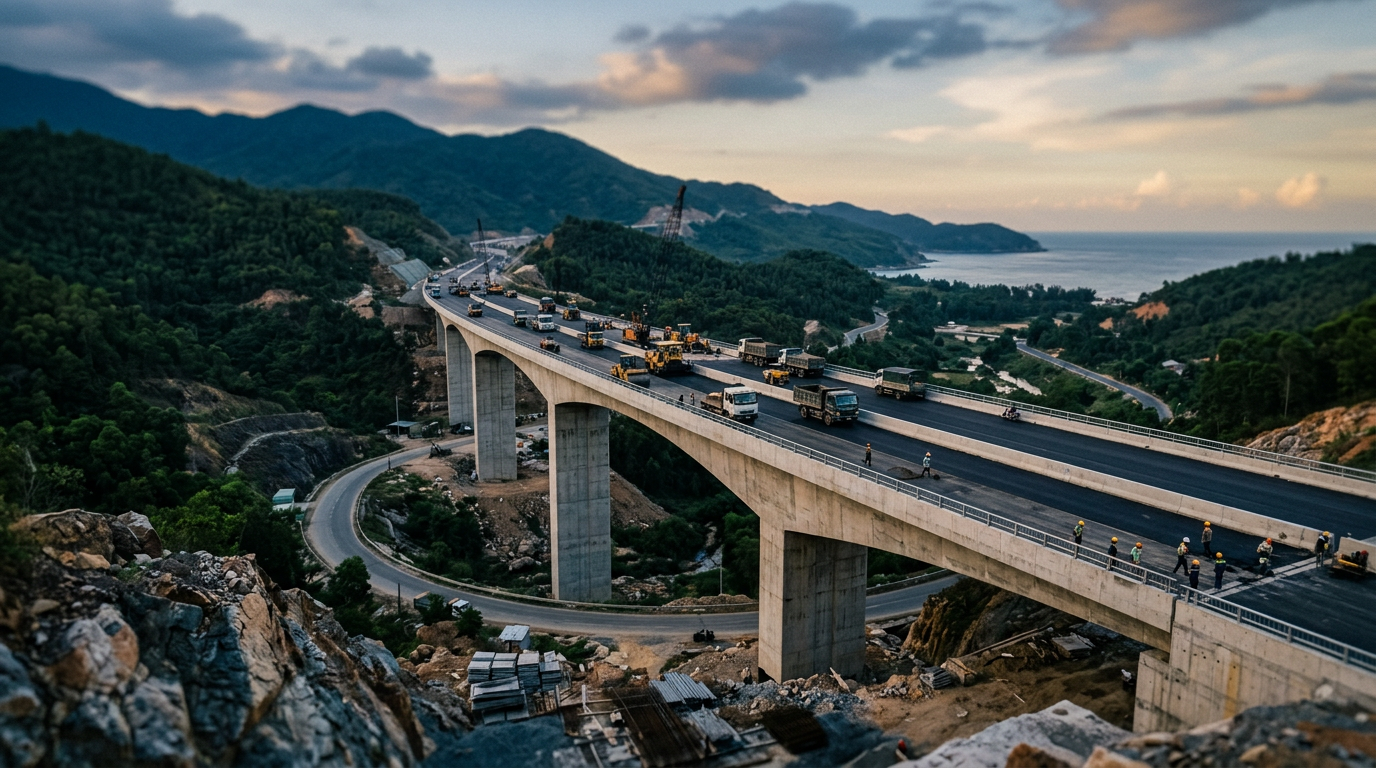
Vietnam is moving to complete the expansion of its North-South Expressway by 2030, a project that is knitting together the country's economic backbone. As reported by The Star, the development is proceeding in phases, with sections prioritized based on urgency and resource availability. This undertaking is more than a logistical exercise in pouring concrete and laying asphalt; it represents a significant, real-world test of Vietnam's state capacity and the reliability of its institutions.
Institutions and Execution
The ability to deliver complex infrastructure projects has become a defining feature of a government's competence. In a region where grand announcements are common, the steady, metered progress of a project like the North-South Expressway speaks volumes. The phased approach, while less dramatic than a single, massive launch, demonstrates a pragmatic understanding of capital allocation, project management, and resource constraints. It reflects a maturing institutional capability to manage long-term initiatives that are essential for national development. This focus on pragmatism aligns with a central theme of ASEAN Rising: a usable state that can execute its plans is often more valuable for long-term growth than one that simply presents an exciting vision. Effective governance is not about pronouncements, but about the methodical work of turning plans into reality, building trust with citizens and investors in the process.
From Announcement to Asphalt
For governments across Southeast Asia, the gap between policy and practice remains a persistent difficulty. The landscape is littered with ambitious master plans and artist renderings for projects that are delayed, downscaled, or abandoned due to financing shortfalls, political changes, or a simple inability to execute. This is where the true measure of a state's capacity is revealed. As the book notes, "Infrastructure that arrives on time signals more than infrastructure that is merely announced." Vietnam's effort to maintain its 2030 target for the expressway is therefore a test of its ability to overcome these common hurdles. Successfully completing the project on schedule would send a powerful signal to international partners and investors about the country's reliability. It builds a track record not just for the transport ministry, but for the entire governmental apparatus, demonstrating a capacity to align multiple agencies, secure financing, and manage the complex logistics of land acquisition and construction over a sustained period.
The Capital Connection
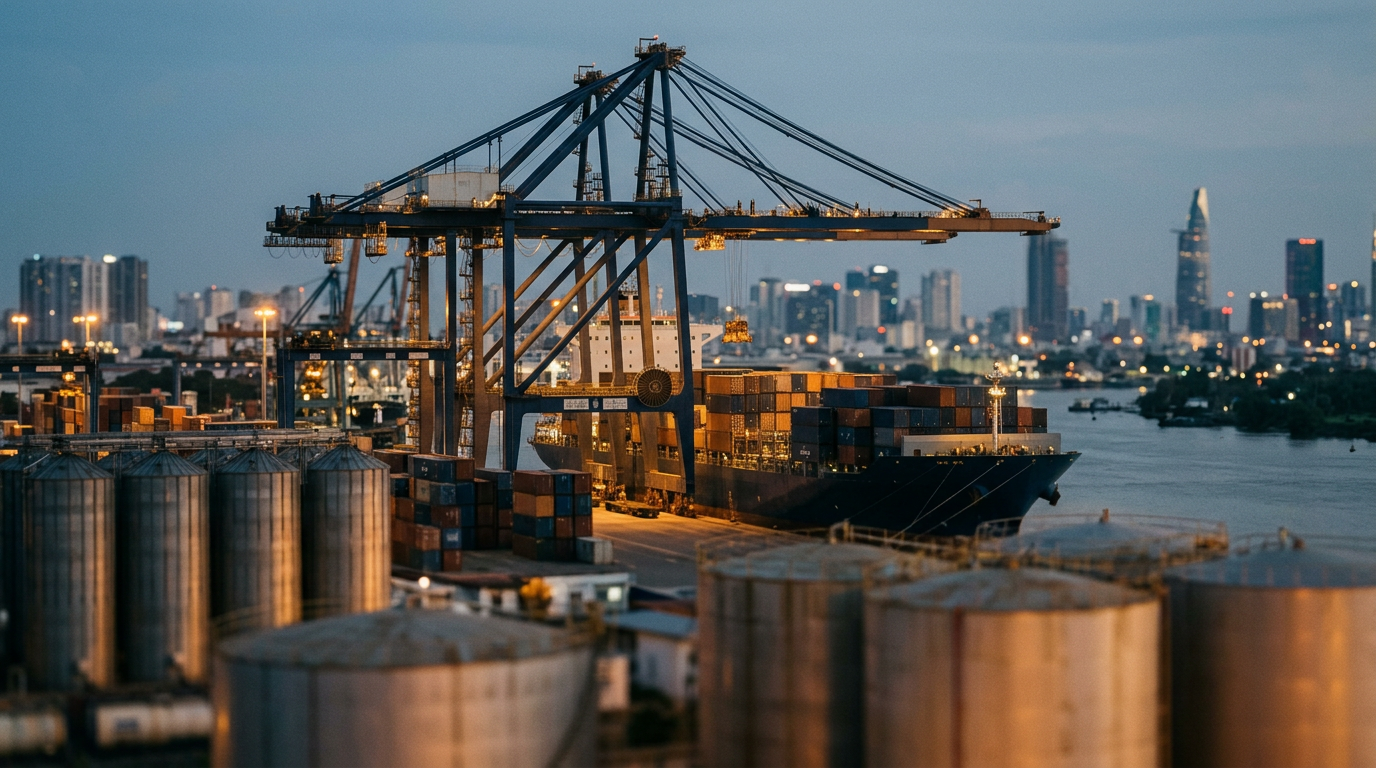
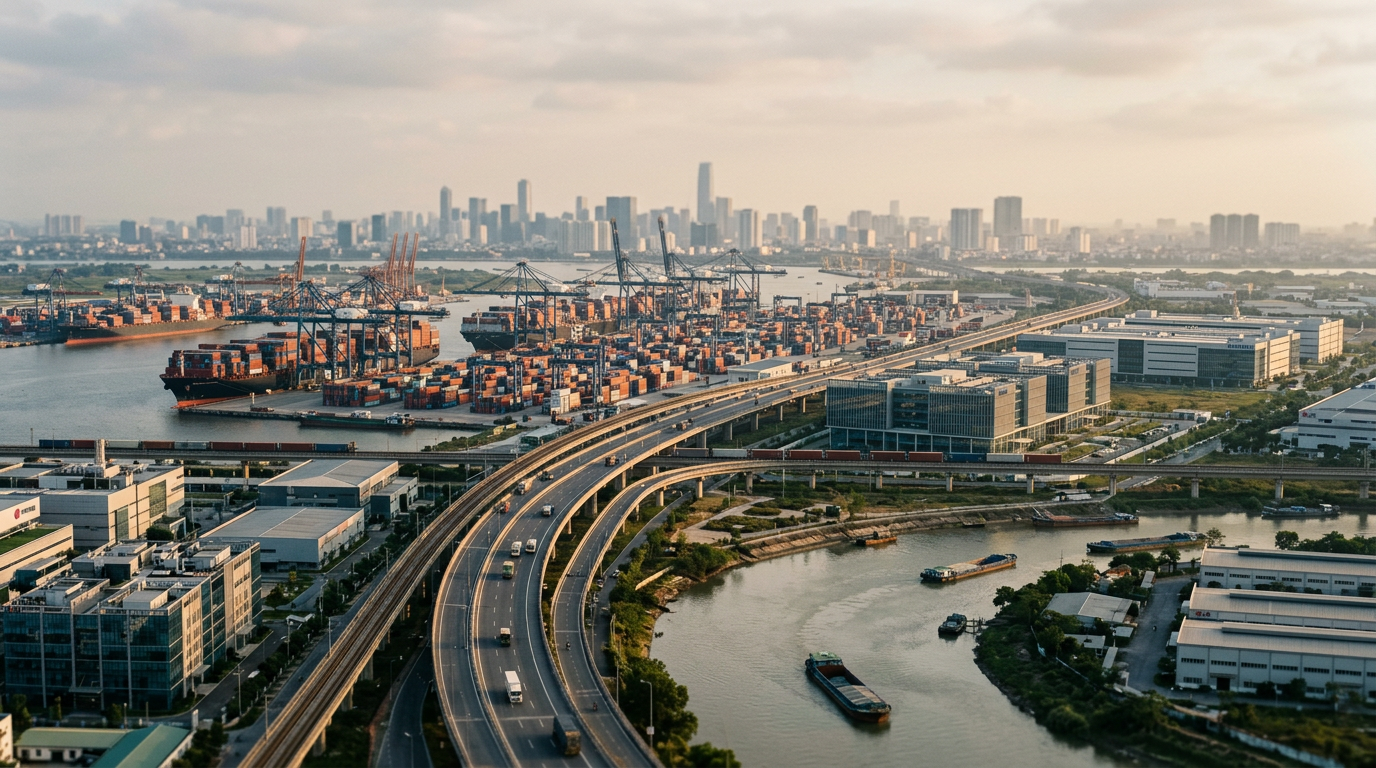
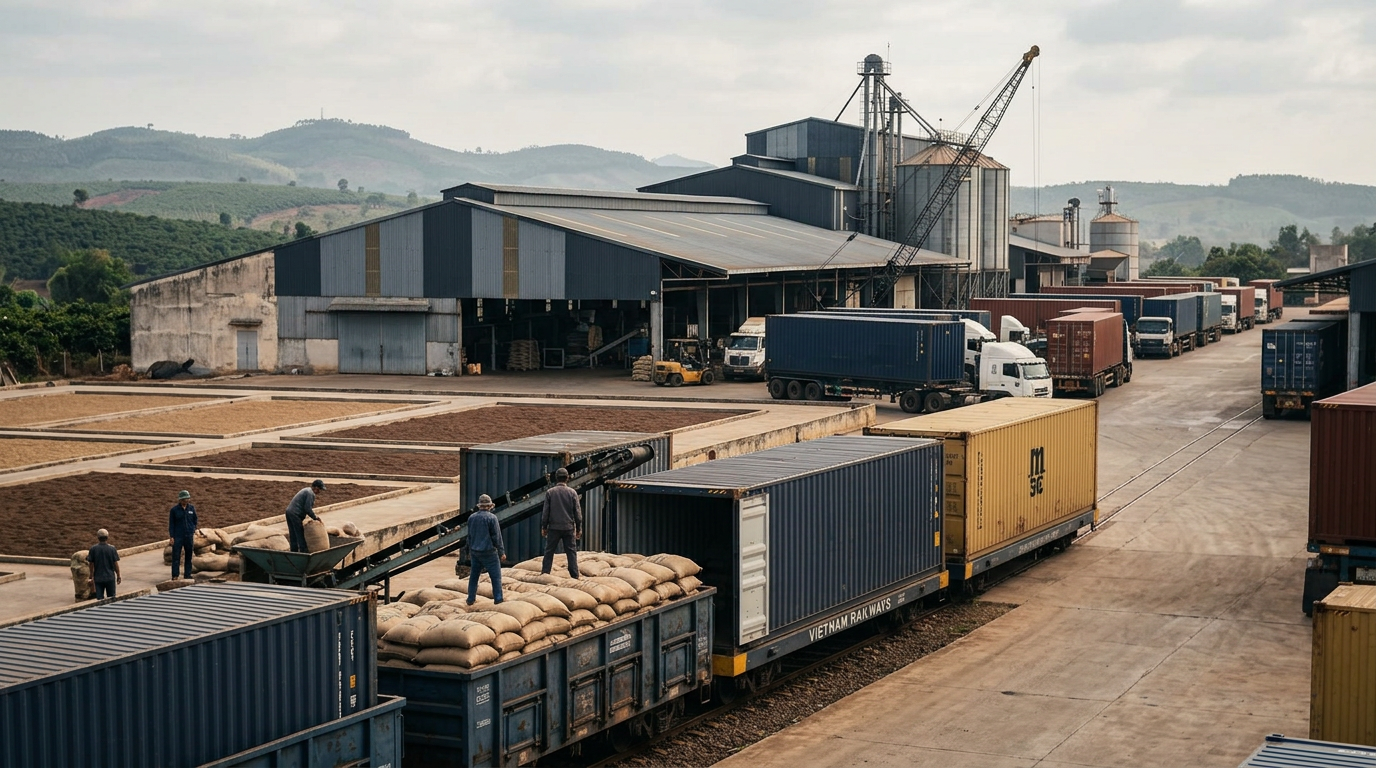
The North-South Expressway is a physical manifestation of an economic strategy. By connecting major ports, industrial zones, and urban centers, the road is designed to lower logistics costs, improve supply chain efficiency, and integrate the national economy more tightly. This physical infrastructure is the essential underpinning for attracting and retaining capital. For a foreign company deciding where to locate a new factory, the presence of reliable transport links is a non-negotiable prerequisite. The expressway de-risks that investment. It creates a predictable environment for business, where goods can move from factory to port with greater speed and lower cost. This, in turn, draws in further investment and fosters the growth of ancillary businesses and services, creating a virtuous cycle of development and reinforcing the connection between sound infrastructure and sustained economic growth.
What to watch
Key metrics to monitor will be the government's ability to adhere to its phased completion schedule and budget. Attention should be paid to the mechanisms Vietnam uses to finance the remaining sections, including the mix of public funds and any attempts to attract private capital. Observers should also track how effectively the completed sections are integrated into the wider economy, looking for evidence of reduced transport costs and the growth of economic activity in adjacent provinces. How Vietnam manages the inevitable complexities of such a large-scale project will offer valuable lessons in statecraft and execution for the wider region.