Vietnam
ASEAN's Energy Grid: Execution Beyond Announcements
Recent talks on ASEAN-UK cooperation for renewable energy highlight a persistent theme: the need for reliable execution. For the ASEAN Power Grid to become a reality, institutional capacity is as important as ambitious goals.
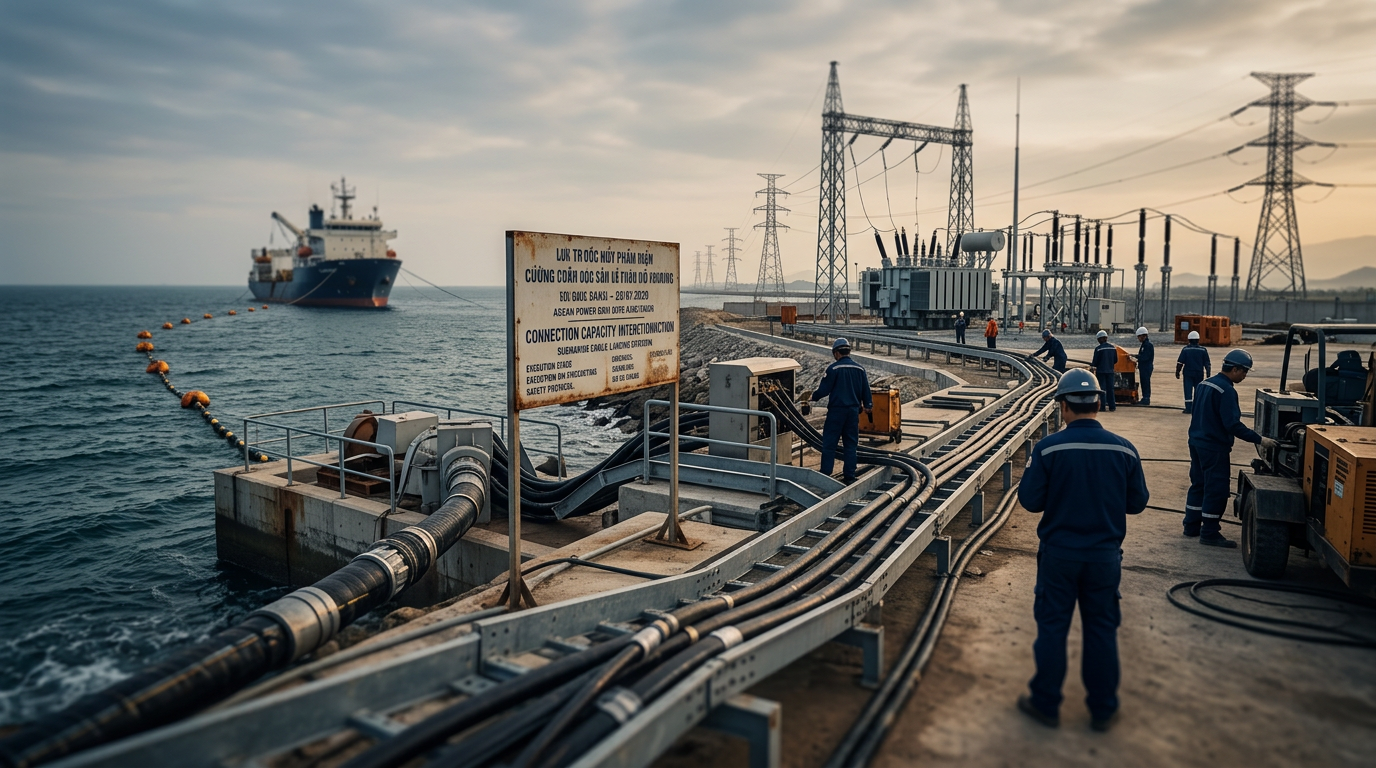
Recent remarks by the Secretary-General of ASEAN on regional energy cooperation have, once again, put the spotlight on the bloc's infrastructure ambitions. Speaking at the UK-ASEAN Renewable Energy and Interconnection Symposium, the Secretary-General highlighted the partnership with the United Kingdom in support of ASEAN's energy transition, according to a summary on the ASEAN website. While such diplomatic engagements are routine, they touch upon a foundational challenge for the region: translating high-level plans into operational reality.
The Infrastructure Gap
The vision of an integrated ASEAN Power Grid (APG) that allows electricity to be traded across borders is a cornerstone of the region's economic community. The goal is to enhance energy security, promote the use of renewable resources, and manage the variability of supply and demand on a regional scale. Proponents argue that an interconnected grid would allow, for example, a country with strong hydropower resources to supply a neighbor experiencing a solar-generation shortfall.
The work to make this happen is immense. It requires not just building new power plants but also constructing thousands of kilometers of high-voltage transmission lines and the digital infrastructure needed to manage complex energy flows. This represents a significant demand for capital, with estimates for the required investment in grid infrastructure running into the tens of billions of dollars. The technical and political work of harmonizing regulatory standards and commercial frameworks across ten different countries adds another layer of complexity. These are not small tasks; they are long-term endeavors that test the limits of regional cooperation and national execution.
The Primacy of Institutions
Beyond the raw materials and financing, the success of the APG hinges on institutional performance. As the book ASEAN Rising notes, the ability of a state to deliver on its commitments is a core component of its economic strength. A government that can shepherd a complex infrastructure project from conception to completion, on schedule and within budget, sends a powerful signal to the market. For international partners and private investors, this predictability is a form of currency.
This is a departure from viewing state capacity through the lens of grand pronouncements. The analysis suggests that a functional state that ensures projects are built is more valuable to development than one that simply announces ambitious targets. When it comes to large-scale infrastructure, "Infrastructure that arrives on time signals more than infrastructure that is merely announced." The cost of friction-whether from bureaucratic delays, regulatory uncertainty, or a lack of coordination-is a direct tax on development. For the APG, this means that every administrative hurdle and every missed deadline erodes investor confidence and slows the flow of necessary capital.
Capital and Talent from Partnerships
The ASEAN-UK partnership highlighted at the recent symposium is an example of how the region seeks to address these challenges. Such collaborations are often viewed primarily through the lens of financing, but their value extends to other areas. Access to technical expertise from countries with deep experience in grid modernization and renewable energy integration can help build local talent and capacity within ASEAN utilities and regulatory bodies.
These partnerships also function as a mechanism for building trust. When an external partner like the United Kingdom commits resources to ASEAN-led initiatives, it is also making a judgment on the institutional reliability of its counterparts. Successful implementation of pilot programs or specific interconnection projects creates a track record that can attract further private sector investment. This creates a positive feedback loop where tangible results build confidence, which in turn unlocks more capital and deeper engagement. The ability of ASEAN institutions to execute on these initial projects is therefore a test of their ability to manage the larger and more complex build-out of a regional energy network.
What to watch
Progress on the ASEAN Power Grid should be measured by tangible outcomes, not by the frequency of ministerial meetings. Observers should watch for the financial closing of specific cross-border transmission line projects, a true indicator of investor commitment. Another key metric is the adoption of harmonized technical and regulatory protocols that would govern cross-border electricity sales. The flow of private capital into the physical assets of the grid, rather than just into national generating capacity, will be the ultimate measure of whether the vision for an interconnected ASEAN is becoming a reality.