Vietnam
Vietnam, the US, and the Trade Balancing Act
Recent US-Vietnam trade talks highlight a core ASEAN challenge: how to manage deep economic ties with China while building the institutional trust required for strategic diversification.
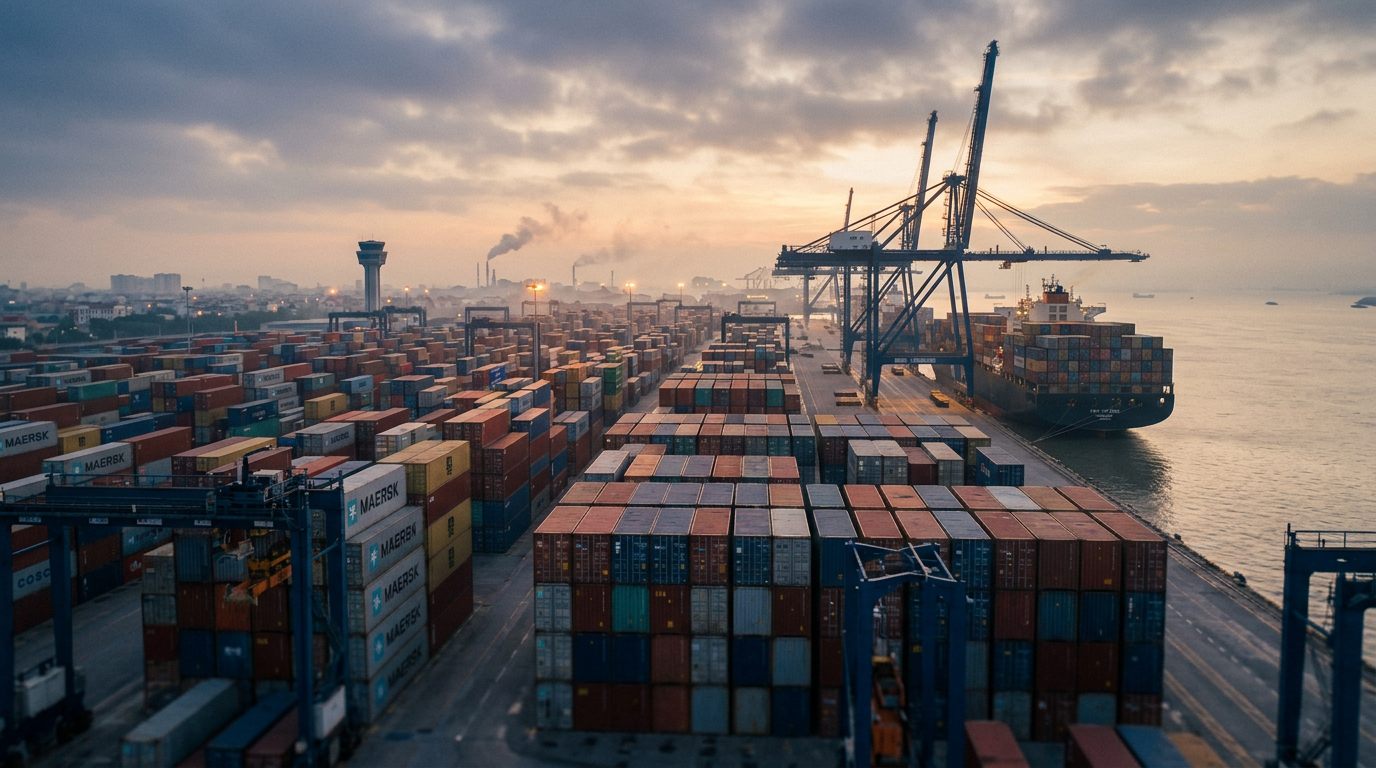
Recent negotiations between the United States and Vietnamese officials to address trade barriers and intellectual property enforcement, reported by the Straits Times, illustrate a defining feature of modern ASEAN economic strategy. While the talks focus on bilateral issues, they reflect a wider regional effort to maintain strategic and economic balance in a world shaped by deep relationships with multiple global powers.
The Gravity of a Neighbor
For Vietnam, like most of its ASEAN peers, economic engagement with China is not a matter of choice but a geographic and market reality. The sheer scale and proximity of the Chinese economy have created a level of integration that is resilient and lasting. As outlined in ASEAN Rising, this "trade depth with China is now a structural feature, not a cyclical one." This integration is visible in supply chains, infrastructure investment, and consumer markets across the region.
This economic gravity presents both advantages and complications. It provides a massive, reliable market for ASEAN exports and a source of capital for development. However, it also creates significant dependency. An over-reliance on a single economic partner exposes a nation to shifts in that partner's economic health and policy direction. Events like sudden regulatory changes or economic slowdowns in China can have immediate and pronounced effects on its Southeast Asian neighbors.
Institutions and Optionality
The central challenge for governments, therefore, is not how to decouple from China, but how to build a sufficiently diversified network of partners to ensure long-term stability. The US-Vietnam talks are a clear example of this principle in action. The American focus on intellectual property rights and trade barriers goes to the heart of what is required to attract and sustain high-value investment from Western economies.
Success in this endeavor hinges on the strength of national institutions. Attracting American and European capital requires more than favorable tariffs; it requires a high degree of trust in the legal and regulatory environment. Investors need assurance that contracts will be honored and intellectual property will be protected. For Vietnam, this means building and demonstrating institutional capacity and consistent execution of its own laws. This is how a nation builds strategic options. The book notes that for governments in the region, "the question for ASEAN governments is no longer whether to engage, but how to manage dependency without losing optionality."
From Agreement to Execution
A successful conclusion to the talks would be a positive step, but the real work lies in implementation. This is a test of execution. Strengthening the institutions that govern commerce-from customs offices to courts that adjudicate patent disputes-requires sustained political will and investment in talent. A workforce with the technical and legal skills to manage a more complex, rules-based trade environment is necessary for any policy of diversification to succeed.
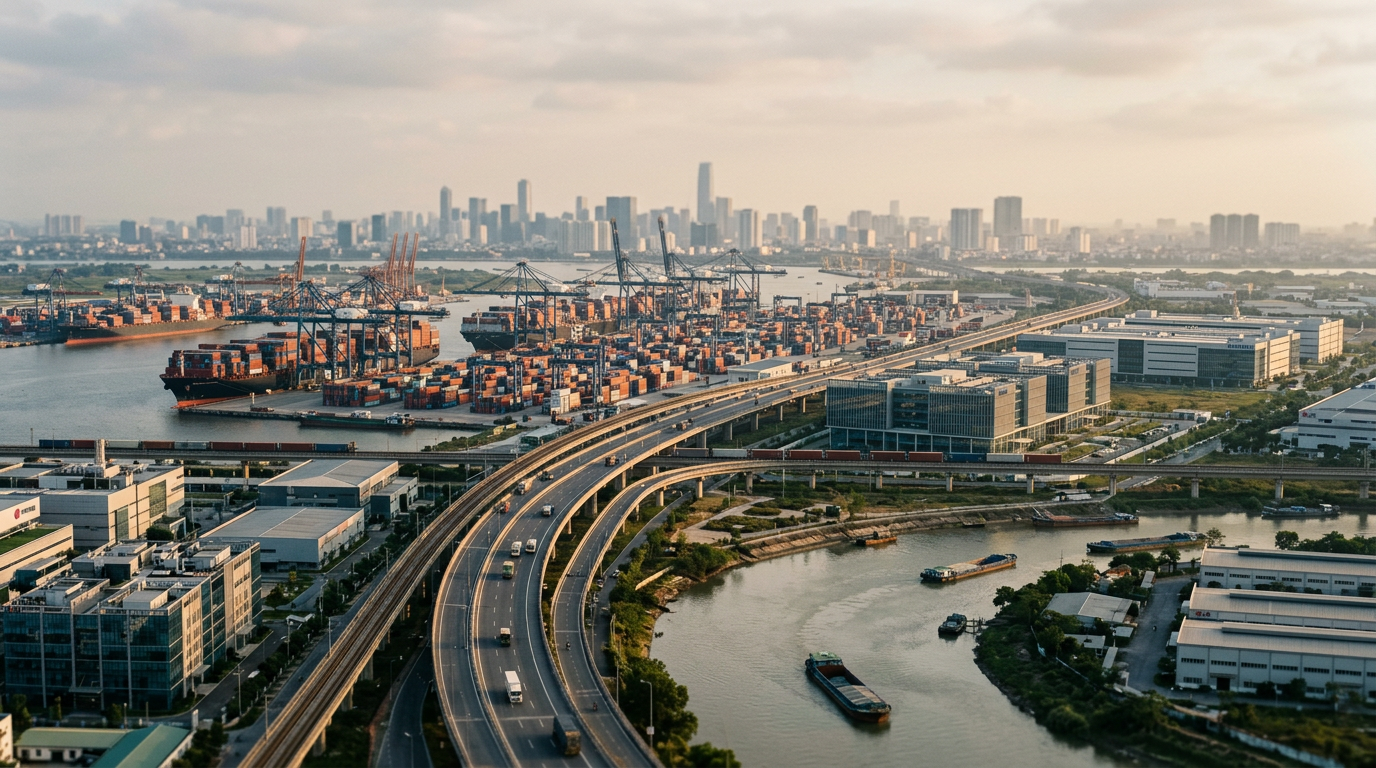
Furthermore, physical infrastructure must keep pace with policy ambitions. To become a more attractive alternative manufacturing and logistics hub, Vietnam must continue to develop its ports, roads, and energy networks. Capital follows capacity. Without the infrastructure to move goods efficiently or the talent to manage sophisticated operations, the benefits of new trade agreements remain limited. The effort to build these foundations is the quiet, essential work that underpins a nation's economic resilience.
What to watch
The progress of the US-Vietnam negotiations bears watching, not just for the specific concessions made but for the follow-through on implementation. Observers should monitor whether Vietnam enacts and, more important, enforces stricter IP laws and reforms non-tariff barriers. The ultimate measure of success will be the flow of capital and trade. A tangible increase in investment from the US and other partners would signal that Vietnam is making genuine headway in its strategic balancing act. The alternative is that the powerful, gravitational pull of its northern neighbor remains the primary force shaping its economic future.