Vietnam
Vietnam's Diplomatic Push Confronts the FDI Execution Test
Vietnam's new foreign affairs strategy aims to attract global resources, but turning investment announcements into reality requires a focus on domestic institutional capacity and execution.
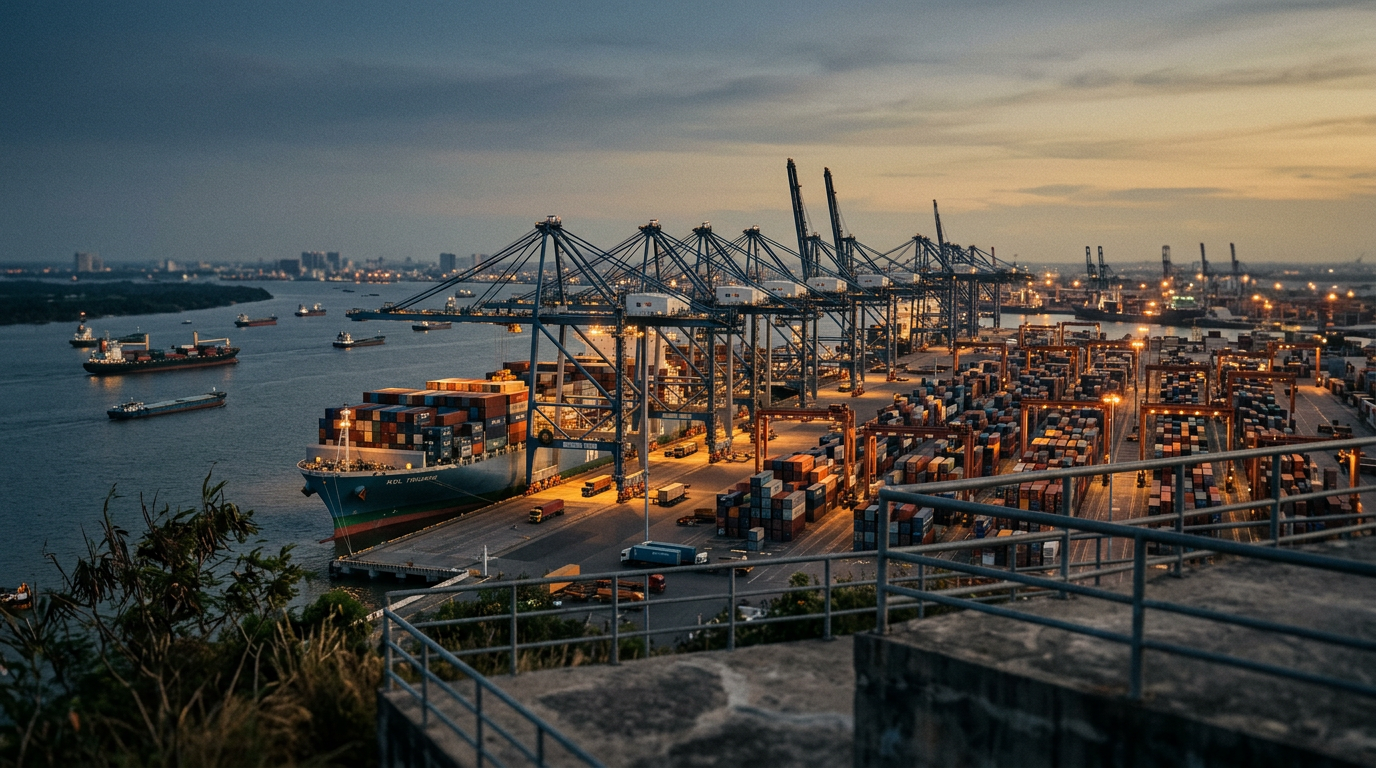
Vietnam is preparing a new comprehensive foreign affairs strategy to strengthen international engagement and mobilize global resources for national development, according to a report from VietnamNet. The initiative signals an intent in Hanoi to convert the country's growing diplomatic weight into tangible economic outcomes, particularly foreign direct investment (FDI).
This effort to systematize the attraction of foreign capital is a logical next step in Vietnam's development. The country has successfully elevated its relationships with major global powers, creating a favorable climate for investment. The new strategy aims to capitalize on this foundation, moving from high-level agreements to concrete projects. However, the success of this strategy will depend less on the skills of its diplomats and more on the capacity of its domestic institutions.
From Diplomacy to Deals
Hanoi has secured a series of diplomatic successes, establishing Comprehensive Strategic Partnerships with the United States, China, Japan, and others. These agreements provide a stable and predictable framework for international companies to consider Vietnam as an investment destination. The government's objective with its new strategy is to translate this goodwill into a steady flow of capital into target sectors, including high-tech manufacturing, renewable energy, and the digital economy.
For global firms, Vietnam's political stability, demographic advantages, and strategic location are clear attractions. The challenge for the government is to create a pipeline of bankable projects and a regulatory environment that allows capital to be deployed efficiently. This requires a coordinated effort that extends beyond the foreign ministry to involve ministries responsible for planning, finance, industry, and energy. The new strategy must provide a framework for this domestic coordination if it is to achieve its goals.
The Execution Challenge
Attracting FDI announcements is not the same as absorbing and executing the investment. As noted in the book ASEAN Rising, scale and strategic importance are not enough to guarantee investment. Analyzing the similar challenges faced by Indonesia, the book observes that while FDI announcements can happen quickly, "realised flows depend on the slower work of land, permits, power and talent reaching the ground."
This observation is directly relevant to Vietnam. Foreign investors frequently cite administrative bottlenecks, inconsistencies in regulatory interpretation between national and provincial levels, and difficulties in securing reliable power and cleared land as significant operational hurdles. Grand strategy may be set at the national level, but project execution happens at the local level. Overcoming this gap between policy ambition and implementation reality is the central task for Vietnam in its next phase of economic growth. The new foreign affairs doctrine will be most effective if it is paired with a domestic governance reform agenda.
What to watch
Observers should monitor the specific policies that emerge from this strategic review. The important indicators will not be in diplomatic communiques but in domestic regulatory changes. Watch for reforms aimed at streamlining investment licensing, improving coordination between central and provincial governments, and accelerating investments in energy infrastructure and technical education. The ultimate measure of success will be a sustained narrowing of the gap between announced and realized FDI in the years ahead.