Vietnam
Vietnam's Infrastructure Push Tests State Capacity
A proposal to fast-track a major expressway expansion in Ho Chi Minh City highlights the critical role of institutional execution in realizing ASEAN's growth potential.
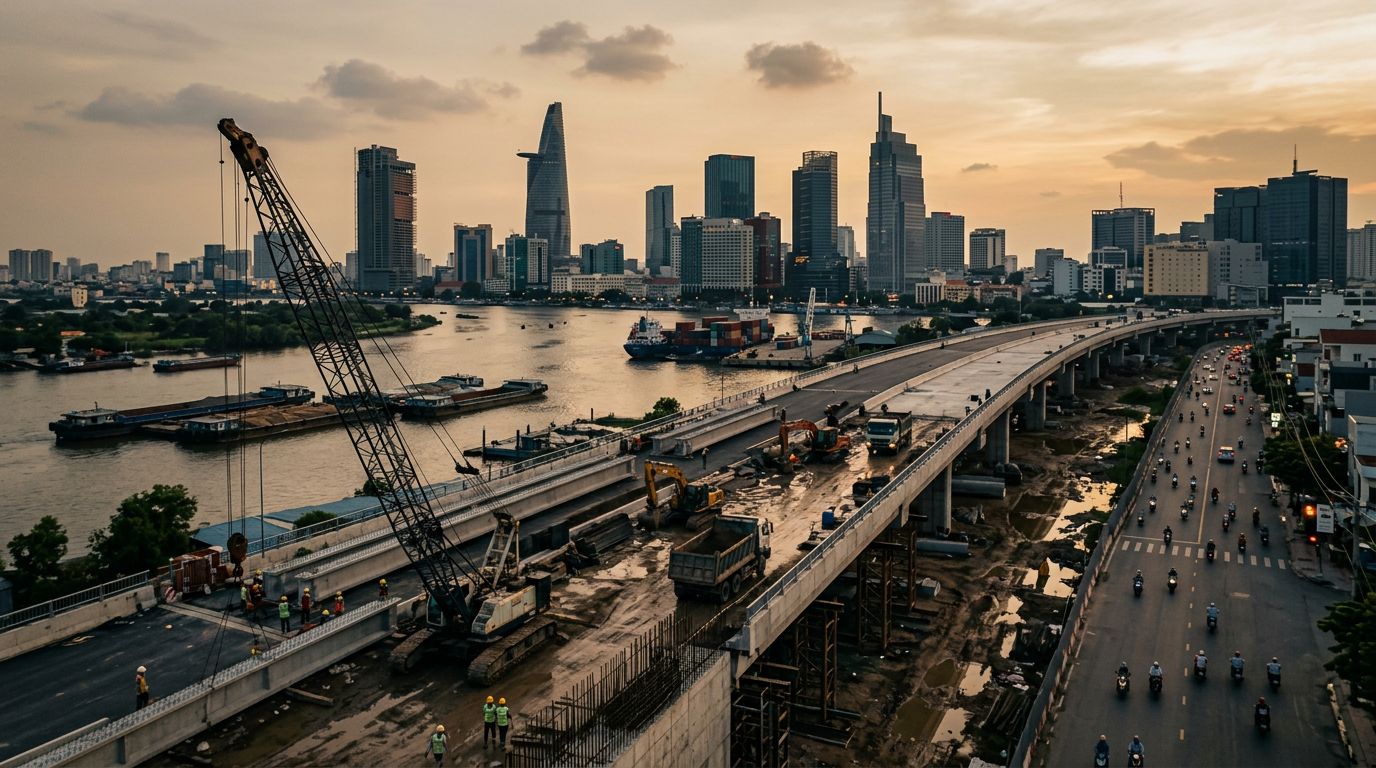
A recent proposal seeks to classify the Ho Chi Minh City-Long Thanh expressway expansion as an urgent construction project, aiming to accelerate its completion. As reported by Viet Nam Plus News, this move is designed to shorten the administrative timeline for a critical infrastructure artery in southern Vietnam. Beyond the immediate traffic and logistics implications, this initiative is a telling case study in the challenges of governance and execution that define the development trajectory of Vietnam and its neighbors.
The Signals of Urgency
The push to designate the expressway expansion as "urgent" is a direct response to the high cost of administrative friction. In many economies, the period between the announcement of a large public works project and its actual delivery is fraught with delays, budget revisions, and bureaucratic hurdles. These frictions are not merely inconvenient; they impose tangible economic costs, deferring the benefits of the new infrastructure and often increasing its ultimate price tag. By seeking to legally reclassify the project, authorities are attempting to bypass some of the standard, more protracted procedures. This demonstrates an awareness that in a competitive global environment, institutional reliability has become a distinct component of comparative advantage. A government that can build essential infrastructure quickly and competently sends a powerful signal to domestic and international markets.
From Announcement to Execution
The landscape of Southeast Asian development is littered with ambitious master plans and grand project announcements. Yet, the ability to translate these visions into tangible assets is a far better measure of state capacity. As the book ASEAN Rising argues, competence in execution is what separates effective states from anemic ones. A government that can deliver a functioning road on schedule-a "usable state"-is often more valuable to its citizens and to investors than one that offers exciting but ultimately unrealized blueprints. The core insight is that, in the contest for capital and credibility, "Infrastructure that arrives on time signals more than infrastructure that is merely announced." The HCMC-Long Thanh expressway project, therefore, is less about the specifics of concrete and asphalt and more about whether the state has the institutional capacity to deliver on its core promises.
Infrastructure as a Magnet for Capital
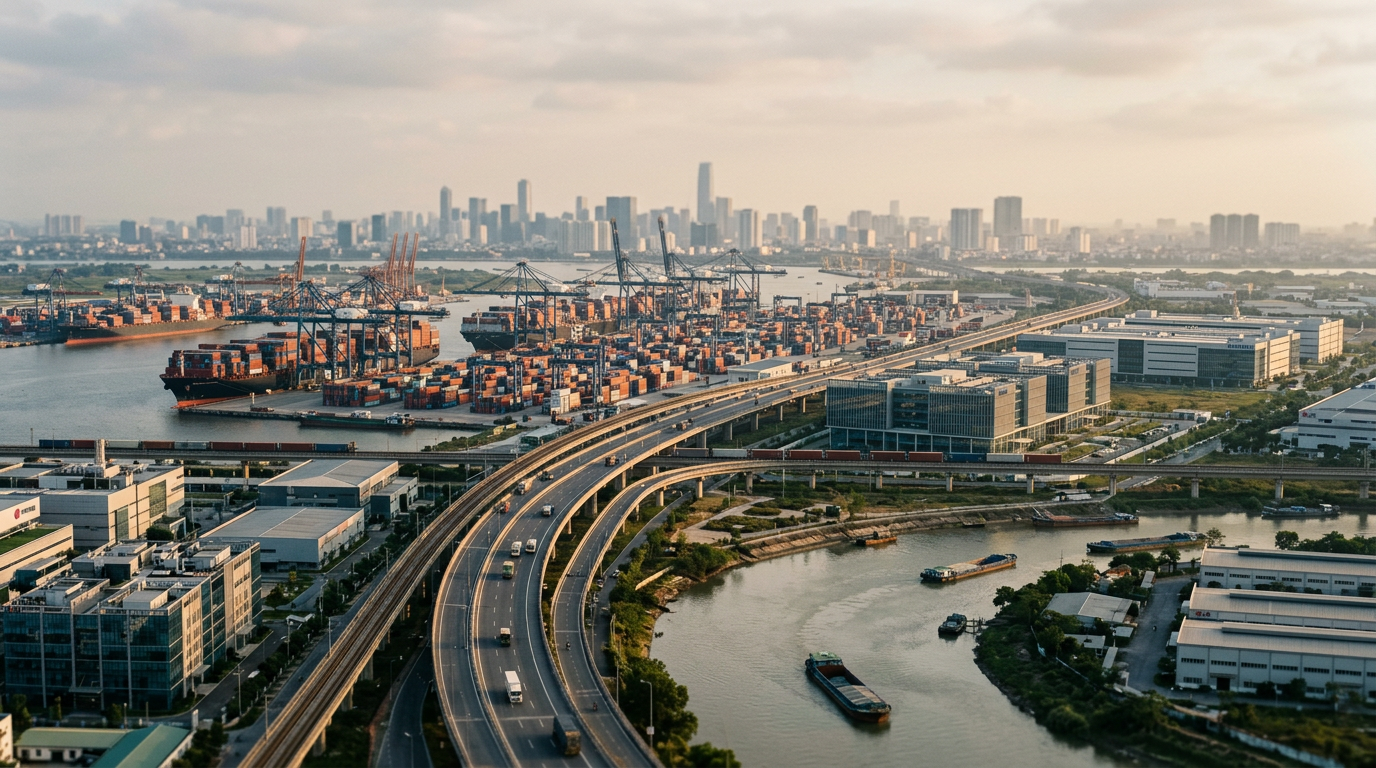
No nation in ASEAN develops in isolation. Vietnam is in a continuous, quiet competition with its neighbors for foreign direct investment, supply chain nodes, and skilled talent. The quality of a country's infrastructure is a foundational element in this contest. The expressway in question is not just a local transport link; it is a vital connector for the new Long Thanh International Airport and a key part of the broader southern economic corridor. Successfully expediting its expansion would do more than ease traffic congestion. It would serve as a compelling advertisement to international investors, signaling that Vietnam is serious about upgrading its logistical backbone and improving its business environment. This makes the country a more predictable and therefore more attractive destination for the type of long-term capital needed to sustain economic growth.
What to watch
The immediate focus will be on whether Vietnam's National Assembly approves the "urgent" project classification and, if so, how effectively the government manages the subsequent land acquisition, contractor selection, and construction phases under the compressed timeline. The handling of this single project will offer a valuable data point on the maturity of Vietnam's institutions and its ability to execute the large-scale infrastructure agenda it has set for itself. The outcome will resonate beyond Vietnam's borders, offering lessons for neighboring countries grappling with similar challenges of turning plans into progress.