Vietnam
Vietnam's Durian Deal With India Is a Textbook Case of Diversification
India's approval of durian imports from Vietnam is more than a simple trade agreement; it is a clear example of an ASEAN nation actively managing its economic dependency on China by seeking new markets.
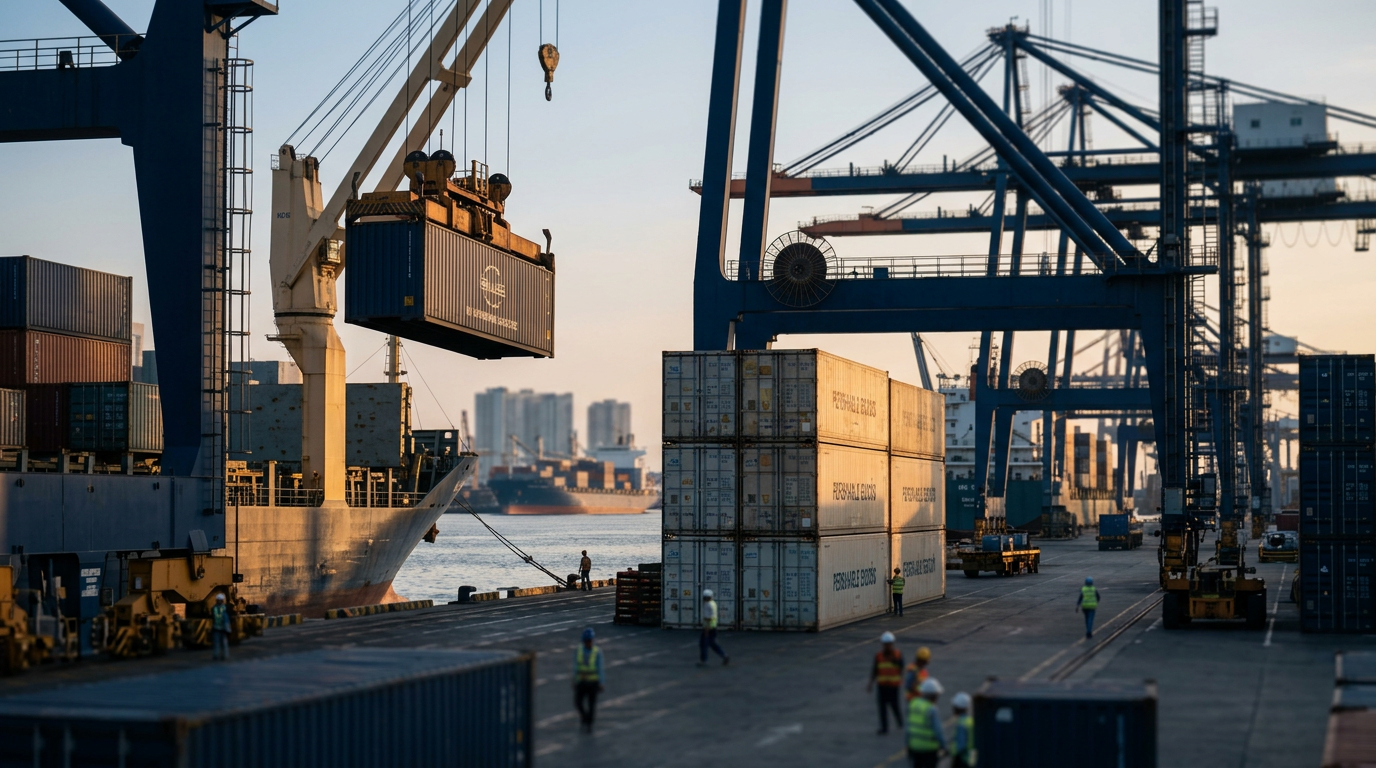
India has approved the import of fresh durian from Vietnam, a move that opens a substantial new market for one of Vietnam's signature agricultural products. According to a report from VnExpress International, this agreement follows years of negotiations and provides Vietnamese exporters with a meaningful alternative to their traditional markets. While on the surface this is a standard bilateral trade development, it represents a tangible step in a broader strategic rebalancing taking place across Southeast Asia.
The Weight of a Single Market
For many Vietnamese agricultural goods, particularly fruits like durian, the Chinese market is the dominant destination. This concentration creates significant economic vulnerabilities. Sudden changes in Chinese import policies, unscheduled border closures, or shifts in consumer demand can have an outsized impact on producers and the national economy. The reliance is a double-edged sword: it provides immense volume but at the cost of stability and negotiating leverage.
As the book "ASEAN Rising" notes, deep trade integration with China is now a structural feature of the region's economies. The challenge for governments is not about reversing this integration but about managing the associated risks. The goal is to build resilience and maintain strategic flexibility. This recent agreement demonstrates a practical application of that principle. By actively cultivating a new, large-scale market like India, Vietnam is directly addressing the issue of over-reliance and building a more diversified export portfolio.
The Institutional Framework for New Markets
Securing market access is only the first step; successful execution requires robust institutional and infrastructural support. The agreement with India is built upon a foundation of phytosanitary negotiations, ensuring that Vietnamese durian meets India's safety and quality standards. This process requires a high degree of institutional capacity on the Vietnamese side, from government negotiators to the growers and processors who must adhere to the new protocols.
Furthermore, penetrating the Indian market requires more than just a green light from regulators. It involves building new logistical chains, many of them requiring uninterrupted cold storage. It also necessitates a significant investment in marketing and distribution to introduce and popularize the fruit among Indian consumers. This is a long-term endeavor that tests a country's ability to move from high-level policy to on-the-ground commercial success. For ASEAN nations, learning how to navigate the regulatory and commercial intricacies of multiple large markets is a core competency for sustainable growth. It is a direct answer to the question of "how to manage dependency without losing optionality."
What to watch
Looking ahead, the success of this initiative will be measured by the actual volume and value of durian shipments to India over the next few years. Observers should also watch whether this agreement paves the way for other Vietnamese agricultural products to enter the Indian market. The most significant indicator will be if other ASEAN members with similar export dependencies on China follow Vietnam's lead and accelerate their own market diversification efforts, turning a national strategy into a regional trend.