Vietnam
Vietnam's FDI Surge Puts Execution on Trial
A nearly 60% surge in foreign direct investment is a vote of confidence in Vietnam's prospects. But turning these commitments into productive assets requires more than just capital; it demands a deep focus on the institutional capacity to deliver land, power, and skilled talent.
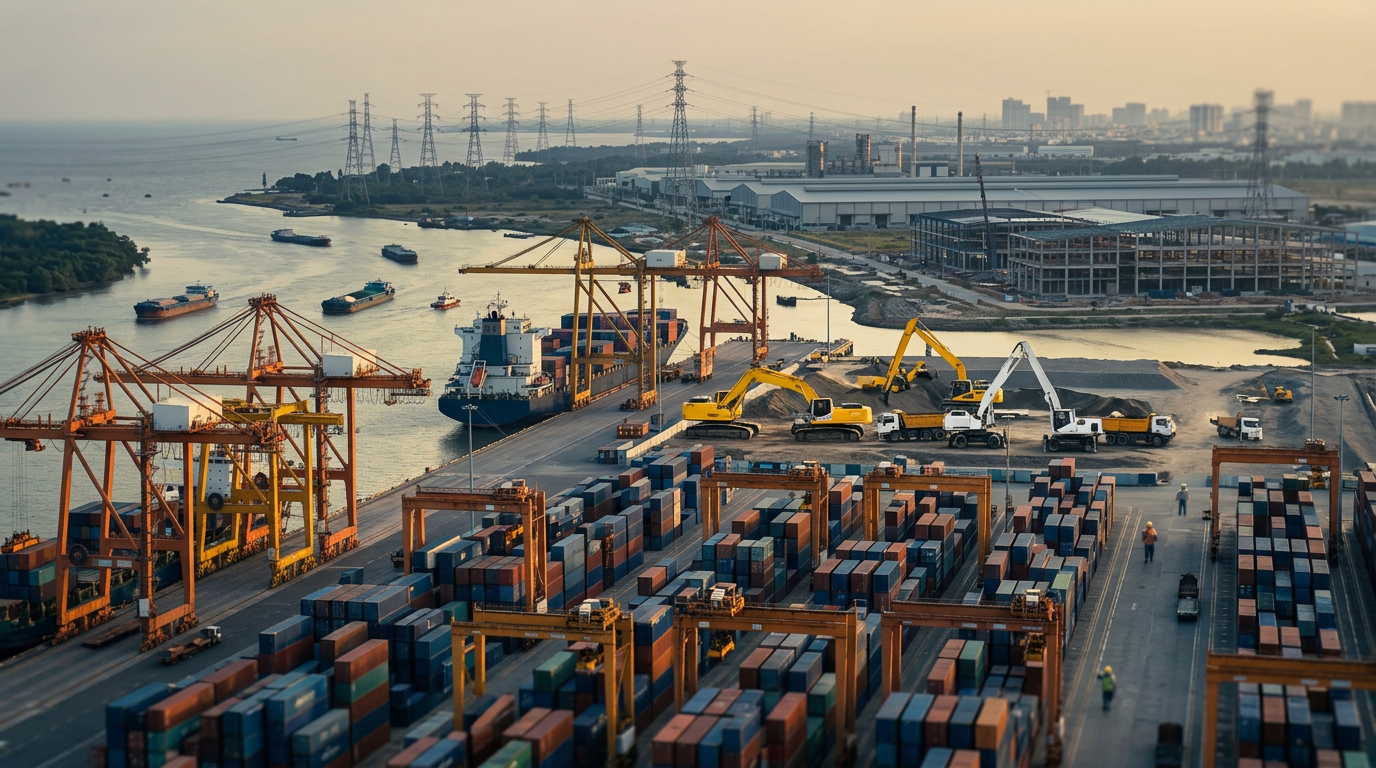
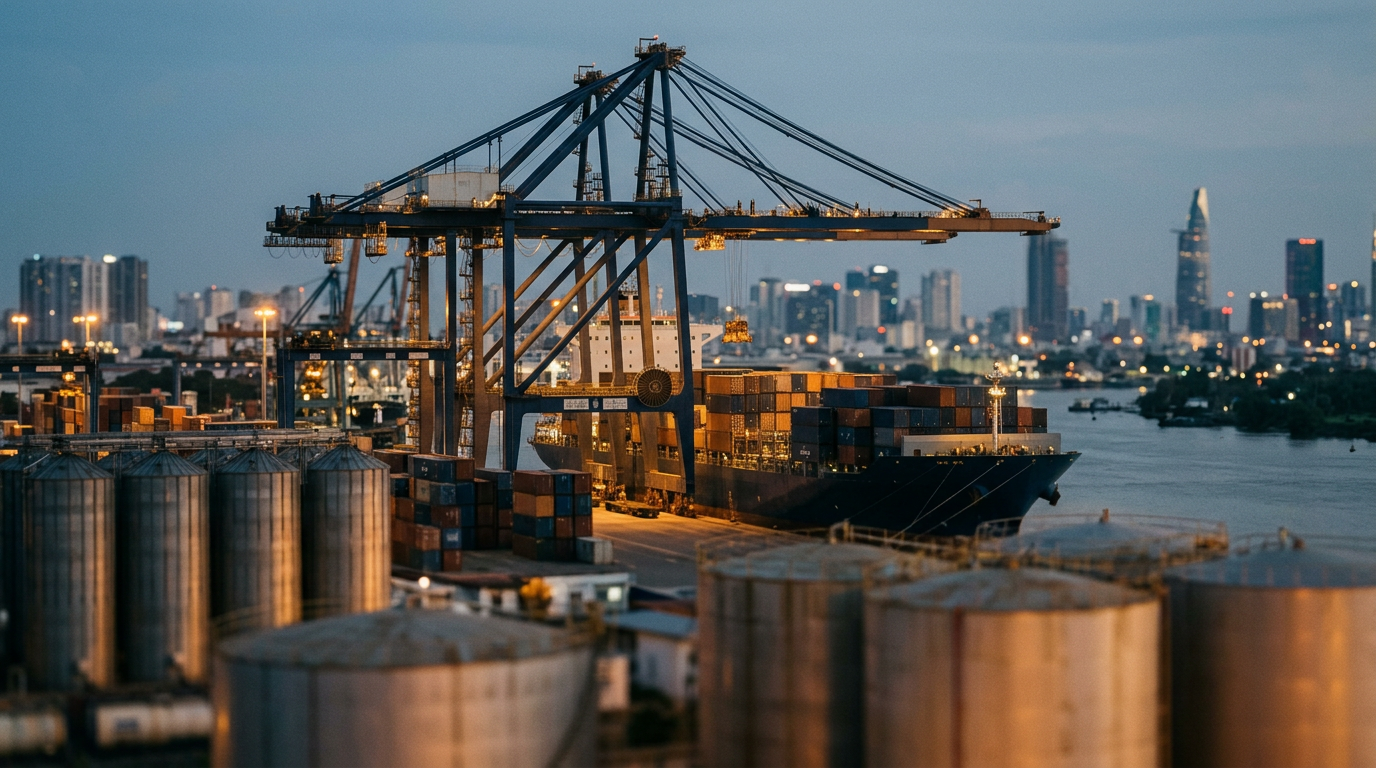
Vietnam's foreign direct investment (FDI) inflows surged an impressive 58% to $38 billion in the first seven months of the year, according to a report from VietnamPlus. This wave of capital, a clear signal of investor confidence, now presents a different and more complex test for the country: the test of execution.
A Vote of Confidence
The headline numbers are substantial. With processing and manufacturing attracting the largest share of capital at $11.58 billion, international firms are clearly backing Vietnam's position as a important hub in global manufacturing and supply chains. This inflow is a direct result of years of steady policy-making aimed at creating a stable and attractive environment for foreign capital. It affirms the country's economic strategy and provides the financial resources for the next phase of its industrial growth. For a government focused on elevating its economic standing within ASEAN and the world, this is a significant achievement.
The Execution Challenge
Yet, as encouraging as these announcements are, they represent only the first step in a long process. As discussed in the book ASEAN Rising, headline figures for investment commitments often obscure the more difficult work that follows. The journey from a signed memorandum of understanding to a fully operational factory is where the true challenges lie. The book notes that "Realised flows depend on the slower work of land, permits, power and talent reaching the ground." This observation is especially relevant for Vietnam today. The primary task is to convert this powerful wave of investor interest into tangible, productive assets on the ground, a task that falls squarely on the shoulders of the country's institutions.
Testing Core Capacities
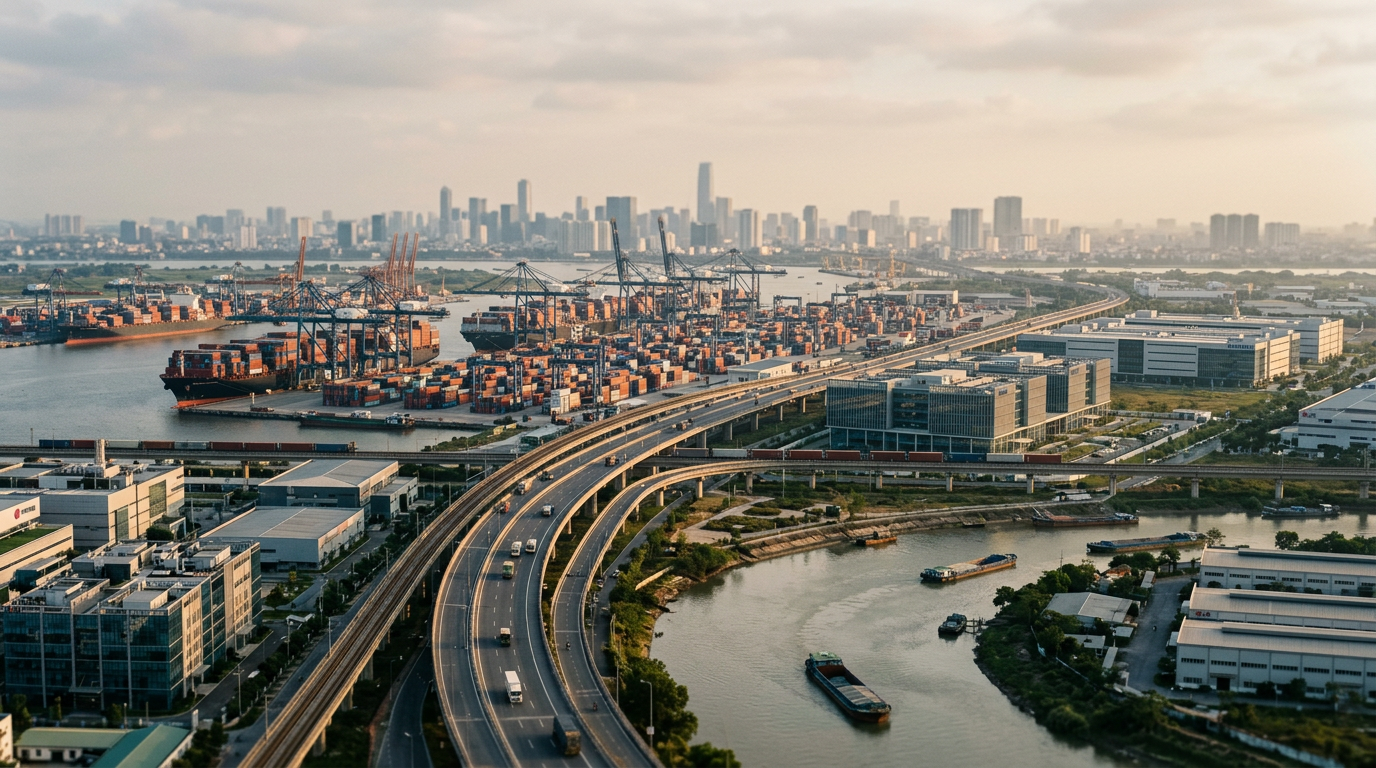
The scale of this FDI surge will inevitably place a strain on Vietnam's core infrastructure and administrative systems. Securing suitable industrial land is the first hurdle for any large manufacturing project. The availability and readiness of industrial zones, complete with necessary utilities, will be tested. Beyond the factory gates, the reliability of the national power grid is a major concern. Past power shortages during periods of high demand have already signaled a vulnerability; a host of new factories will add significant new loads to this system, making grid expansion and modernization an urgent priority.
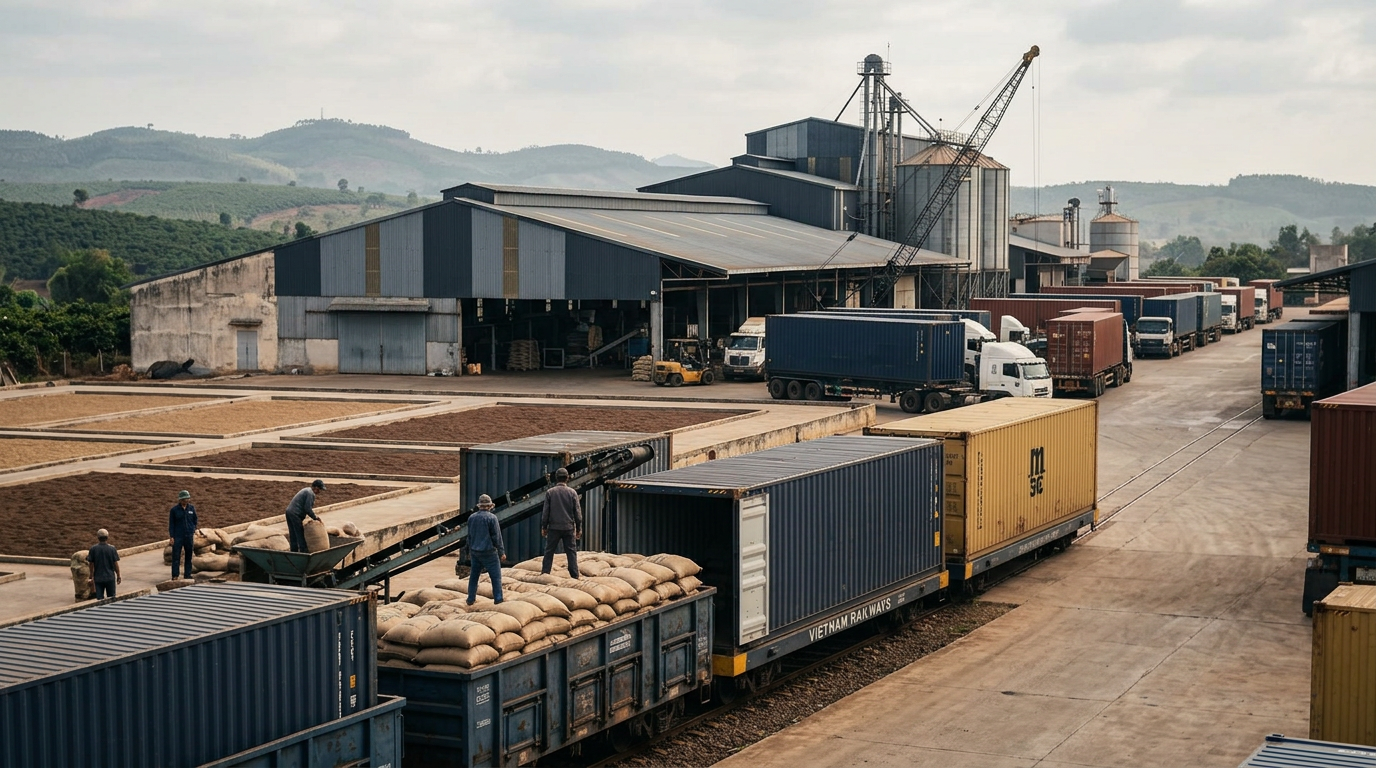
The focus on manufacturing also intensifies the demand for a skilled workforce. The need is not just for general labor, but for technicians, engineers, and line managers who can operate sophisticated machinery and adhere to global quality standards. Matching the output of vocational and technical schools with the specific needs of incoming industries is a persistent challenge. Finally, the efficiency of the bureaucracy in processing permits and licenses will be under a microscope. While Vietnam has made significant progress in improving its ease of doing business, the sheer volume of new projects will rigorously test the capacity and transparency of its administrative machinery at both the national and provincial levels.
From Capital to Trust
Ultimately, the ability to execute on these projects is what builds long-term investor trust. This trust is not generated by investment promotion roadshows, but by a proven track record. When foreign firms see that their peers can acquire land, secure permits, connect to a reliable power source, and hire a qualified workforce in a predictable manner, it creates a powerful reinforcing loop. Each successful project execution effectively de-risks the next one, cementing the country's reputation not just as a low-cost destination, but as a reliable and effective place to do business. This is how a foundation of trust is built, ensuring that capital continues to flow not just for one year, but for the long term.
What to watch
What to watch now are not just the monthly FDI figures, but the lagging indicators of execution. Observers should monitor reports on industrial land prices and availability, updates on national power grid capacity and development plans, and data on technical and vocational training enrollments. The true measure of this FDI boom will be found in the operational metrics of the factories, power plants, and logistics networks that are yet to be built.