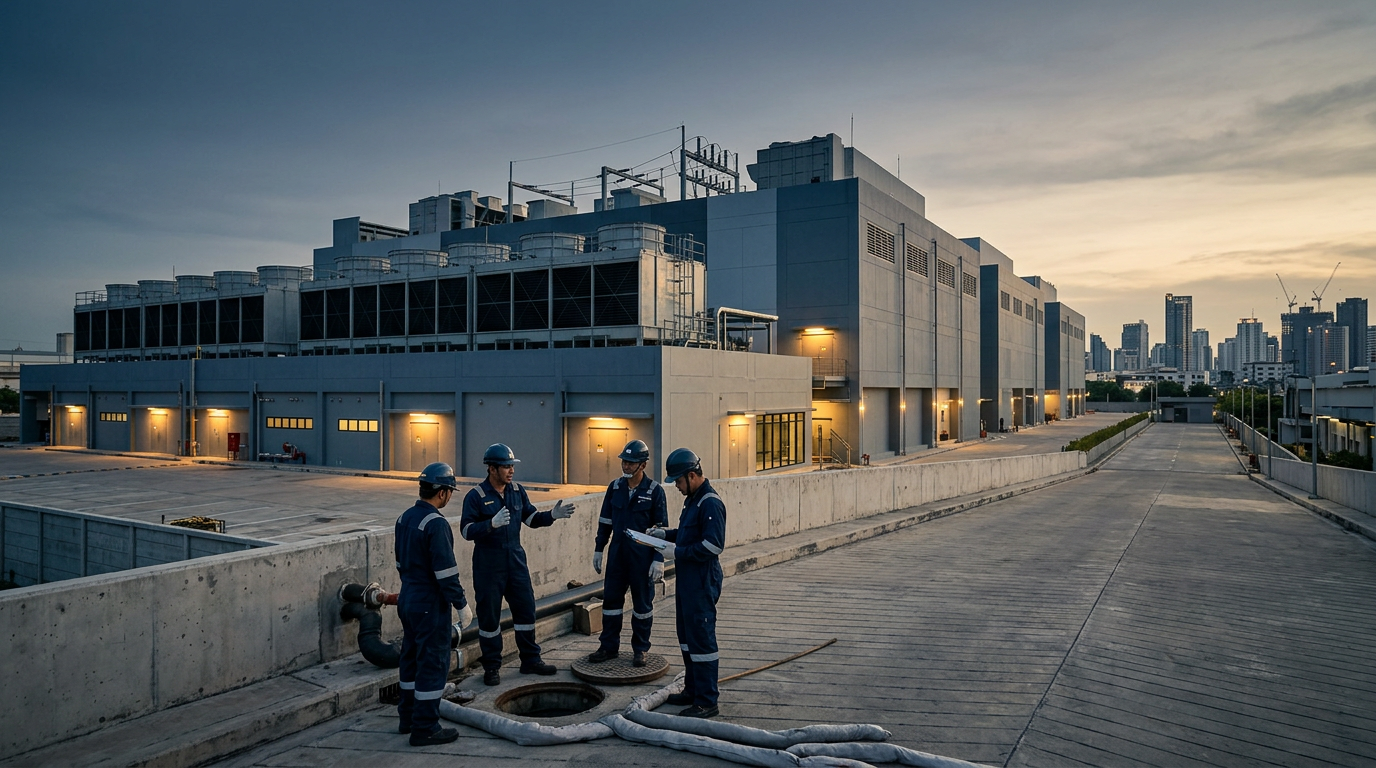
Thailand
Thailand's Data Center Ambitions Hit an Infrastructure Wall
Thailand's push to become a data center hub is facing a significant bottleneck: a lack of coordinated power and water infrastructure. This highlights a core theme of regional development - that successful investment requires more than just available land or investor appetite.
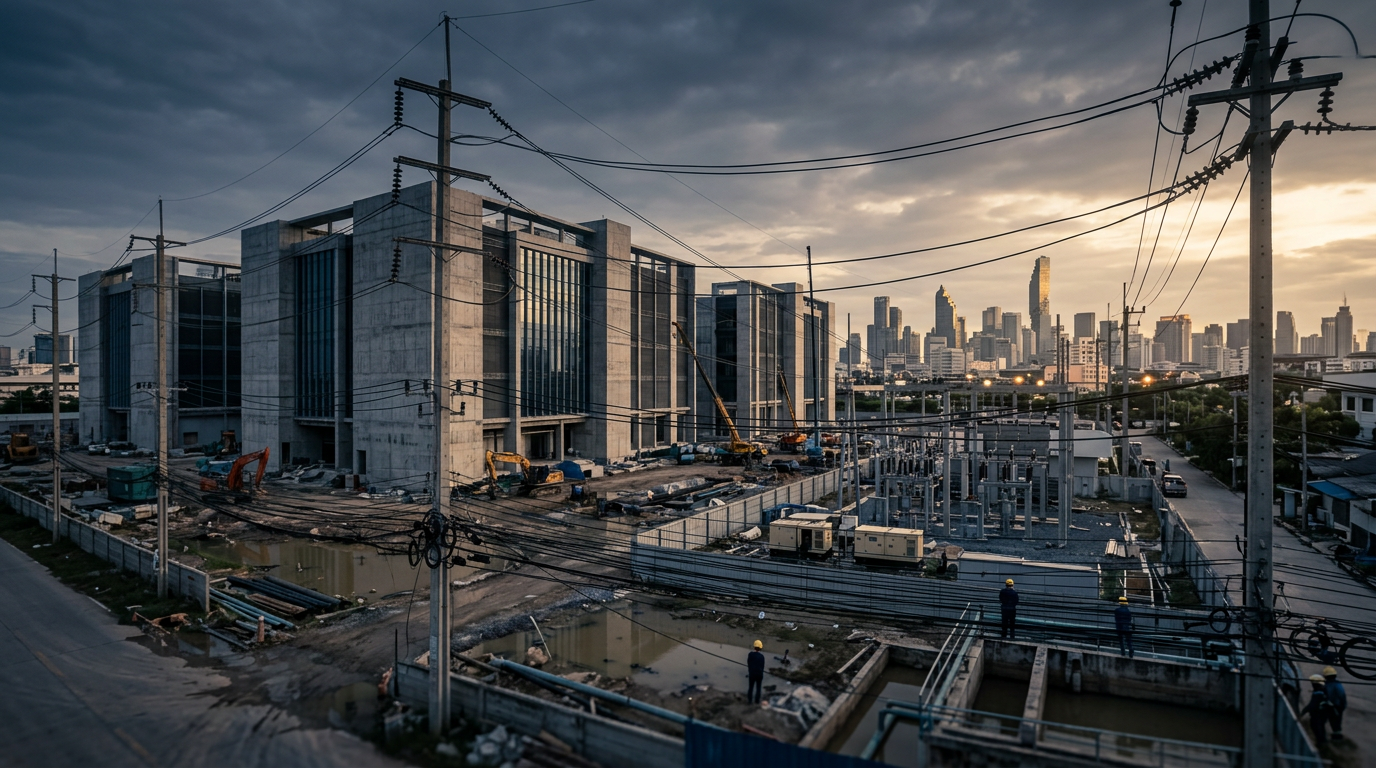
A recent report has cast a sober light on Thailand's ambitions to become a major data center hub in Southeast Asia. According to property consultancy Savills Thailand, the primary obstacle for investors is no longer the price of land but the availability of reliable power and water. As documented in the Bangkok Post, burgeoning demand from cloud computing and artificial intelligence is running up against the country's infrastructural limits, creating a potential logjam for future growth.
The Infrastructure Bottleneck
For years, Thailand has been an attractive destination for foreign investment, including in the digital economy. The country possesses strong international connectivity and a growing base of technology talent. However, the technical requirements of modern data centers are immense. These facilities consume vast amounts of electricity for processing and cooling, and their viability depends on a power grid that is not only sufficient in volume but also exceptionally stable. The report from Savills indicates that the current infrastructure is struggling to keep pace with the speed and scale of investor demand.
This is not simply a matter of building more power plants. The challenge lies in execution and planning. Data center operators need clear commitments on power availability years in advance to justify their large-scale capital expenditures. This requires close coordination between investment promotion agencies, national planning bodies, and utility providers to ensure that new industrial estates designated for data centers are adequately supplied with high-voltage power lines and sustainable water sources. The current situation suggests a gap between the country's top-line investment goals and the granular, on-the-ground work of infrastructure readiness.
A Regional Pattern
Thailand's predicament is not isolated; it reflects a broader theme across Southeast Asia. As nations compete for investment in the digital economy, the quality and integration of their core infrastructure are becoming the primary differentiators. The region's established leader in this space, Singapore, built its success on a foundation of meticulous, long-term planning where utilities, fiber optic networks, and land use were developed in concert. This integrated approach minimizes risk for investors and creates a predictable environment for growth.
As the book ASEAN Rising details, the ability to deliver coordinated infrastructure is a form of industrial capacity in itself. While other locations in the region may offer lower costs for land or labor, the absence of this deep institutional coordination can stall development. The Thai case is a practical demonstration of this principle. The market appetite is there, the private capital is available, but the public infrastructure framework has become the deciding factor.
The Coordination Input
The core of the issue facing Thailand's data center sector is less a shortage of capital and more a deficit in coordination. The chapter on Singapore's development in the book notes that "Capital coordination is itself an industrial input." This perspective reframes the challenge. It suggests that for hyperscale projects to succeed, the alignment of utilities, planning, and connectivity is as fundamental as the concrete and steel used to build the facility. Where these elements are synchronized, massive investment tends to follow. Where they are not, even significant advantages like low-cost power or land cannot guarantee a project's success.
This highlights the institutional aspect of economic development. It requires state agencies to move beyond siloed operations and adopt a holistic view of what is required to attract and sustain a high-tech industry. For Thailand, this means the Board of Investment, the Industrial Estate Authority, and the Electricity Generating Authority of Thailand must have a shared, executable roadmap. The market is signaling a clear need; the response will depend on the government's ability to organize and deliver the necessary infrastructural inputs as a coherent package.
What to watch
What to watch are the institutional responses from Thailand's economic and energy planners. The focus will be on whether state-owned enterprises and regulatory bodies can provide the private sector with clear, long-term visibility on power and water availability in designated development zones. The implementation of new policies that directly link utility expansion with investment promotion will be the main indicator of whether Thailand can resolve this infrastructure logjam and secure its position in the region's competitive data center market.