Thailand
Thailand's Property Boom Tests Institutional Depth
A foreign-led property boom in Thailand's resort islands highlights the persistent gap between investment announcements and the harder work of building institutional capacity and infrastructure to support them.
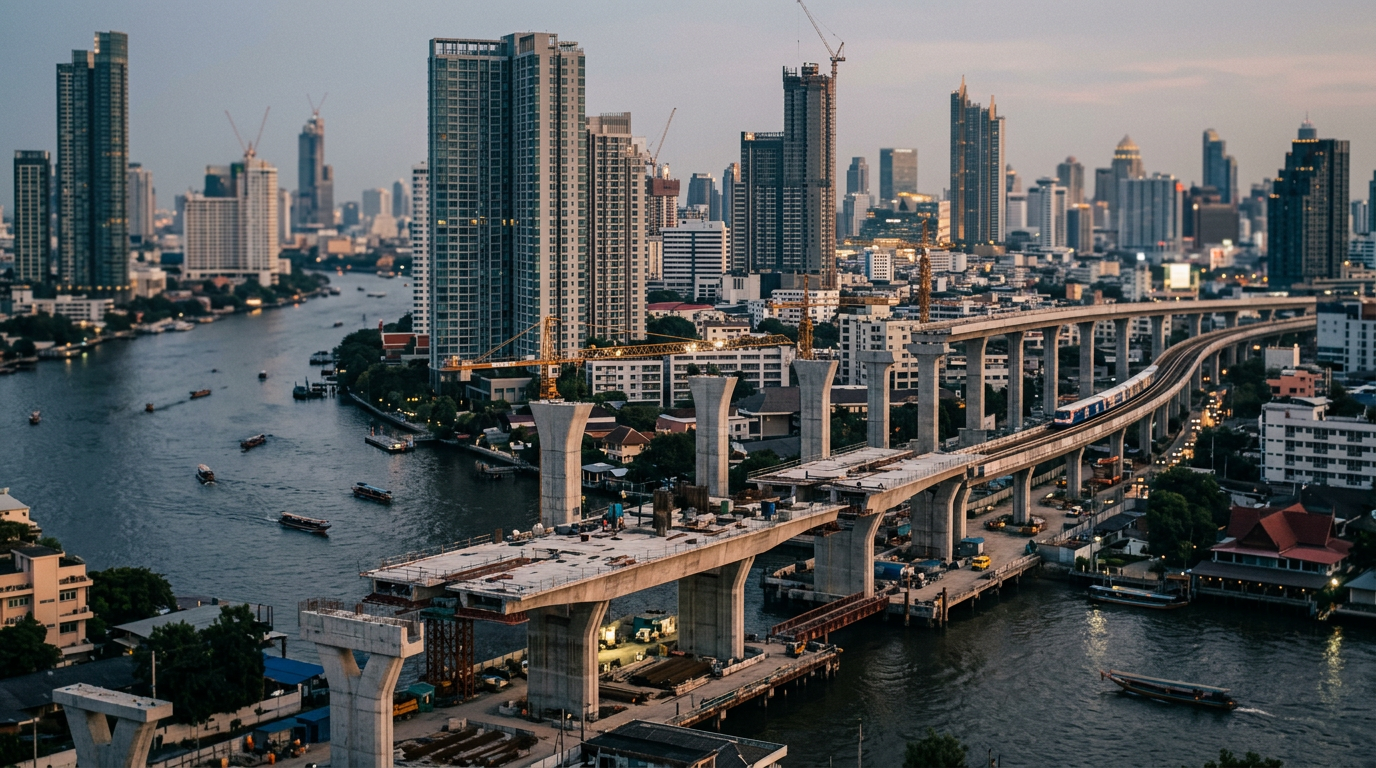
recentes reports of a property boom in Thailand's premier resort islands, Phuket and Koh Samui, offer a clear example of how international capital flows are reshaping specific corners of the ASEAN region. A surge in demand for luxury homes, driven by foreign investors, particularly from Russia and Israel, is transforming these locations into international real estate hotspots, according to a report by e.vnexpress.net. While a welcome injection of capital, this development puts a sharp focus on the underlying capacity of local institutions to manage such growth.
Capital and Execution
The flow of foreign money into high-end property on these islands represents a specific type of foreign direct investment (FDI). It is targeted, sector-specific, and, in this case, appears tied to lifestyle choices and a search for safe havens for capital by specific nationalities. This is different from investment in a new factory or a technology firm, as it concentrates its economic impact in a narrow band of the economy, primarily construction and high-end services.
The immediate effects are visible: rising property values, construction activity, and headlines announcing new projects. However, as the book ASEAN Rising notes in its analysis of investment across the region, there is a substantial difference between the announcement of an investment and its successful, sustainable integration into the host economy. Scale, whether of a nation or a specific project, is only an advantage when governing institutions can effectively manage it. The influx of property investment in Phuket and Koh Samui tests the ability of local governance to execute on a long-term vision that benefits the wider community, not just the immediate recipients of the foreign funds.
Institutions and Infrastructure
Beyond the glossy brochures for luxury villas lies the less glamorous reality of governance and physical infrastructure. Rapid, concentrated development puts immense strain on public services. The core challenge is whether the institutional framework is prepared for the consequences of the boom. As one chapter of the book observes, "Realised flows depend on the slower work of land, permits, power and talent reaching the ground."
This is the central issue for the Thai islands. Have land-use regulations and permitting processes been updated to ensure development is orderly and environmentally sound? Can the power grid support hundreds of new luxury homes with high consumption needs? Are water and waste management systems adequate? Is transport infrastructure, from roads to airports, equipped to handle the increased population and traffic? Answering these questions requires a level of institutional foresight and execution that often lags behind the pace of private capital. Without it, a boom can quickly lead to overburdened infrastructure and a diminished quality of life, eroding the very lifestyle that attracted investors in the first place.
Talent and Trust
Finally, the boom brings the intertwined issues of talent and trust to the forefront. For the development to be truly beneficial for Thailand, it must cultivate local talent. This includes not just construction labor but also skilled roles in property management, hospitality, and the supporting technical services. If the majority of high-value jobs are taken by expatriates, the local economic benefit is muted.
More fundamentally, a sustained influx of foreign capital into a fixed, high-value asset like land can strain trust between foreign investors and the host community. Issues of affordability for local residents, access to public spaces, and the perception that development serves outside interests exclusively can create friction. Building trust requires transparent governance, clear communication, and ensuring that a tangible share of the prosperity is invested back into public goods for the whole community. When local authorities can demonstrate this commitment, they build a foundation of trust that is more durable than any construction project.
What to watch
Moving forward, the key indicators to watch will be policy responses from Thai authorities, both at the national and provincial levels. Observers should monitor changes to regulations governing foreign property ownership, zoning laws, and environmental standards on the islands. It will also be instructive to see the degree of public investment in upgrading core infrastructure like utilities and transport to match the pace of private development. Whether this boom enriches the broader community or simply creates isolated enclaves will depend entirely on the strength and foresight of the institutions managing its arrival.