Thailand
Thailand EEC: FDI Realisation Beyond the Factory Floor
The expansion of a hospital in Thailand's Eastern Economic Corridor offers a clear signal of how announced FDI is translating into tangible economic activity, a process that requires more than just capital.
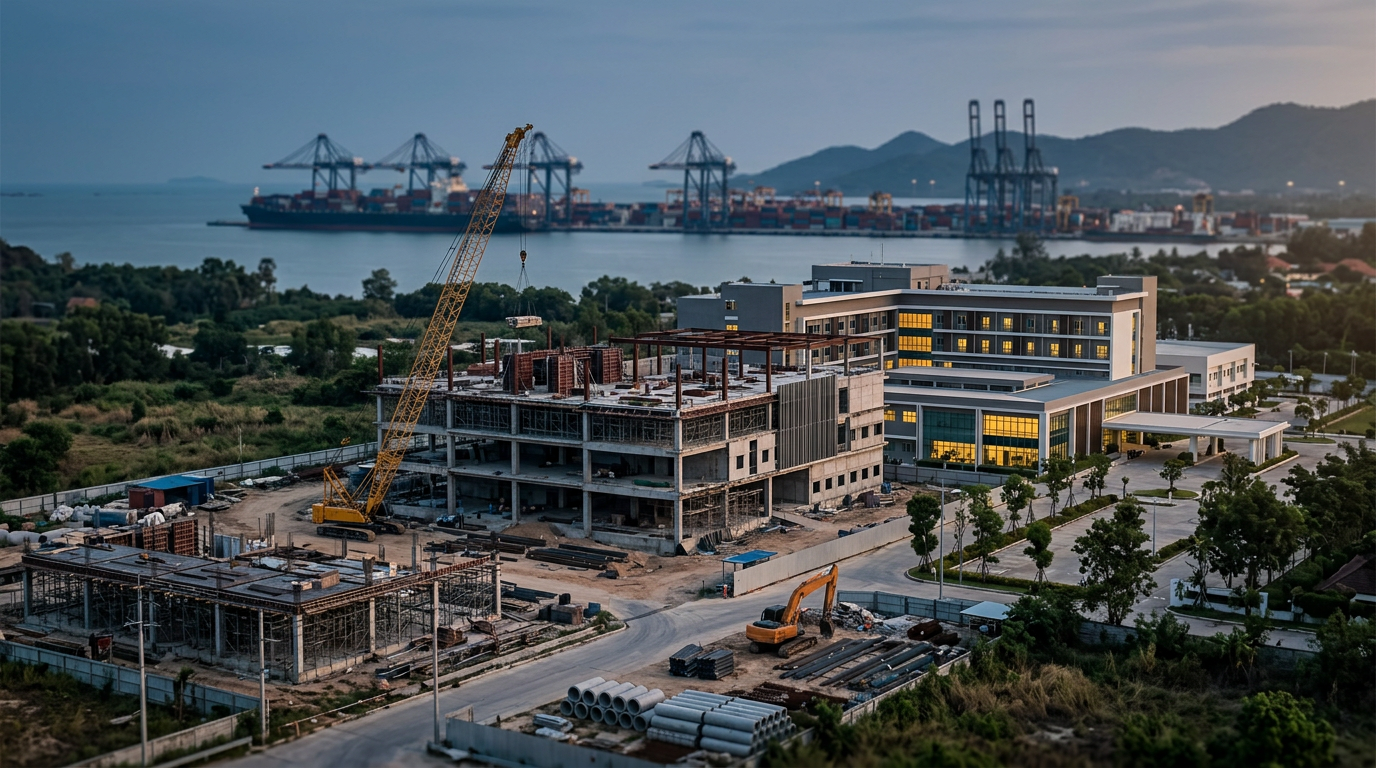
A recent report that Phyathai Sriracha Hospital is expanding to serve a growing number of foreign patients offers a ground-level view of investment dynamics in Thailand's Eastern Economic Corridor (EEC). According to the Bangkok Post, the growth in patients is connected to rising investment in the surrounding industrial zone. While a hospital wing may seem far removed from industrial production, its expansion is a tangible indicator of foreign direct investment moving from press release to physical presence, creating downstream economic effects in the process.
From Pledges to Patients
Foreign investment in ASEAN is often measured in headline-grabbing announcements of multi-billion dollar commitments. These pledges represent significant intent, but their conversion into active projects is a separate, more complex undertaking. As the book ASEAN Rising notes, turning a country's scale into investable depth for foreign capital requires effective institutions. FDI announcements travel quickly, but the actualisation of that investment is far slower. "Realised flows depend on the slower work of land, permits, power and talent reaching the ground."
The hospital's expansion is a direct consequence of these realised flows. The foreign patients are not tourists; they are expatriate executives, engineers, and their families who have relocated to the EEC because their companies have built and staffed facilities there. This signifies that the hard work of securing land, obtaining permits, and connecting to the power grid is happening. The demand for healthcare services is a second-order effect of this activity, but one that demonstrates a deepening of the investment ecosystem beyond the factory fence.
An Institutional Test Case
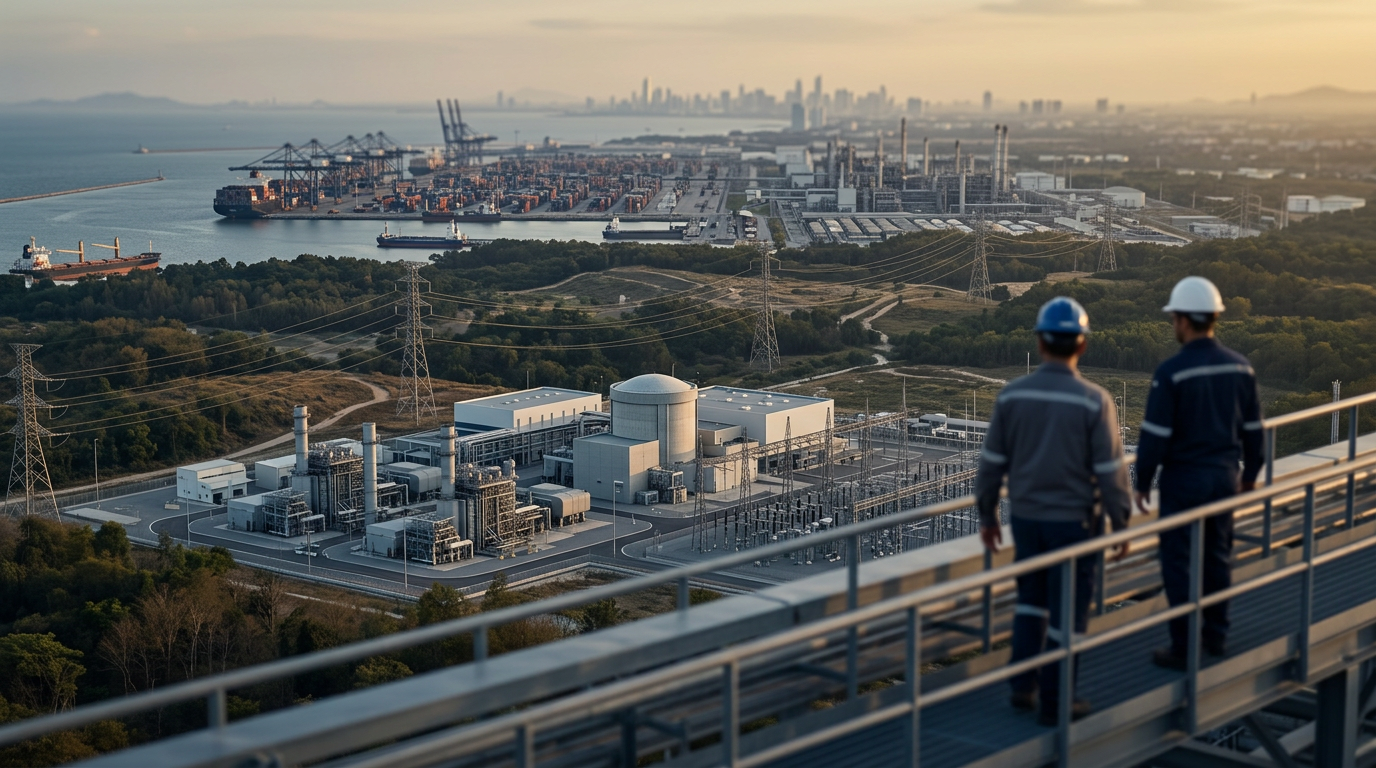
The EEC itself is Thailand's most ambitious attempt to streamline that "slower work." It is a massive, multi-decade national strategy designed to attract advanced industries through a combination of tax incentives, infrastructure development, and regulatory reform. The success of the EEC hinges on the effectiveness of its governing body, the Eastern Economic Corridor Office of Thailand (EECO), in providing a predictable and efficient environment for investors.
By offering a one-stop service for regulatory approvals and coordinating across government ministries, the EECO aims to shorten the timeline from announcement to operation. The development of targeted industrial estates for specific sectors like medical devices, robotics, and aviation provides pre-approved, utility-ready land for investors. The fact that companies are moving in and bringing staff who now require local services like healthcare suggests that this institutional framework is functioning, at least in part, as intended. It is this execution, more than the initial promises, that builds investor confidence and encourages further capital allocation.
Infrastructure and Talent
The EEC plan is not limited to industrial infrastructure. The project includes massive public investments in transport, including the expansion of U-Tapao airport and high-speed rail lines to connect the area with Bangkok. The growth of private, high-quality social infrastructure, such as the Phyathai Sriracha Hospital, is a complementary and market-driven response. For the highly skilled foreign talent that advanced industries require, the availability of good schools and healthcare is not a minor consideration. It is a core part of the package that makes an international posting attractive and sustainable.
This also brings the talent question into sharp focus. The presence of foreign specialists highlights the immediate need, but the long-term health of the EEC depends on developing a deep pool of local Thai talent. The government's plan includes numerous partnerships between companies and Thai educational institutions to tailor curricula for the EEC's target industries. The effectiveness of these programs in producing a skilled workforce will determine whether the EEC can create broad-based prosperity. The hospital needing foreign patients for its business model today points to the workforce that needs to be developed for tomorrow.
What to watch
The hospital expansion is a useful, concrete signal of progress. Observers should look for other such indicators that go beyond FDI value announcements. Progress on the flagship infrastructure projects, particularly the high-speed rail link between Don Mueang, Suvarnabhumi, and U-Tapao airports, remains a bellwether for the government's execution capacity. Another important area to monitor is the degree of integration of local small- and medium-sized enterprises into the supply chains of the foreign multinational corporations setting up in the zone. Finally, tracking the employment outcomes for graduates of the EEC-focused vocational and university programs will provide insight into whether the talent pipeline is meeting industrial demand.