Thailand
Thailand's AI Data Center Debate Tests ASEAN's Investment Foundation
A proposal in Thailand to scrutinise the environmental impact of AI data centres highlights a wider ASEAN challenge: translating investment announcements into sustainable, on-the-ground reality.
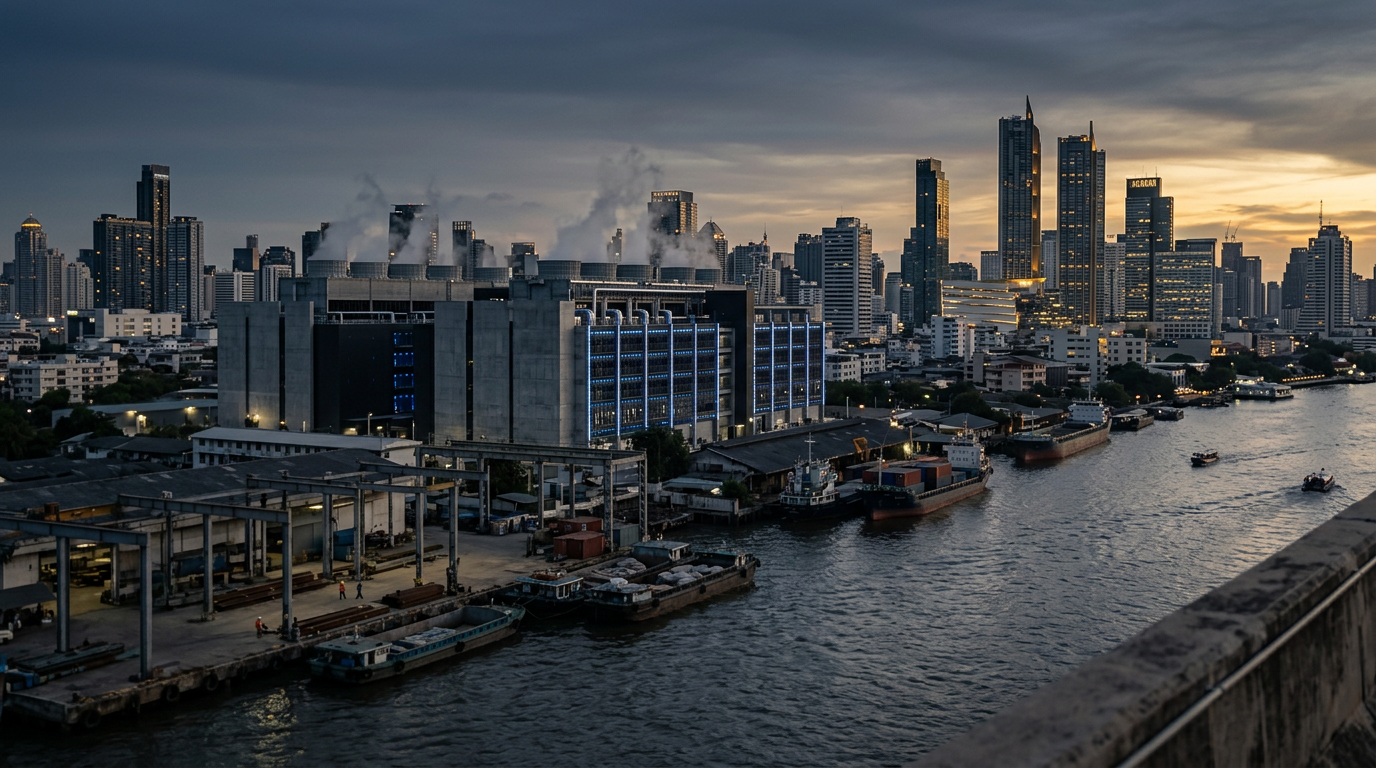
A Thai member of parliament has called for a new committee to scrutinise the environmental impact of new AI data centres, according to a report from eco-business.com. The proposal goes to the heart of a fundamental challenge for all of Southeast Asia: how to move from successfully attracting high-value foreign direct investment to managing its complex, long-term consequences.
The global race to build capacity for artificial intelligence has led technology giants to announce multi-billion dollar investments in data centers across the region, with Thailand, Malaysia, and Indonesia as primary targets. While these announcements are welcome signals of investor confidence, the move in the Thai parliament underscores the immense practical strains these facilities place on national resources. It suggests a growing awareness that headline investment numbers do not always tell the full story.
From Announcement to Execution
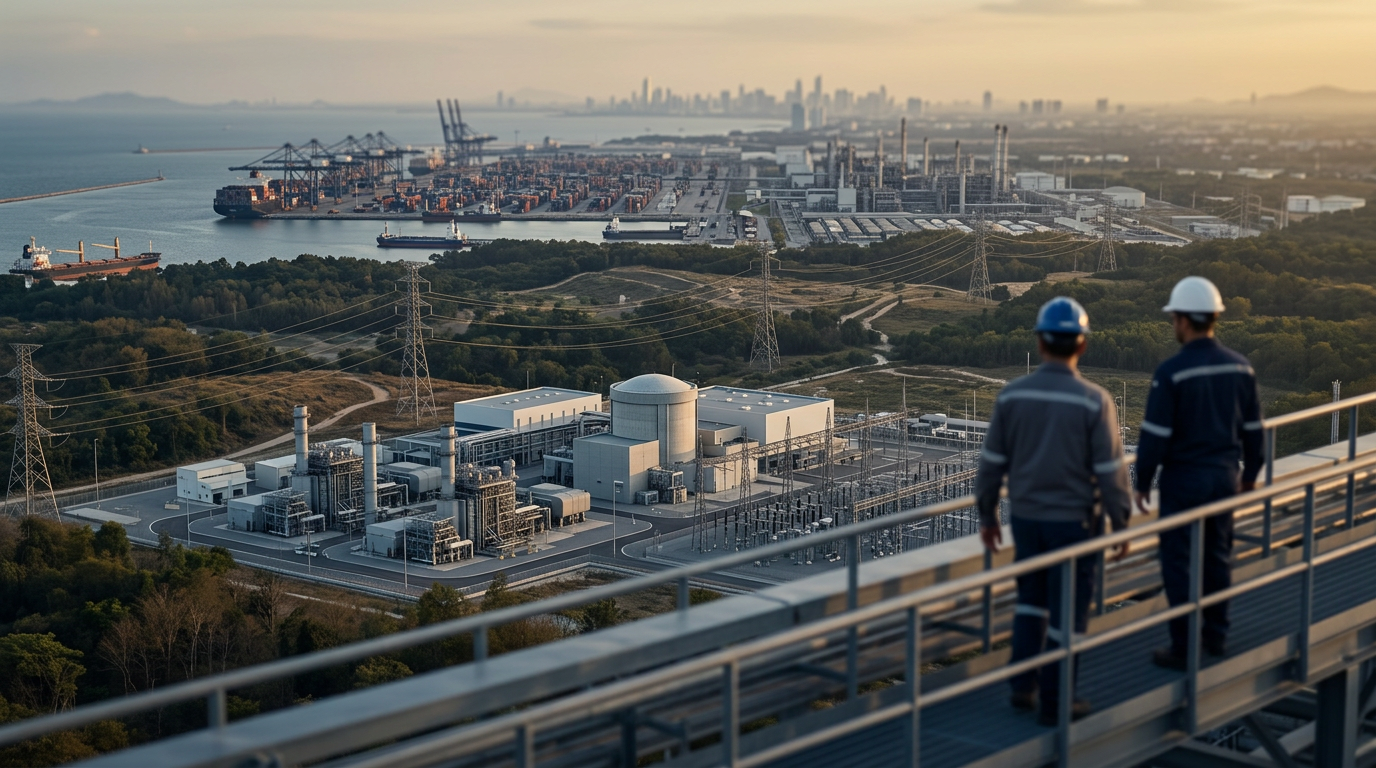
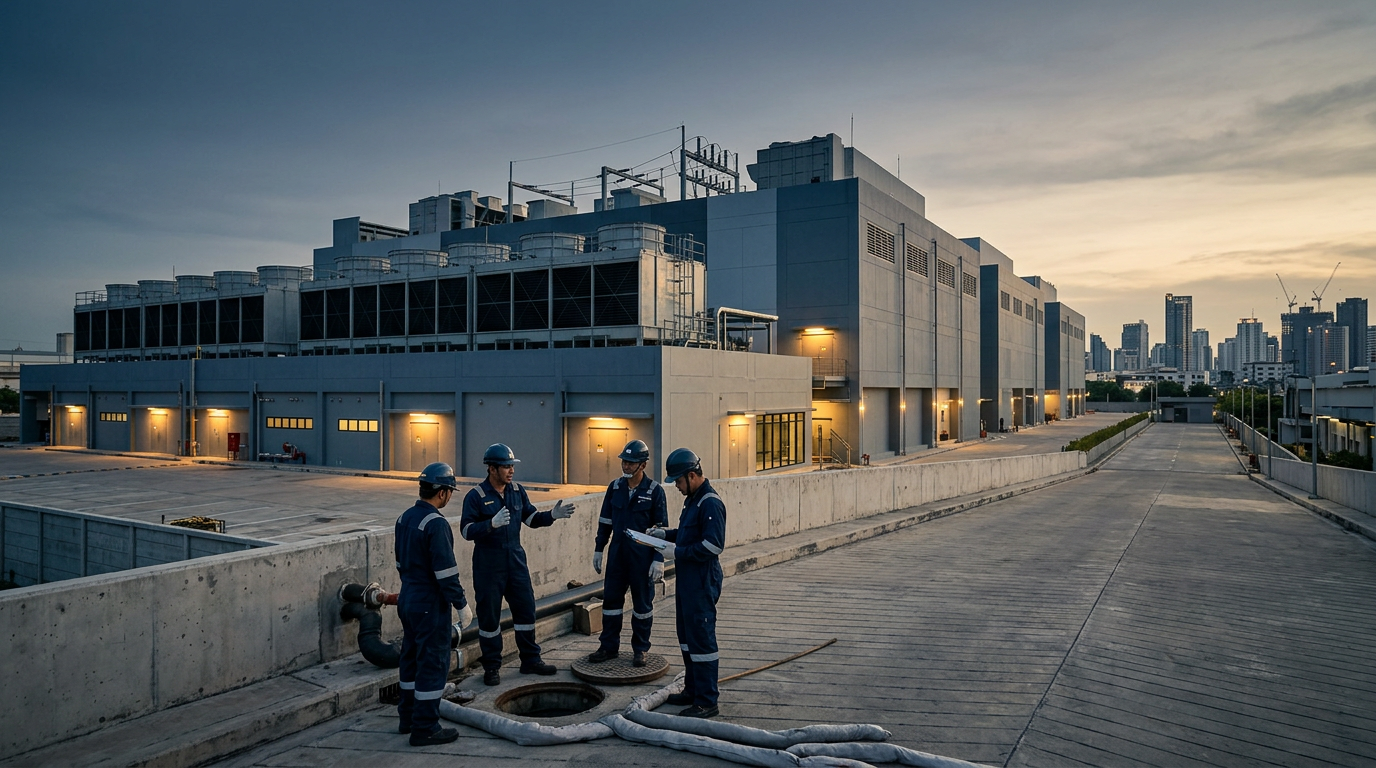
The core issue is the gap between an investment announcement and its successful, sustainable implementation. Data centers, particularly those designed for AI, are famously intensive consumers of power and water for cooling. Their development poses a significant new demand on national utility grids and water supplies that are already under pressure in many parts of Southeast Asia. Fulfilling these needs is a test of execution that goes far beyond the initial investment agreement.
This dynamic is a central theme in ASEAN Rising, which argues that scale and ambition must be matched by the ability of a country's institutions to deliver the underlying requirements for growth. As the book notes on the topic of foreign investment, "realised flows depend on the slower work of land, permits, power and talent reaching the ground." The debate in Thailand is a direct reflection of this principle. The focus is shifting from the promise of capital to the practicalities of providing power and managing environmental impact, which are essential for any large-scale project to succeed.
Institutions and Investable Depth
The lawmaker's proposal should not be seen as a barrier to investment, but as a sign of institutional maturation. Establishing a formal body to review the environmental effects of a new and demanding industry is a way of building a more predictable and stable operating environment. For long-term investors, regulatory clarity and robust governance are not obstacles; they are assets. They provide assurance that the "rules of the game" are transparent and that social and environmental risks are being managed proactively.
By addressing these issues through a parliamentary committee, Thailand has an opportunity to create a framework that can be applied to future projects. This process builds trust, both with local communities who bear the direct environmental costs and with investors who require stability. It is this kind of institutional strength that turns a large market into one with true investable depth. Without it, countries risk a cycle of celebrated announcements followed by project delays, disputes, and a gradual erosion of investor trust when on-the-ground realities fail to match initial plans.
What to watch: The immediate focus will be on the Thai government's response to the lawmaker's proposal and the specific terms of reference for any resulting committee. Observers of the region should also monitor whether similar debates about the environmental and infrastructural costs of data centers emerge in Malaysia, Indonesia, and Vietnam, which are also actively pursuing these investments. The way these governments navigate the trade-offs between attracting capital and managing its real-world impact will be a telling indicator of their institutional maturity.