
ASEAN Analysis & Commentary
Every analysis published on ASEAN Rising is sourced, datestamped and signed. We're more interested in being right in 12 months than first in 12 minutes.
Foundation pieces
Start here. The three pieces below set out the lens ASEAN Rising uses to read every story.
ASEAN Rising's core lens. Execution Economics is the study of whether countries, companies and institutions can convert obvious potential into delivered outcomes - and which six pillars decide the answer.
The region has capital, demographics, location and policy ambition. None of that has ever been the binding constraint. The next decade is an execution test, not a potential test - and it is already being scored.
Malaysia is the test case for whether ASEAN's middle powers can turn FDI, semiconductors and data centres into compounding domestic capability. Read the live coverage and execution scorecard.
Analysis tagged #governance

 Vietnam
ASEAN Biodiversity Action and the Science of State Capacity
The ASEAN Centre for Biodiversity demonstrates the concrete benefits of institutional capacity. Reliable execution is a form of comparative advantage.
 Vietnam
The Hard Work of ASEAN Biodiversity
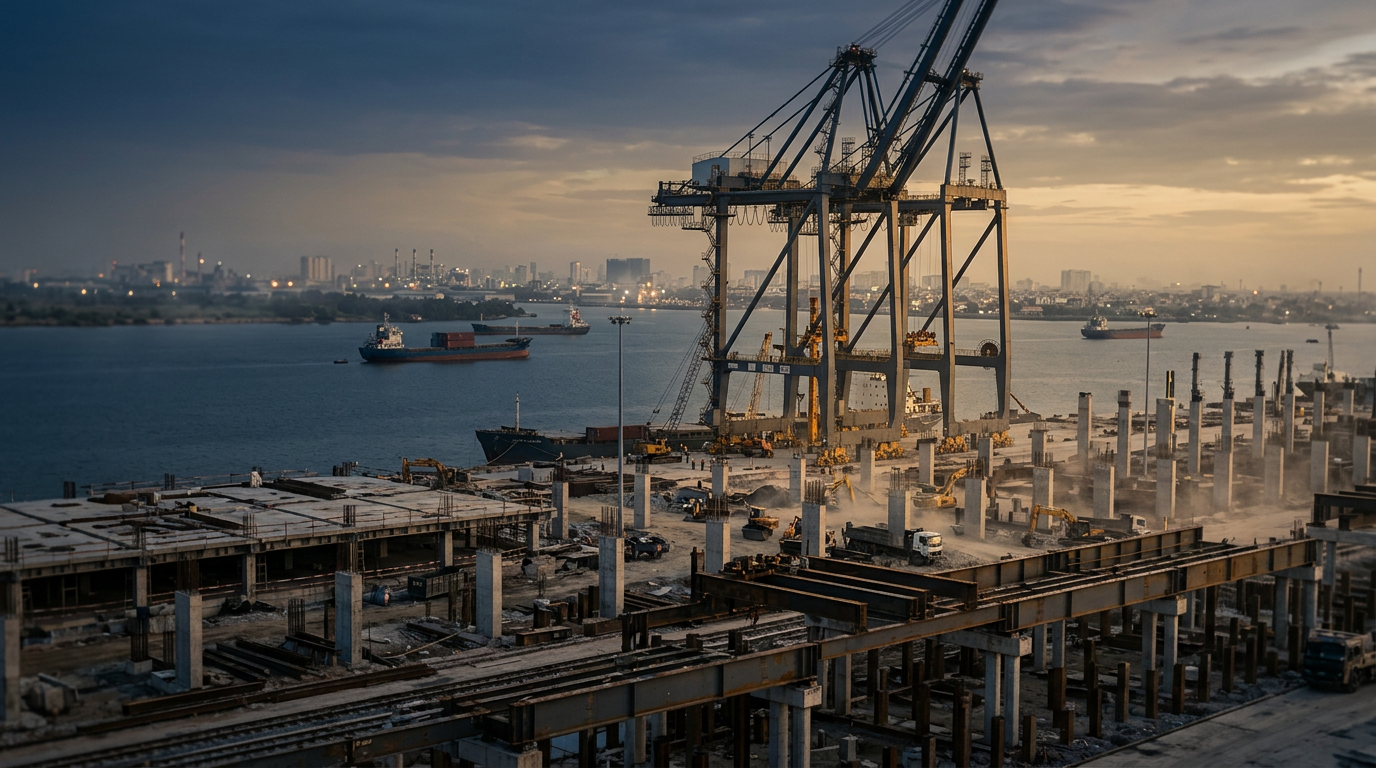
High-level statements on biodiversity are easy to make. The hard work is in the execution, which demands institutional capacity and follow-through.
 Vietnam
The Hard Work of ASEAN Biodiversity
ASEAN's biodiversity goals depend on more than high-level commitments. The region's success will be determined by the patient work of building institutional capacity and delivering reliable infrastructure.
 Vietnam
ASEAN Biodiversity Action and the Reliability Test
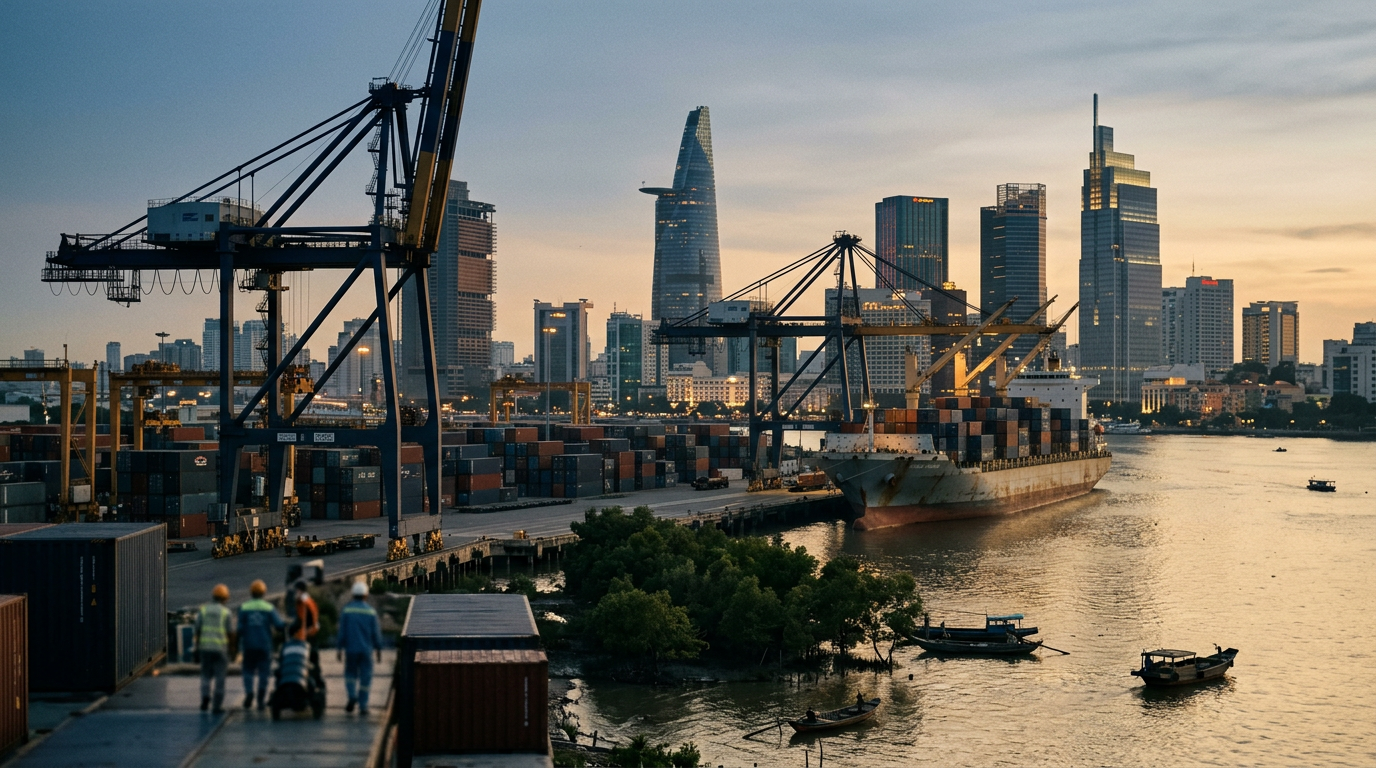
The ASEAN Centre for Biodiversity is a good first step, but the real measure of success is institutional reliability and consistent execution.
 Vietnam
ASEAN Biodiversity Action and the Usable State
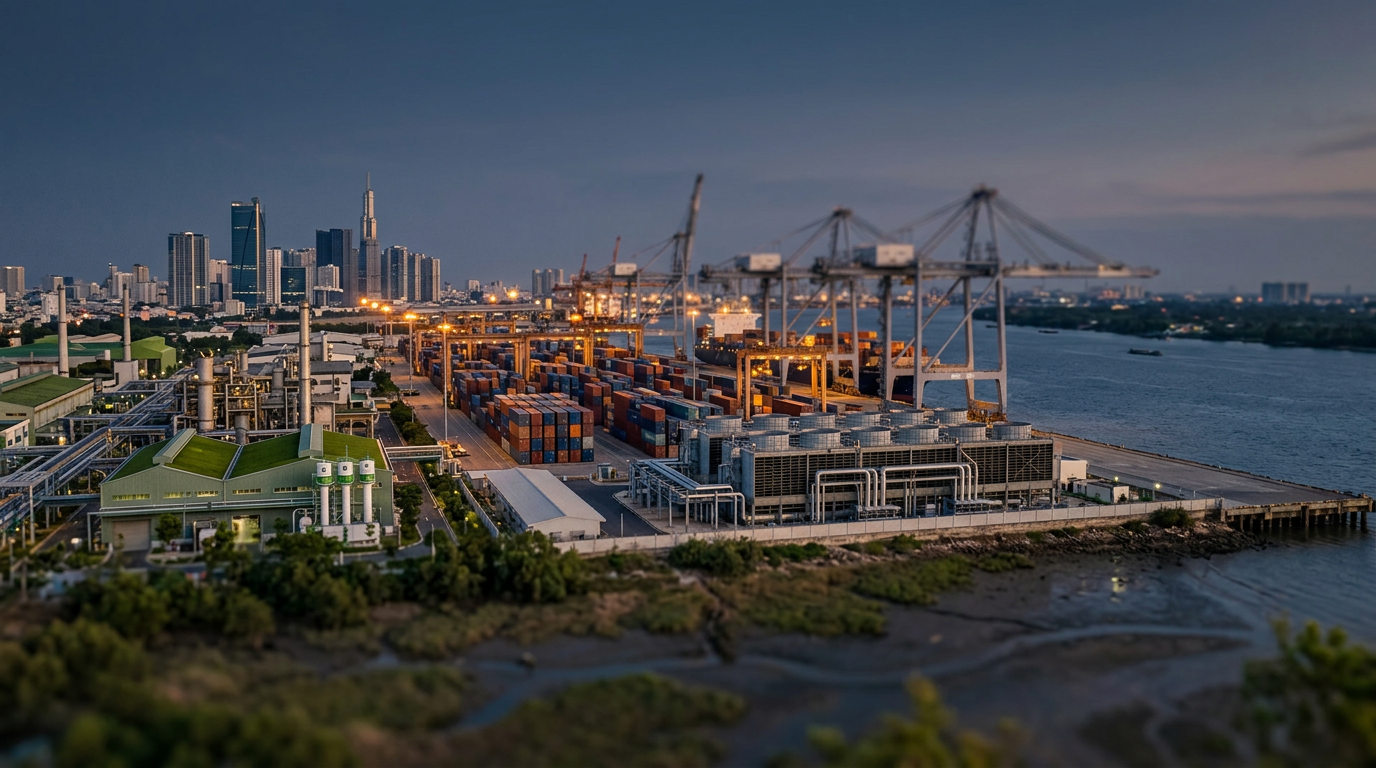
ASEAN biodiversity initiatives are a case study in the gap between high-level pronouncements and the institutional capacity required for execution.
 Vietnam
The Hard Work of ASEAN Biodiversity
Translating high-level biodiversity commitments into concrete action requires robust institutional capacity and a focus on execution, a theme central to sustainable development as outlined in "ASEAN Rising".
 Vietnam
ASEAN Biodiversity: From Words to Action
Translating high-level commitments on biodiversity into tangible results requires a focus on institutional execution and state capacity. ASEAN has a framework, but its effectiveness depends on what happens after the speeches.
 Malaysia
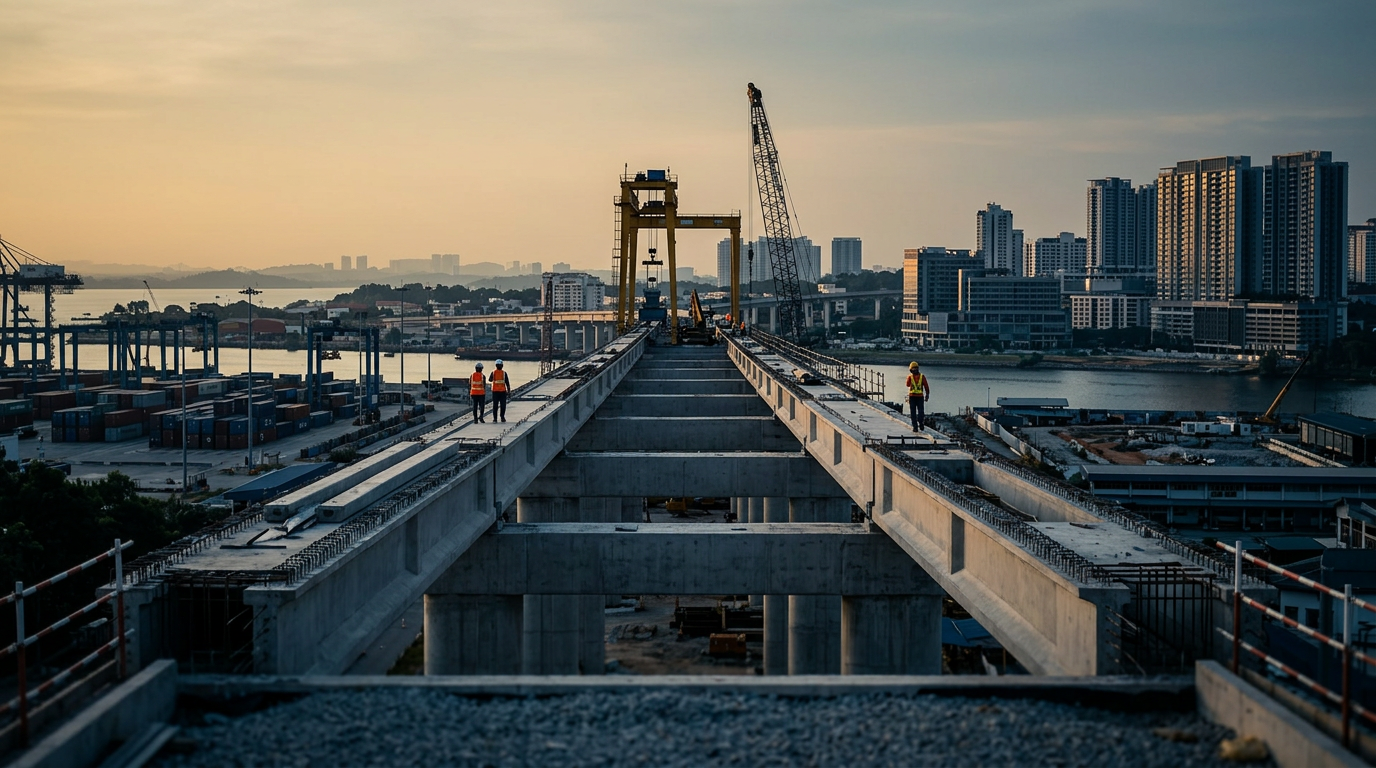
's RTS Link Delay Highlights the Governance Gap in Large-Scale Infrastructure
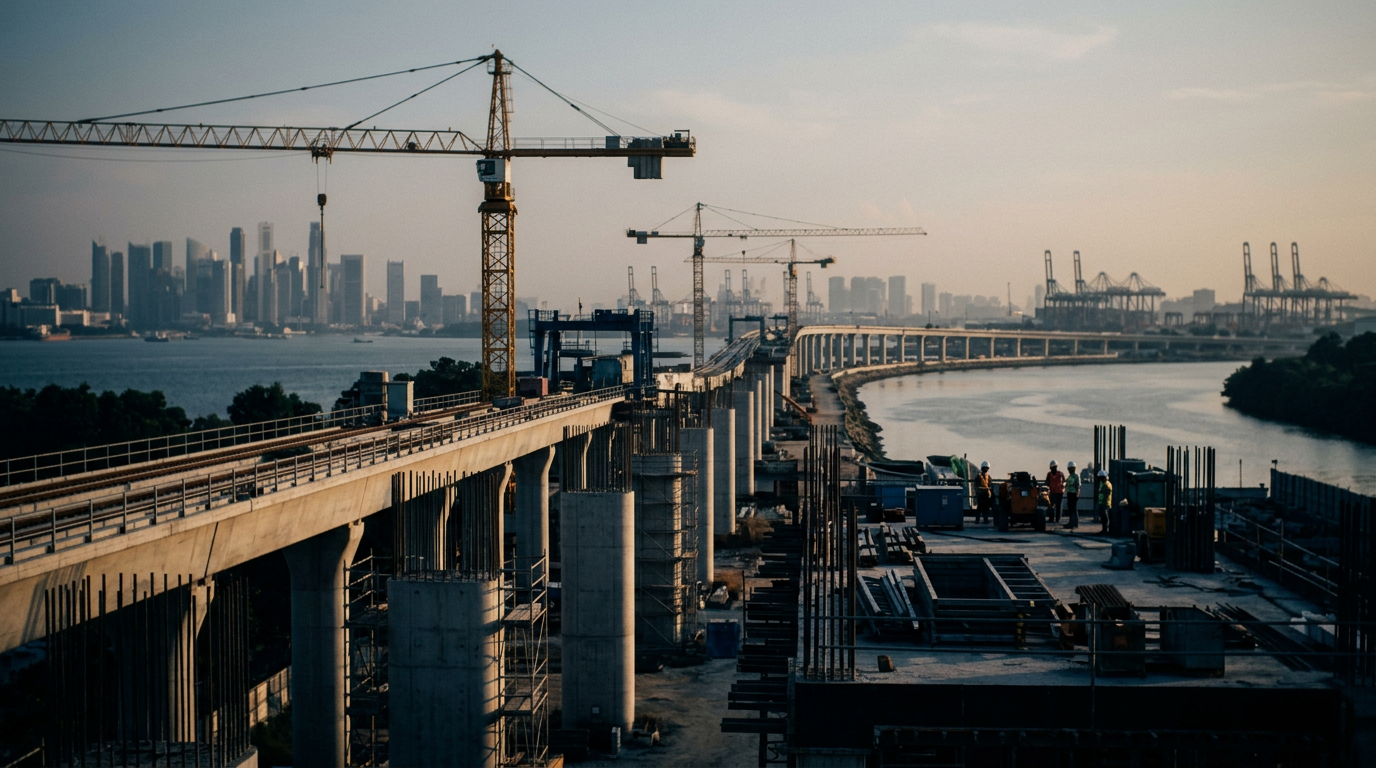
The delay in the Johor Bahru-Singapore RTS Link, a key project for Malaysia's economic ambitions, shows that execution is as important as the initial investment announcement. Turning vision into reality requires navigating complex regulatory and technical challenges.
 Malaysia
's RTS Link Delay Highlights the Governance Gap
The delay in the Johor Bahru-Singapore rail link shows that announcements are easy, but execution is hard.
 Philippines
 Water Infrastructure: Capital Meets Capacity
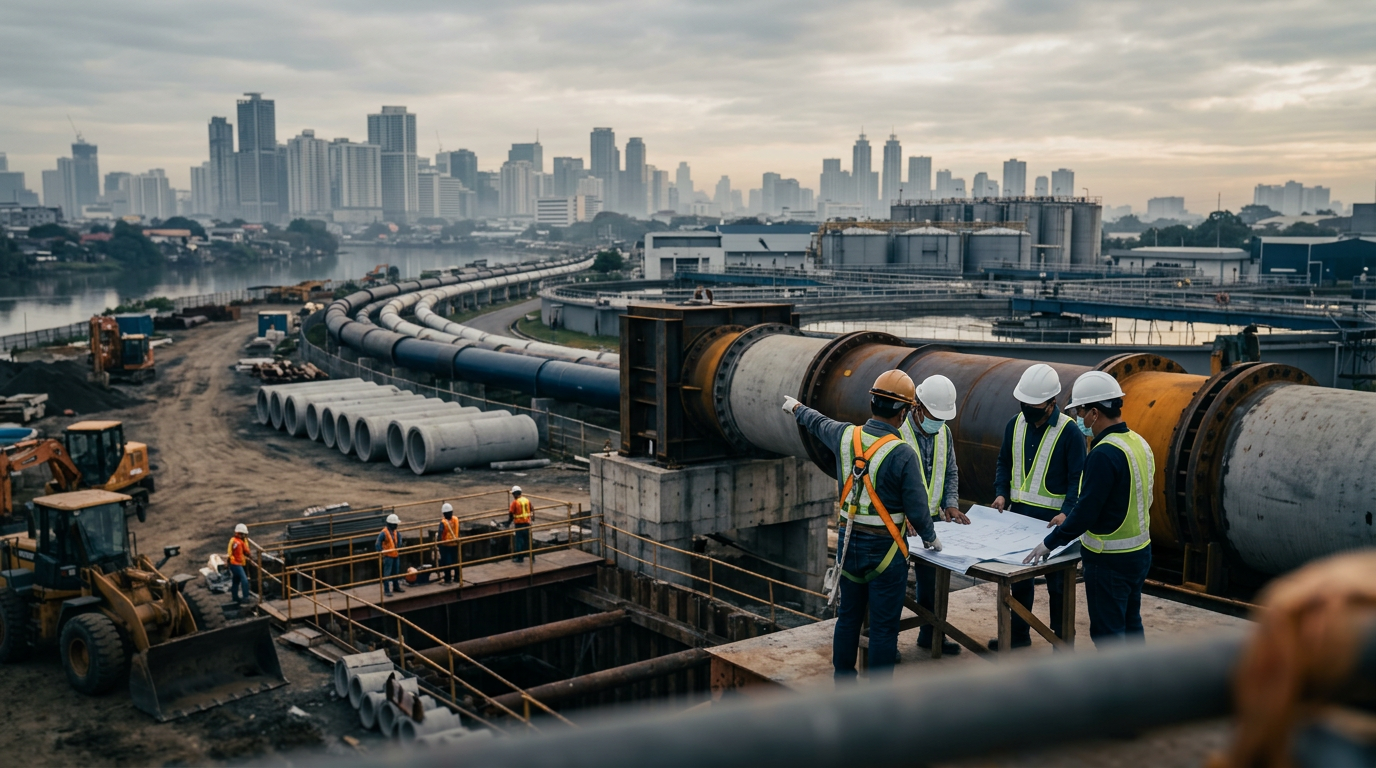
A planned P1.8 billion share offer from a Philippine water utility highlights the connection between private capital and the state's ability to deliver basic services.

 Thailand
's Floods and the State Capacity Test
The recent social media flood in Bangkok, with over 100 million engagements, highlights a critical challenge for Thailand: the growing gap between digital savvy and physical resilience.
 Thailand
Bangkok Floods, Social Media, and the Usable State
Social media engagement during Bangkok's recent floods topped 109 million. This highlights the growing role of online platforms in disaster response, but also raises questions about institutional capacity and the reliability of state infrastructure.
 Thailand
's floods and the social media test of state capacity
The response to Bangkok's recent floods, amplified by over 100 million social media engagements, has become a real-world test of institutional reliability and state capacity in the digital era.
 Philippines
: Local Government Finance as a Bottleneck
The new financing mandate for Al-Amanah Islamic Investment Bank is a positive step. But the core challenge for the Philippines is not a shortage of capital, but a shortage of well-structured, investment-ready projects at the local level.

 Singapore
's Property Investment Boom Highlights an ASEAN Divide
Singapore's high-value investment environment is a function of its institutional strength, not just its location. Other ASEAN members must do the slow work of reform to compete.
 Philippines
The Philippines: Energy Security and State Capacity
The resumption of gas flows from the Malampaya field to the Ilijan power plant is a positive development for energy stability in the Philippines. However, it also brings into focus the persistent questions around institutional reliability and the long-term execution of vital.

 Indonesia
's Investment Bottlenecks on Display in Bayan Coal Case
A recent force majeure at a major Indonesian coal producer highlights the institutional growing pains that can throttle investment, even in a market defined by its immense scale.

 Cambodia
Online Scams and ASEAN-China Trust
Online scam networks are a multi-billion dollar problem for ASEAN. The problem is a test for ASEAN institutions and a test of trust with China.
 Singapore
's COE System Tests Institutional Reliability
High Certificate of Entitlement premiums in Singapore are a recurring test of the country's institutional capacity. The Land Transport Authority must balance market signals with the long-term needs of a usable state.
 Thailand
 Weighs AI Guardrails
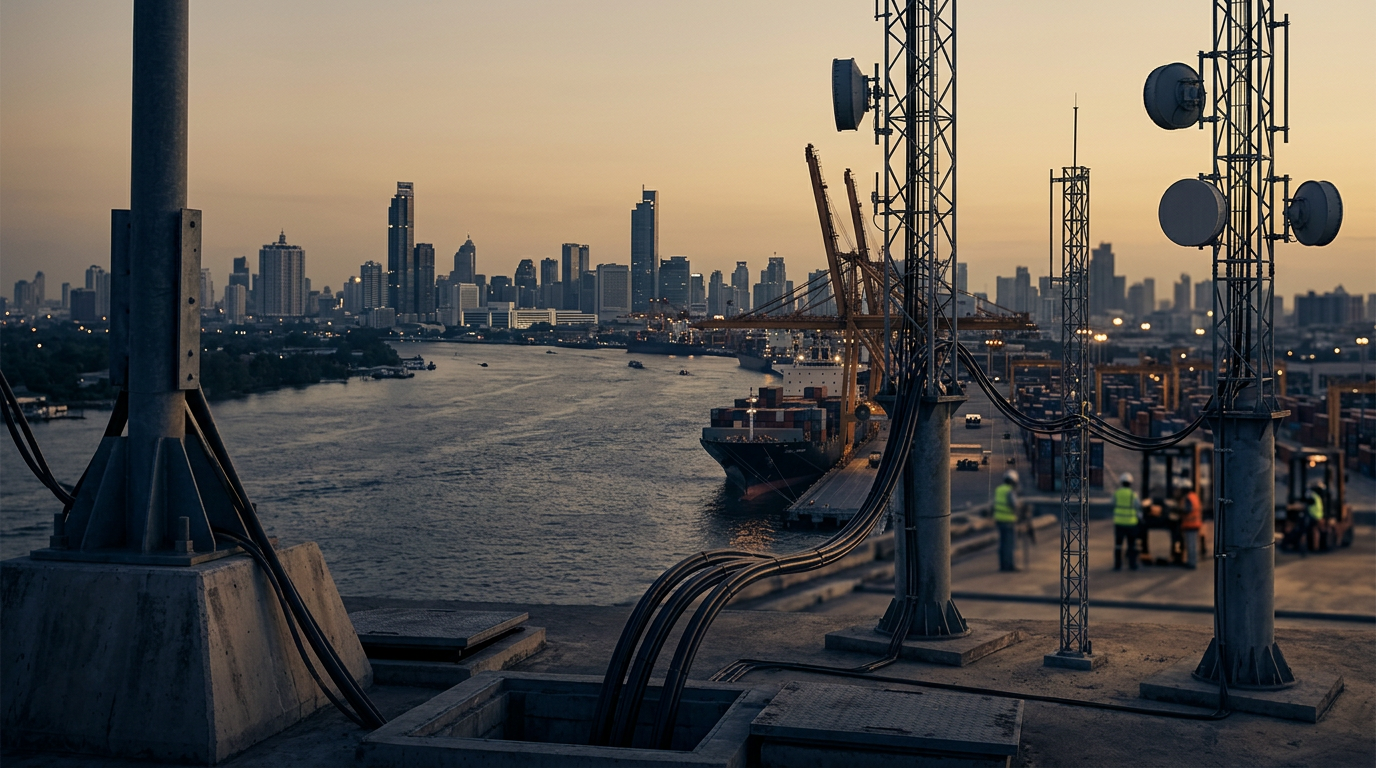
Thailand is debating how to manage the risks of artificial intelligence while pursuing AI-driven growth. The real tests will involve control over the foundational layers of compute, data, and digital identity.
 Philippines
ASEAN Digital Economy Ambitions Test Institutional Plumbing
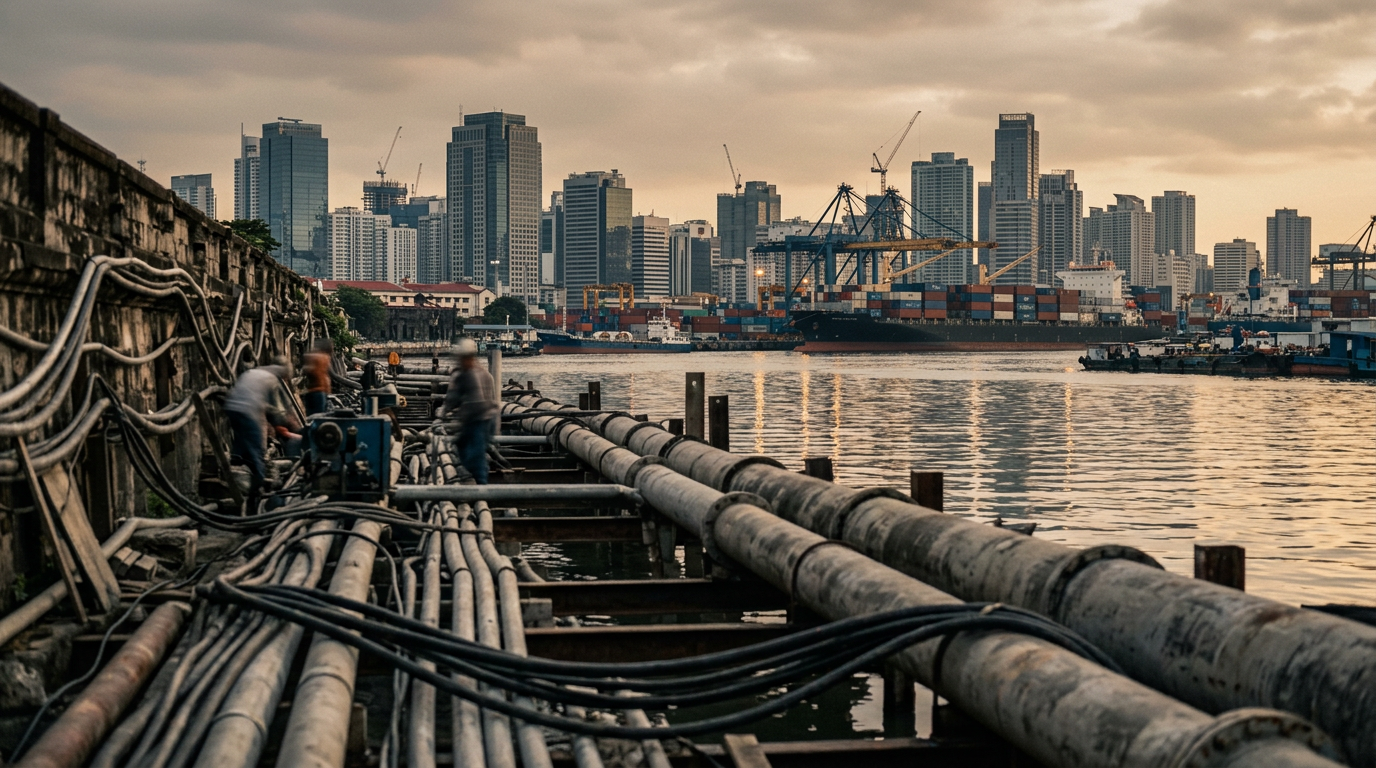
The ASEAN digital economy framework is a significant step, but its success will depend on the unglamorous work of building robust institutions and ensuring consistent execution on the ground.
 Singapore
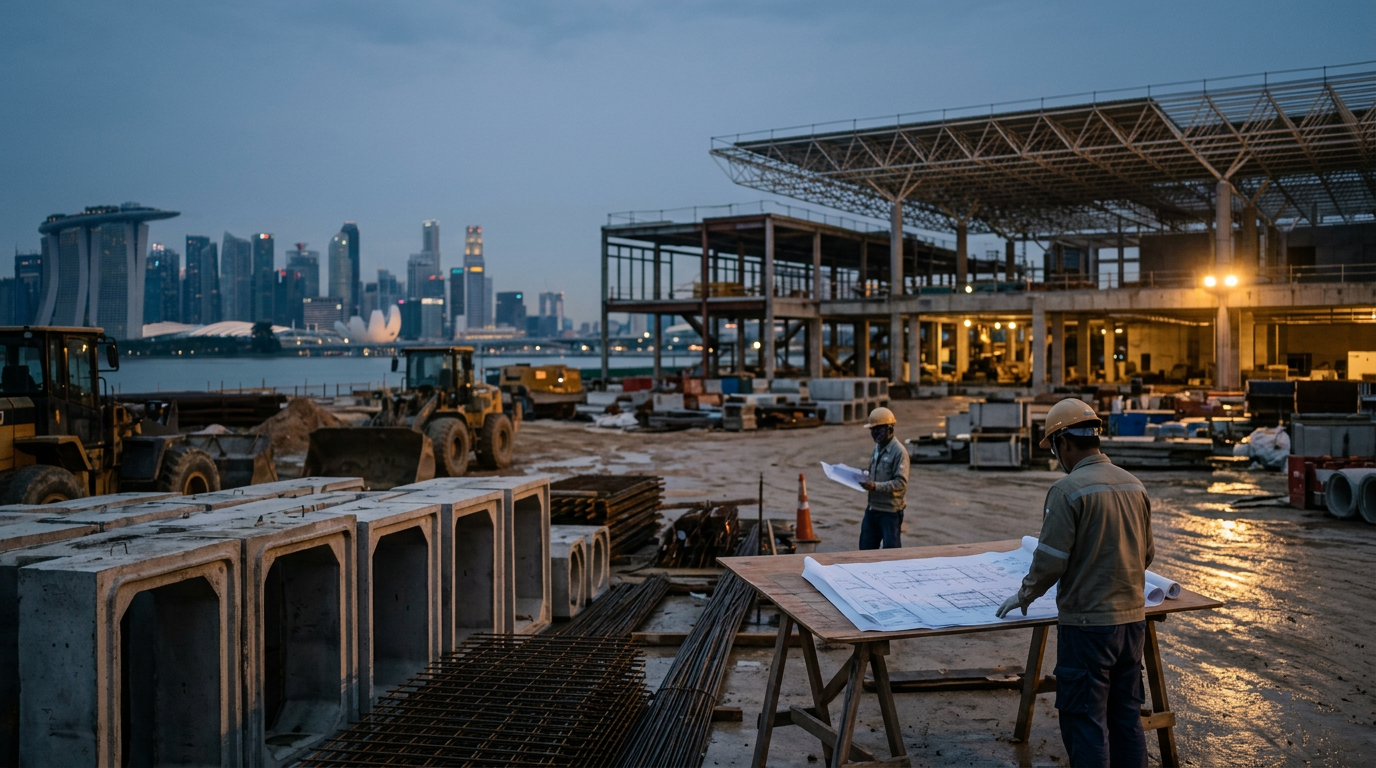
The Hard Work of Airport Investment
Foreign direct investment announcements travel quickly. Realised flows depend on the slower work of land, permits, power, and talent.
 Philippines
The Real Test of Sovereign AI in the Philippines
A recent call for the Philippine government to adopt AI for good governance highlights the deeper challenge for ASEAN nations: controlling the foundational layers of compute, data, and digital identity.
 Singapore
, Radiant World, and the Challenge of Commodity Trade
The legal issues facing Singapore-based Radiant World, a major iron ore and coal trader, bring into focus the institutional strengths and weaknesses of ASEAN commodity hubs. While the case seems contained, it highlights the constant need for robust governance to manage the.
 Malaysia
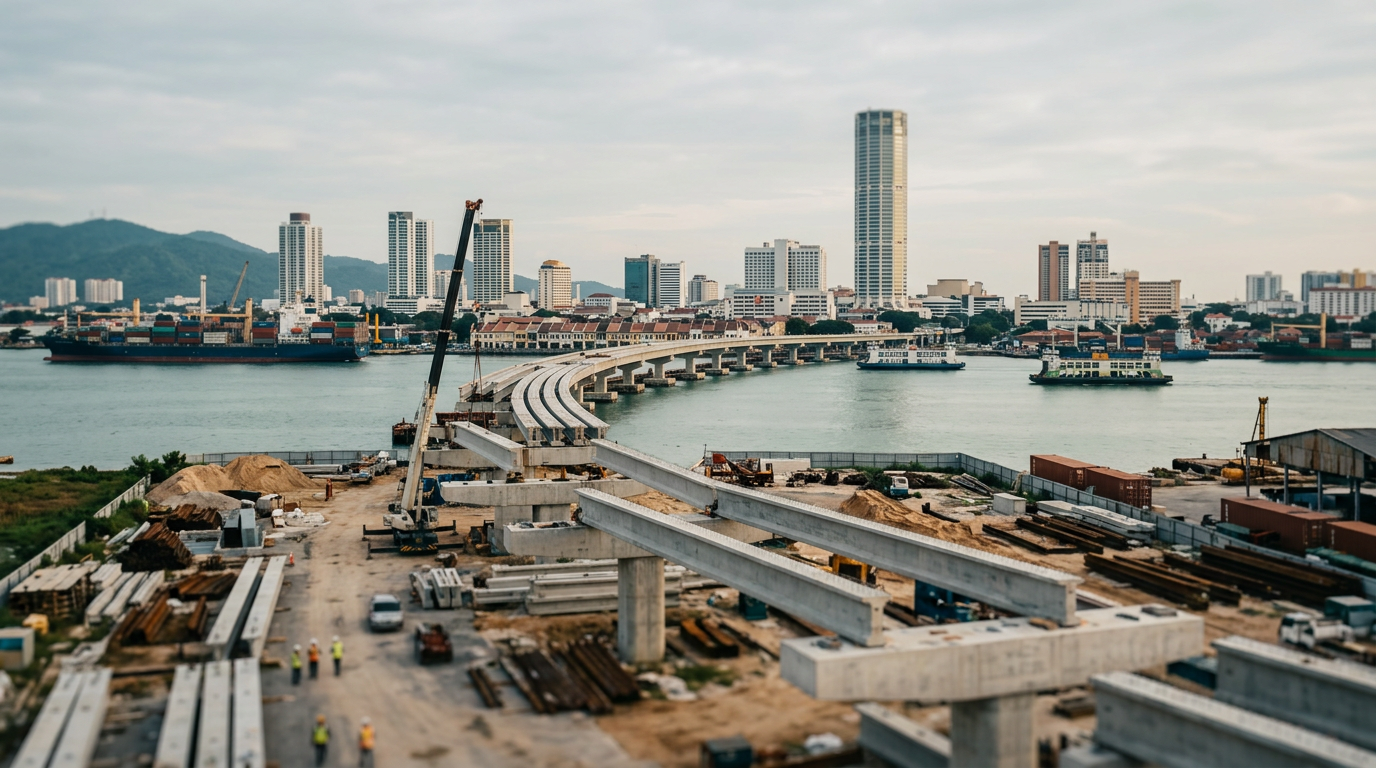
Penang's LRT Project and the Long Road to Usable Infrastructure
The Penang Mutiara Line LRT project is a multi-year effort to improve urban mobility. While the project promises long-term benefits, the immediate 322-day traffic diversion on Jalan Sultan Azlan Shah highlights the immense coordination and state capacity required to deliver.
 Thailand
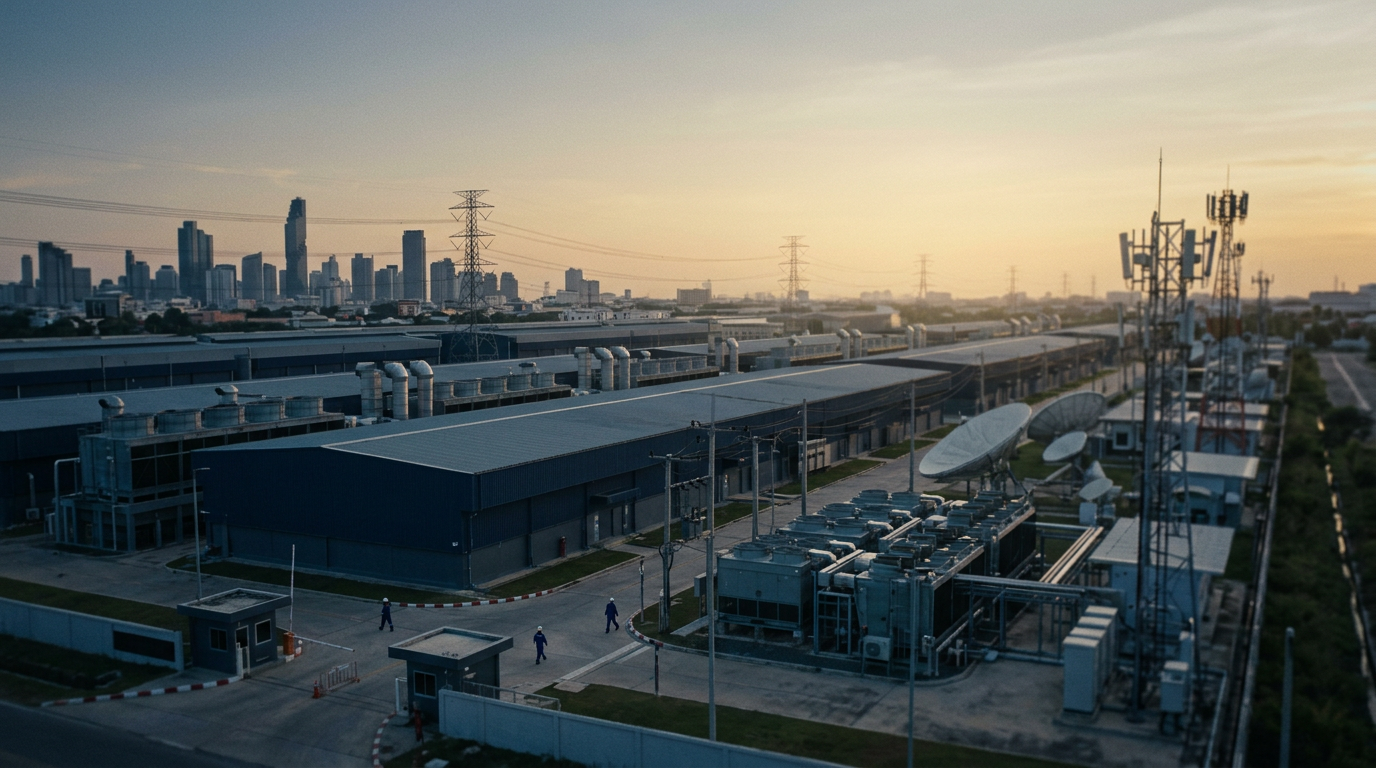
's AI Aspirations and the Sovereignty Question
True Corporation's recent affirmation of its AI ethics highlights a deeper challenge for Thailand and ASEAN: the governance of foundational AI infrastructure, including compute, data, and digital identity.
 Singapore
's Tax Haul Is a Story of State Capacity
Singapore's record tax revenues reflect more than just a strong economy. They demonstrate a high degree of state capacity, built on decades of institutional investment and public trust.
 Philippines
The Usable State: Why Philippine Growth Hinges on Execution
The Philippines may fall short of its 2026 growth targets. The gap between ambition and reality highlights a core challenge across the region: building institutional capacity to execute.
 Vietnam
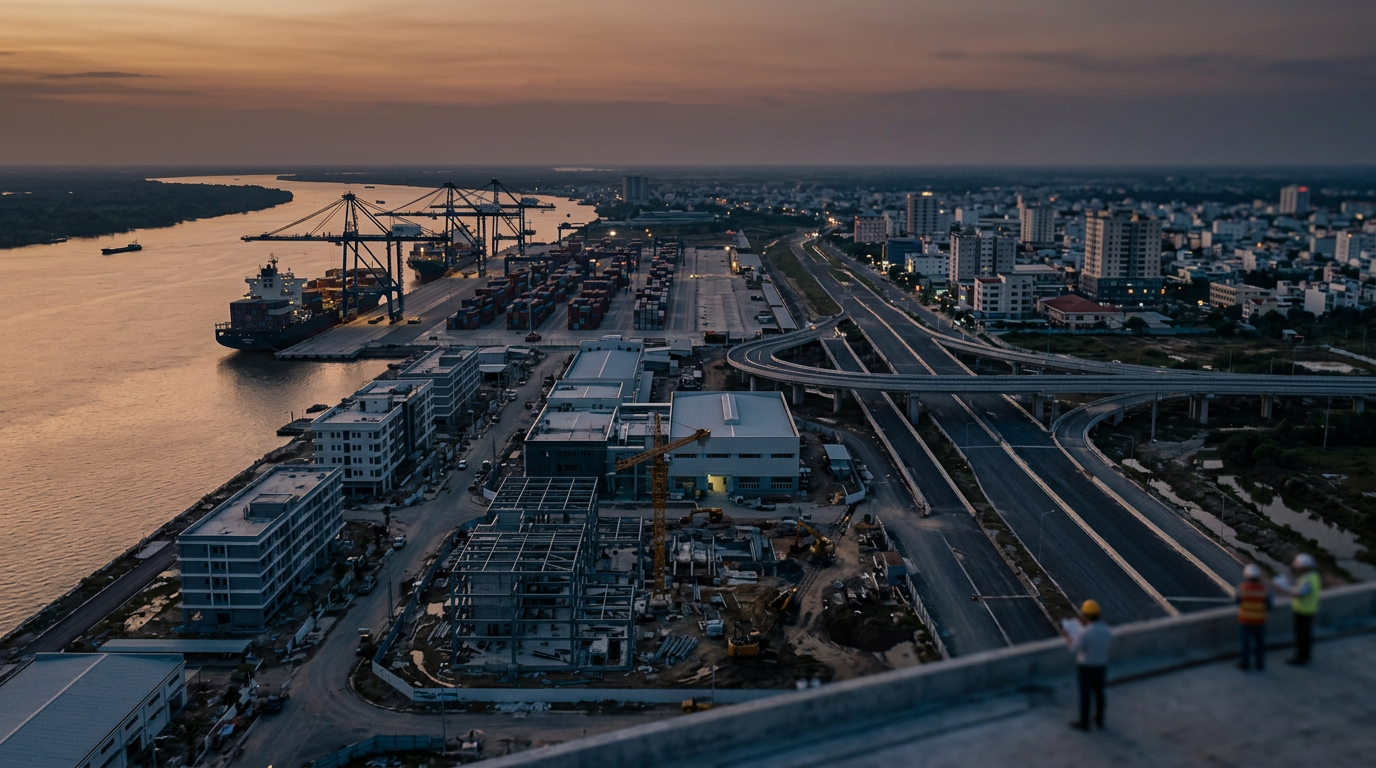
's Ca Mau Plans US$1.5 Billion in Infrastructure as a Means to Growth
Vietnam's southernmost province, Ca Mau, has approved or registered 19 projects valued at over VND40 trillion (approximately US$1.53 billion). The plan, which also includes a call for investment in 96 other projects, serves as a test of institutional capacity and the ability to.
 Singapore
, AI, and the Power of Predictable Rules
Singapore's new AI governance rules are a classic example of its focus on institutional reliability. While other nations chase exciting tech, Singapore is building a usable state for the AI era.
 Singapore
, State Capacity, and the Usable State
Following a successful pilot, Singapore's revitalization of its Boat Quay, Clarke Quay, and Robertson Quay precincts continues. This demonstrates a core theme of ASEAN Rising: state capacity is a source of comparative advantage.
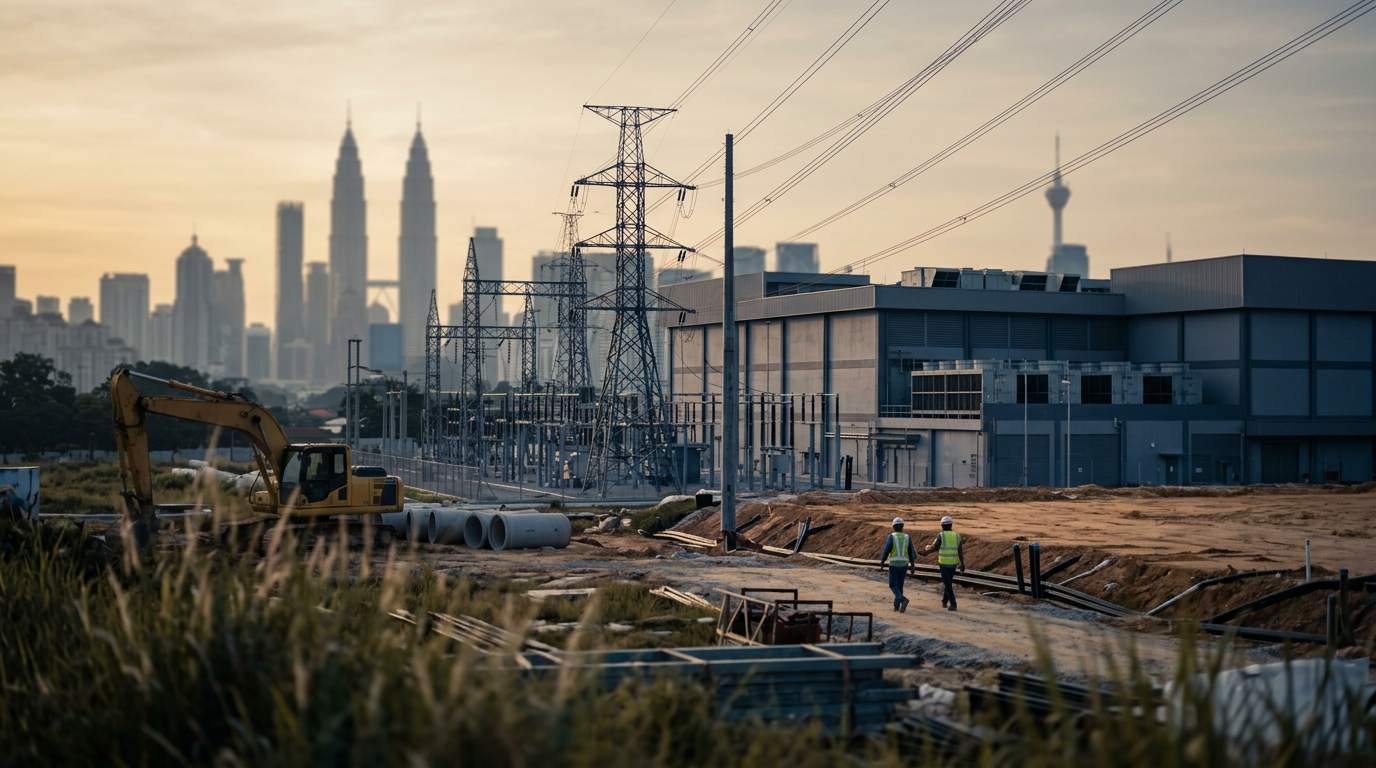 Malaysia
's Investment Service Delivery Reforms
Foreign investment follows the fundamentals, but realised investment depends on the slower work of land, permits, power and talent.
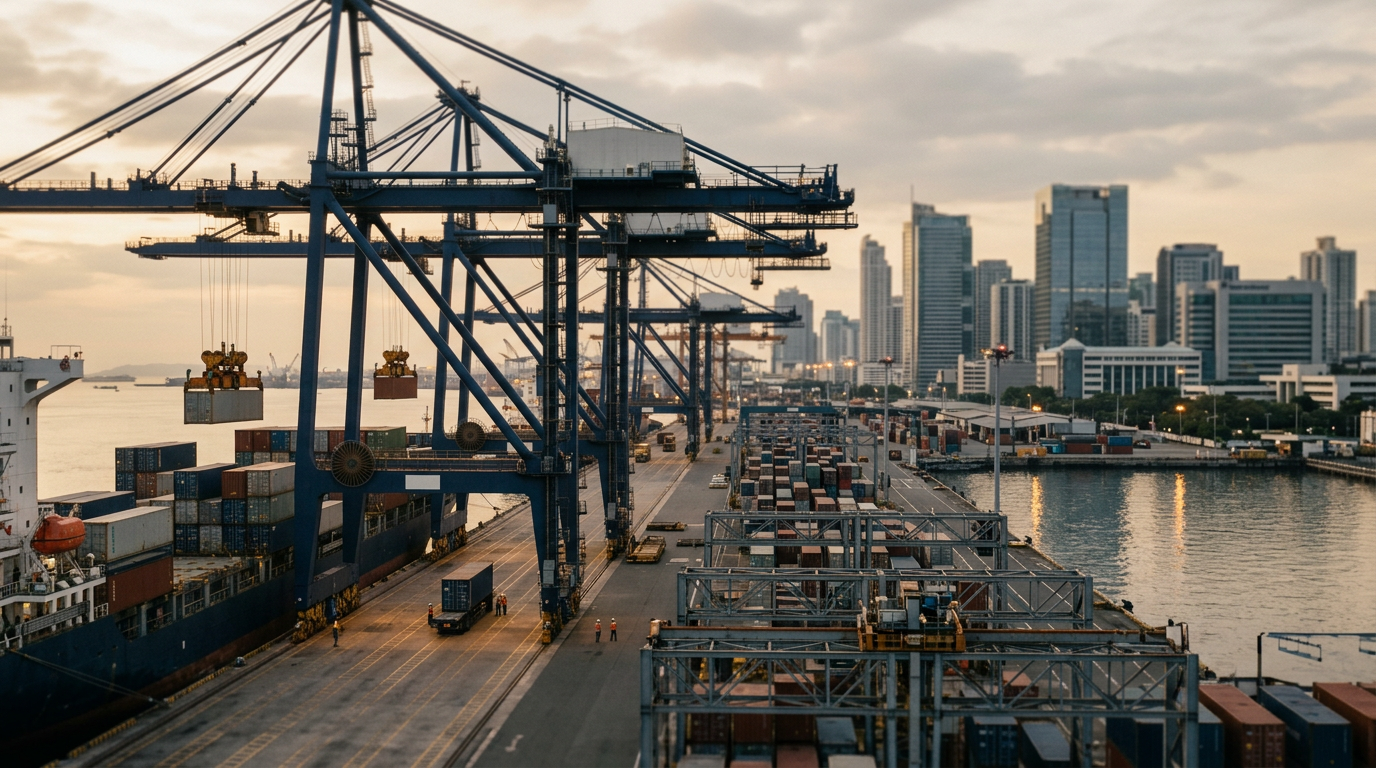 Philippines
The Pillars of Progress in ASEAN
The recent ASEAN Socio-Cultural Community Coordinating Conference highlights the bloc's focus on execution over mere announcements. For ASEAN to succeed, institutional reliability is paramount, turning stated goals into tangible outcomes for its people.
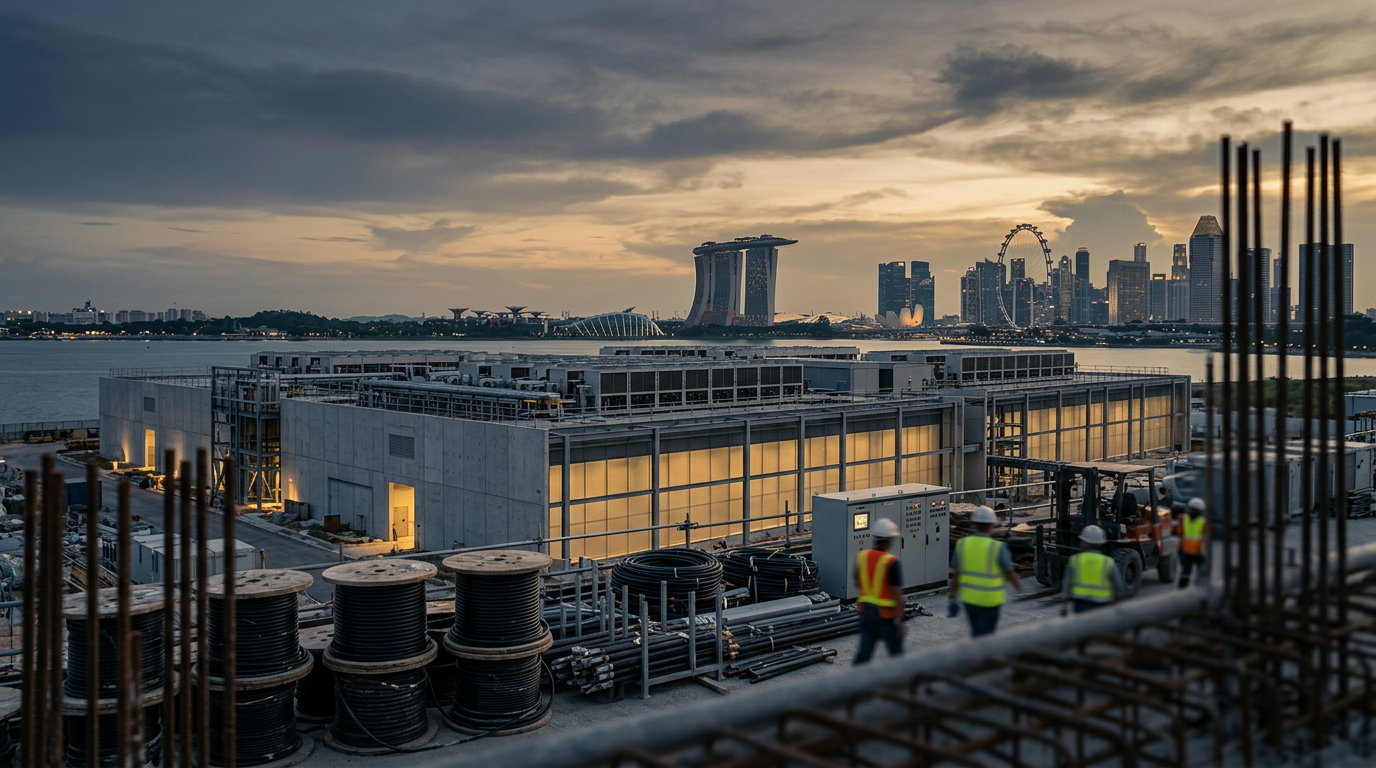 Singapore
Data Center Development Tests ASEAN Governance
The boom in data center demand is not just a real estate or power grid story. It is a test of governance, where the successful execution of complex infrastructure projects signals a jurisdiction's capacity for growth.
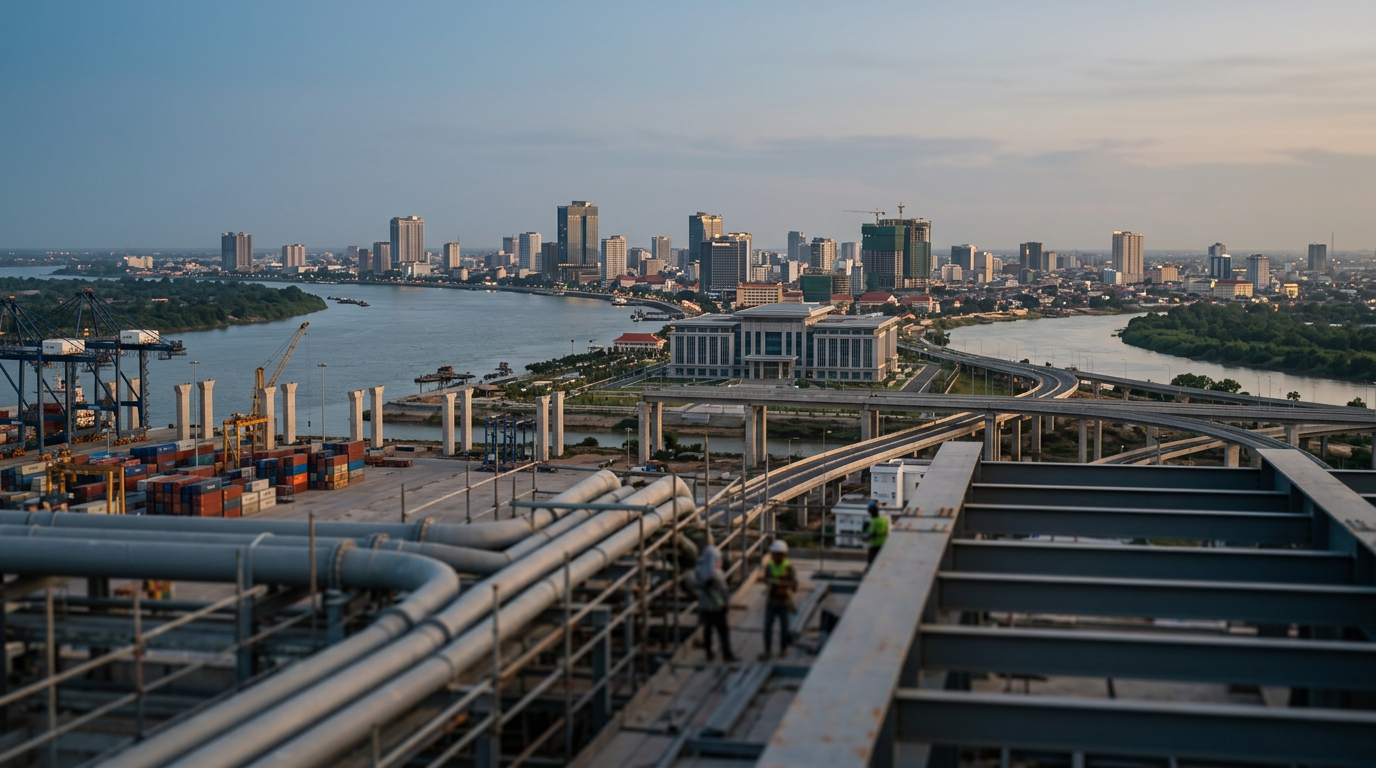 Cambodia
ASEAN Plus Three and the Civil Service Mandate
The recent ASEAN Plus Three civil service meeting in Cambodia is a useful lens for the quiet, institutional work of managing economic dependency, particularly with China.
 Thailand
ASEAN Cooperation on Drug Matters: The Test of Execution
The quiet work of cross-border institution-building offers a durable source of competitive advantage. For ASEAN, the fight against illicit drug trafficking is a test of its institutional capacity.
 Malaysia
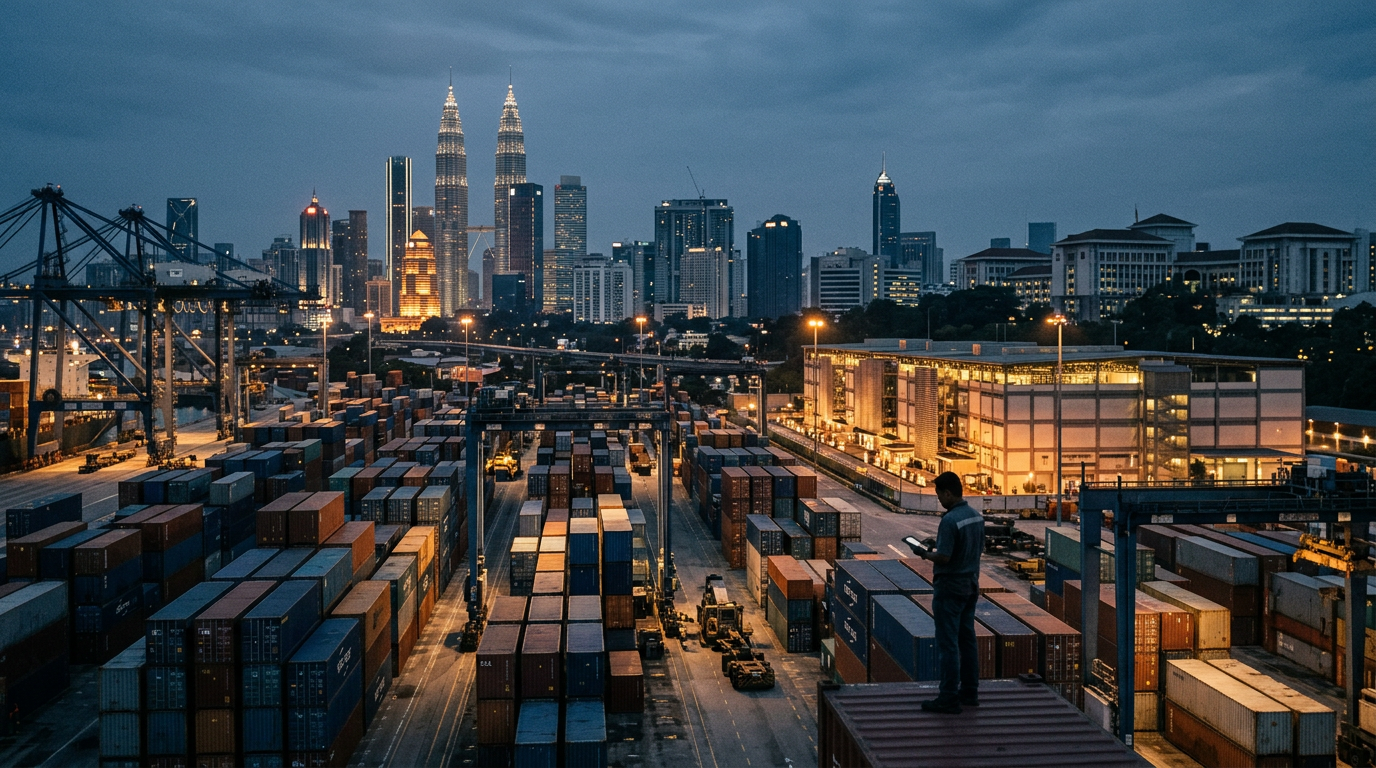
Tackling "Shadow AI" in the ASEAN Context
The use of unauthorized generative AI tools by employees, termed "shadow AI," poses a substantial cybersecurity threat to businesses by exposing sensitive data. For ASEAN, the challenge is not just about policy but about the foundational elements of digital trust and.

 Myanmar
ASEAN and Japan Focus on the Engine of State Capacity
A recent meeting between the ASEAN Secretary-General and Japan's public administration leadership highlights the region's focus on building institutional reliability. This quiet, foundational work is the key to turning policy announcements into effective execution.
 Malaysia
Stolen Cables, Broken Trust: Malaysia's Infrastructure Test
The recent theft of railway cables in Malaysia, causing millions in losses and hundreds of hours in delays, is more than a maintenance issue. It is a clear illustration of how failures in state capacity and execution can undermine economic competitiveness and public trust.
 Philippines
Philippine Business Sector Backs "Pax Silica," Highlighting the Execution Imperative
The endorsement of the "Pax Silica" initiative by a major Philippine business group shifts the focus from ambition to execution. For large-scale technology infrastructure projects, turning plans into reality requires institutional strength and a clear-eyed focus on governance.
 Philippines
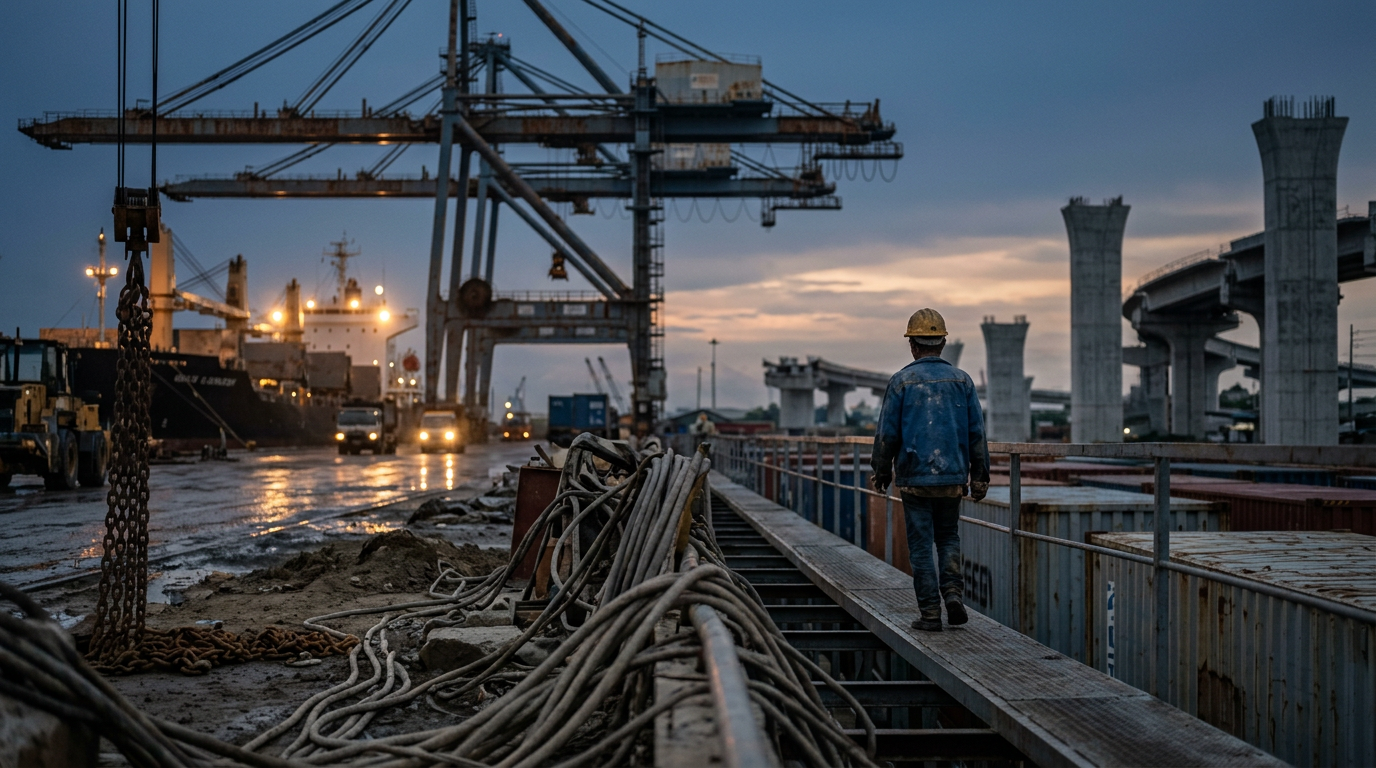
Philippine Infrastructure Probe Underscores the Cost of Institutional Friction
A widening corruption probe in the Philippines highlights a core theme from ASEAN Rising: effective institutions and reliable execution are more valuable for development than grand announcements.
 Vietnam
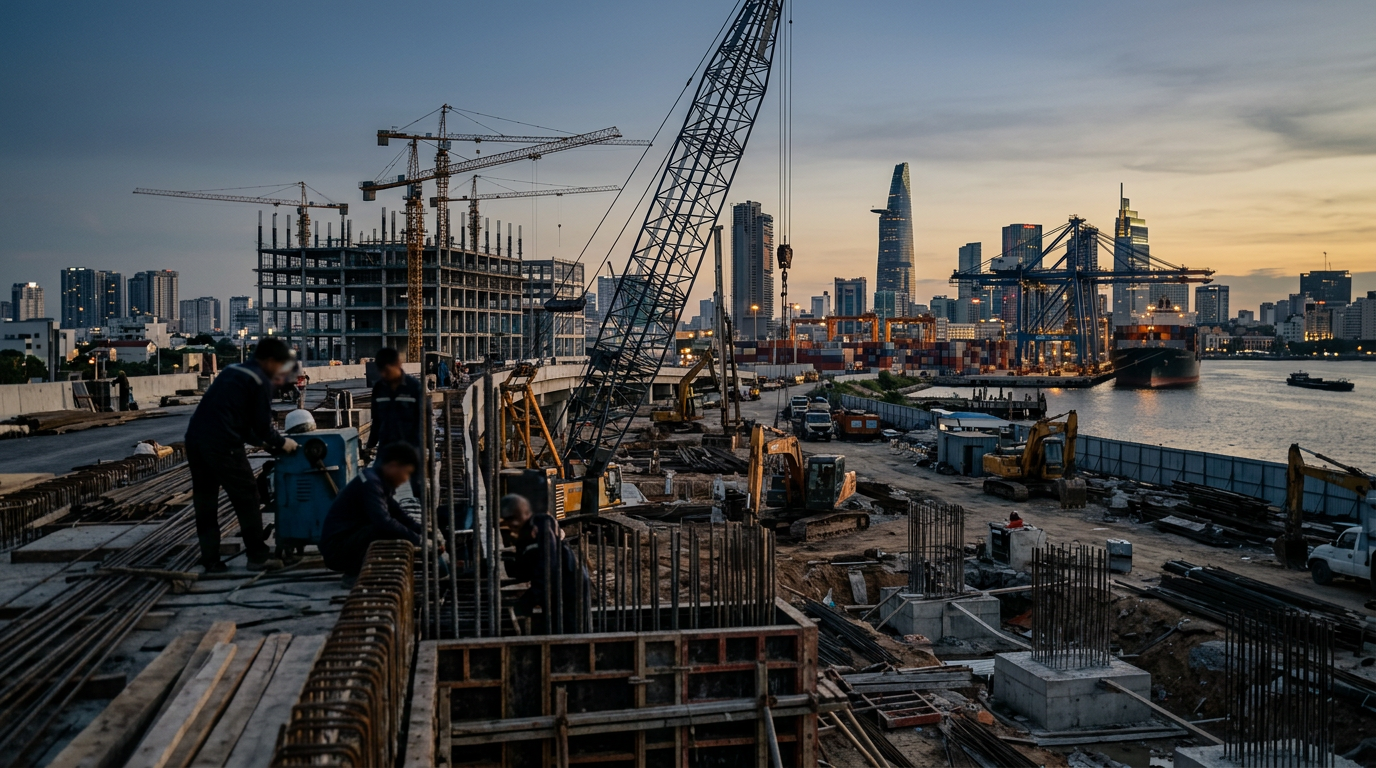
's FDI Surge Tests the Execution Framework
Vietnam's record foreign investment inflows are a positive signal, but they also bring intense pressure to match capital with capacity. The real work lies in improving the institutions and infrastructure needed to turn announcements into sustained growth.