Philippines
Philippine Infrastructure Probe Underscores the Cost of Institutional Friction
A widening corruption probe in the Philippines highlights a core theme from ASEAN Rising: effective institutions and reliable execution are more valuable for development than grand announcements.
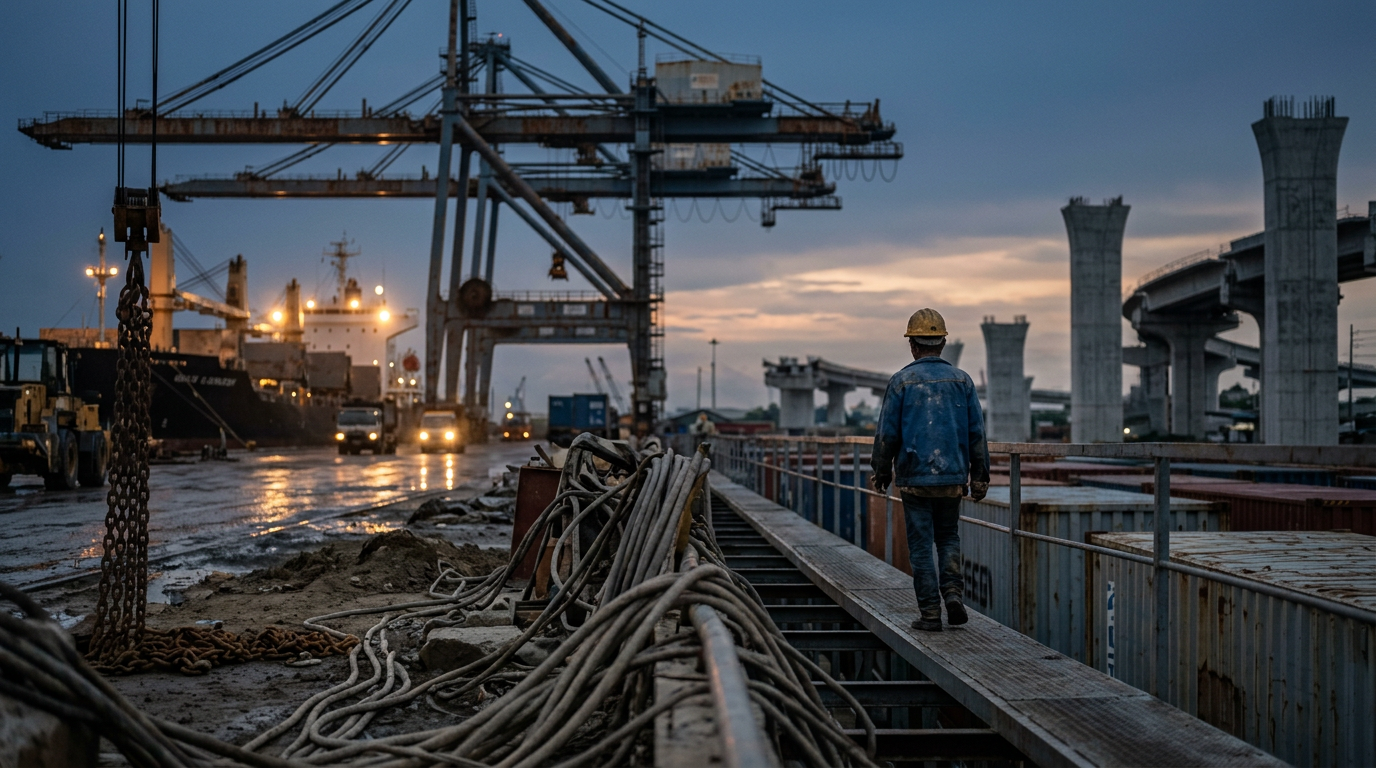
A recent report from Bloomberg that a corruption probe in the Philippines is widening to include more infrastructure projects serves as a contemporary case study for the persistent challenges of governance in development. Allegations of overpriced street lamps, roads, and buildings are not merely about graft; they point to deeper issues of institutional friction and the gap between pronouncements and performance.
The Execution Deficit
For any state, the journey from policy to project is fraught with hurdles. The Philippines probe casts a light on how easily public funds can be misdirected when oversight mechanisms are weak. This is more than just a leakage of capital; it is an erosion of state capacity. The ability to execute complex projects is a hallmark of a functioning government. As outlined in ASEAN Rising, development is often less about revolutionary ideas and more about the methodical, consistent application of good governance. When a government cannot guarantee that a road will be built to specification and at a reasonable cost, it signals an execution deficit that has far-reaching consequences. This is the difference between a state that is merely aspirational and one that is functional.
Institutions and Trust
The foundation of large-scale infrastructure development is trust. Investors, both domestic and foreign, allocate capital based on assessments of risk, and a significant portion of that risk is tied to the reliability of local institutions. When allegations of overpricing become systemic enough to trigger broad investigations, it damages the trust required to attract and deploy capital efficiently. The book makes the point that "Institutional reliability has become part of comparative advantage." Nations across ASEAN are competing for investment, not just on the basis of market size or labor costs, but on the predictability and fairness of their regulatory environments. A project entangled in a corruption scandal is a project delayed, over-budget, and ultimately, a drain on the economy it was meant to serve.
What to watch
The outcome of this probe will be significant. The key thing to observe is whether the investigation leads to substantive reforms in the Philippines' public procurement and project management processes. Will there be enhanced transparency, stronger accountability measures, and a more rigorous system for vetting contractors and costs? The actions taken in the coming months will signal to international partners and financial markets whether the country is serious about reducing institutional friction and building a state that can deliver on its promises. How the government proceeds will be a clear indicator of its commitment to making infrastructure a genuine engine of growth rather than a source of illicit enrichment.