Vietnam
Vietnam's Ca Mau Plans US$1.5 Billion in Infrastructure as a Means to Growth
Vietnam's southernmost province, Ca Mau, has approved or registered 19 projects valued at over VND40 trillion (approximately US$1.53 billion). The plan, which also includes a call for investment in 96 other projects, serves as a test of institutional capacity and the ability to.

Vietnam's southernmost province, Ca Mau, has greenlit 19 investment projects valued at over VND40 trillion (US$1.53 billion), as reported by The Investor. The provincial government also announced a further 96 projects for which it is actively seeking investment. The initiative is a significant bet on infrastructure as a driver of economic development for a region that has historically lagged behind the country's primary economic hubs.
Institutions and Execution
The Ca Mau plan is an ambitious undertaking that extends beyond mere construction. It is a direct test of the province's institutional capacity to manage complex projects, from initial planning and financing to final execution. The success of these projects will depend on the government's ability to reduce friction, streamline regulatory approvals, and ensure transparent procurement processes. As the book "ASEAN Rising" notes, an effective state apparatus is a competitive advantage in itself. The simple act of breaking ground on a project is a powerful signal to investors, but seeing it through to completion is what builds lasting confidence.
This focus on execution reflects a broader trend across ASEAN, where governments are recognizing that announcements alone do not create value. International and domestic capital is increasingly drawn to environments where projects proceed predictably. For Ca Mau, delivering these 19 initial projects on time and within budget will be a powerful demonstration of its reliability, setting the stage for attracting capital for the nearly 100 other projects it has identified. The province has an opportunity to show that "infrastructure that arrives on time signals more than infrastructure that is merely announced."
Capital and Infrastructure
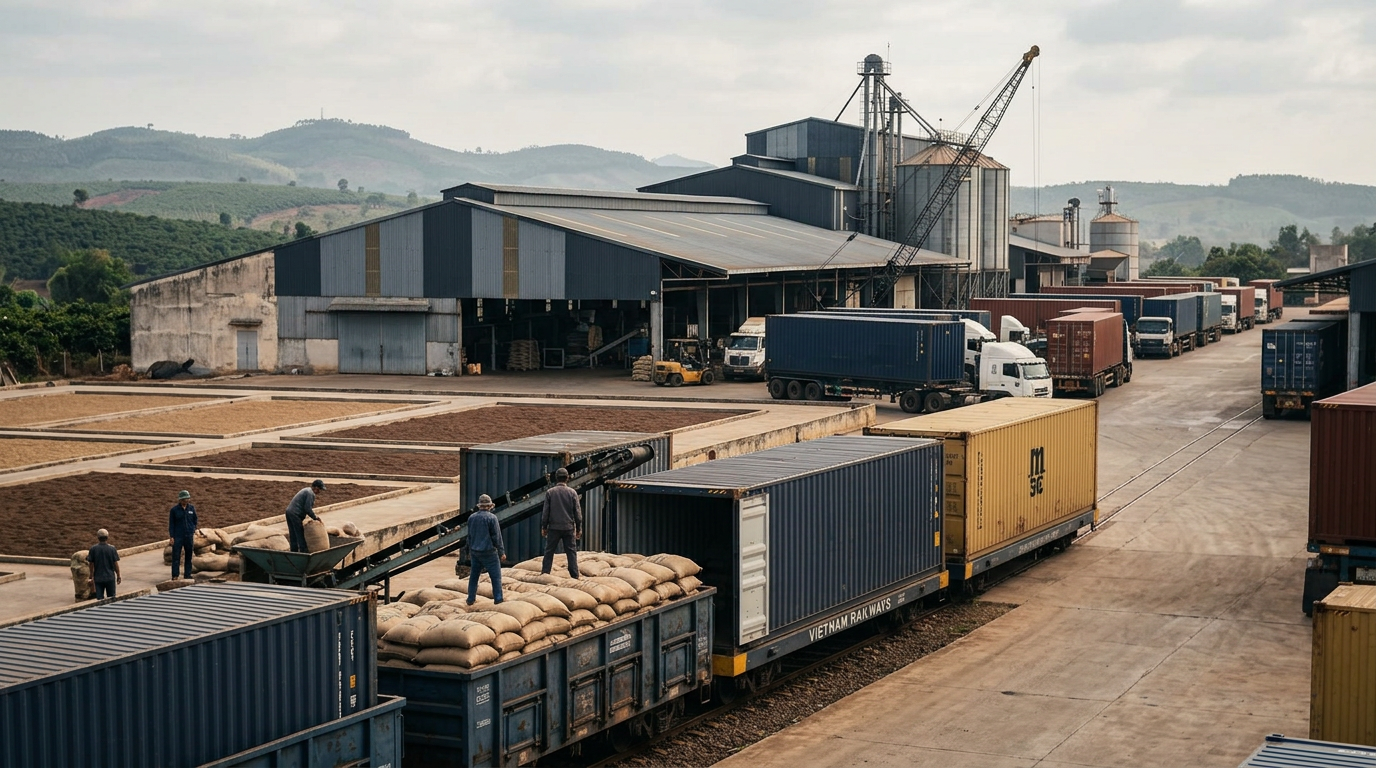
The scale of the investment, at over US$1.5 billion, is substantial for a single province. The projects reportedly span a wide range, from urban residential developments and eco-tourism resorts to industrial parks and logistics facilities. This mix is designed to create a more diversified and resilient local economy. The core of the strategy appears to be leveraging public and private capital to build the foundational infrastructure needed to attract higher-value industries and services.
For example, investments in logistics and transport infrastructure are essential for connecting Ca Mau's agricultural and aquaculture sectors to larger domestic and international markets. Improved connectivity can lower costs for producers, increase export competitiveness, and create new economic opportunities. Similarly, developing industrial parks with reliable power and water supplies makes the province a more attractive destination for manufacturing firms looking to diversify their supply chains within Vietnam. The success of this strategy hinges on the symbiotic relationship between capital and infrastructure; one cannot be productive without the other.
Talent and Trust
While physical infrastructure is the most visible component of Ca Mau's plan, the long-term success of the initiative will also depend on developing local talent and building trust. New industrial parks and tourism facilities will require a workforce with the right skills. This necessitates parallel investments in vocational training and education programs tailored to the needs of the incoming industries. A failure to develop the local talent pool could result in a reliance on transient labor and limit the economic benefits for the local population.
Trust is the final, crucial element. This extends from the trust of local communities who will be affected by the construction and new developments, to the trust of domestic and foreign investors who are committing capital. Provincial authorities can build this trust through consistent and transparent governance, fair contract enforcement, and a demonstrated commitment to the long-term success of the projects. If Ca Mau can successfully execute its ambitious infrastructure plan, it will not only transform its own economic landscape but also provide a compelling case study for other provinces in Vietnam and across the region.
What to watch: The key indicator of success in the coming years will not be the announcement of more projects, but the rate at which the initial 19 approved projects are completed and become operational. Observers should also monitor the province's ability to attract private sector investment for the subsequent 96 projects on its list, as this will be the true measure of market confidence in its institutional capacity and long-term growth prospects. The flow of foreign direct investment into the province relative to more established industrial zones in Vietnam will also be a metric of interest.