Philippines
The Pillars of Progress in ASEAN
The recent ASEAN Socio-Cultural Community Coordinating Conference highlights the bloc's focus on execution over mere announcements. For ASEAN to succeed, institutional reliability is paramount, turning stated goals into tangible outcomes for its people.
ASEAN's recent meeting in the Philippines to bolster cross-pillar cooperation offers a window into the bloc's operational focus. The 22nd ASEAN Socio-Cultural Community (ASCC) Coordinating Conference, as reported by ASEAN.org, aimed to strengthen the mechanisms that turn high-level plans into measurable improvements for the region's population. While such meetings are a regular feature of the ASEAN calendar, this one directs attention to the persistent gap between ambition and implementation, a central theme in regional development.
From Announcement to Action
The ASCC operates alongside the ASEAN Political-Security Community and the ASEAN Economic Community. Its mandate is broad, covering everything from public health to environmental protection and cultural exchange. The goal of "people-centred development" requires these pillars to work in concert, not as isolated bureaucratic units. The conference was designed to enhance this synergy, ensuring that economic initiatives consider social impacts and that security measures respect community needs.
This focus on coordination reflects a mature understanding that grand pronouncements are insufficient. As the book "ASEAN Rising" notes, the ability to execute plans is a core component of state capacity. The true measure of an institution's strength is not the elegance of its blueprints but its ability to deliver results. For the people of ASEAN, a new highway that is completed and operational is infinitely more valuable than a dozen visionary transport corridors that exist only on paper.
The Value of a Usable State
Investors and citizens alike gravitate toward predictability and reliability. A government or institution that consistently follows through on its commitments creates a stable environment for growth and social progress. This is the essence of building a usable state. It may be less exciting than one that makes bold, speculative promises, but it is far more effective. Trust is built on a record of accomplishment, not a series of ambitious announcements.
The principle that "institutional reliability has become part of comparative advantage" is particularly relevant here. As ASEAN member states compete for foreign investment and talent, the quality of their governance and their ability to execute complex, cross-border projects become significant differentiators. The ASCC's work, while less publicized than major trade deals, is fundamental to building this advantage. Effective social programs and a well-managed workforce contribute directly to a more attractive economic environment.
Infrastructure as a Signal
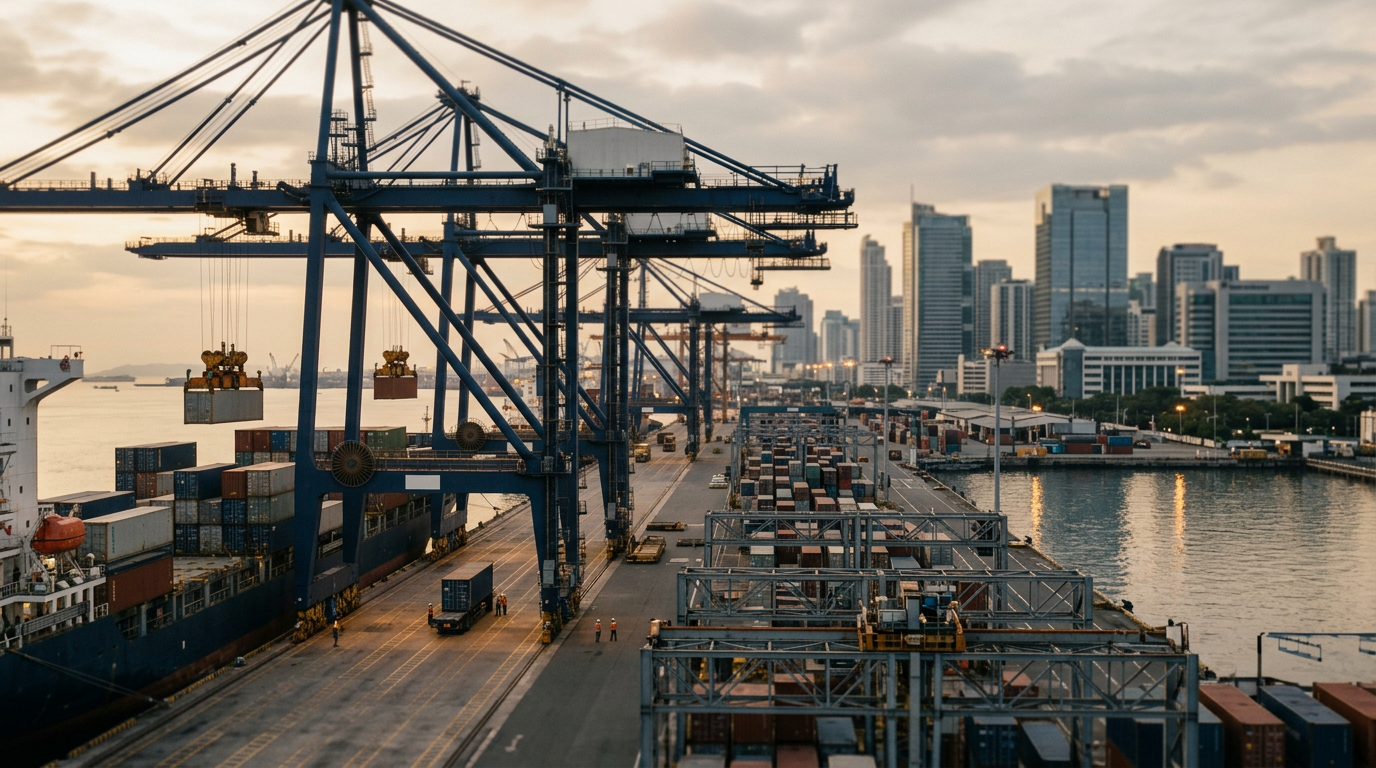
The conference's emphasis on turning plans into reality is reflected in the physical world of infrastructure. Delays in construction, whether of a port, a railway, or a digital network, are not just logistical problems. They are signals of institutional friction and weakness. Conversely, projects that are delivered on schedule and on budget demonstrate a high degree of state capacity and reliability.
This is why the coordination between ASEAN's pillars is so important. Large-scale infrastructure projects are not just feats of engineering; they are complex social and political undertakings. They require land acquisition, environmental assessments, and community engagement-all functions that fall under the socio-cultural or political-security pillars. When these elements are poorly managed, projects stall, costs escalate, and public trust erodes. A holistic, cross-pillar approach is the only way to ensure that infrastructure delivers on its promise of shared prosperity.
What to watch: Pay attention to the implementation of specific cross-pillar initiatives that emerge from this conference. The success of pilot programs in areas like public health preparedness, smart city development, or disaster response will be a leading indicator of whether ASEAN is genuinely improving its institutional capacity. The focus should be on the delivery of services and the tangible impact on communities, rather than the frequency of high-level meetings.