Vietnam
Vietnam's FDI Surge Tests the Execution Framework
Vietnam's record foreign investment inflows are a positive signal, but they also bring intense pressure to match capital with capacity. The real work lies in improving the institutions and infrastructure needed to turn announcements into sustained growth.
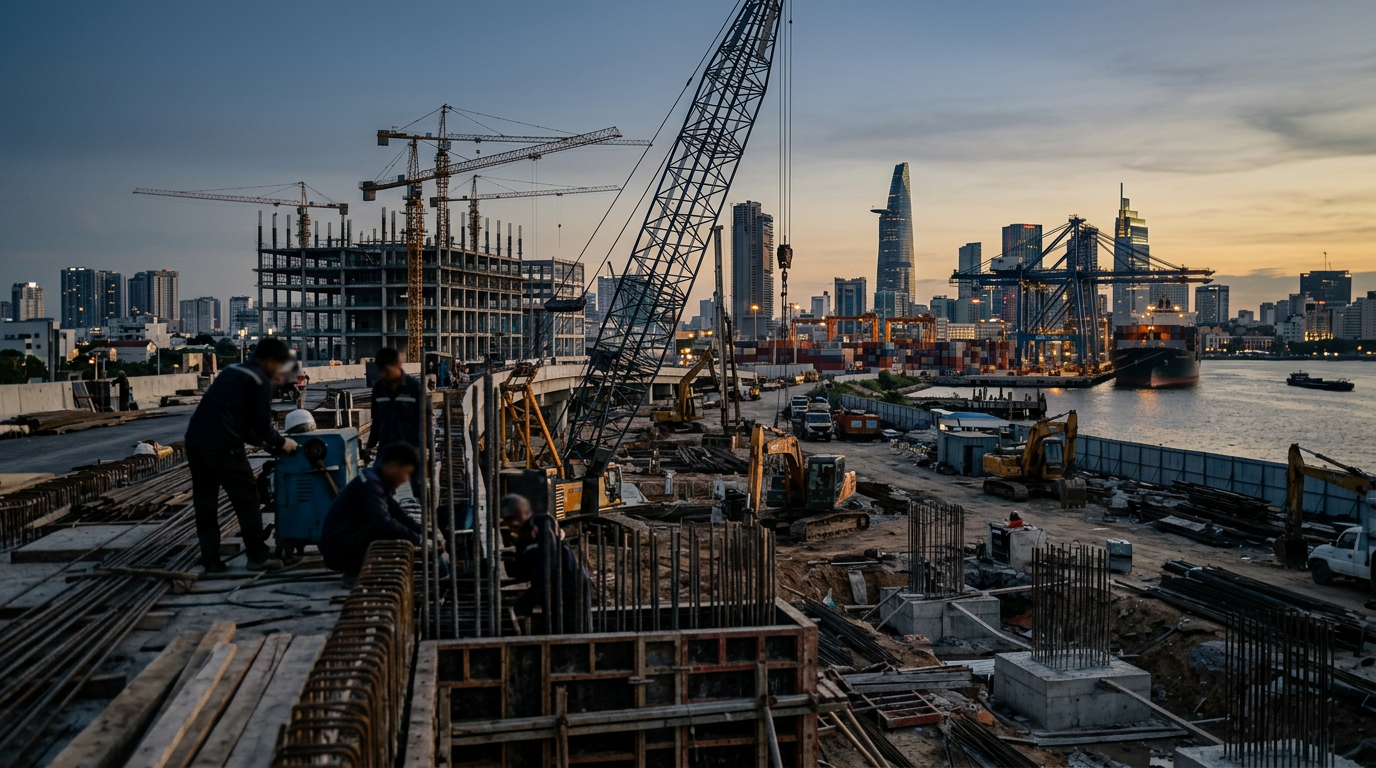
Vietnam reports a nearly 35% increase in foreign direct investment (FDI) inflows for the first five months of 2026, with disbursed FDI reaching a five-year high of USD9.75 billion, according to data from VietnamPlus. These figures affirm the country's position as a favored destination for international capital, but they also mask a more complex reality on the ground.
While headline numbers for investment commitments are encouraging, the true measure of success lies in the conversion of these commitments into tangible economic activity. As the book ASEAN Rising notes in its analysis of Indonesia, which is equally relevant to Vietnam, the journey from announcement to operation is fraught with friction. Scale and opportunity attract interest, but "the slower work of land, permits, power and talent" determines the actual pace of development. The surge in capital tests the very institutional framework that investors rely on for execution.
From Capital to Capacity
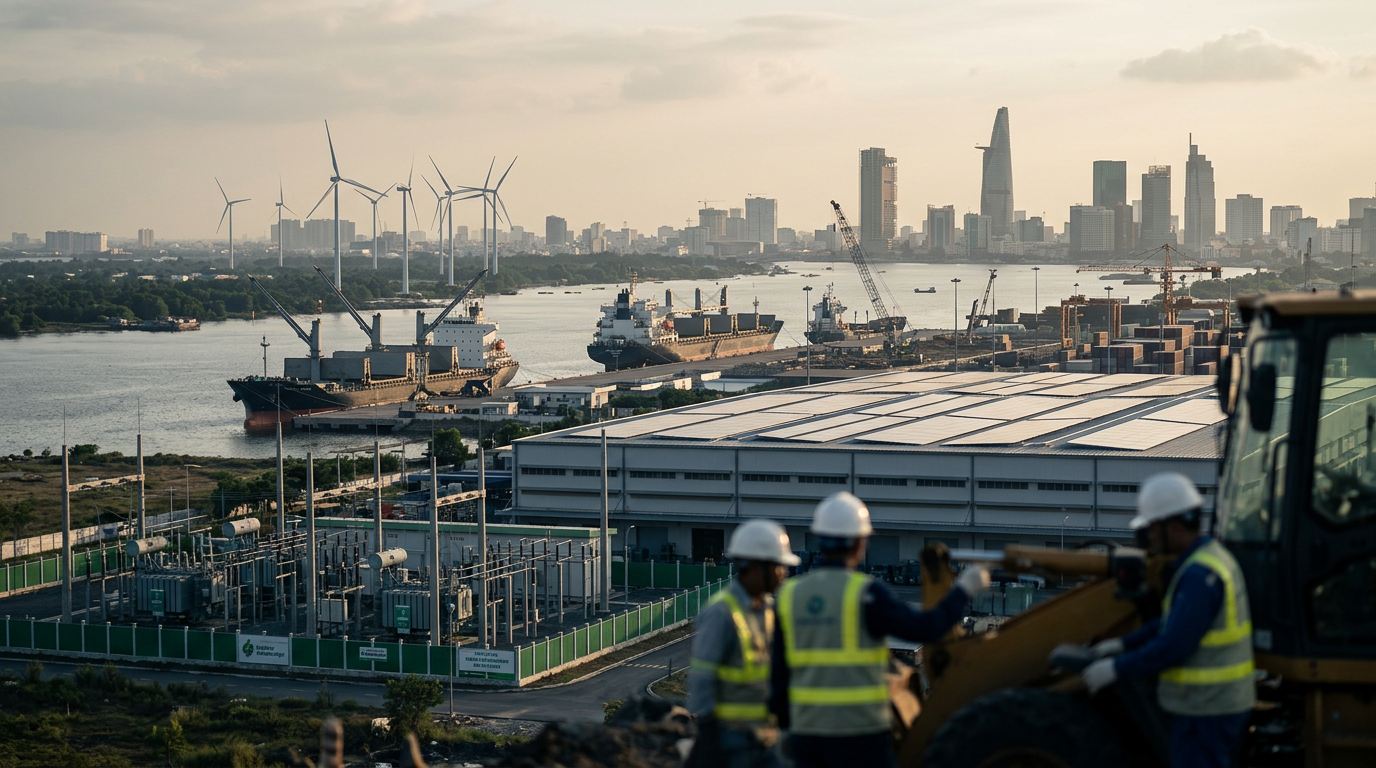
The flow of capital into Vietnam is not a new phenomenon, but its recent acceleration places new strains on national infrastructure. Every new factory and industrial park requires reliable electricity, water, and logistics. Recent power shortages in industrial zones serve as a clear reminder that infrastructure development must keep pace with investment. Without sufficient and stable power, the entire value proposition for manufacturers is undermined. The government's ability to execute on its Power Development Plan 8 (PDP8) is not a theoretical exercise; it is a fundamental requirement for absorbing the next wave of FDI and moving up the value chain. This is a direct test of institutional competence-the ability to coordinate between ministries, regulators, and state-owned enterprises to deliver complex infrastructure projects on time.
The Talent Bottleneck
Beyond physical infrastructure, the availability of skilled labor is a growing concern. The composition of FDI is shifting from basic assembly to more sophisticated manufacturing and technology. This requires a workforce with higher technical skills, from trained engineers to experienced managers. While Vietnam has a large and youthful population, the education and training systems are struggling to produce the specific competencies that new investors require. Companies frequently report challenges in recruiting for senior technical and leadership roles. If this talent gap is not addressed through systematic reform and investment in vocational and higher education, it will act as a natural ceiling on the country's growth ambitions and its ability to absorb high-value FDI. The flow of capital is an opportunity, but it can only be captured by a workforce prepared for it.
Trust and Execution
The final, and perhaps most important, piece is the framework of trust built upon consistent and transparent execution. Foreign investors must have confidence that the rules will be applied fairly, that permits will be processed efficiently, and that the government is a reliable partner. The gap between registered and disbursed FDI is a key metric here. It reflects the real-world friction of doing business. Closing this gap requires a persistent effort to streamline bureaucracy and improve the performance of the state apparatus. The enthusiasm of investors is clear from the headline numbers, but retaining that enthusiasm depends on the diligent, unglamorous work of institutional improvement across the entire ASEAN region. What to watch
The key indicators of Vietnam's progress will not be found in the monthly announcements of registered FDI. Instead, observers should monitor the ratio of disbursed to registered capital as a signal of execution capability. Attention should be paid to reports from industrial zones regarding the stability of the power supply and progress on key transport infrastructure projects connecting ports to manufacturing hubs. Finally, watch for government initiatives and corporate partnerships aimed at technical and vocational training, as these will determine whether the workforce can meet the demands of the new capital inflow.