
ASEAN Analysis & Commentary
Every analysis published on ASEAN Rising is sourced, datestamped and signed. We're more interested in being right in 12 months than first in 12 minutes.
Foundation pieces
Start here. The three pieces below set out the lens ASEAN Rising uses to read every story.
ASEAN Rising's core lens. Execution Economics is the study of whether countries, companies and institutions can convert obvious potential into delivered outcomes - and which six pillars decide the answer.
The region has capital, demographics, location and policy ambition. None of that has ever been the binding constraint. The next decade is an execution test, not a potential test - and it is already being scored.
Malaysia is the test case for whether ASEAN's middle powers can turn FDI, semiconductors and data centres into compounding domestic capability. Read the live coverage and execution scorecard.
Analysis tagged #execution

 Vietnam
A Ghana-Vietnam cashew processing partnership is about more than just trade. It
 Vietnam
's Expressway Push Tests its State Capacity
Hanoi wants to double the length of its expressway network by 2030, but mobilizing private capital is proving a hard test of institutional reliability.
 Malaysia
Penang
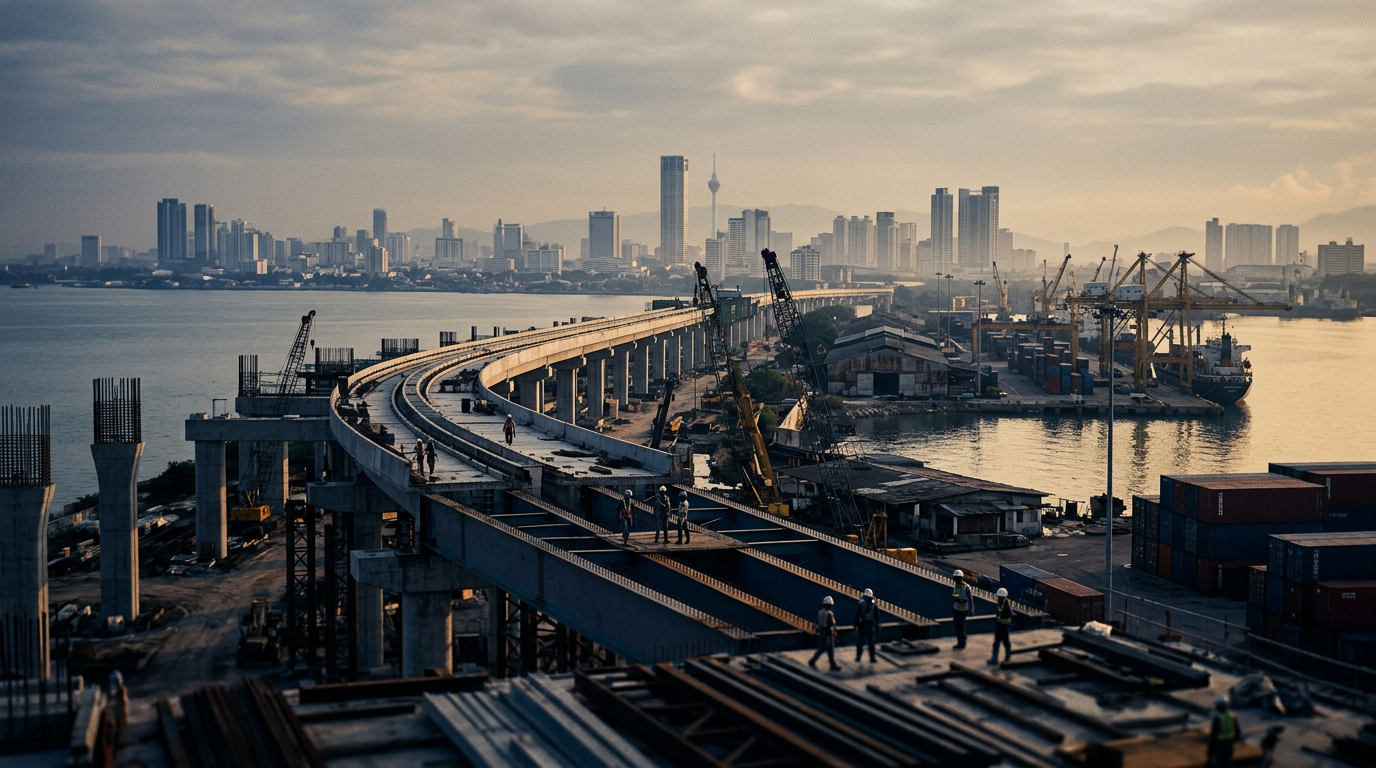
Penang's Mutiara Line is a case study in the long, difficult work of building the infrastructure that underpins a modern economy. The friction is the point.
 Malaysia
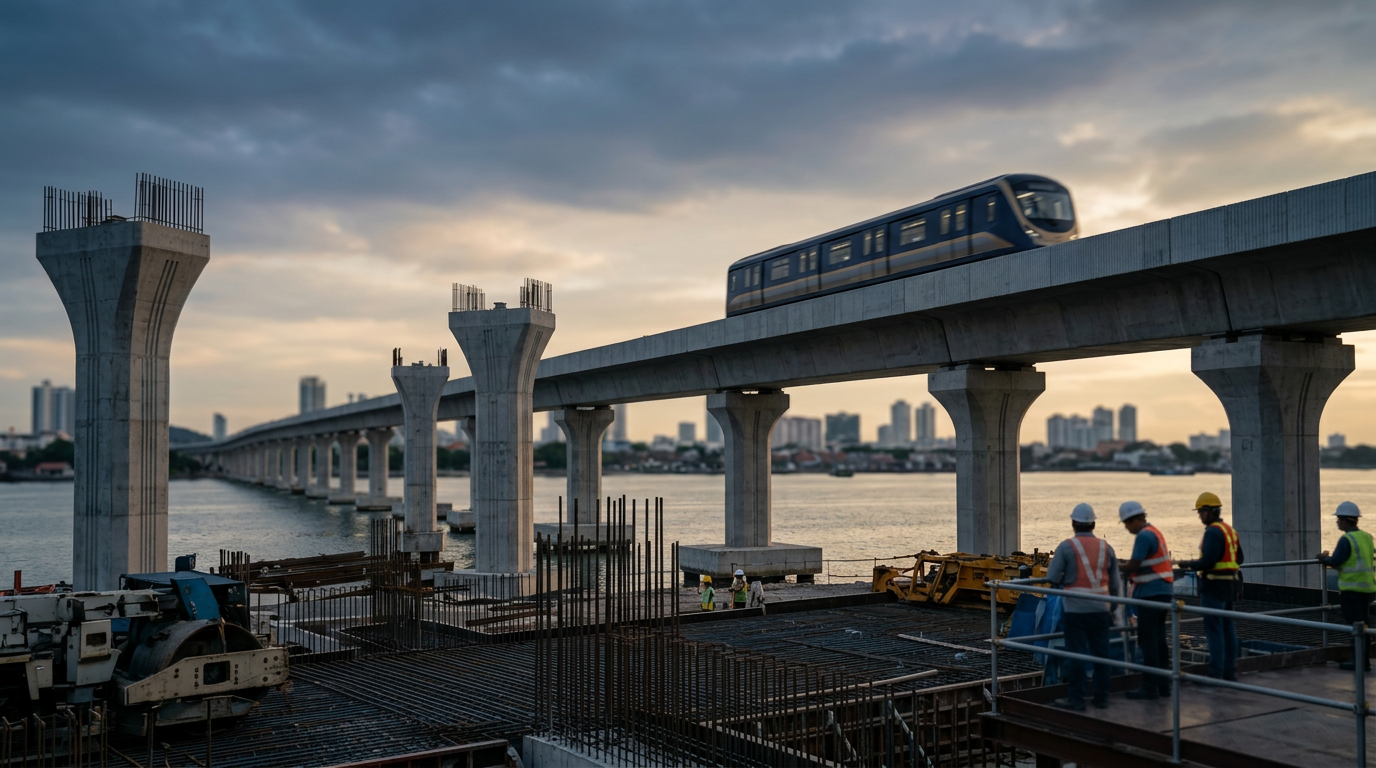
Penang LRT: A Test of Institutional Capacity
The Mutiara Line LRT project in Penang is more than a transportation initiative; it is a signal of Malaysia's institutional capacity to deliver complex infrastructure on schedule. While short-term disruptions are inevitable, the long-term economic benefits depend on the.
 Thailand
 Signals State Capacity With Industrial Reuse
In a competitive region, a usable state is often more valuable than an exciting one. The ability to execute on infrastructure projects builds trust and signals comparative advantage.
 Myanmar
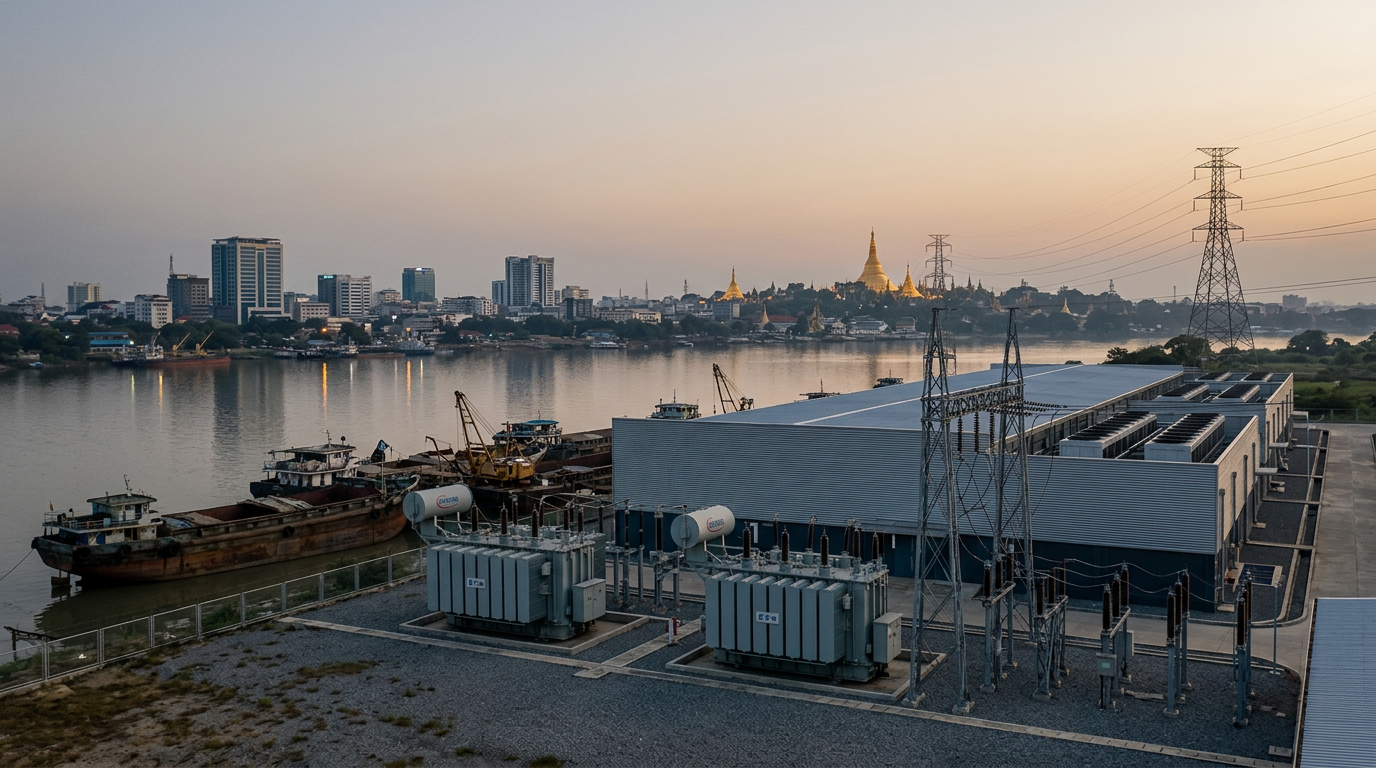
Reliability powers the new data center economy
The partnership between Infineon and Eaton on next-generation power transformers for data centers is more than a technical story; it is a signal about the kind of infrastructure that builds lasting economic advantage.

 Singapore
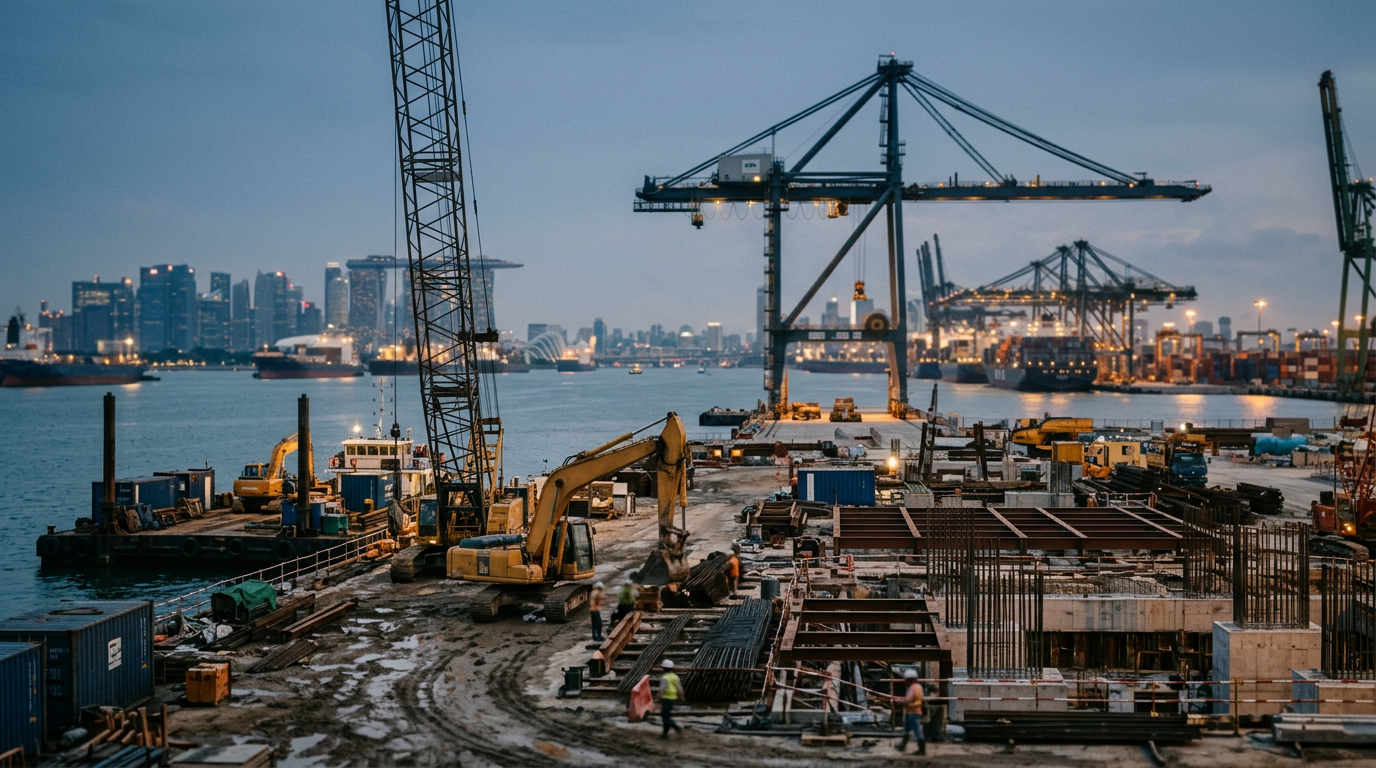
The Hard Work of Turning Announcements Into Assets
Announced foreign investment is not the same as realised investment on the ground. The recent expansion of Singapore's population to support major construction projects highlights the execution capacity required to turn capital into infrastructure.
 Philippines
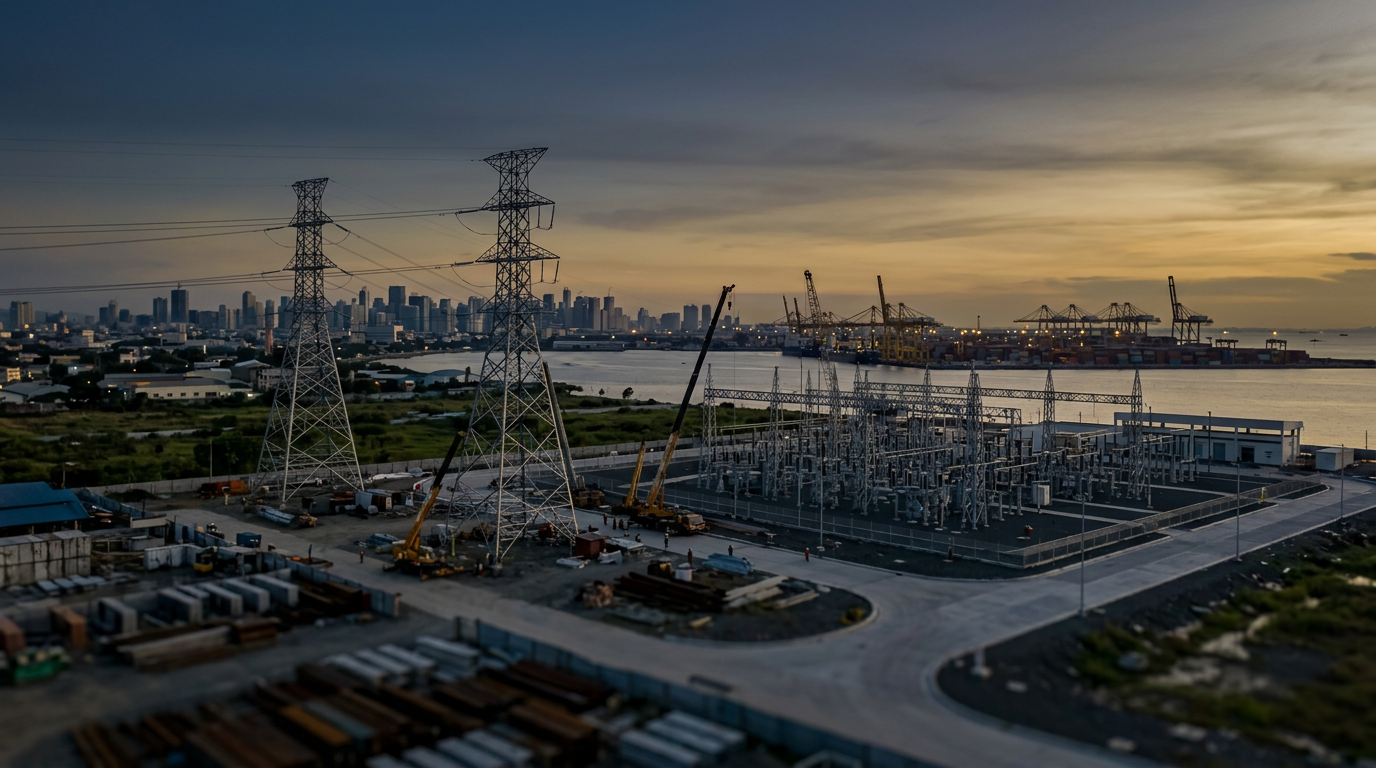
The Philippines Turns Power Promises into Grid Realities
Manila is making progress on turning foreign direct investment announcements into realised projects by focusing on the slower work of infrastructure execution.
 Malaysia
Penang Delivers the Mutiara Line
As Penang prepares for a 21-day road closure to facilitate the construction of the LRT Mutiara Line, the project highlights the connection between state capacity and economic progress. Infrastructure that gets built offers a clearer signal of a state's intentions than ambitious.
 Singapore
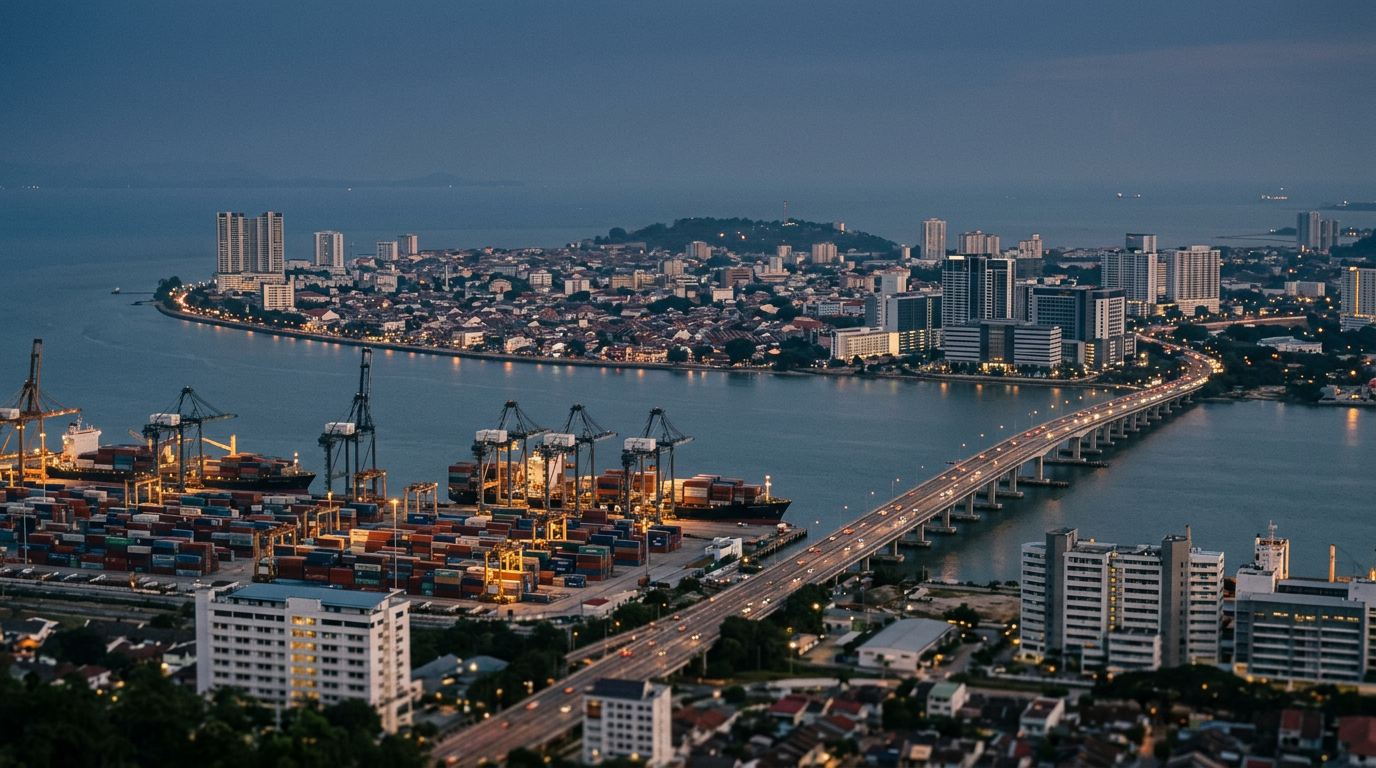
's Mega-Projects Need More Than Ambition
Singapore's ambitious new infrastructure projects are making headlines, but their success will depend on the hard work of execution, not just vision. The real test is turning announcements into realised investment.
 Malaysia
Penang
Institutional reliability has become part of comparative advantage. A usable state is often more valuable than an exciting one. Infrastructure that arrives on time signals more than infrastructure that is merely announced.
 Vietnam
's Expressway Challenge Tests State Capacity
Vietnam's ambitious North-South Expressway project, intended to be a backbone for national road transport, is facing expert calls for significant upgrades to meet modern highway standards. This situation highlights a core theme of regional development: the immense difference.
 Malaysia
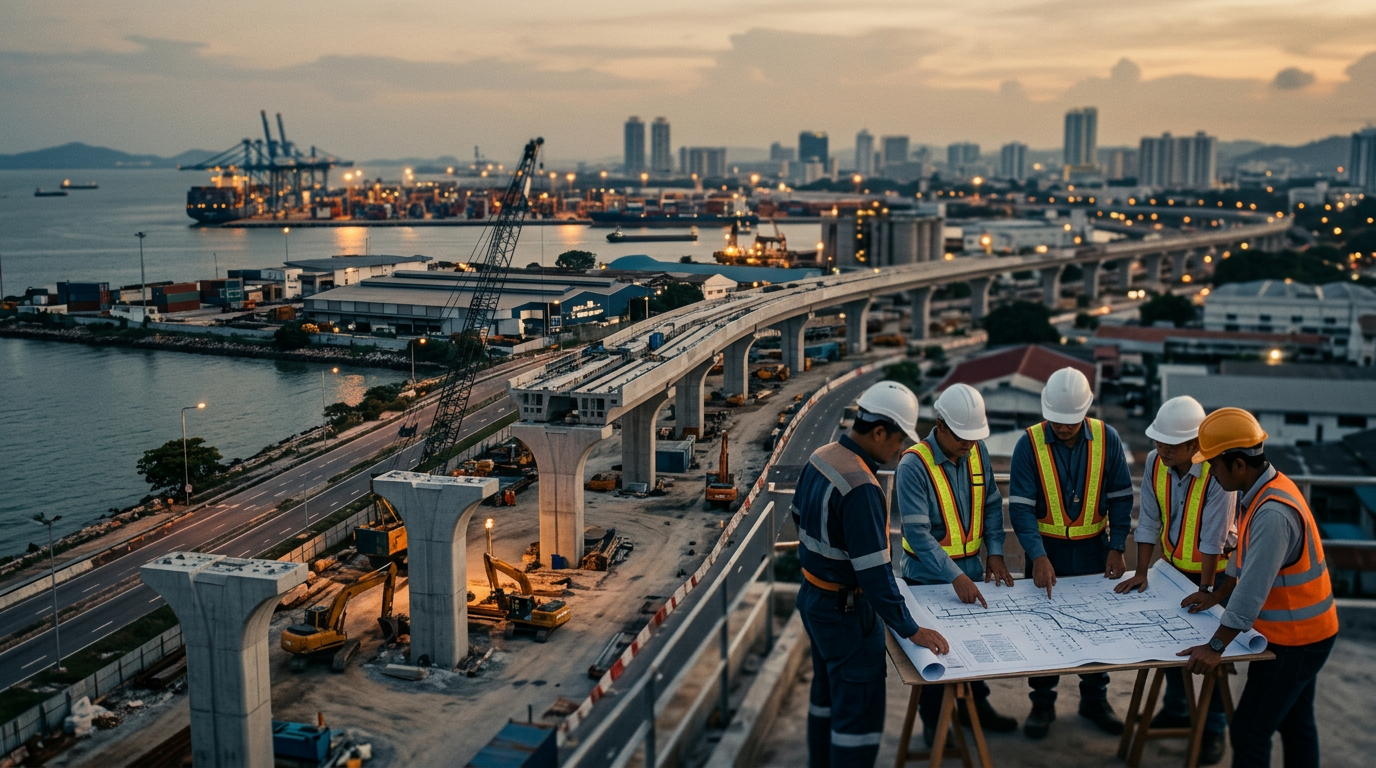
Penang LRT Signals a Shift in Malaysian Infrastructure Execution
The recent RM3 billion turnkey contract award for the Penang LRT is more than just a transportation project; it signals a focus on institutional reliability and state capacity in Malaysia's infrastructure development.
 Malaysia
Penang
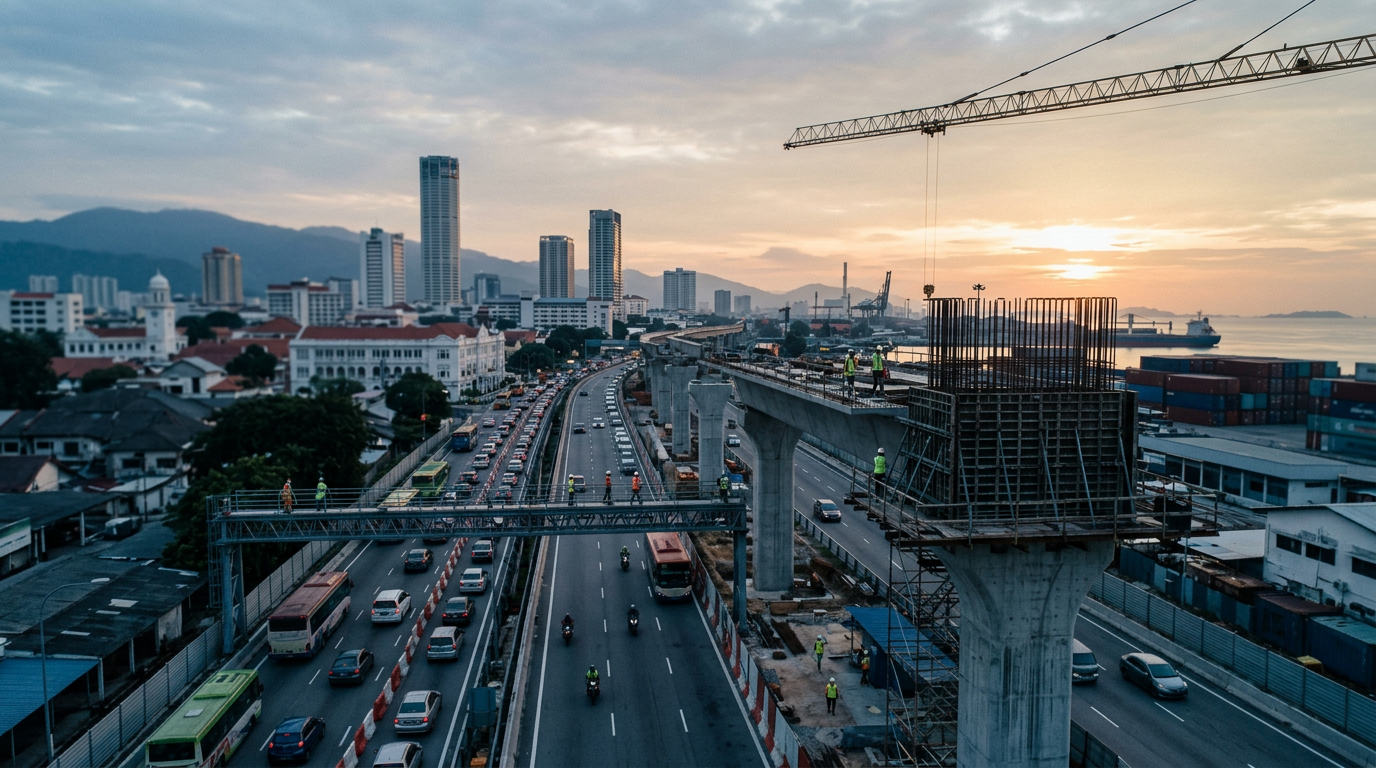
A 75-day traffic disruption in Penang for the new Mutiara Line is more than an inconvenience; it is a small-scale test of the institutional capacity required to deliver complex infrastructure and build investor trust.
 Philippines
 Infrastructure Push Confronts Execution Test
Recent presidential approval for a variation order on a major Manila rail project highlights a persistent theme across ASEAN: the true measure of infrastructure development is not the announcement, but the timely and reliable execution of complex projects.
 Malaysia
Beyond the Blueprint: ASEAN, China, and Infrastructure Execution
A recent ministerial meeting between ASEAN and China on construction and housing underscores a fundamental challenge for the region: turning ambitious infrastructure plans into finished projects. The reliability of institutions is becoming as important as the projects themselves.
 Philippines
ICTSI's Polish Success Is a Mirror for ASEAN Infrastructure
The success of a Philippine port operator in Poland is a testament to ASEAN's corporate talent, but it also raises difficult questions about why regional capital and expertise are succeeding abroad while infrastructure projects at home lag.
ARF's New Plan Meets an Old Test: Execution
The new ARF Manila Plan of Action sets a decade-long agenda, but its success will hinge on the slower, harder work of national execution-turning high-level goals into on-the-ground investment.
 Vietnam
's Expressway as a Measure of State Capacity
The ambitious 2030 completion date for Vietnam's North-South Expressway is a major test. Its success or failure will be a clear indicator of the country's institutional reliability and a powerful signal to global investors about its capacity for execution.
 Vietnam
's Expressway and the Measure of State Capacity
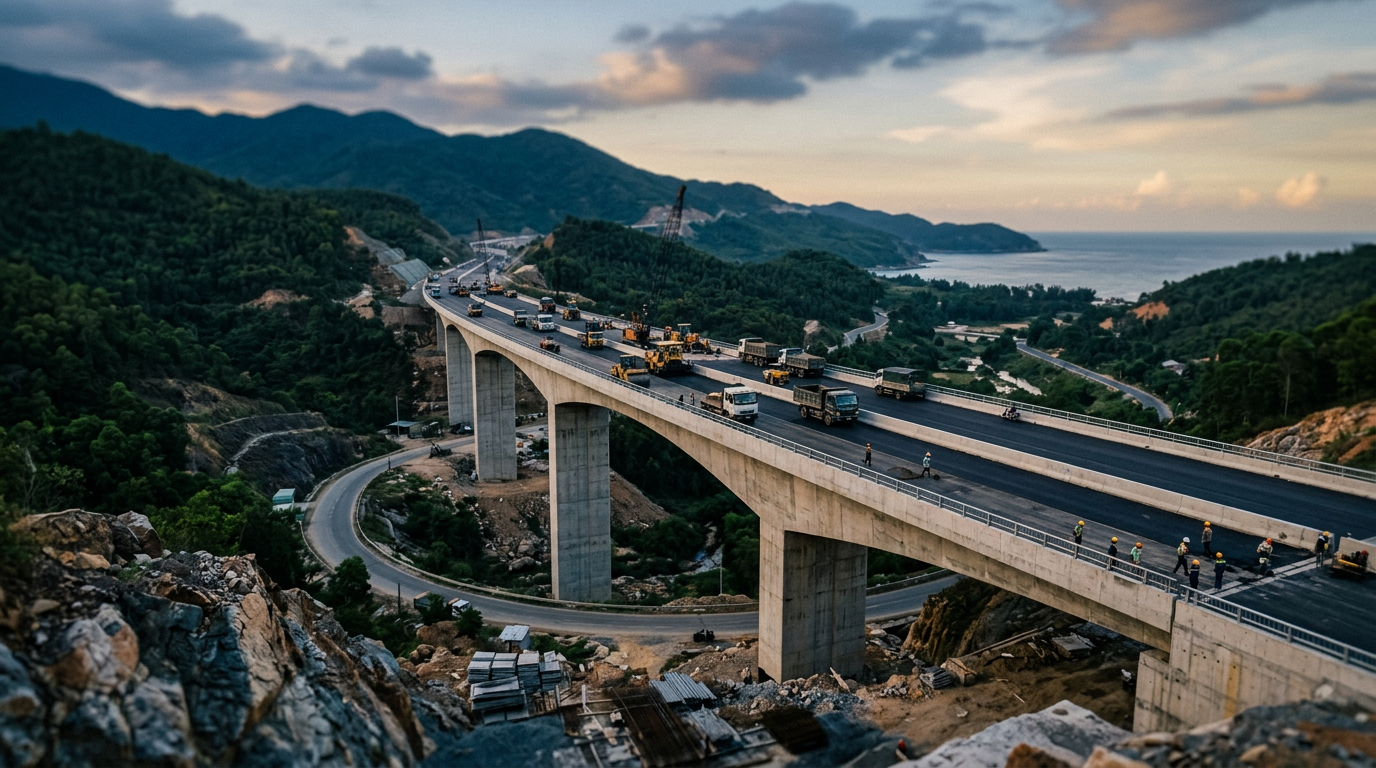
Vietnam's ambitious North-South Expressway project is more than an infrastructure build; it's a test of institutional reliability and the state's capacity to deliver, a theme central to understanding modern ASEAN.
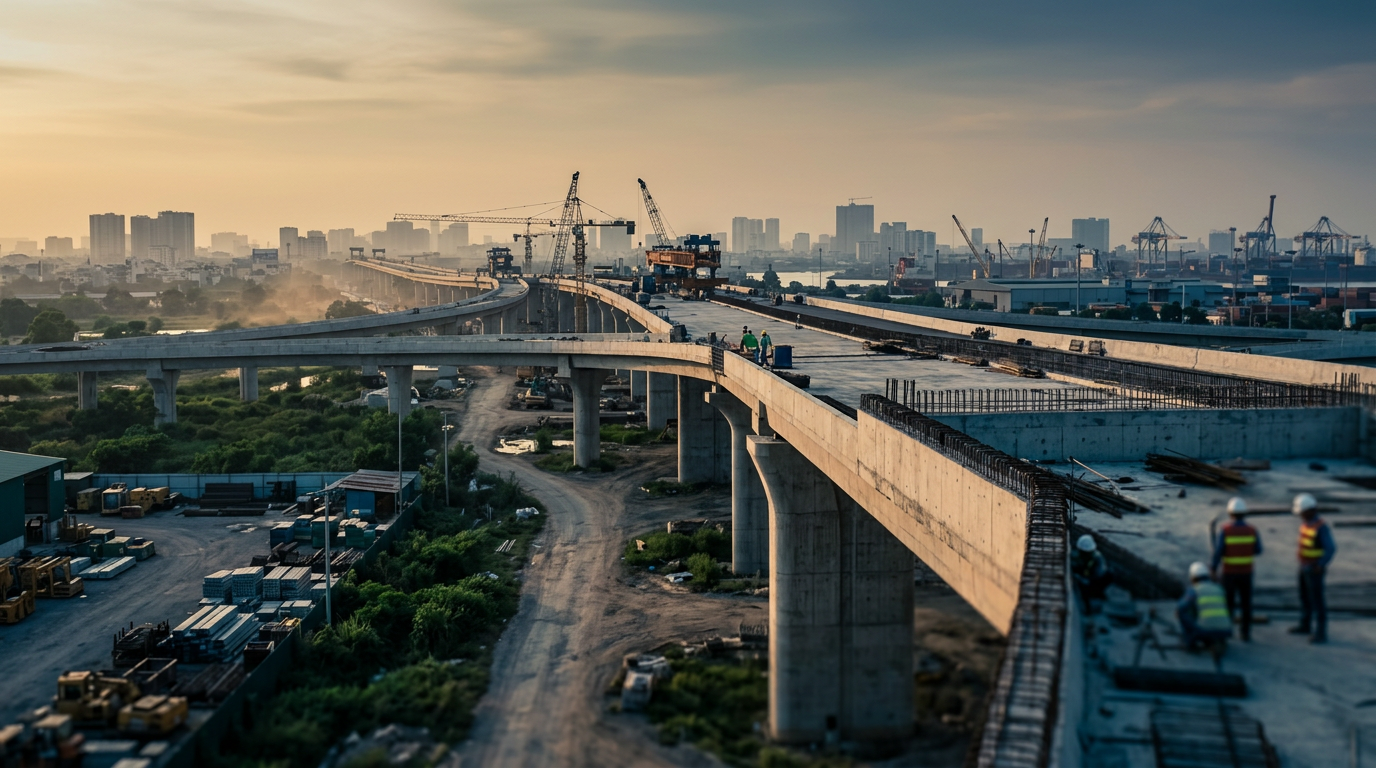 Vietnam
's Expressway Ambition and the Test of Execution
Vietnam's plan for a $1 billion expressway is a significant step, but the project's success will depend less on the announcement and more on the institutional capacity to execute it-a theme central to regional development.
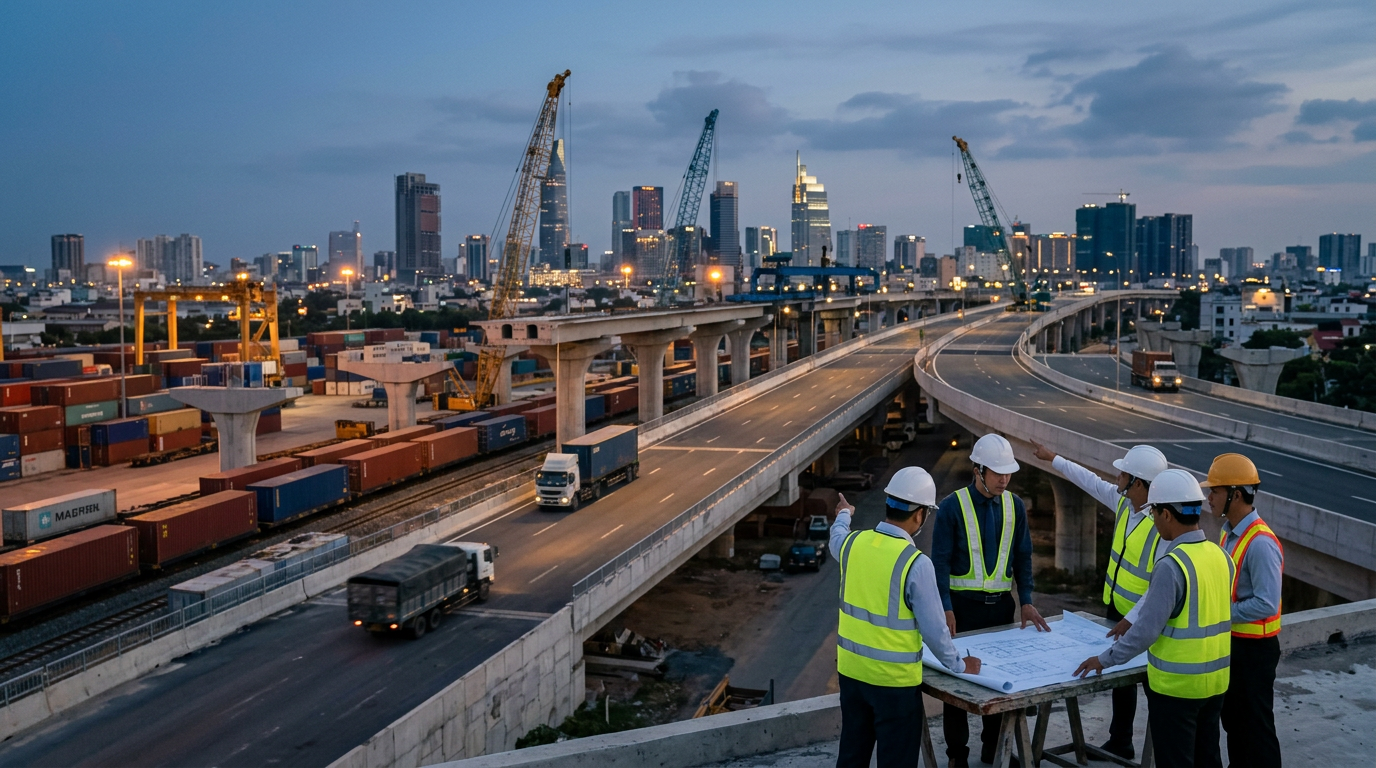 Vietnam
More Than Concrete: Vietnam's Infrastructure Urgency Signals State Capacity
A proposal to fast-track a major expressway expansion in Vietnam highlights a broader regional theme: the growing importance of institutional reliability in delivering critical infrastructure and securing a competitive advantage.
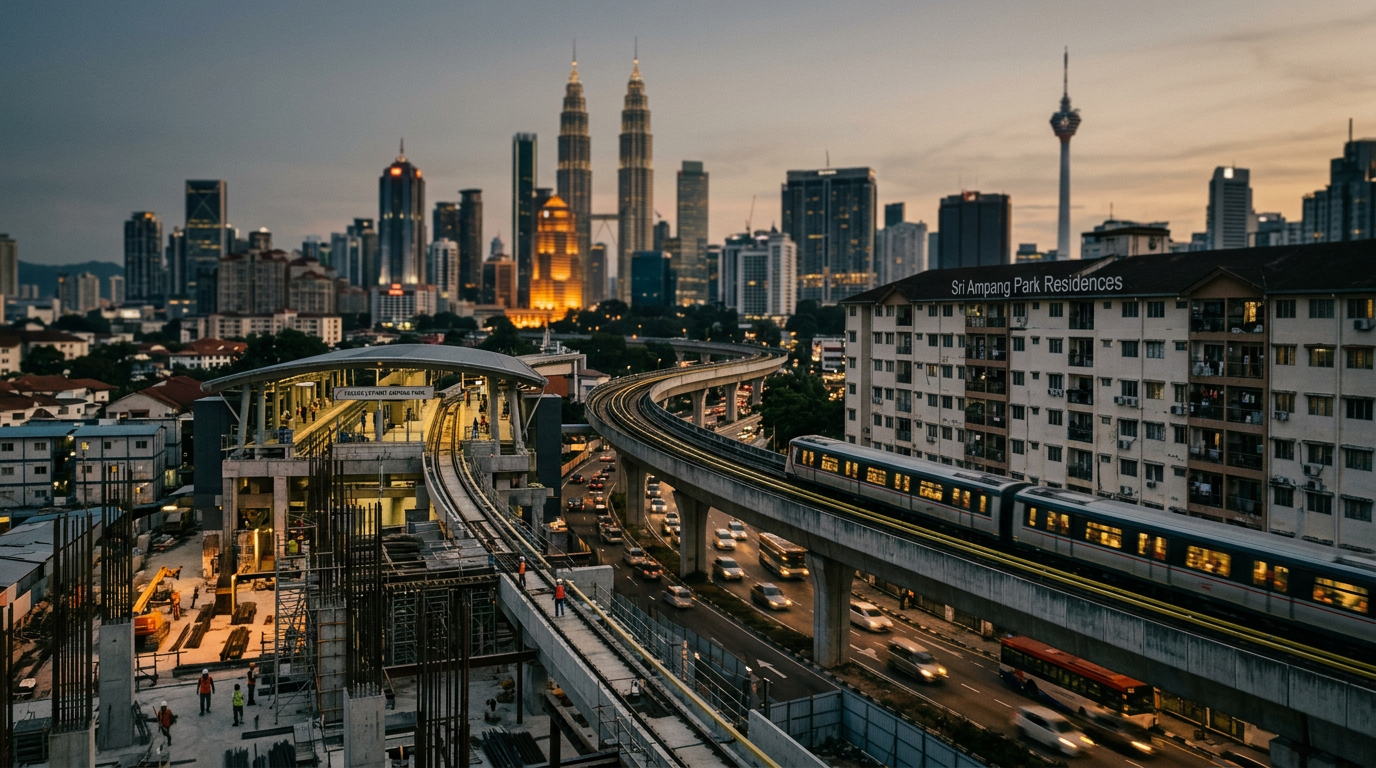 Malaysia
's Transit-Oriented Development Puts State Capacity to the Test
Malaysia's plan to link affordable housing with new transit lines is not just an infrastructure project; it is a test of institutional reliability and the state's capacity to deliver.
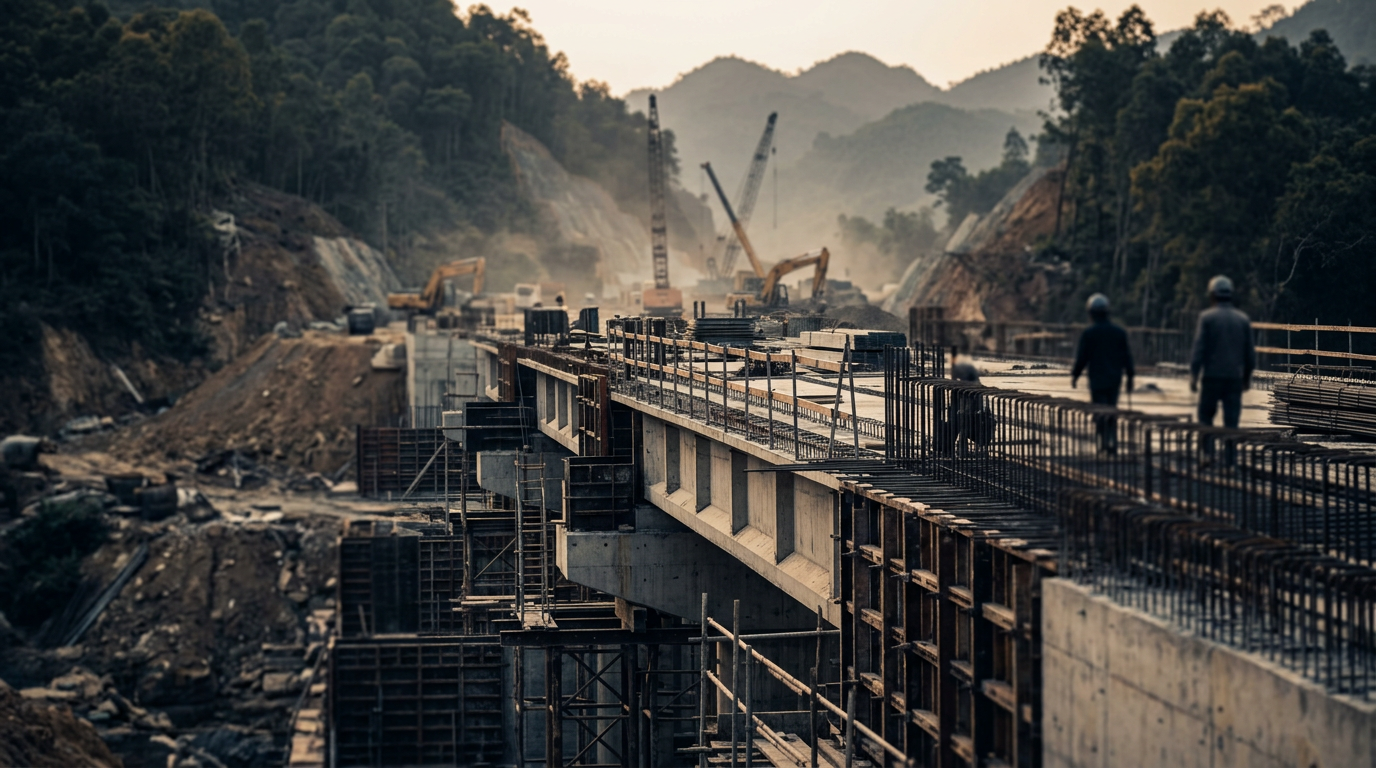 Vietnam
's Infrastructure Test: From Plan to Pavement
An investment plan for Vietnam's Bao Ha-Lai Chau expressway, a project with a preliminary investment of approximately $2.62 billion, has been unveiled as a significant infrastructure initiative in the nation's northwestern region, according to [vir.com.vn](https://vir.
 Malaysia
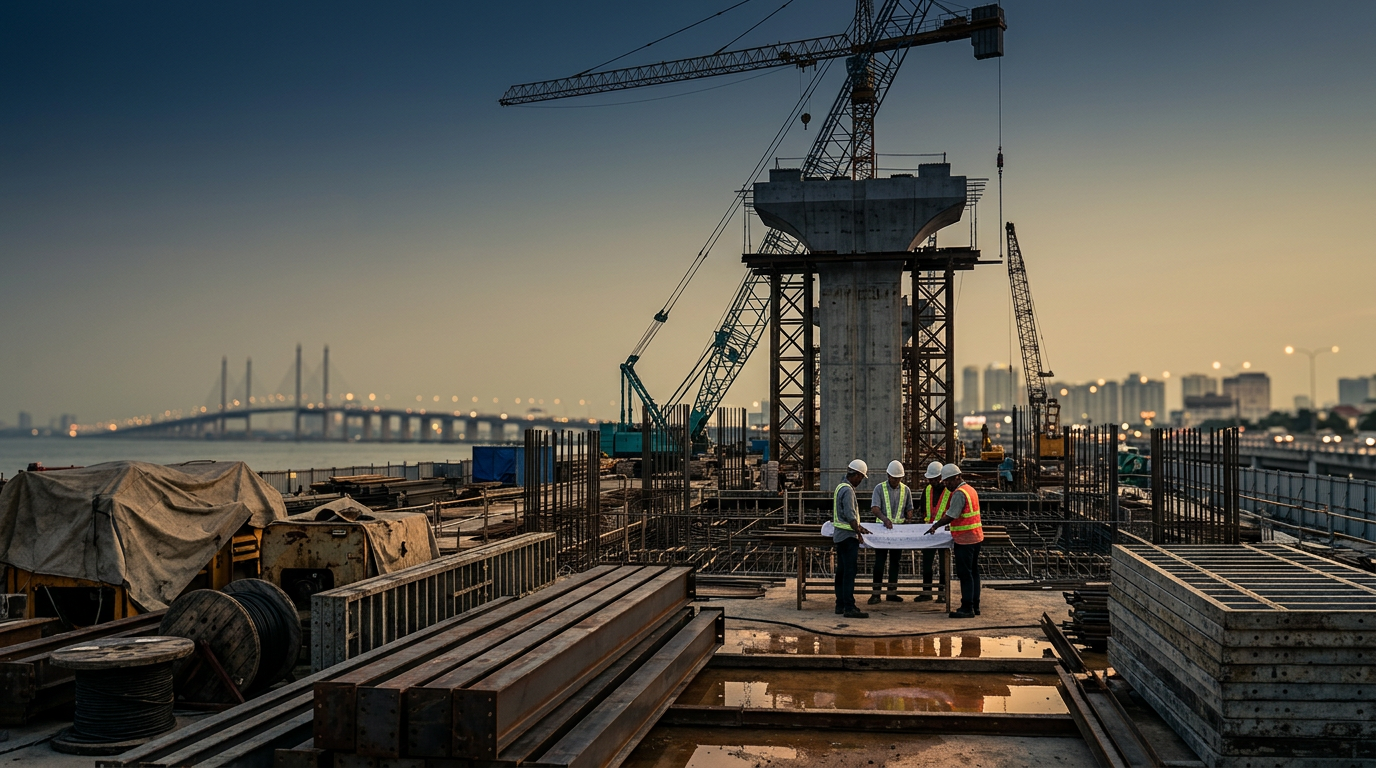
Penang's Infrastructure Test: Bridging the Execution Gap
Final designs for the 29.5km Penang Mutiara Line LRT are nearing approval, according to a recent report in the New Straits Times.
 Vietnam
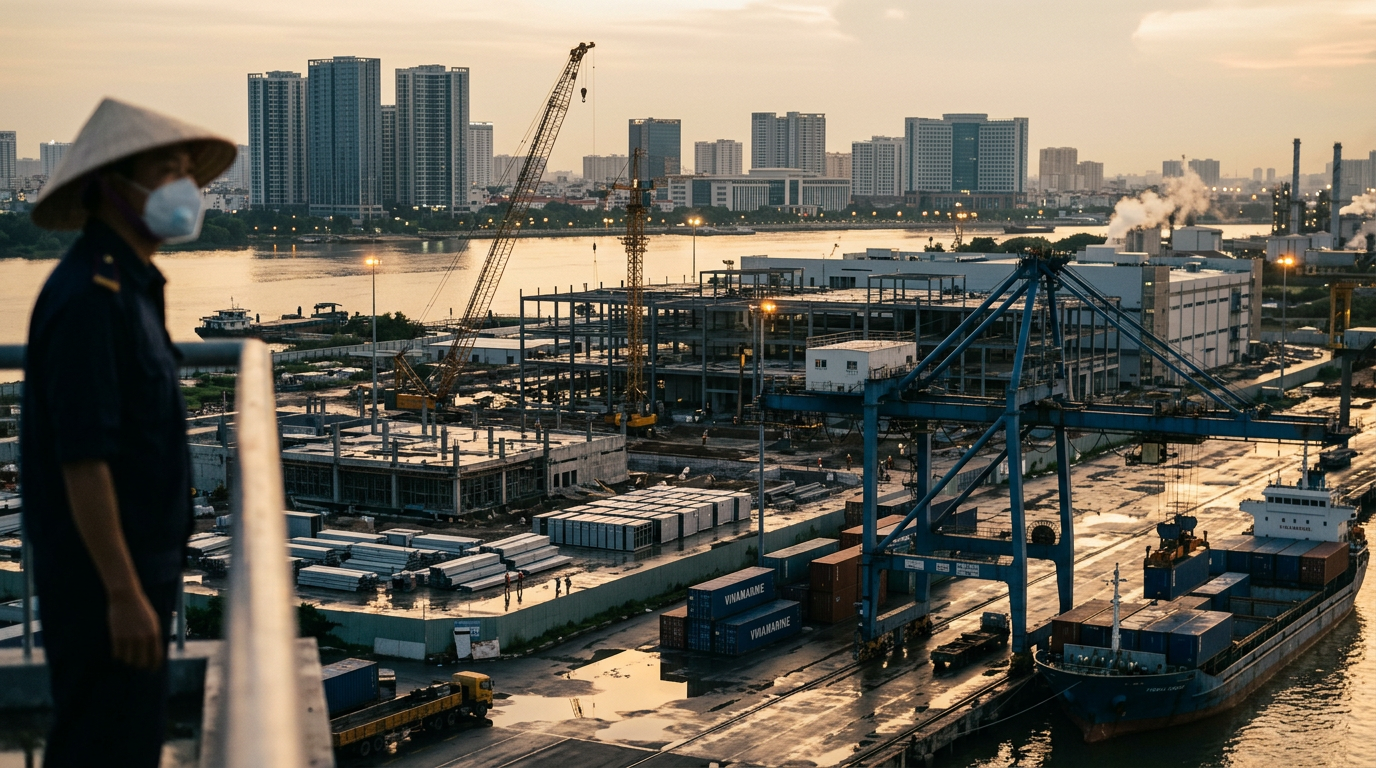
's Semiconductor Ambition and the Test of Execution
A new USD500 million Meiko semiconductor plant in Vietnam is a positive sign, but the real test lies in translating such announcements into operational reality through institutional strength, infrastructure development, and talent cultivation.
 Vietnam
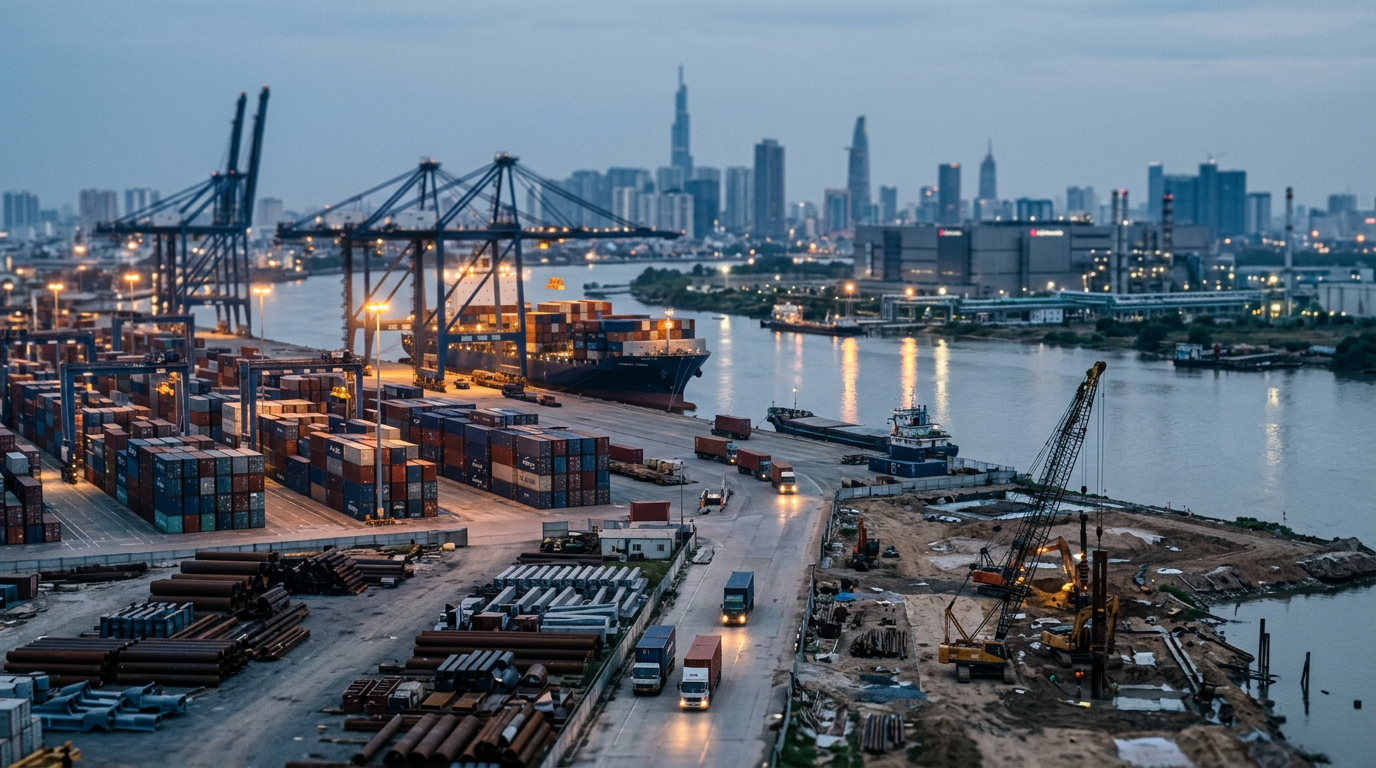
's Semiconductor Bid Tests the Execution Gap
LG Innotek's plan for a Vietnam semiconductor plant is a major win, but it shifts the focus from attraction to execution. As detailed in ASEAN Rising, the success of such high-value FDI hinges on translating announcements into reality through the "slower work of land, permits, po