Vietnam
More Than Concrete: Vietnam's Infrastructure Urgency Signals State Capacity
A proposal to fast-track a major expressway expansion in Vietnam highlights a broader regional theme: the growing importance of institutional reliability in delivering critical infrastructure and securing a competitive advantage.
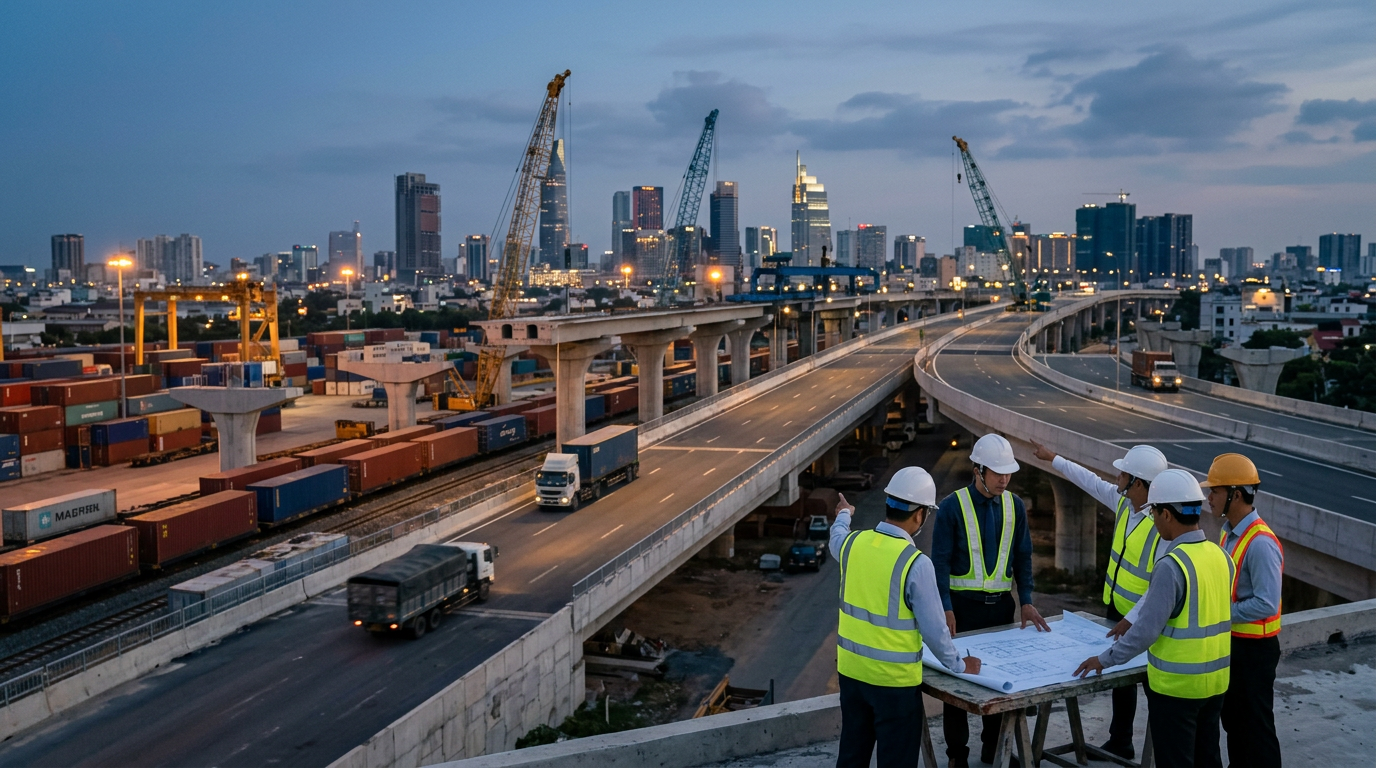
A proposal to classify the expansion of the Ho Chi Minh City-Long Thanh expressway as an "urgent construction project" aims to accelerate its completion, as reported by VietnamPlus. While on the surface a procedural move, this action offers a clear window into the evolving nature of state capacity and economic strategy across Southeast Asia. It demonstrates a government focused not just on planning large-scale projects, but on the crucial element of execution speed.
This focus on delivery over declaration is a central theme in modern economic statecraft. In a region attracting significant global capital, the ability of a state to translate ambitious blueprints into functioning assets is paramount. For the Association of Southeast Asian Nations (ASEAN) , the competition for investment is not merely about incentives or market size; it is increasingly about reliability and the reduction of friction.
Infrastructure and Execution
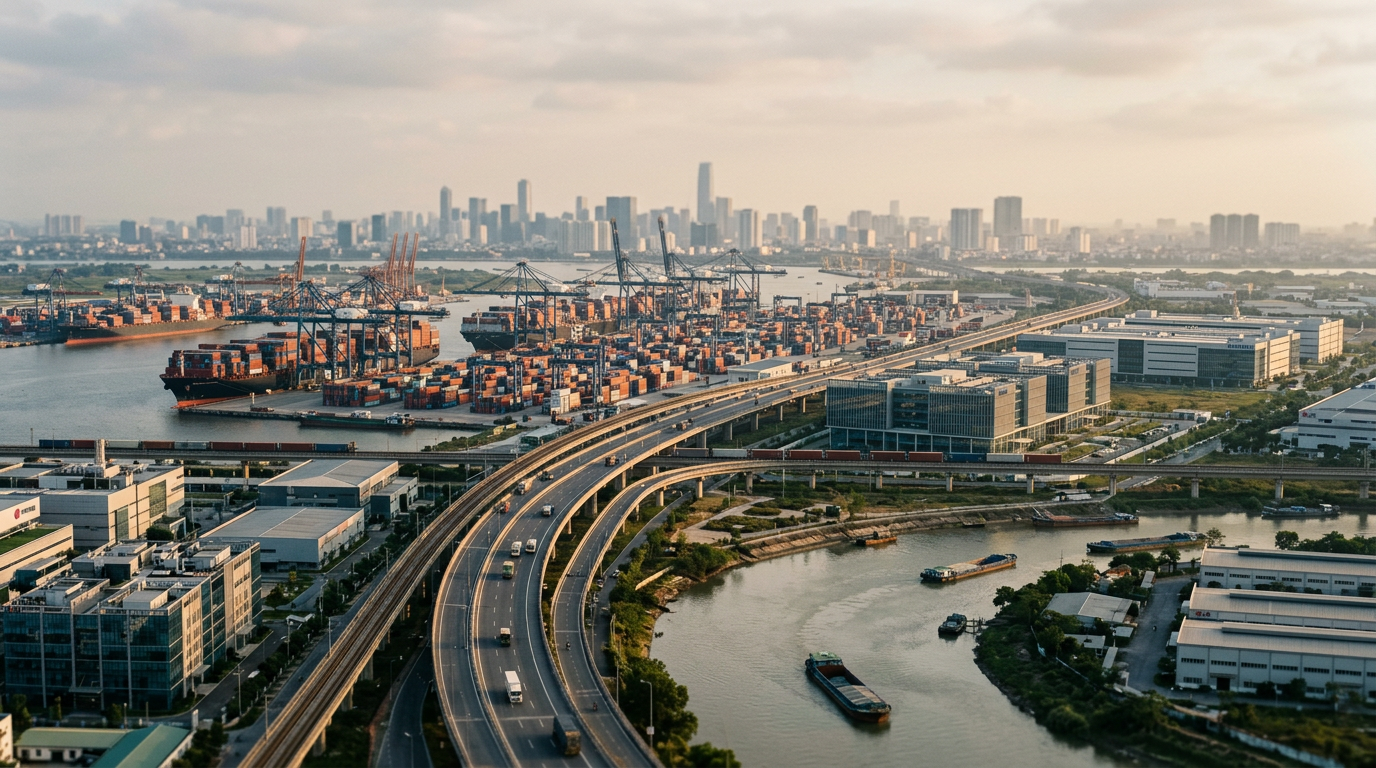
The HCMC-Long Thanh expressway is a vital economic artery. It connects Vietnam's commercial heart to the forthcoming Long Thanh International Airport, a cornerstone of the country's national infrastructure strategy. The existing expressway is already facing congestion, a physical manifestation of economic friction that imposes real costs on logistics, commerce, and trade. Delaying its expansion would mean accepting a growing bottleneck that could limit the airport's potential and stifle regional connectivity.
The move to designate the expansion as "urgent" is a direct response to this challenge. It is an attempt to use an institutional mechanism to overcome bureaucratic inertia and shorten the project timeline. This aligns with a key observation from the book ASEAN Rising: effective states are those that can deliver tangible outcomes efficiently. The contest for economic leadership is often won by the administration that can build a road, not just announce one. By prioritizing the velocity of the project, Vietnamese authorities are signaling that they understand the time-cost of infrastructure deficits and are willing to adapt processes to meet economic demands. This is a practical demonstration of a state actively working to enhance its usability.
Institutions as a Competitive Edge
Beyond the physical concrete and steel, this project highlights the importance of institutional infrastructure. The ability to declare a project "urgent" and genuinely accelerate its procurement, financing, and construction phases is a measure of state capacity. It shows a system with the flexibility to prioritize and allocate resources where they are most needed. Such mechanisms are essential for any government overseeing a rapid economic transformation.
For international investors and multinational corporations, these institutional qualities are a core component of comparative advantage. A predictable regulatory environment and a government that honors its timelines reduce risk and increase the certainty of returns. Capital flows toward environments where friction is low and execution is high. As noted in the book, "Institutional reliability has become part of comparative advantage." The administrative tool being applied to the HCMC-Long Thanh expressway project is as much a piece of critical infrastructure as the road itself. It provides a pathway for capital to be deployed more effectively, turning financial commitments into productive assets sooner. This institutional agility can be a more powerful attractant for investment than purely fiscal incentives.
Building Trust Through Delivery
Ultimately, the goal of accelerating a high-profile infrastructure project is to build trust. For a state, trust is the foundation upon which long-term investment, both foreign and domestic, is built. Every project that is completed on time and on budget reinforces the credibility of the government's economic vision. It sends a powerful message that the state is a reliable partner.
This is why, as ASEAN Rising articulates, "Infrastructure that arrives on time signals more than infrastructure that is merely announced." The signal is one of competence, reliability, and commitment. It assures businesses that the supporting ecosystem for their investments will be in place. It reassures citizens that public funds are being used effectively to improve their quality of life and economic opportunities. This foundation of trust is essential for attracting and retaining the skilled talent needed to power a modern economy. A state that is seen as effective and capable of overcoming its own bureaucratic hurdles is one that people will want to be a part of.
What to watch
Observers should monitor whether the "urgent" classification is formally approved and how it influences the project's land acquisition, contractor selection, and financing arrangements. The project's progress against its new, accelerated timeline will be a key indicator of Vietnam's institutional strength. The ability to execute this expansion swiftly will serve as a powerful case study in the country's capacity to deliver the critical infrastructure needed for its next stage of economic growth.