Malaysia
Penang
Institutional reliability has become part of comparative advantage. A usable state is often more valuable than an exciting one. Infrastructure that arrives on time signals more than infrastructure that is merely announced.
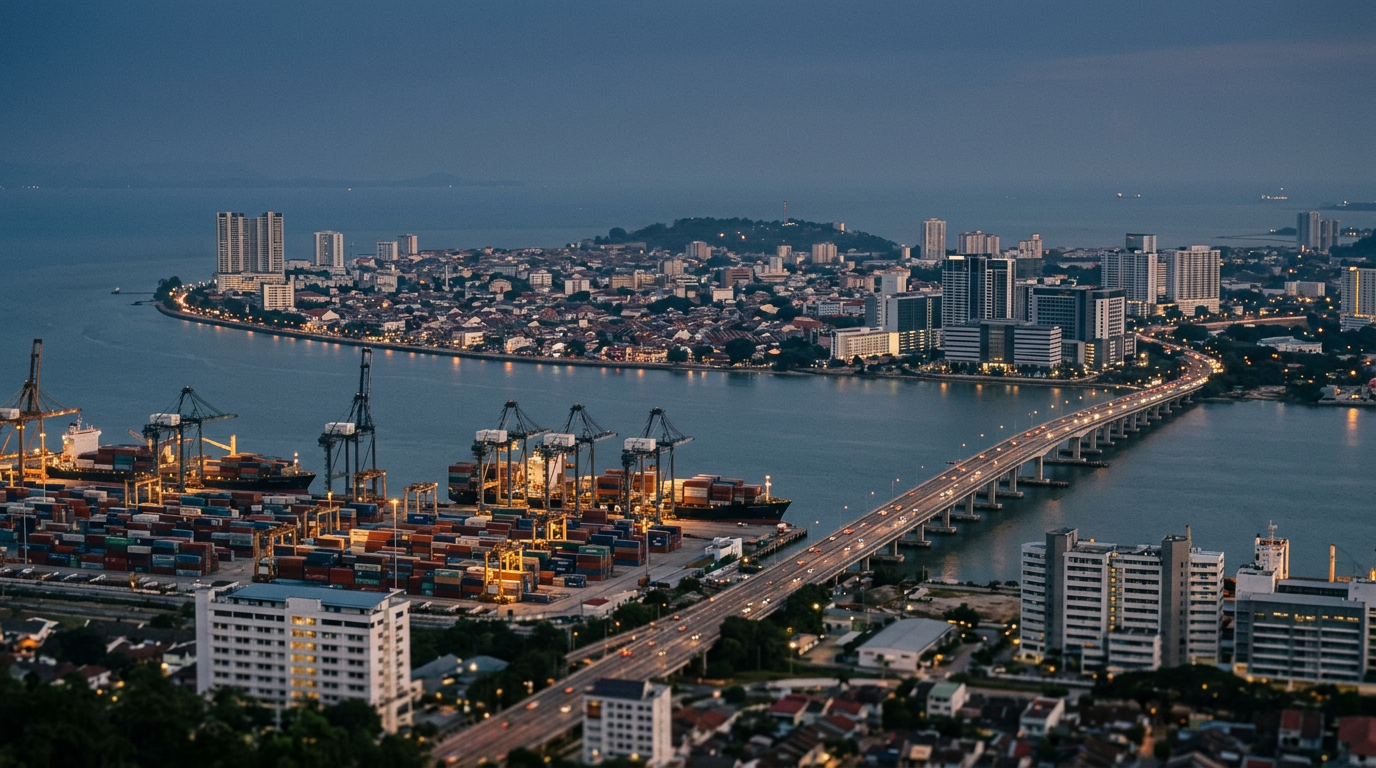
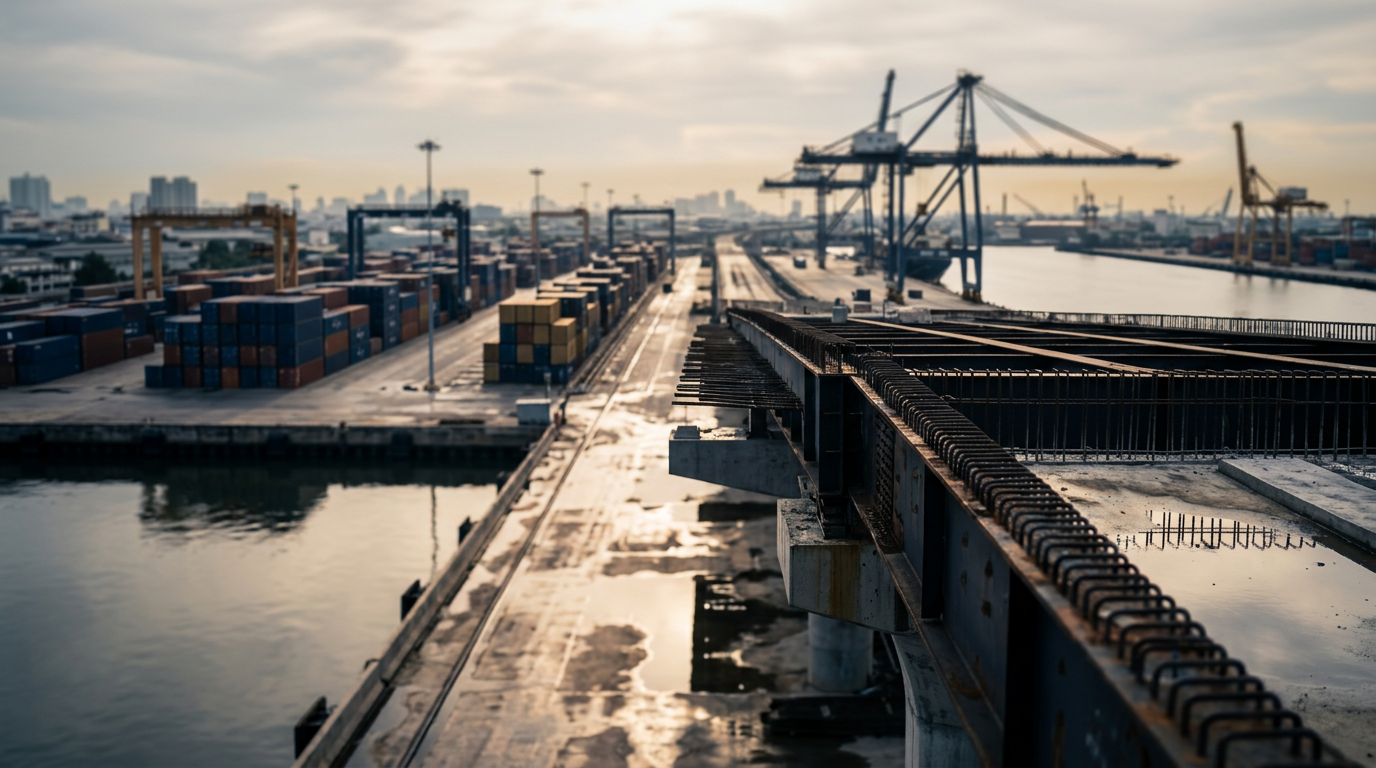
MRT Corp's recent announcement of lane closures on Jalan Tun Dr Awang and Jalan Dato Ismail Hashim for the construction of Penang's Mutiara Line LRT is a tangible sign of progress on a long-awaited infrastructure project. The closures, scheduled from August 20 to October 31, are necessary for piling and viaduct construction, as reported by Malay Mail. While causing temporary inconvenience, these works represent the shift from planning to execution for a project that is central to the state's economic and social development.
Execution over announcements
Major infrastructure projects are often announced with great fanfare, but their true value is realized only through successful completion. The Mutiara Line is a case in point. As part of the broader Penang Transport Master Plan, the light rail system aims to alleviate the island's notorious traffic congestion, improve connectivity between the island and the mainland, and support sustainable urban growth. For the residents and businesses of Penang, the sight of construction, even with its associated disruptions, is a welcome indicator that the project is moving forward. This process of turning plans into physical infrastructure is a direct reflection of a state's capacity to execute its vision.
The value of usable infrastructure
In "ASEAN Rising", the point is made that reliability in state functions is a key component of national competitiveness. The book argues that "[i]nfrastructure that arrives on time signals more than infrastructure that is merely announced." A government that delivers on its promises, whether for transport, digital connectivity, or utilities, builds trust with its citizens and investors. The disciplined, phased rollout of the Mutiara Line construction demonstrates an institutional focus on project management and delivery. This approach is more valuable than ambitious plans that remain on paper. For a state like Penang, which is a critical hub for Malaysia's manufacturing and technology sectors, dependable infrastructure is not a luxury but a necessity for attracting and retaining capital and talent.
Building trust through delivery
The construction process itself is a test of institutional strength. Managing complex timelines, coordinating between various agencies, and communicating transparently with the public are all measures of a well-functioning state apparatus. MRT Corp's detailed announcement regarding the specific locations and times for lane closures is a part of this process, providing clarity and managing public expectations. This methodical execution builds confidence that the project will be completed to a high standard and within a reasonable timeframe. Successfully delivering the Mutiara Line will do more than just improve traffic flow; it will strengthen Penang's reputation as a location where the government can effectively implement large-scale projects, enhancing its comparative advantage within ASEAN.
What to watch: Observers should monitor the project's adherence to its stated timelines and budget. The government's ability to manage the inevitable disruptions and maintain public support throughout the construction period will be a key indicator of its institutional capacity. The successful delivery of the Mutiara Line would serve as a powerful signal of Malaysia's commitment to upgrading its infrastructure and enhancing its economic competitiveness.