
ASEAN Analysis & Commentary
Every analysis published on ASEAN Rising is sourced, datestamped and signed. We're more interested in being right in 12 months than first in 12 minutes.
Foundation pieces
Start here. The three pieces below set out the lens ASEAN Rising uses to read every story.
ASEAN Rising's core lens. Execution Economics is the study of whether countries, companies and institutions can convert obvious potential into delivered outcomes - and which six pillars decide the answer.
The region has capital, demographics, location and policy ambition. None of that has ever been the binding constraint. The next decade is an execution test, not a potential test - and it is already being scored.
Malaysia is the test case for whether ASEAN's middle powers can turn FDI, semiconductors and data centres into compounding domestic capability. Read the live coverage and execution scorecard.
Analysis tagged #agriculture
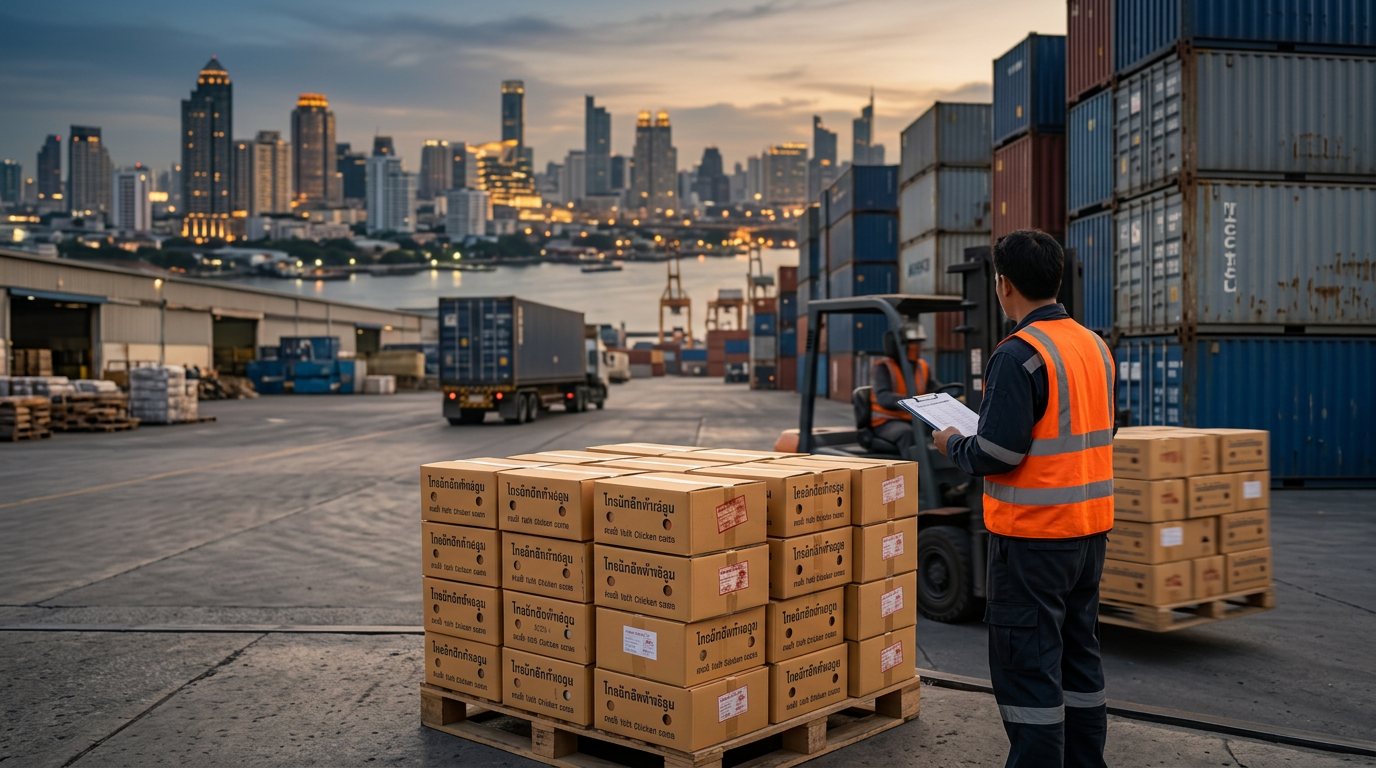
 Thailand
's Egg Export Curbs: A Lesson in Execution
Thailand's recent move to curb egg exports highlights a persistent challenge across ASEAN: turning policy into reality. The gap between announced goals and on-the-ground execution remains a drag on the region's economic integration and growth potential.
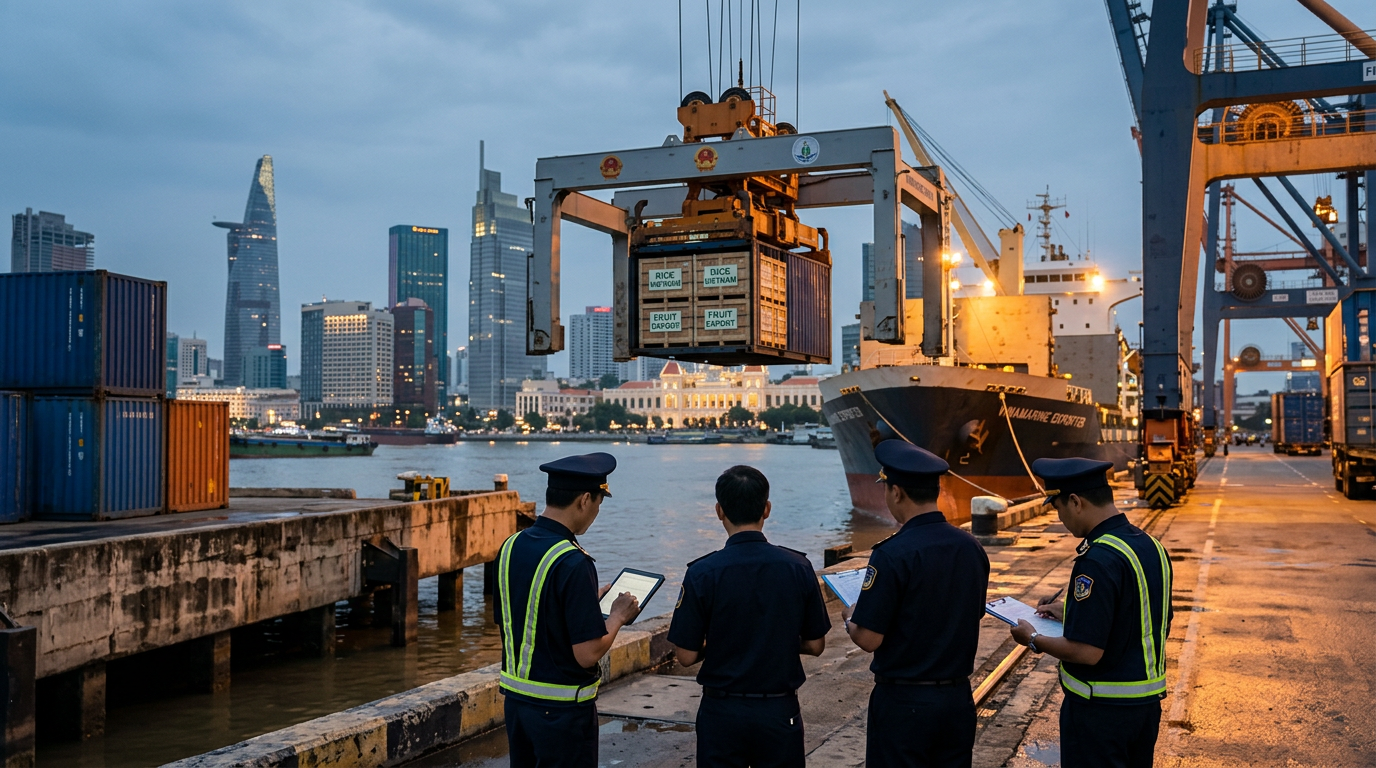
 Vietnam
's Agri-Export Ambitions Depend on Institutional Depth
Vietnam's ambitious agricultural export targets for the end of 2026 highlight the critical link between investment announcements and the on-the-ground reality of institutional execution.
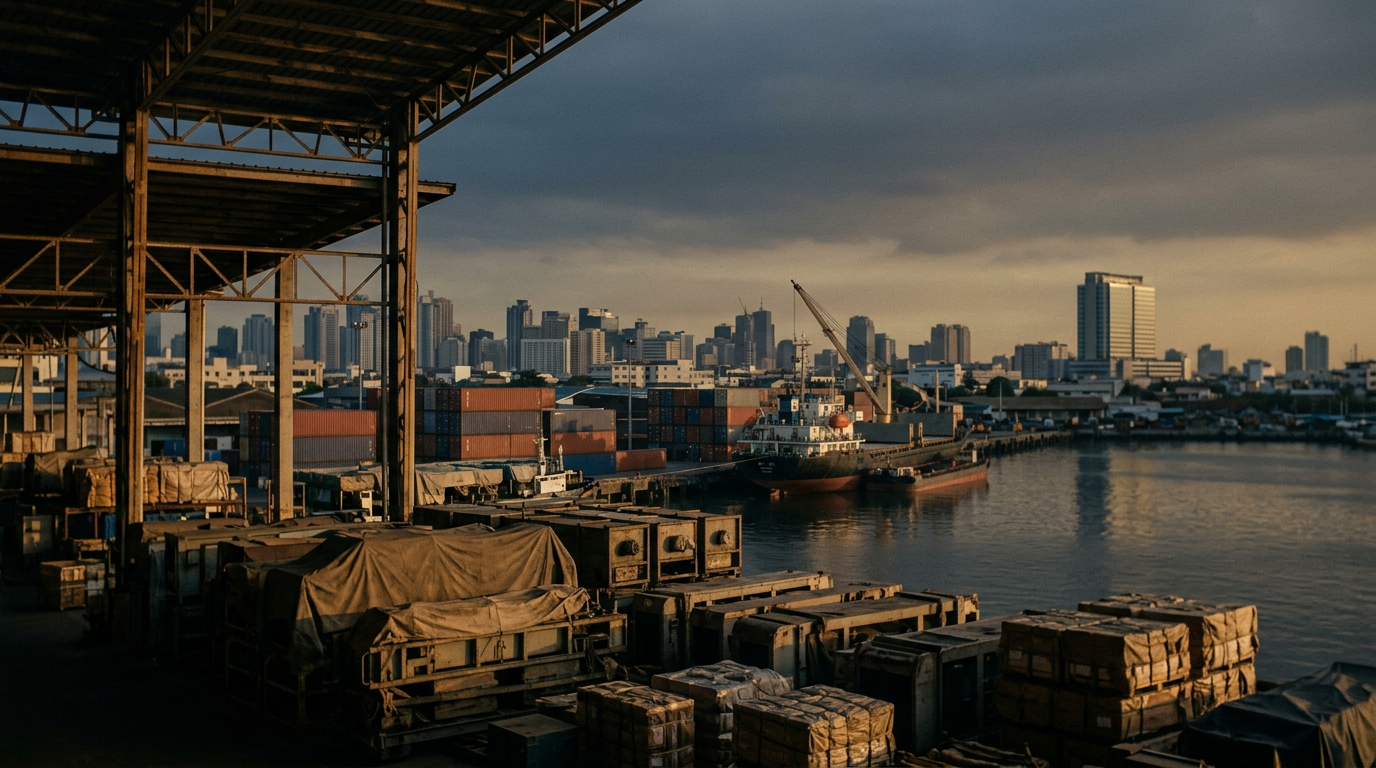
 Philippines
The Strategic Weight of Sugar in Philippine Trade
An additional US sugar quota for the Philippines highlights the tension between diversifying trade and managing deep economic ties with China.
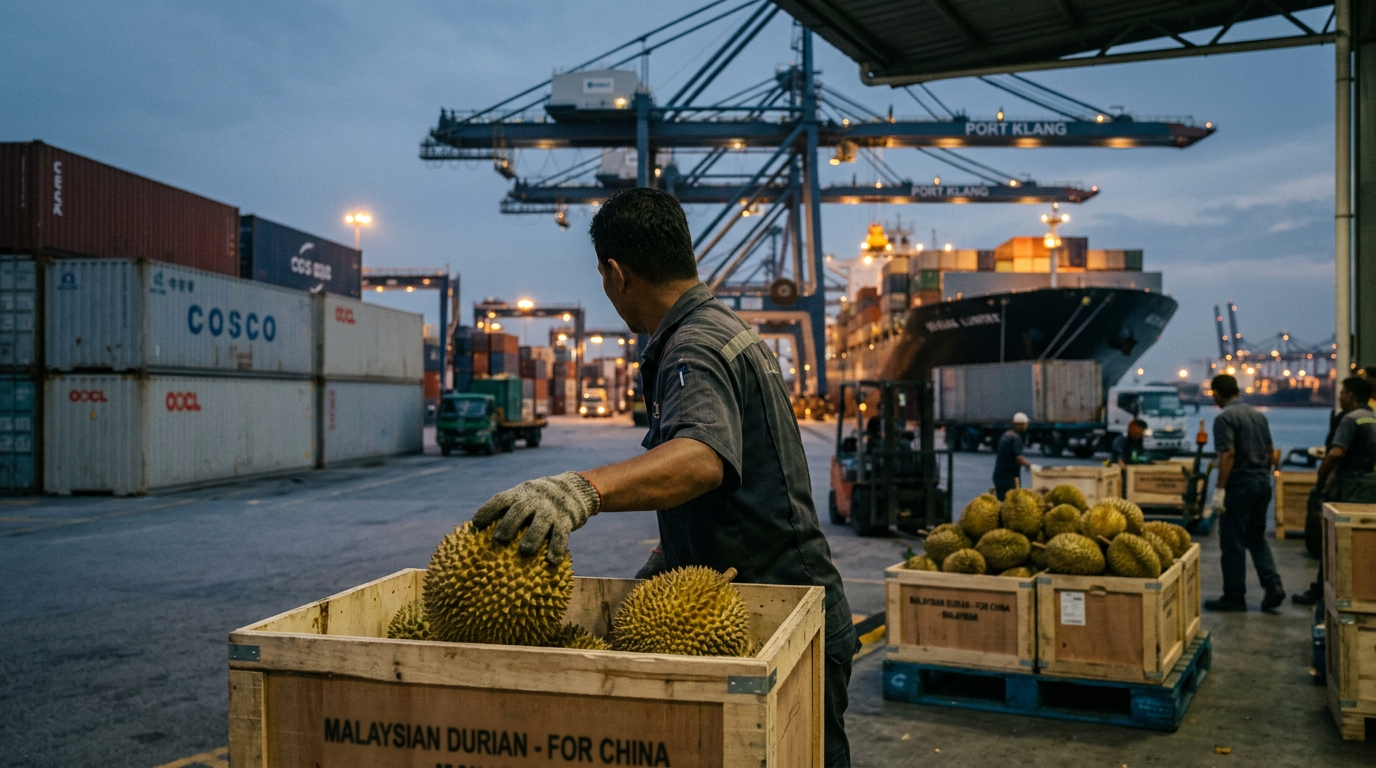
 Malaysia
 Tests a New Recipe for Durian Diplomacy With China
China's appetite for Malaysian durians offers a case study in ASEAN trade strategy: how to manage economic dependency on a single large partner without losing strategic options.
 Vietnam
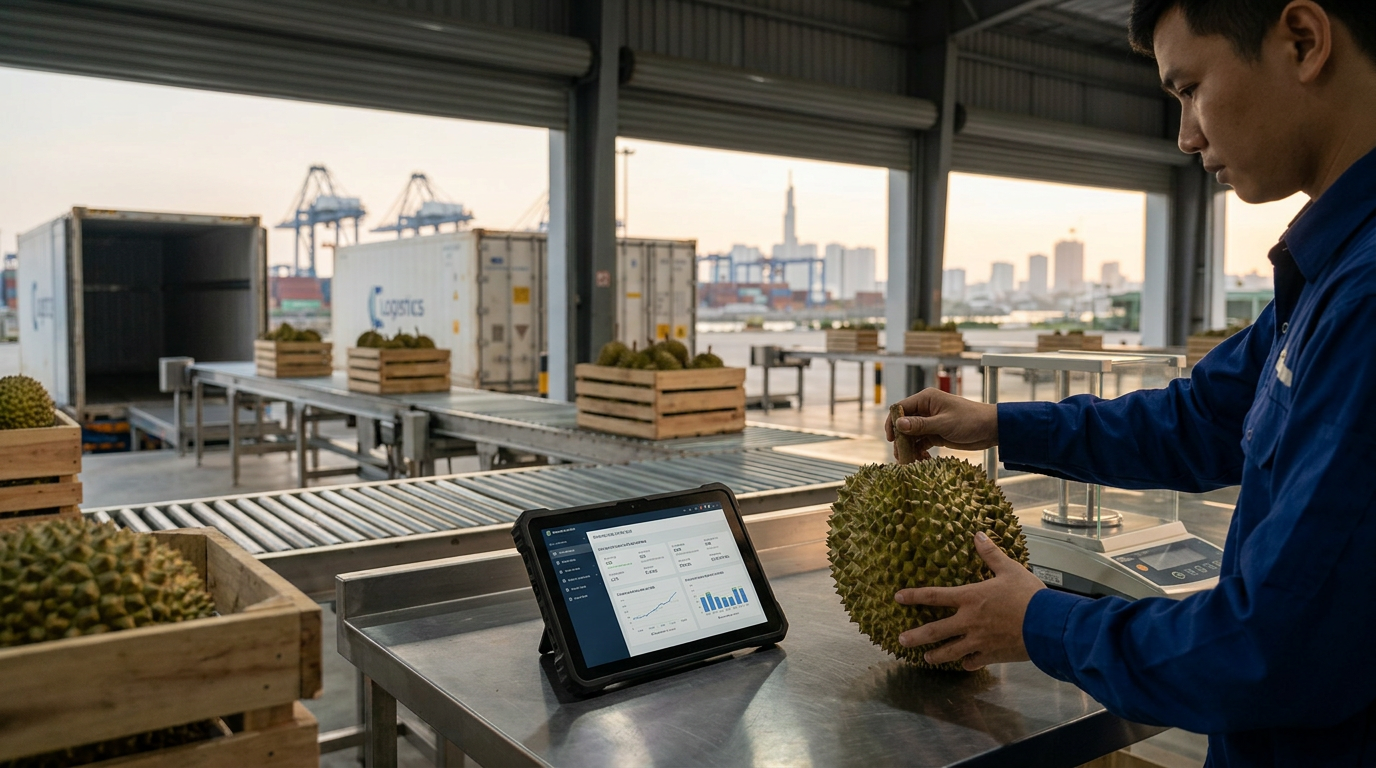
's Durian Trade Goes for Value Over Volume
Vietnam's durian industry is professionalizing, moving from a focus on sheer volume to one based on quality, sustainability, and market diversification. This shift mirrors a broader regional trend where institutional capacity and reliable infrastructure are becoming key drivers.
 Vietnam
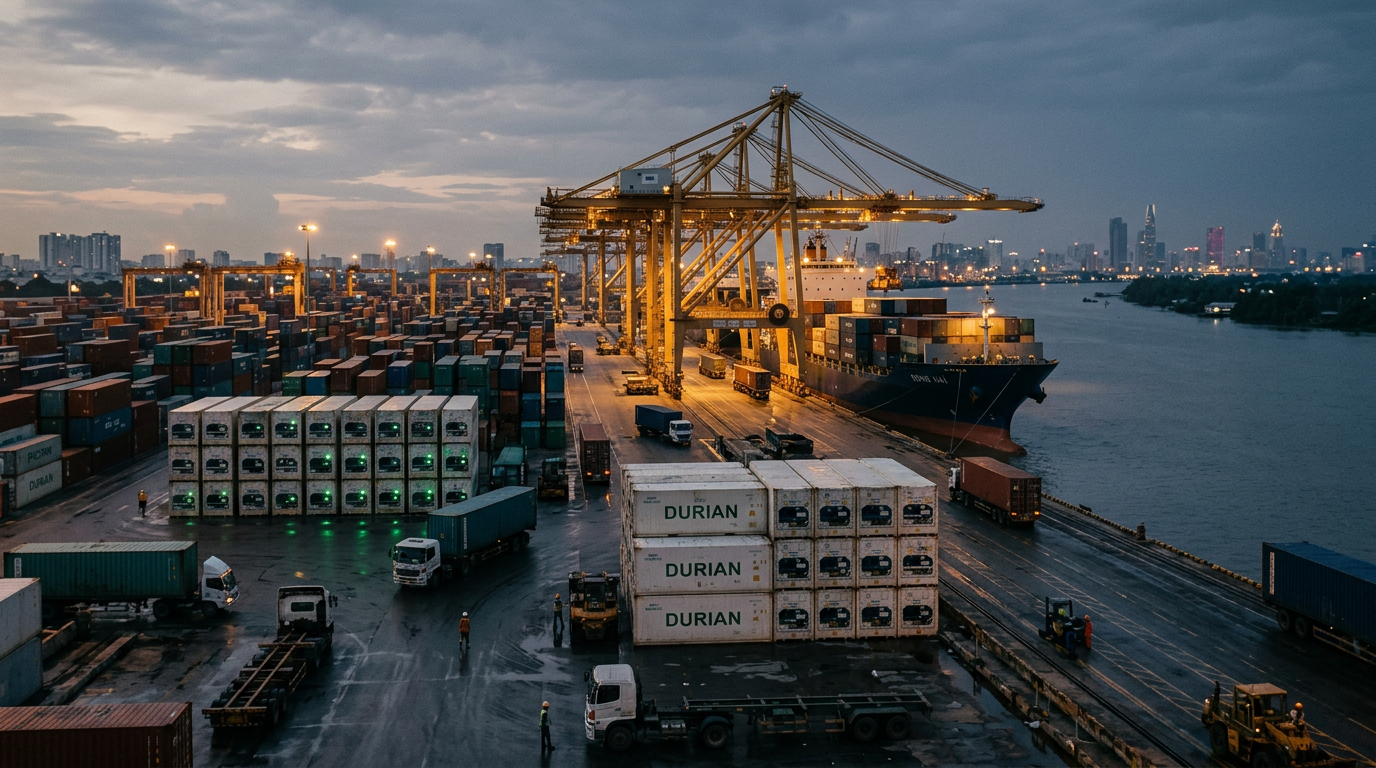
's Durian Trade and the China Question
Vietnam's durian market is overheating, driven by insatiable demand from China. The dynamics of the durian trade offer a miniature case study in how ASEAN members can manage their growing economic dependency on China.
 Thailand
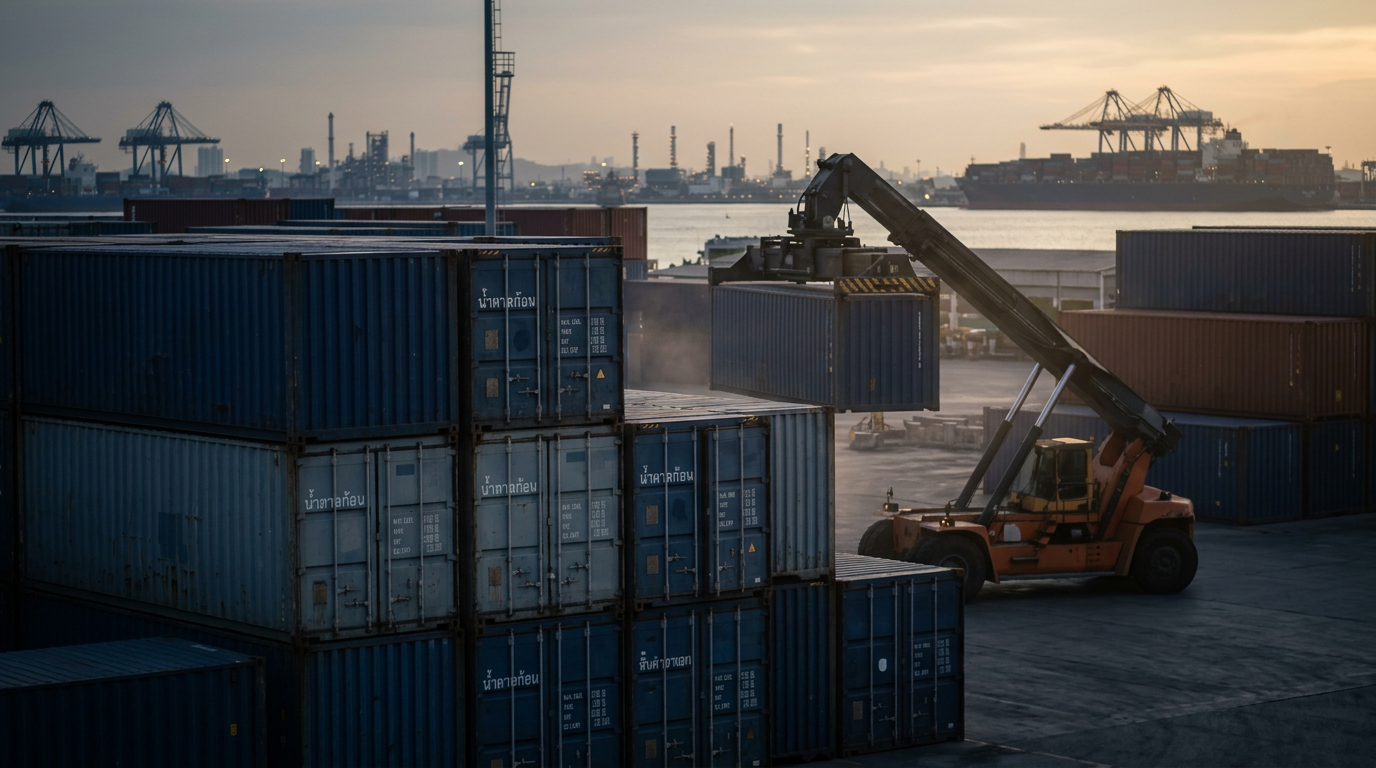
's Sugar Slump Tests ASEAN Trade Strategy
A projected decline in Thai sugar output highlights the country's deep trade links with China and the strategic need for ASEAN members to manage this structural dependency.
 Philippines
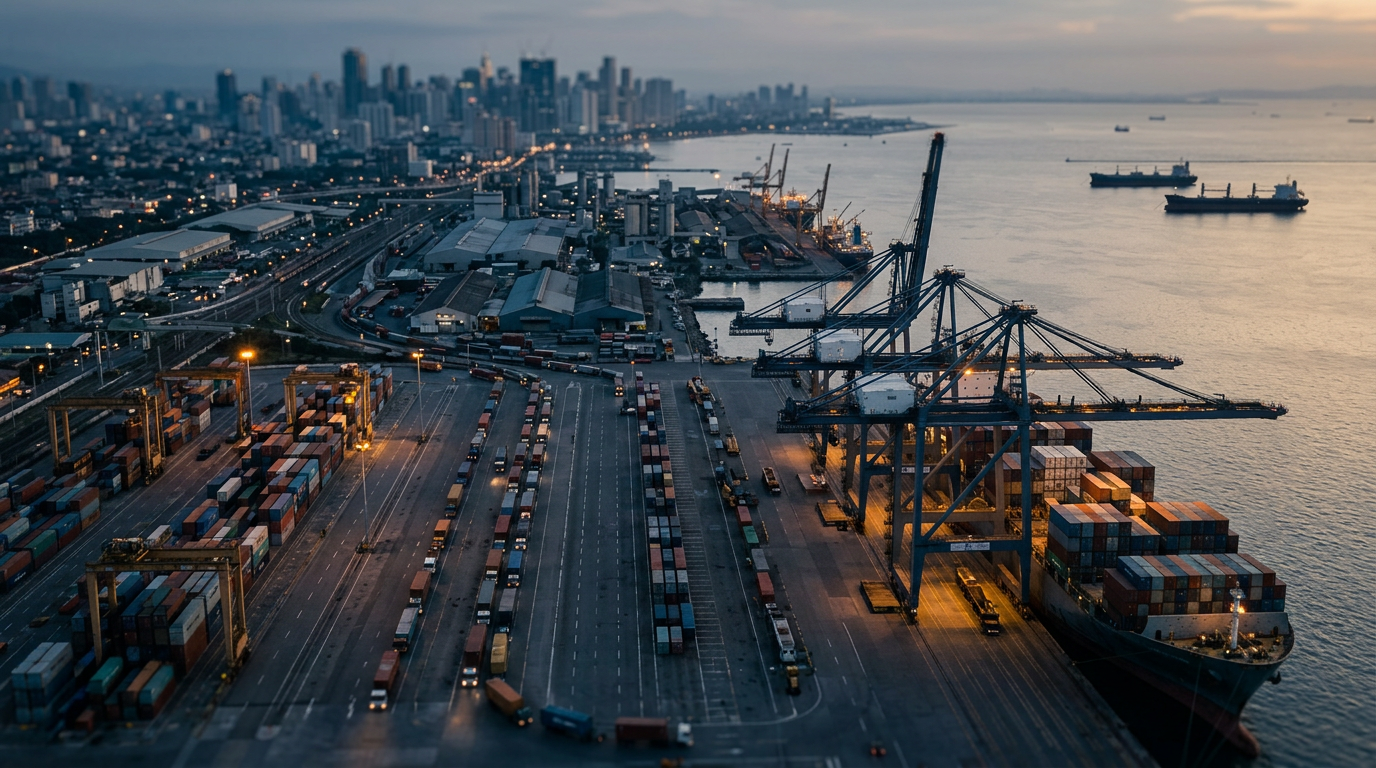
The Philippines, Fruit, and Trade Dependency
The Philippines is showing how a single commodity can be a test case for managing deep trade relationships with China.
 Vietnam
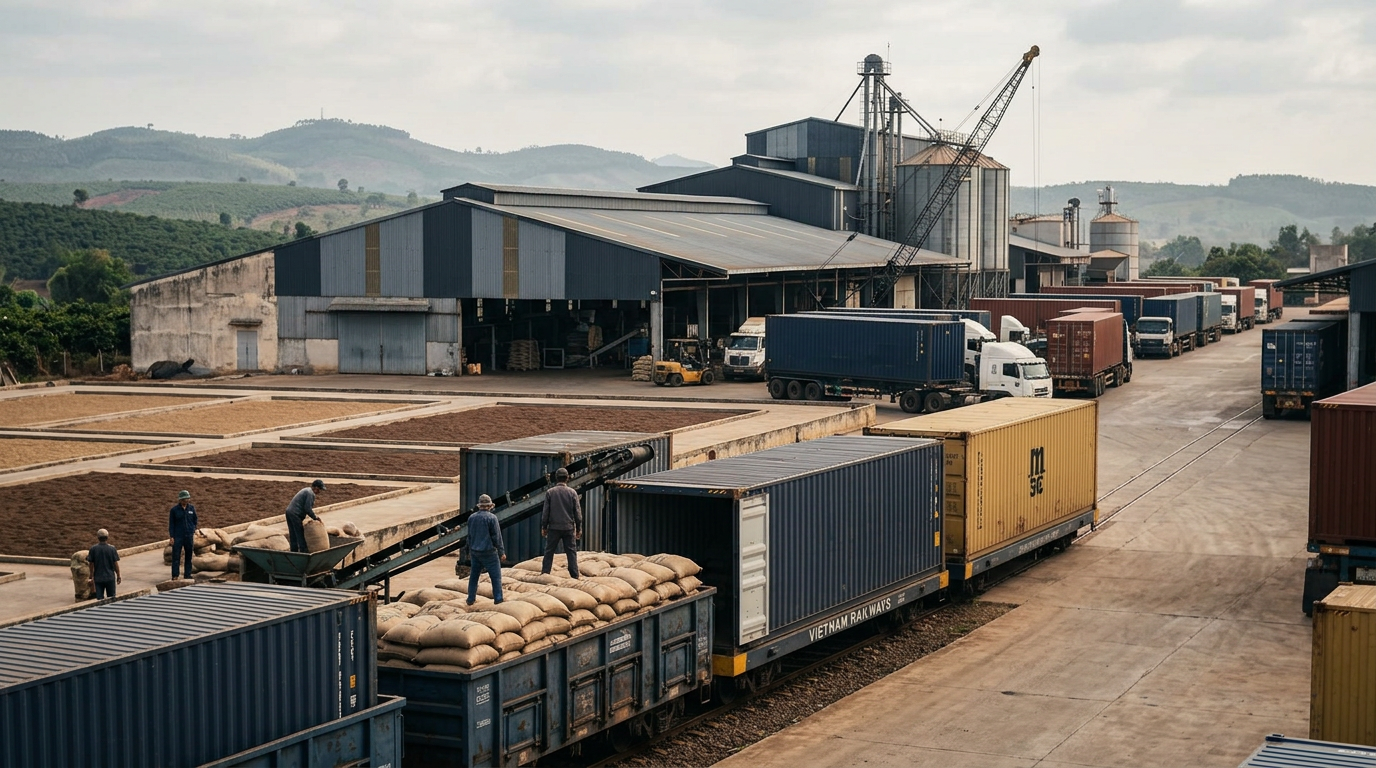
's Coffee Trade and the China Question
Trade with China is a structural reality. For ASEAN governments, the task is not one of engagement, but of managing dependency while preserving strategic options.
 Philippines
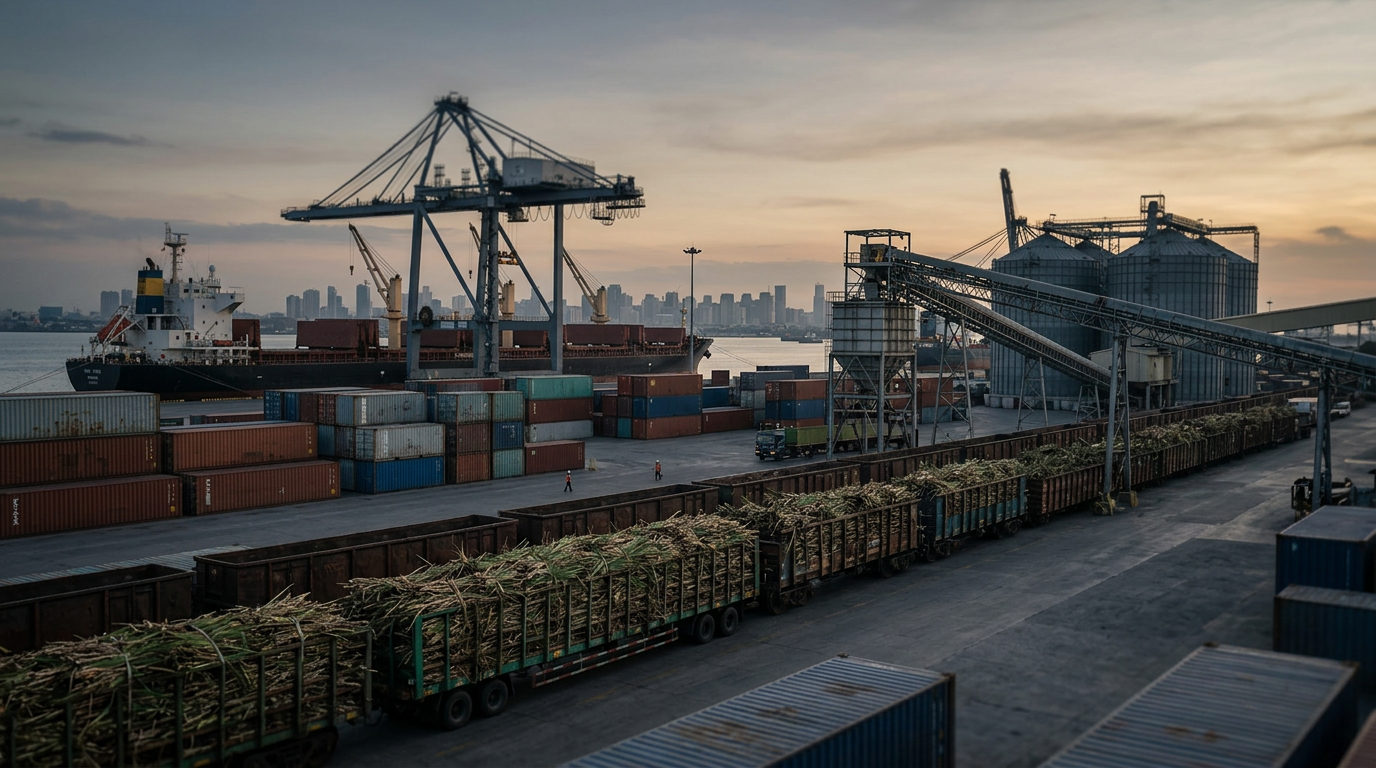
The Philippines Weighs Its Sugar Trade Options
The Philippines may not export sugar to the United States this year due to local sugarcane production constraints, a decision that highlights the institutional challenges of managing trade dependency.
 Philippines
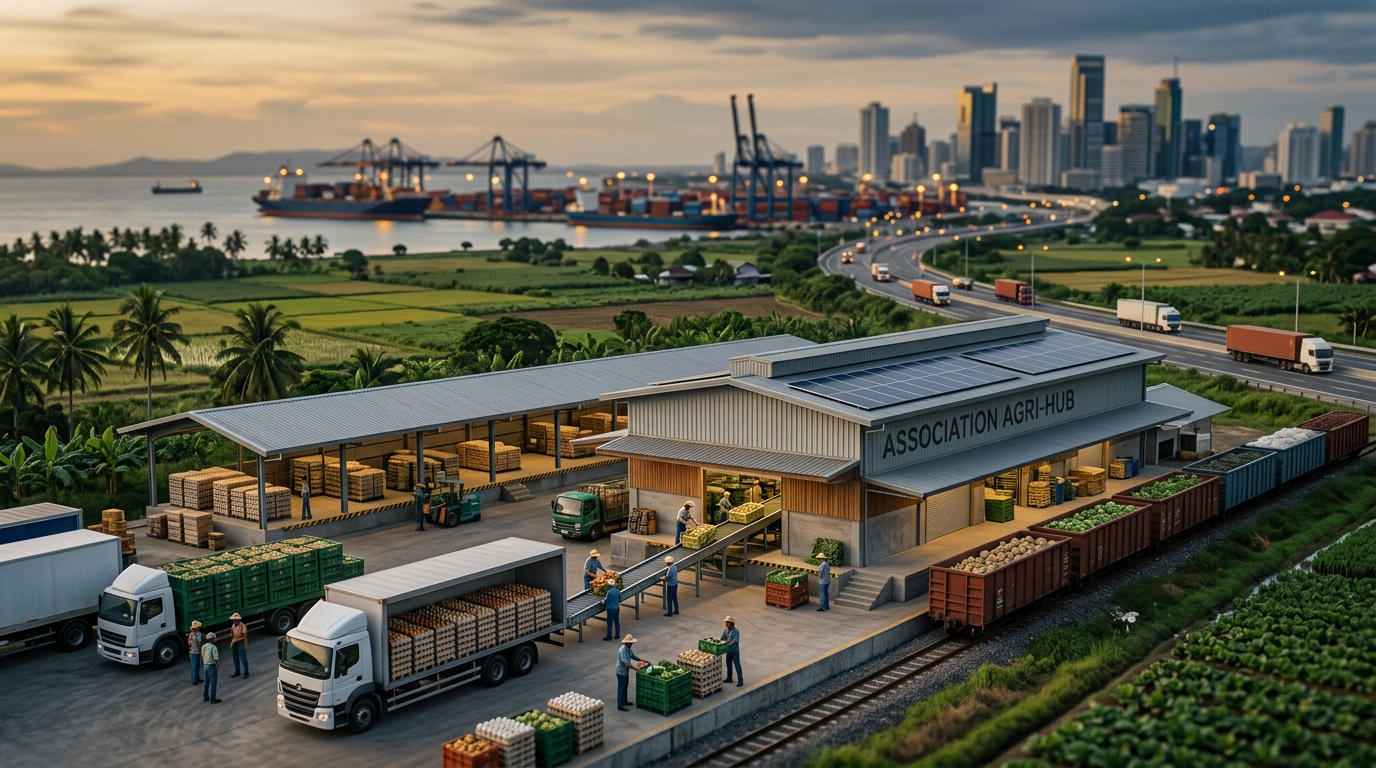
From Farm to Market: Institution-Building in Philippine Agriculture
A new industry association for cage-free egg producers in the Philippines highlights the importance of institutions in turning agricultural potential into economic reality.
 Vietnam
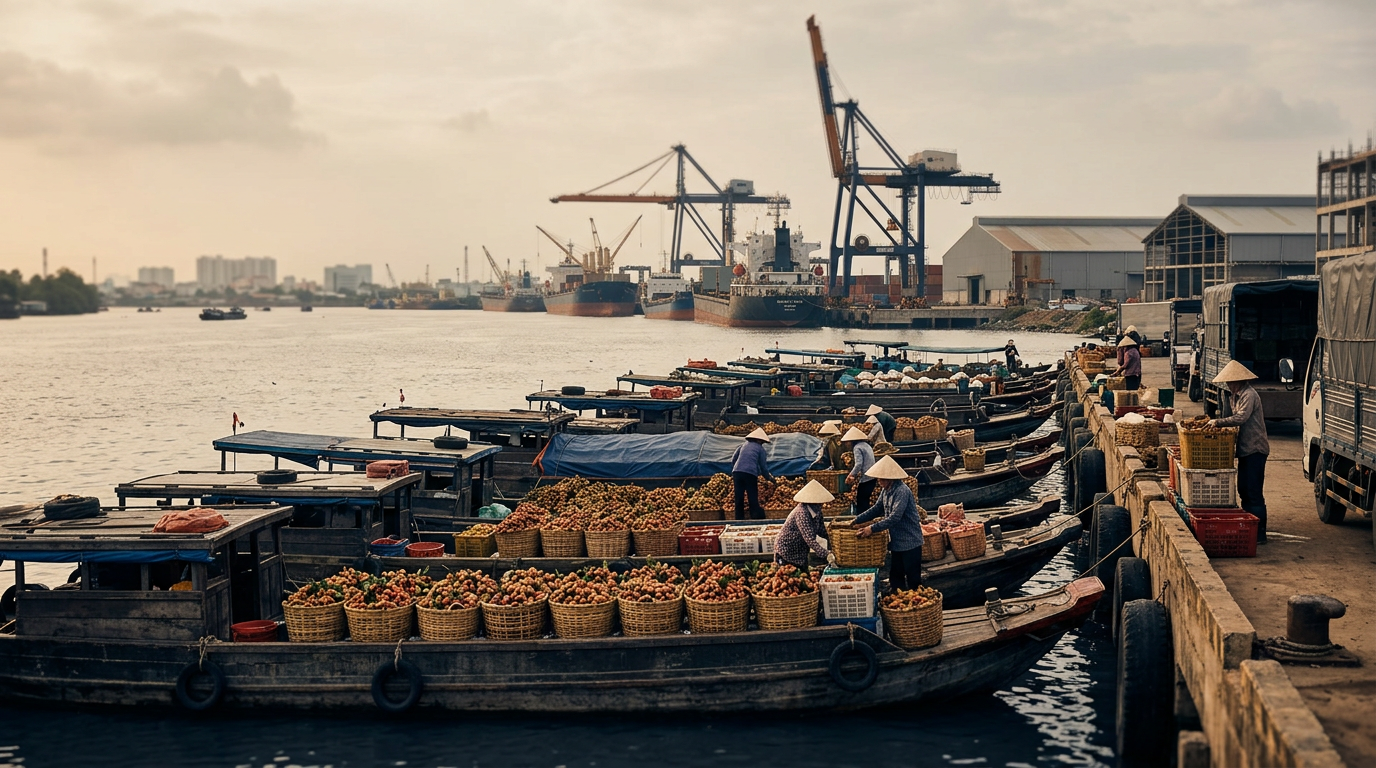
's Lychee Trade and the China Question
A fall in Vietnam's lychee exports illustrates the complex trade relationship between ASEAN nations and China, where managing dependency is a key theme.
 Indonesia
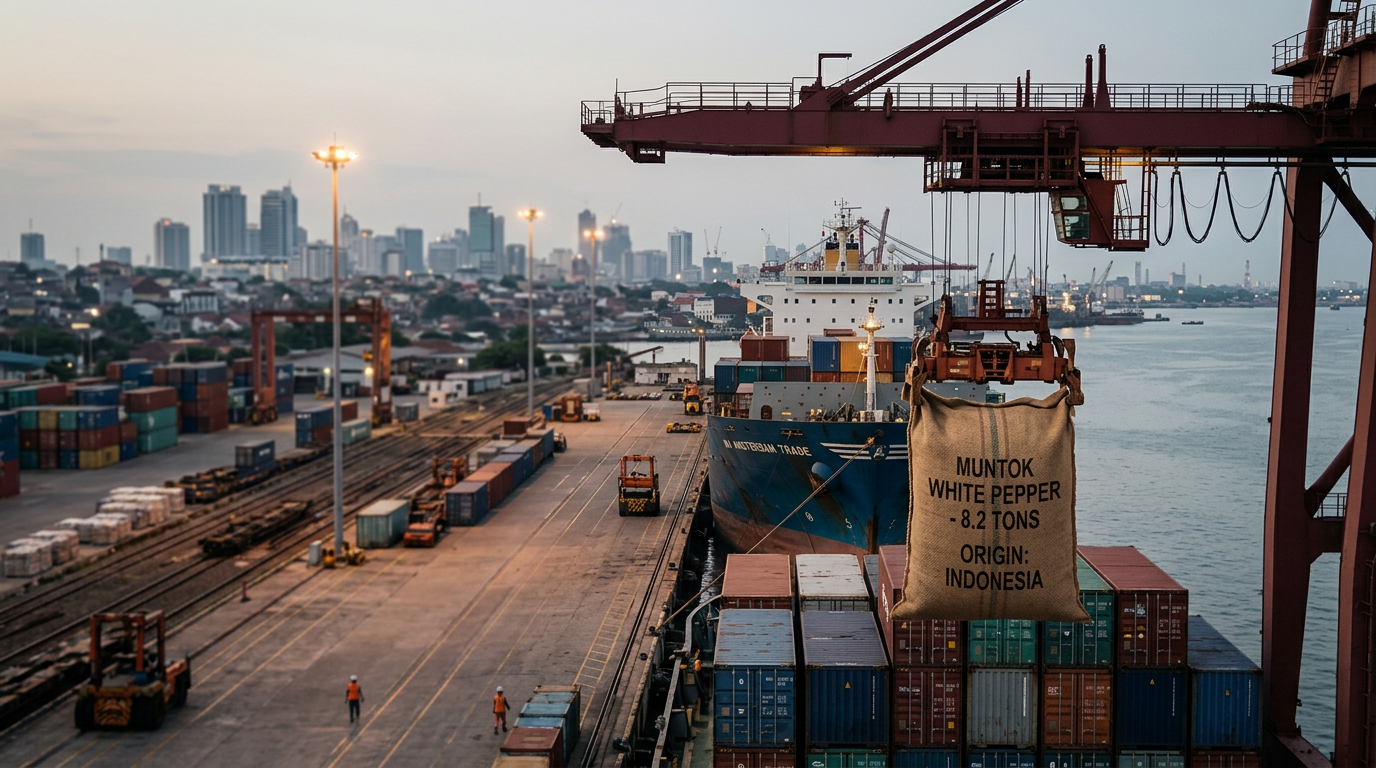
, Muntok White Pepper, and the Global Market
An 8.2 ton shipment of Muntok white pepper from Indonesia to the Netherlands shows how ASEAN producers are navigating global trade, balancing established European markets with the structural pull from China.
 Cambodia
El Niño and ASEAN's China Trade: A Structural Test
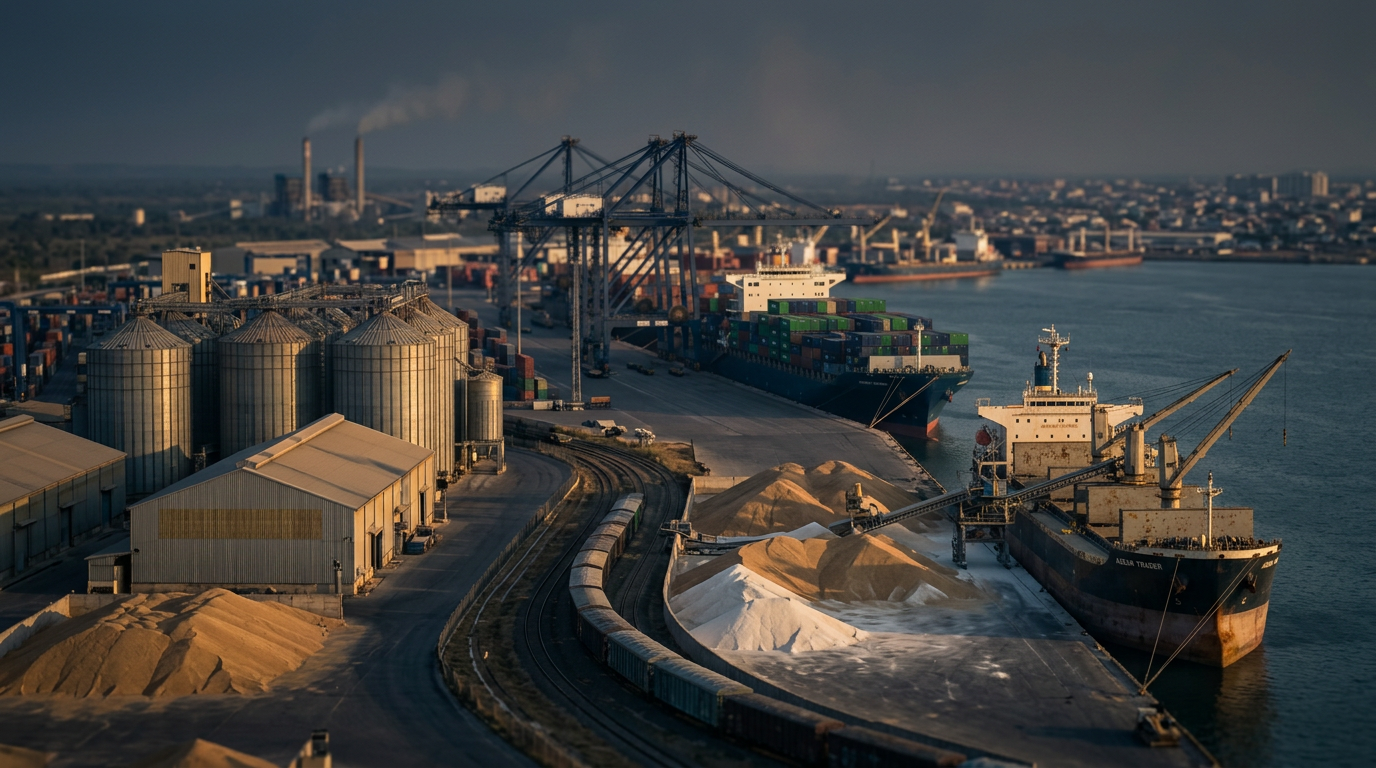
Thai sugar producers are bracing for a severe El Niño. This weather event will test ASEAN's capacity to manage commodity trade disruptions and its deep, structural trade relationship with China.
 Thailand
's Rice Exports and China's Shadow
A projected rise in Thailand's rice exports, partly due to El Niño, highlights the kingdom's agricultural trade dynamics, especially in the context of its deep economic ties with China.
 Vietnam
's Durian Boom and the China Trade Equation
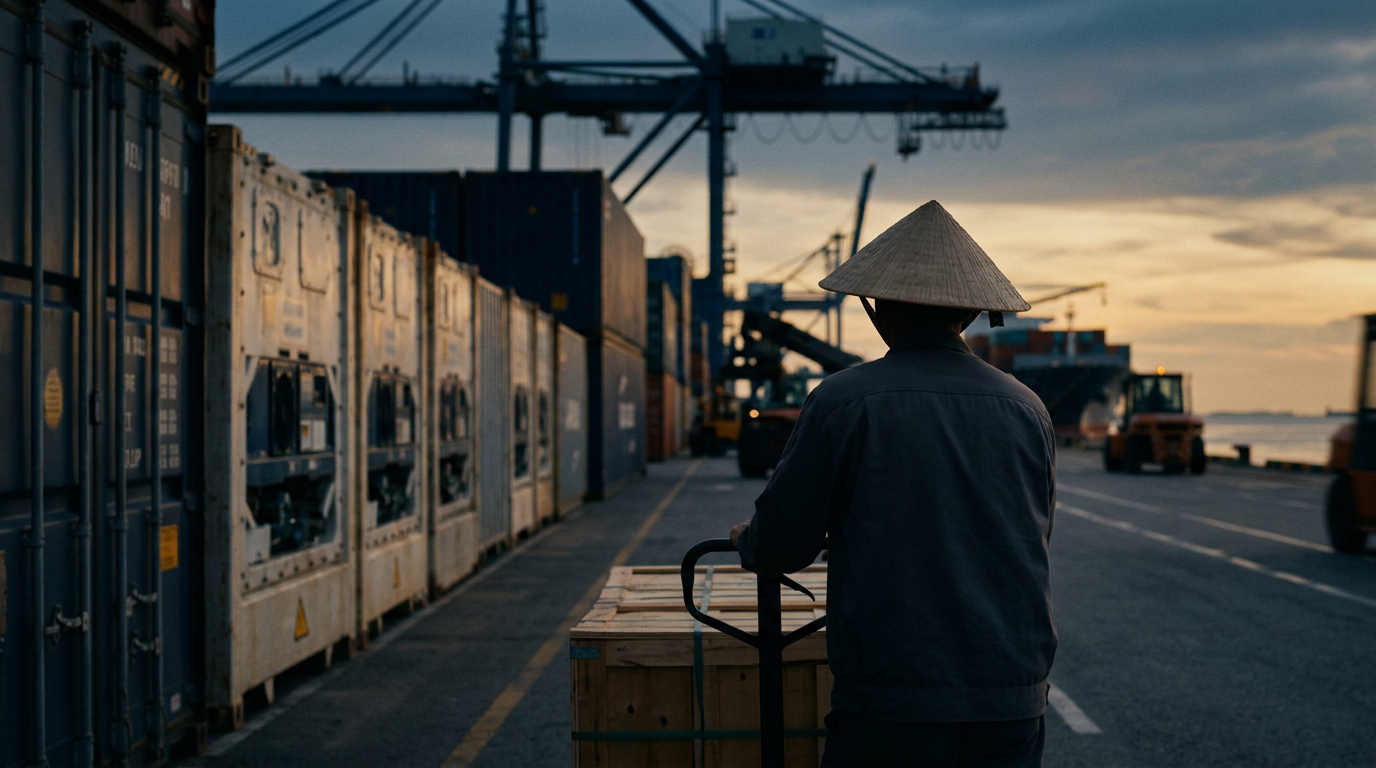
Vietnam's durian sector is experiencing a surge in exports to China. While this is a significant economic win, it also brings into focus the long-term strategic questions ASEAN members face regarding their deep trade relationship with Beijing.
 Thailand
's Rice Trade and the China Question
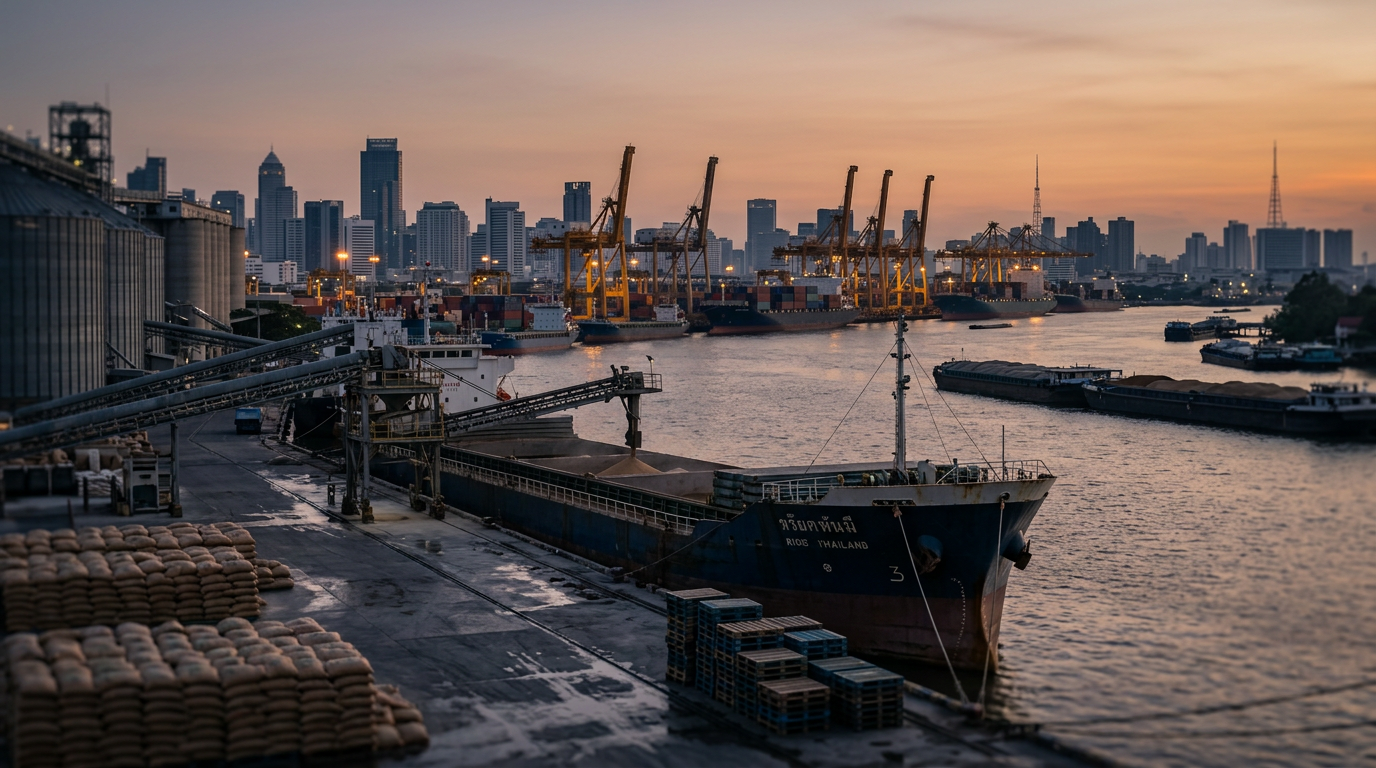
Thailand's rice export strategy highlights a broader ASEAN challenge: managing economic dependency on China while cultivating other regional markets. The institutional frameworks governing trade are being tested.
 Indonesia
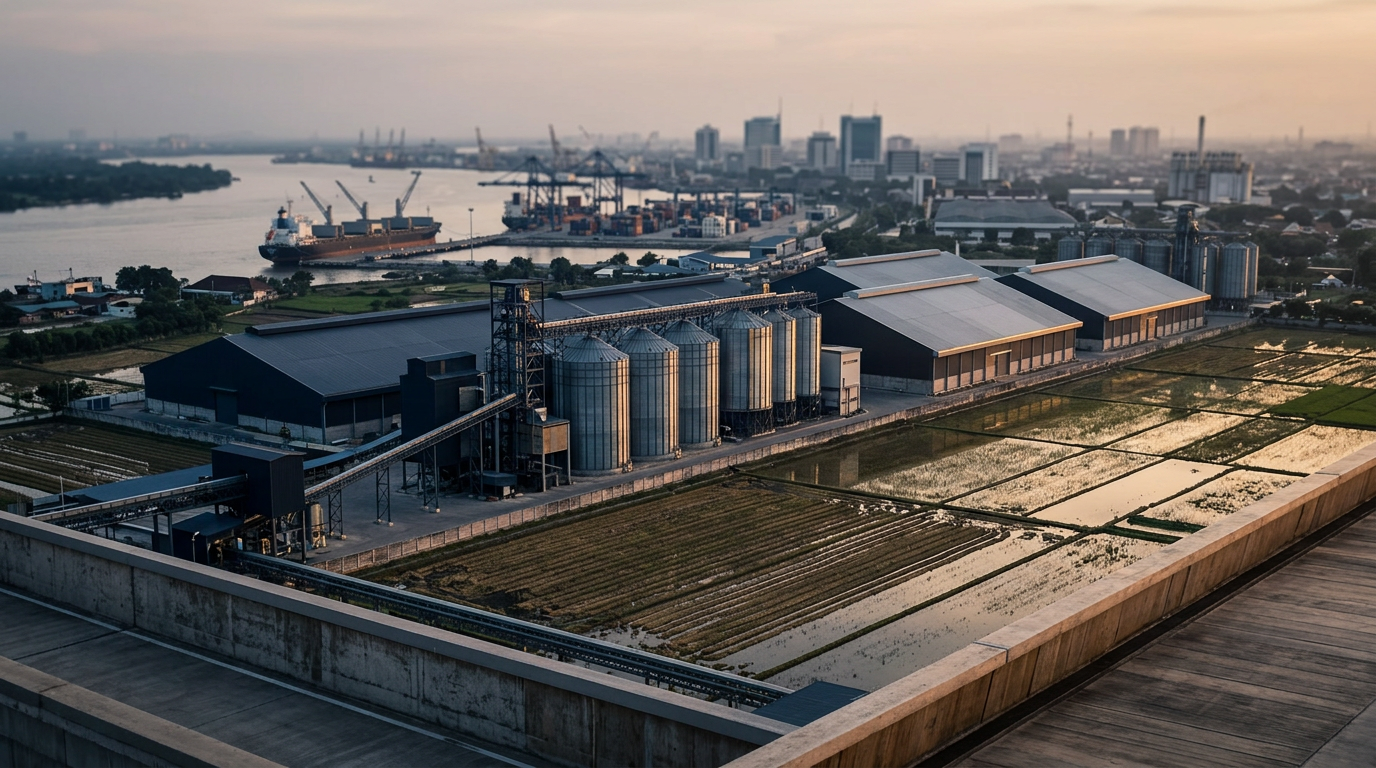
's Rice Surplus and Strategic Trade Management
Projections of a rice surplus in Indonesia highlight a fundamental aspect of modern economic statecraft in Southeast Asia: building domestic resilience to manage complex trade relationships, especially with China.
 Cambodia
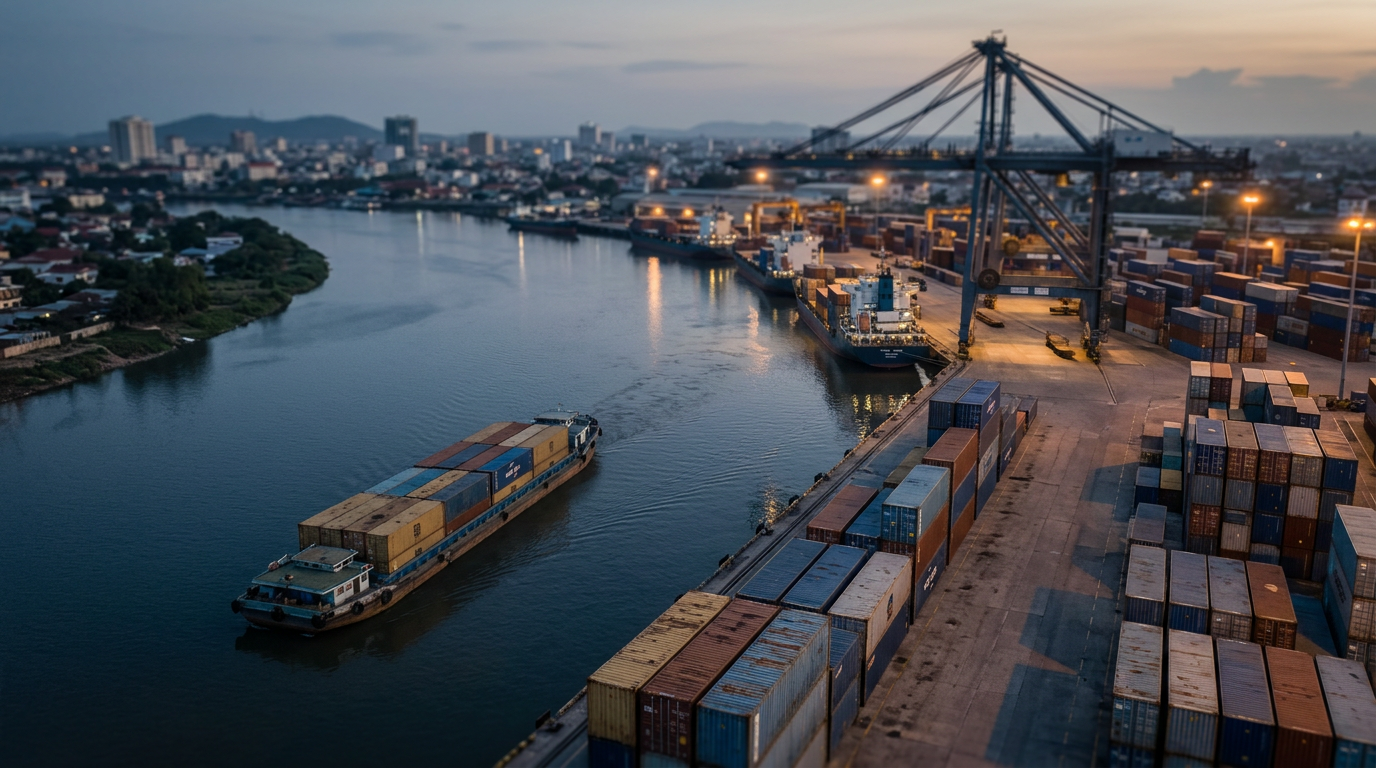
's Cashew Surge Tests Regional Infrastructure
A record trade in raw cashews between Cambodia and Vietnam highlights a core ASEAN challenge: turning agricultural potential into economic value requires more than just good harvests. It demands reliable institutions and infrastructure that can keep pace with growth.
 Indonesia
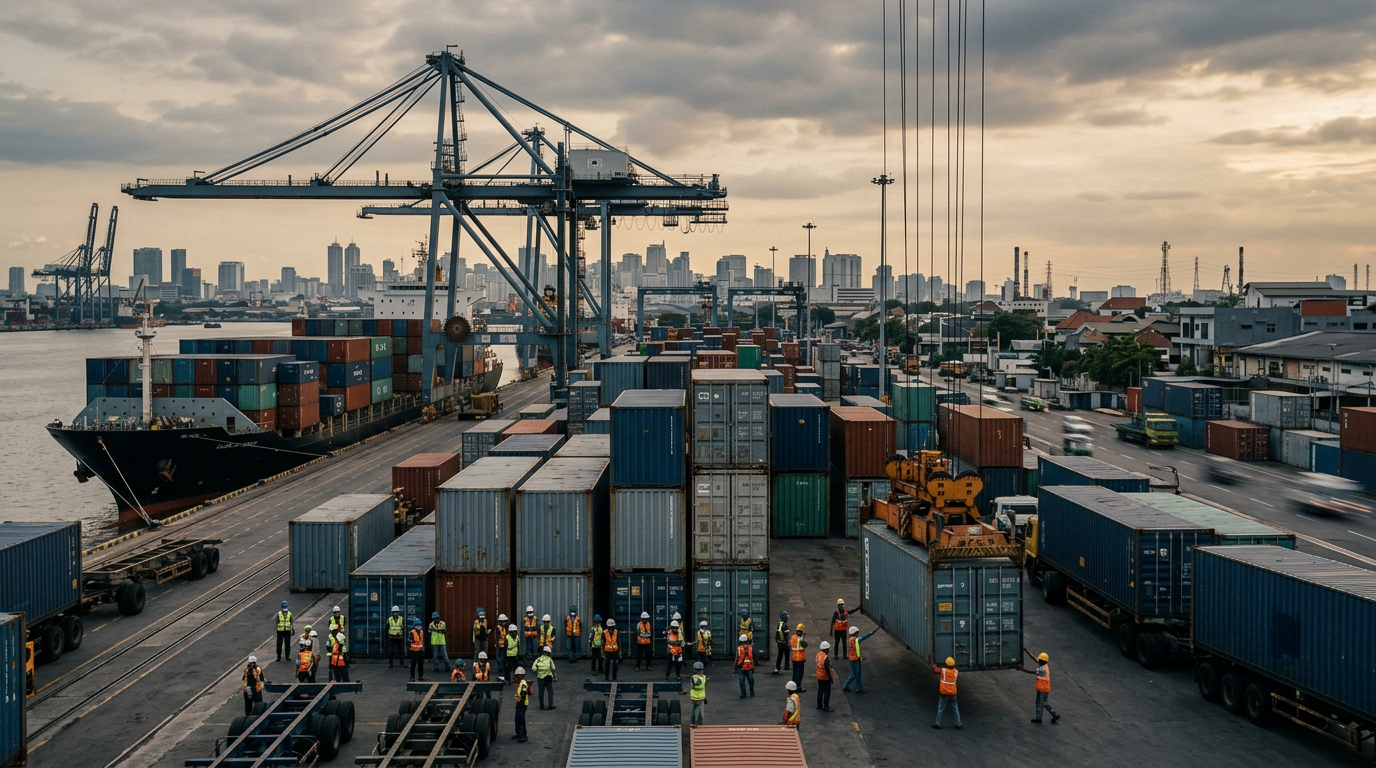
's Horticulture Push Tests China Dependency Strategy
Indonesia's bid for Chinese investment in its horticulture sector is a clear example of a broader ASEAN trend: managing deep economic ties with China while trying to build national capacity.
 Vietnam
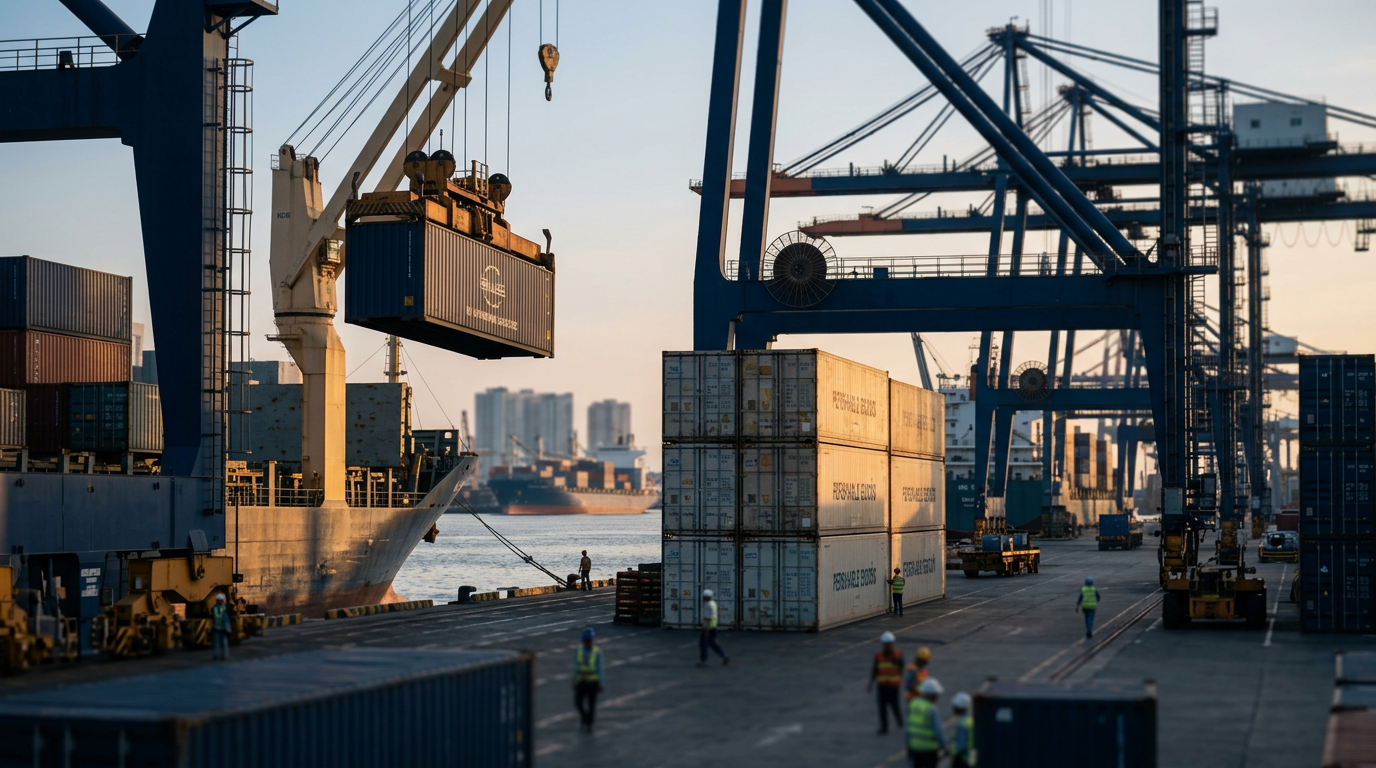
's Durian Deal With India Is a Textbook Case of Diversification
India's approval of durian imports from Vietnam is more than a simple trade agreement; it is a clear example of an ASEAN nation actively managing its economic dependency on China by seeking new markets.
 Vietnam
's Durian Boom and the China Dependency Dilemma
Vietnam's surging durian exports to China illustrate a core ASEAN challenge: how to capitalize on deep trade ties with a single dominant market without sacrificing long-term economic stability and strategic options.
 Malaysia
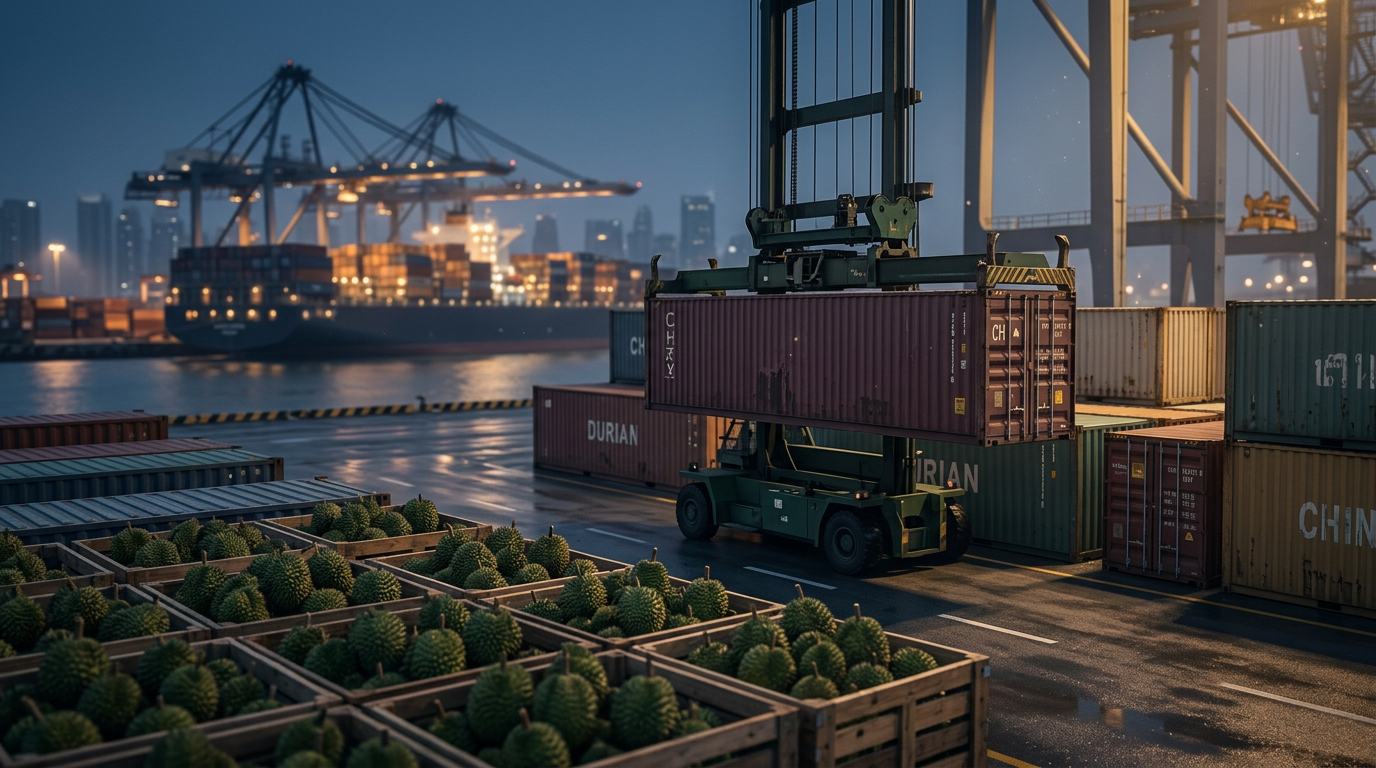
The Durian Test: Managing ASEAN's Structural Dependency on China
A surge in China's demand for durians provides a case study for the structural economic dependency ASEAN nations must navigate, a central theme explored in the book "ASEAN Rising".