Indonesia
Indonesia's Horticulture Push Tests China Dependency Strategy
Indonesia's bid for Chinese investment in its horticulture sector is a clear example of a broader ASEAN trend: managing deep economic ties with China while trying to build national capacity.
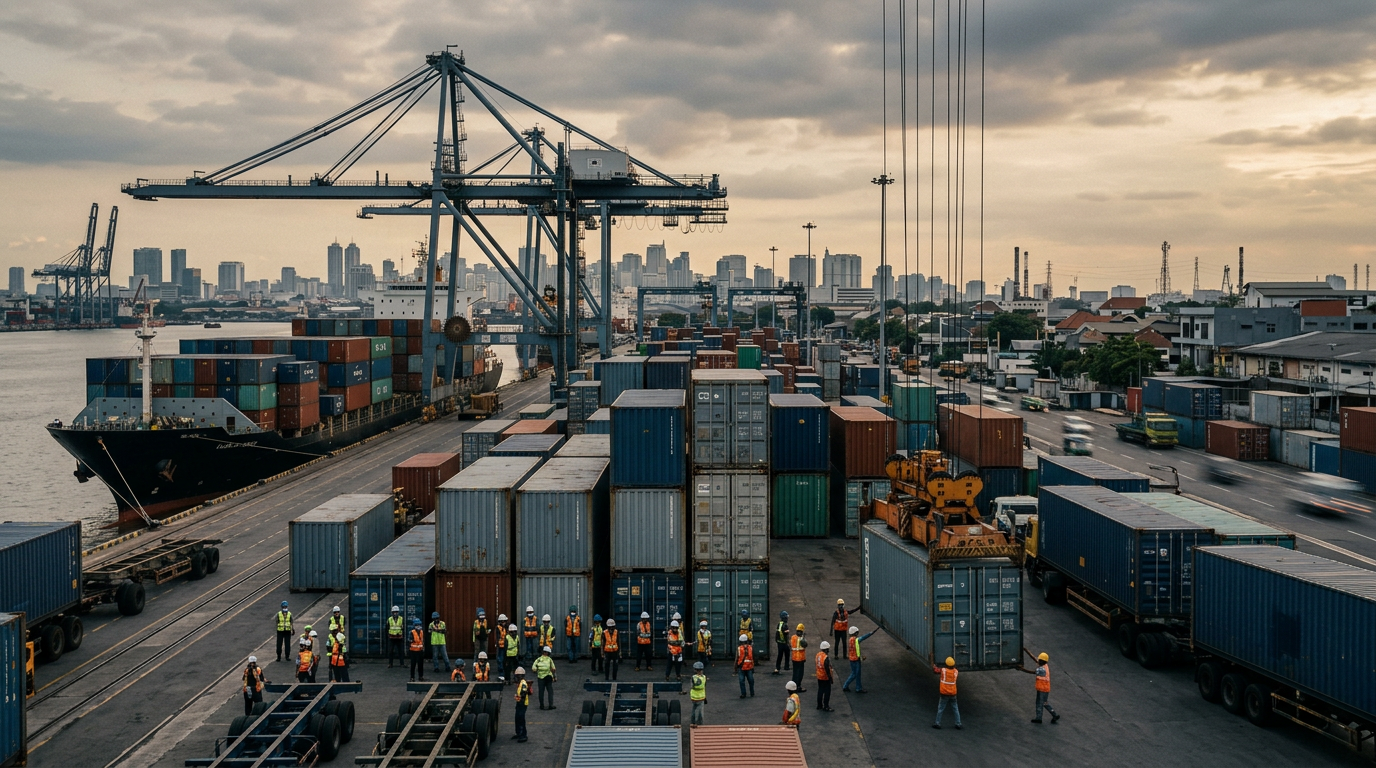
Indonesia is seeking increased investment from China to develop its horticultural supply chains and strengthen exports, with a particular focus on durian and other high-value fruits. The move, reported by the state-owned news agency Antara, is a clear illustration of the complex economic calculus facing Southeast Asian nations. As Jakarta courts Chinese capital to build out its agricultural infrastructure, it is also navigating the long-term strategic implications of deepening its economic integration with Beijing.
Capital for Infrastructure
The Indonesian government's initiative is not merely about increasing trade volume; it is a targeted effort to attract foreign capital for domestic infrastructure development. The goal is to improve the entire value chain for horticultural products, from cultivation and harvesting to logistics and international marketing. By securing Chinese investment for processing facilities and cold-storage supply chains, Indonesia aims to move beyond being a supplier of raw agricultural goods and capture more value from its exports.
This strategy is an explicit recognition that large-scale infrastructure requires immense capital, and China is a ready source. The focus on horticulture, a sector with direct benefits for rural employment and incomes, makes the initiative politically salient. Success in this area would demonstrate a tangible outcome of foreign investment, strengthening the government's economic narrative. The approach is a direct application of capital to build lasting infrastructure assets on the ground.
A Structural Feature
This Indonesian case is a microcosm of a region-wide dynamic. For ASEAN members, deep economic engagement with China is no longer a matter of debate but a baseline reality. As the book ASEAN Rising notes, "Trade depth with China is now a structural feature, not a cyclical one." The Indonesian government's actions reflect a pragmatic acceptance of this condition. The policy question is not whether to engage with China, but on what terms that engagement will proceed.
The challenge for governments across the region is "how to manage dependency without losing optionality." Indonesia's pursuit of Chinese investment for its own agricultural development can be seen as an attempt to do just that. By directing capital towards building its own productive capacities, Jakarta is making a calculated wager that it can use Chinese financing to enhance its own economic resilience and, eventually, its negotiating leverage. It is a strategy of engagement aimed at bolstering national capabilities.
Execution and Trust
The success of this strategy rests on execution. Structuring these investment deals will be a delicate balancing act. Indonesian negotiators will need to ensure that agreements include provisions for technology and knowledge transfer, benefiting local producers and developing domestic talent. Without such arrangements, the country risks having its agricultural sector become a captive supplier within a foreign-controlled value chain. This is a matter of institutional capacity and negotiating skill.
Building trust is another component of this long-term agenda. Sustainable economic partnerships require a degree of mutual confidence in standards, contractual obligations, and the transparent handling of data. For Indonesia, the objective is to create a partnership model where Chinese capital serves Indonesian developmental goals. The implementation of these horticulture projects will be a test case for whether such a balanced relationship can be effectively built and maintained.
What to watch
Observers should monitor the specific terms of the investment agreements that emerge from this initiative. The allocation of control within joint ventures, the commitments to local sourcing and employment, and the frameworks for resolving disputes will reveal the true nature of the partnership. The ability of Indonesian institutions to absorb and localize the technical and managerial expertise that accompanies the capital will determine whether this dependency is managed effectively or becomes a constraint.