Cambodia
Cambodia's Cashew Surge Tests Regional Infrastructure
A record trade in raw cashews between Cambodia and Vietnam highlights a core ASEAN challenge: turning agricultural potential into economic value requires more than just good harvests. It demands reliable institutions and infrastructure that can keep pace with growth.
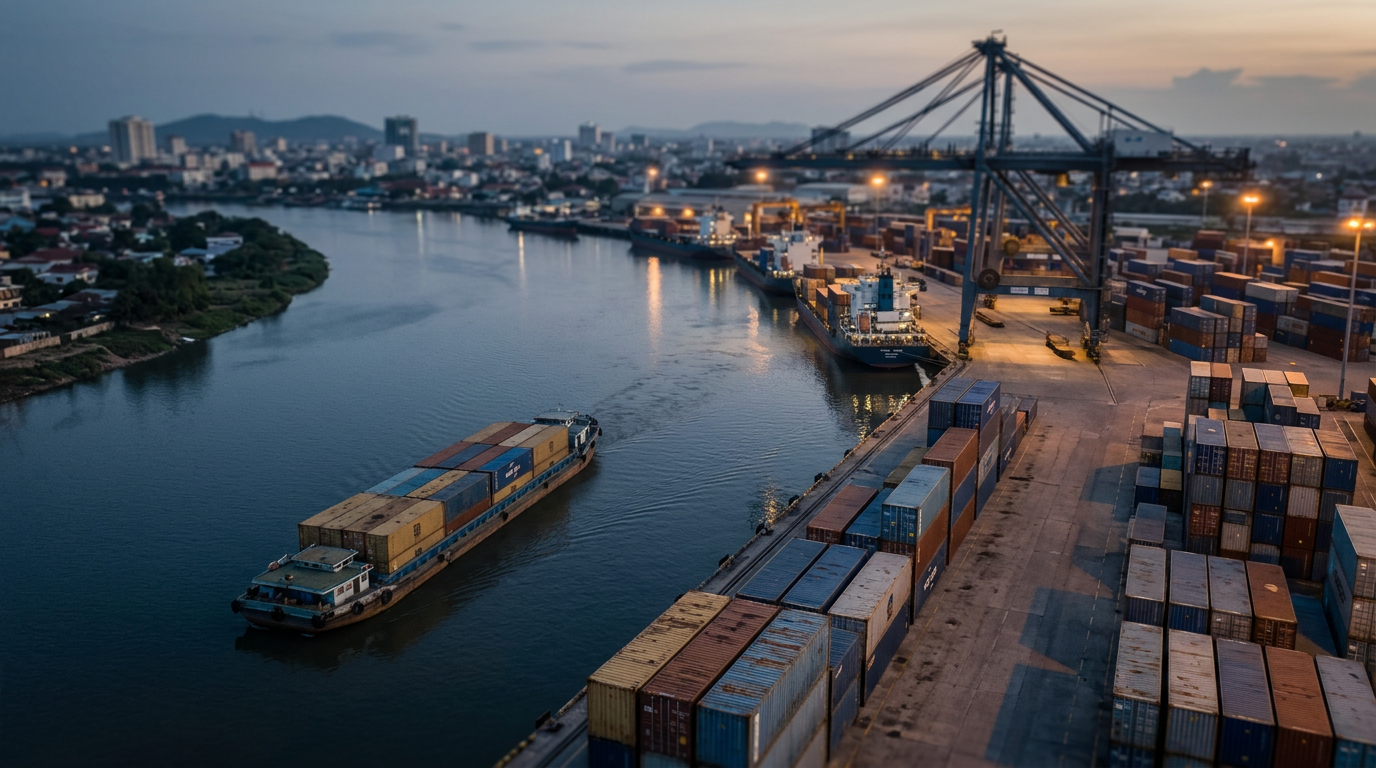
A recent report that Vietnamese businesses spent a record $3 billion on raw cashew imports by mid-July, primarily from Cambodia, underscores a significant and rapidly growing agricultural supply chain within ASEAN. According to e.vnexpress.net, this figure represents a new peak for this period, signaling Cambodia's rising role as a major supplier of raw materials to Vietnam's vast cashew processing industry. While this trade boom is a positive economic indicator, it also serves as a practical test of the physical and institutional infrastructure connecting the two economies.
The Cross-Border Corridor
The flow of raw cashews from Cambodian farms to Vietnamese processing plants is a clear example of economic specialization within the region. Cambodia possesses the land and agricultural capacity for cultivation, while Vietnam has established a world-leading processing and export industry. This symbiotic relationship, in theory, allows both nations to benefit. However, the sheer volume of trade now being recorded puts immense strain on the logistics that underpin it. The journey from a plantation in Kampong Cham or Ratanakiri to a factory near Ho Chi Minh City depends entirely on the quality of roads, the capacity of border crossings, and the efficiency of the customs-clearing process. Any friction in this corridor-a poorly maintained highway, a congested border gate, or cumbersome paperwork-translates directly into higher costs and reduced competitiveness. The success of this agricultural partnership is therefore not just a matter of planting and harvesting, but of building and maintaining an efficient, high-capacity trade corridor.
From Announcements to Execution
The challenge of inadequate infrastructure is a recurring theme in regional development, but this cashew boom brings it into sharp focus. Grand pronouncements of future transport networks are common, but as the book ASEAN Rising notes, "Infrastructure that arrives on time signals more than infrastructure that is merely announced." For the Cambodian farmer and the Vietnamese processor, the theoretical benefit of a future superhighway is less important than the practical condition of the existing national roads and border facilities today. The current trade volumes are stress-testing this existing infrastructure. If the logistics cannot keep pace, the growth of the cashew sector could be constrained, and a portion of the product's value will be lost to transport inefficiencies. This situation highlights how investment in basic, functional infrastructure-not just headline-grabbing projects-is fundamental to supporting real-world economic activity and ensuring that producers can get their goods to market reliably.
The Institutional Framework
Beyond the physical roads and ports, the trade flows depend on "soft infrastructure"-the institutions and regulations that govern cross-border commerce. As trade volumes expand, the efficiency of customs agencies and the clarity of trade rules become paramount. For this trade to be sustainable, the process must be predictable and transparent. In this context, "Institutional reliability has become part of comparative advantage." Nations that can provide smooth, low-friction trade processes are more attractive partners. For Cambodia, ensuring that its raw cashews can be exported with minimal delay and administrative burden is a form of competitive advantage. For Vietnam, an efficient import process secures the raw materials needed for its processing factories. This trade relationship serves as a case study in how ASEAN integration, through frameworks like the ASEAN Trade in Goods Agreement (ATIGA), can function at a practical level. The effectiveness of these institutions is tested daily at the border, where policy meets the reality of commerce.
What to watch
The Cambodia-Vietnam cashew trade will be a valuable indicator of how well regional infrastructure is adapting to economic opportunity. Observers should monitor whether the surge in raw material exports from Cambodia is followed by significant investment in domestic processing capabilities, which would allow the country to capture more of the value chain. Also important will be tangible upgrades to the key transport arteries and border crossings that facilitate this trade, as the focus must shift from plans to execution. The ability of both countries' institutions to handle the increased volume smoothly will determine whether this boom is a sustainable driver of prosperity or a temporary spike limited by logistical bottlenecks.