Cambodia
El Niño and ASEAN's China Trade: A Structural Test
Thai sugar producers are bracing for a severe El Niño. This weather event will test ASEAN's capacity to manage commodity trade disruptions and its deep, structural trade relationship with China.
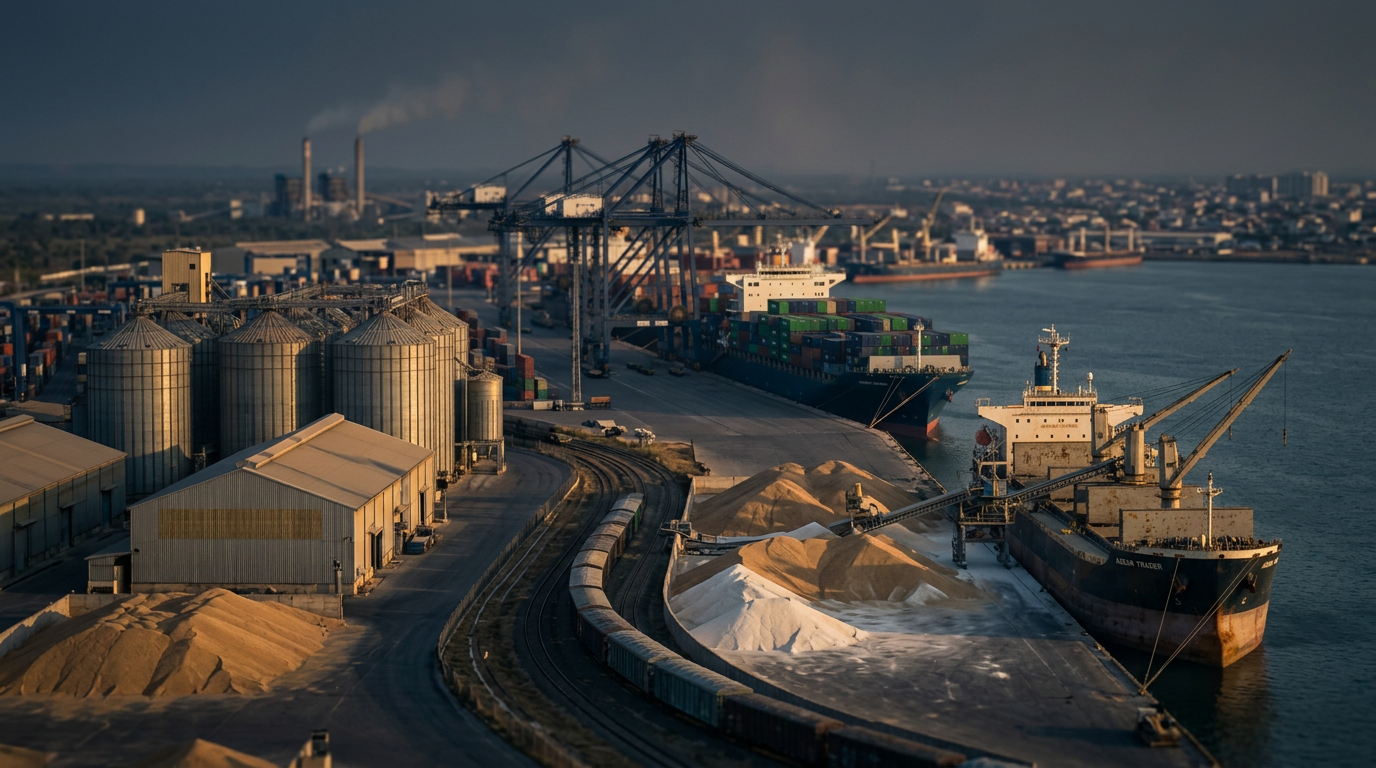
Thai sugar producers are expressing concern that a looming El Niño cycle could disrupt the 2026-27 crop year, according to a recent report in the Bangkok Post. While cyclical weather patterns are a familiar challenge for agricultural economies, this event highlights a deeper, more permanent feature of the regional economy: the intricate trade relationship between ASEAN member states and China, particularly concerning agricultural commodities.
Institutions and Infrastructure
The expected disruption to Thailand's sugar harvest is more than a domestic agricultural issue; it is a stress test for regional supply chains and the institutional frameworks that govern them. The effectiveness of ASEAN's free trade agreements, both internally and with China, will be measured by their ability to accommodate sudden shocks. For a major commodity like sugar, logistics and customs infrastructure are paramount. Delays at ports or inefficiencies in cross-border trade mechanisms can amplify the impact of a poor harvest, leading to price volatility and potential shortages for industrial consumers in China. The incident will show how well existing institutional arrangements and physical infrastructure can handle unexpected supply contractions.
Capital and Dependency
Chinese capital is deeply integrated into Southeast Asian agricultural production, from direct investment in plantations to financing for processing facilities. A poor harvest cycle affects not just the farmers and producers in Thailand but also the return on Chinese capital. This financial integration underscores the managed dependency that characterizes the relationship. As detailed in ASEAN Rising, the core issue for governments is no longer about choosing to engage with China but about structuring the terms of that engagement. The book notes that "trade depth with China is now a structural feature, not a cyclical one." An El Niño event provides a case study in how this structural dependency plays out, forcing both sides to manage the risks inherent in such a deeply intertwined economic system.
Execution and Trust
How government agencies in Thailand and trade ministries across the region respond will be a practical measure of execution. This includes everything from the accuracy of harvest forecasts to the transparent implementation of any export adjustments. For Chinese importers, trust in their ASEAN suppliers is built on reliability. A weather-related disruption is unavoidable, but the management of that disruption is not. Clear communication, adherence to contractual obligations where possible, and good-faith negotiations on revised terms are the building blocks of trust. This episode will test the resilience of commercial relationships that have been built over decades, revealing the quality of execution and the depth of trust between trade partners.
What to watch next is how China's large food and beverage conglomerates react to potential price hikes or supply constraints from Thailand. Their procurement decisions could signal a diversification strategy, seeking alternative suppliers in markets like Brazil or India. At the same time, observe whether ASEAN mechanisms are activated to manage regional food security, and how Thai policymakers balance the needs of domestic consumers with the demands of their largest export market. The response will inform the ongoing management of this complex trade relationship.