Vietnam
Vietnam's Durian Trade Goes for Value Over Volume
Vietnam's durian industry is professionalizing, moving from a focus on sheer volume to one based on quality, sustainability, and market diversification. This shift mirrors a broader regional trend where institutional capacity and reliable infrastructure are becoming key drivers.
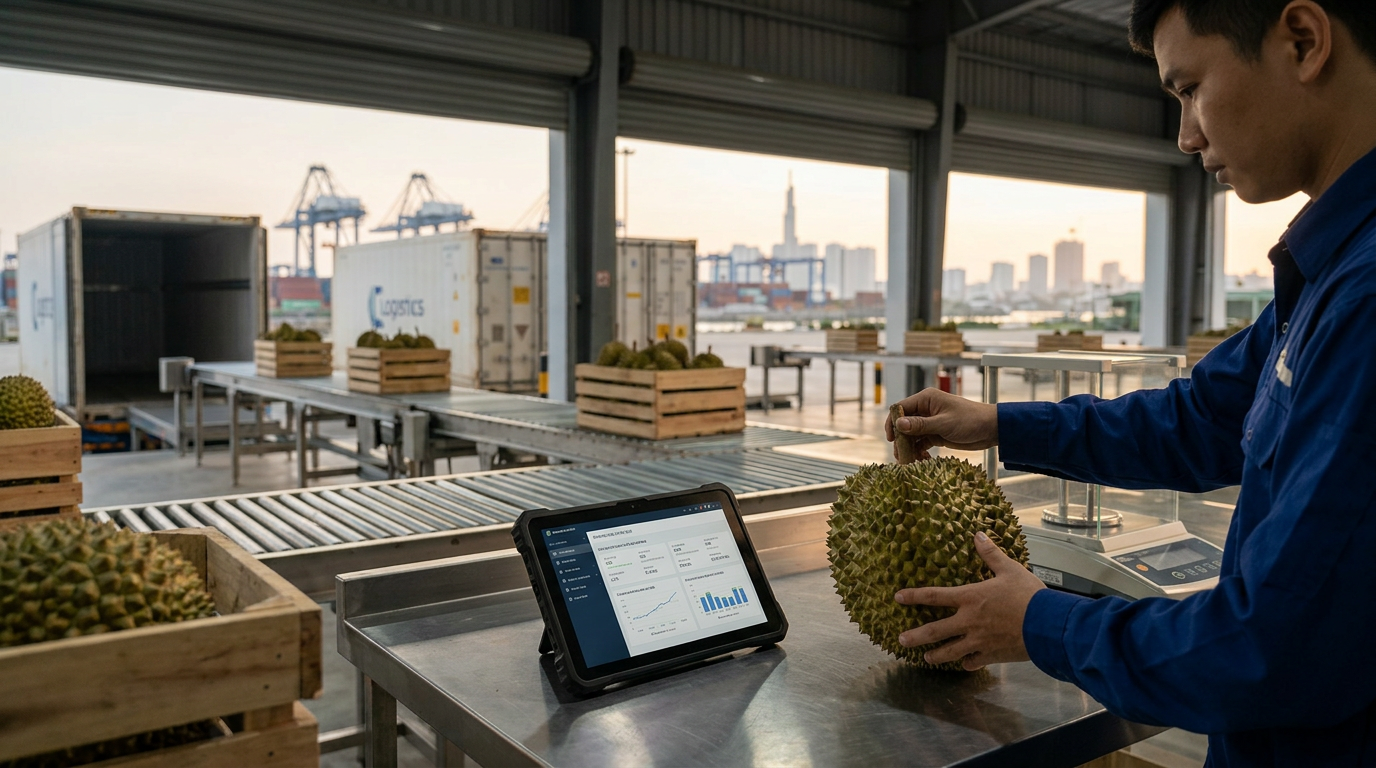
A recent report from VnExpress International highlights a strategic pivot in Vietnam's durian industry. Faced with surging production and increasingly stringent quality demands from importing nations, particularly China, the sector is moving from a model based on raw volume to one centered on sustainable value, improved quality control, and the diversification of export markets. This transition from a purely agricultural pursuit to a professionalized, standards-driven industry offers a clear example of the institutional development discussed in "ASEAN Rising".
From Volume to Value Chains
The durian boom in Vietnam has been rapid. The Ministry of Agriculture and Rural Development notes a significant expansion in cultivation area, leading to a sharp increase in output. While this growth has created economic benefits, it has also introduced pressures related to oversupply and inconsistent quality. The industry's response has been a deliberate effort to build more resilient value chains. This involves enforcing higher standards for cultivation, harvesting, and processing. The goal is to create a premium product that can command higher prices and access more discerning markets.
This shift requires more than just new farming techniques. It depends on the development of institutional capacity. Establishing and enforcing quality standards, creating reliable traceability systems, and negotiating market access protocols are all functions of a "usable state," as the book describes it. These are the less glamorous but essential building blocks of a modern export economy. They create a predictable environment where businesses can invest with confidence and buyers can trust the product they receive. This move demonstrates a maturing economic approach where predictable quality becomes a more significant source of advantage than raw production numbers.
Infrastructure as a Signal
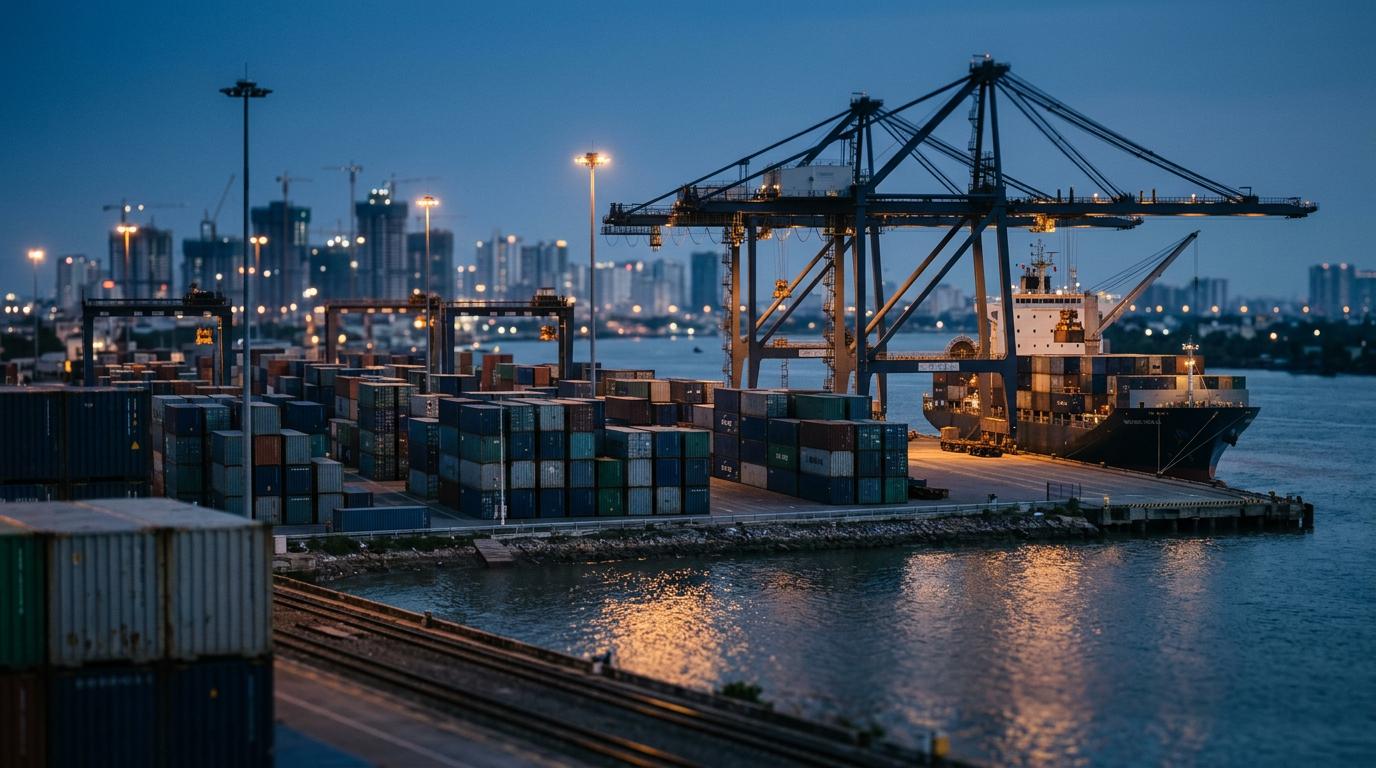
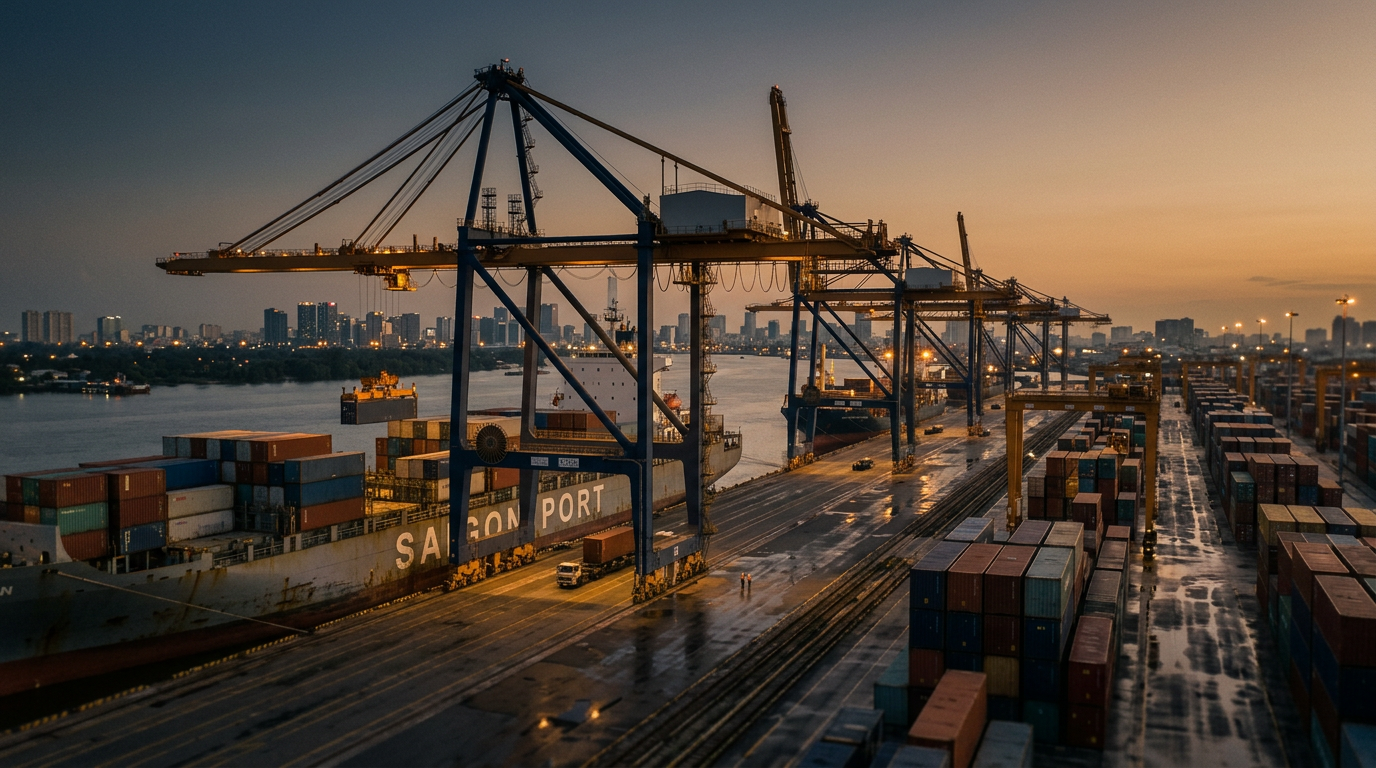
A key element of this transition is the supporting infrastructure. Getting a perishable product like durian from a farm in the Central Highlands to a market in China requires a sophisticated logistics network of roads, ports, and cold storage facilities. The development of this physical infrastructure is a visible sign of state capacity. As noted in the book, "Infrastructure that arrives on time signals more than infrastructure that is merely announced." The successful delivery of high-quality durian to export markets is a tangible demonstration of Vietnam's ability to execute complex logistical operations.
Furthermore, this effort extends beyond physical infrastructure to institutional frameworks. The protocols signed with China for official durian exports are a form of soft infrastructure. They create a reliable channel for trade, reducing the friction and uncertainty that often characterize agricultural commerce. By investing in the systems that ensure quality and traceability, Vietnam is building trust with its trading partners. This institutional reliability is a competitive advantage that can be more durable than simply having the lowest price.
What to watch: The success of Vietnam's durian industry pivot will depend on continued public and private investment in quality control systems, logistics infrastructure, and the development of new export markets beyond China. Observers should monitor the enforcement of official cultivation area codes and the industry's ability to maintain consistent quality as production volumes continue to grow. The outcome will be an indicator of Vietnam's capacity to build sophisticated, high-value agricultural supply chains.