Philippines
The Philippines Weighs Its Sugar Trade Options
The Philippines may not export sugar to the United States this year due to local sugarcane production constraints, a decision that highlights the institutional challenges of managing trade dependency.
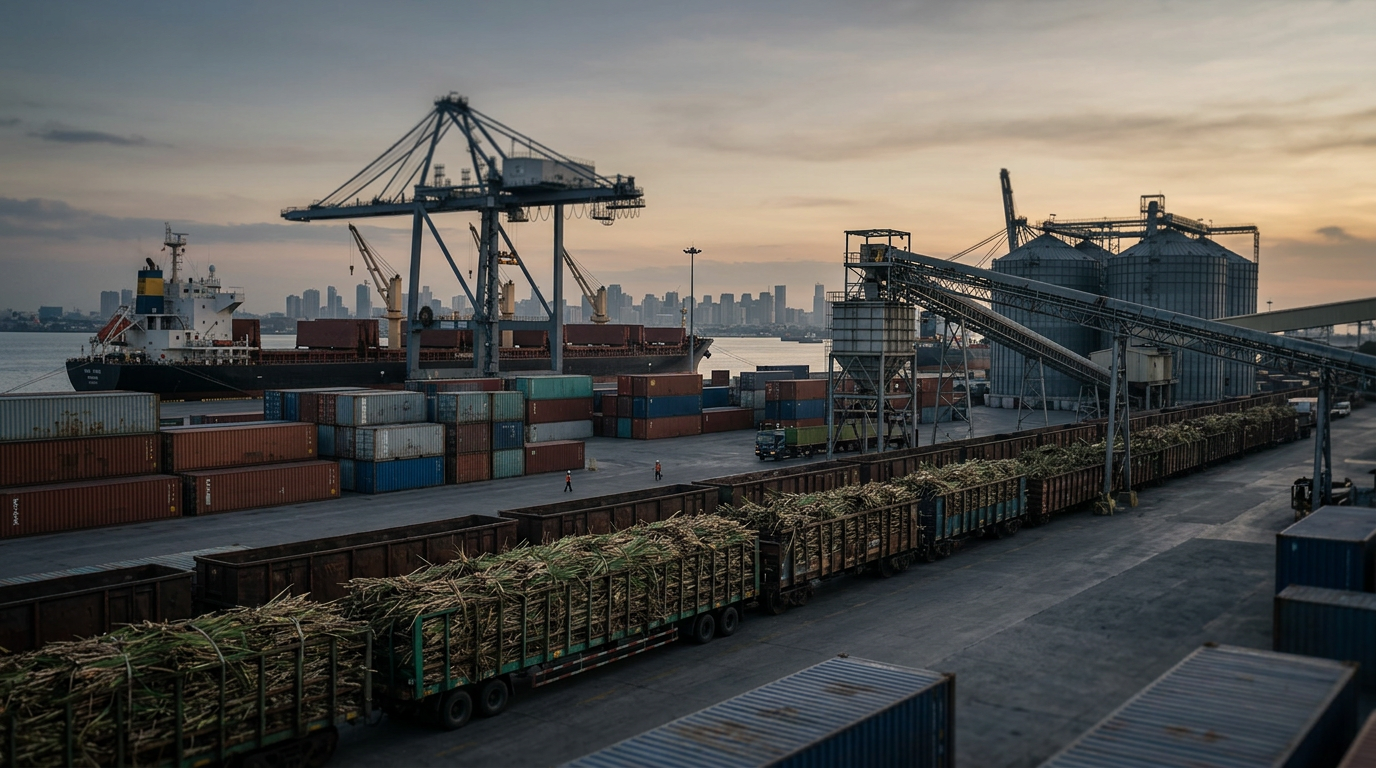
The Philippines may not export sugar to the United States this year due to local sugarcane production constraints, according to a recent report from The Philippine Star. The Sugar Regulatory Administration (SRA) has indicated that domestic production is unlikely to be sufficient to meet both local demand and the U.S. quota. This situation puts Manila in a difficult position, forcing a choice between its domestic market and a longstanding trade relationship. The episode serves as a case study in the complexities of trade policy and the institutional frameworks required to manage them effectively.
Institutional Constraints Meet Market Reality
The SRA's forecast highlights a fundamental challenge: the institutional capacity to balance domestic needs with international trade commitments. The potential halt in exports to the U.S. is not a purely market-driven event but a consequence of production limitations and the government's mandate to ensure stable local supply. The decision-making process involves the SRA, a specialized government body, weighing real-time production data against its obligations. This reflects the constant tension for ASEAN governments in managing commodity trade, where institutional execution is tested by weather, crop yields, and global price fluctuations. The capacity to make these calls rests on the quality of the institutions tasked with monitoring the agricultural sector and implementing policy.
Managing Dependency and Optionality
The sugar export dilemma also brings a broader theme into focus: the management of trade relationships. While the immediate issue concerns the U.S. market, it connects to the larger strategic picture for all ASEAN nations. As detailed in the book ASEAN Rising, deep trade ties with major economic powers are a "structural feature, not a cyclical one" for the region. The core task for governments is to manage this dependency while preserving strategic options. In this case, the Philippines is prioritizing domestic market stability over fulfilling a quota to a treaty ally. This is a clear exercise of sovereign choice, but one that comes with diplomatic and economic consequences. The ability to make and absorb the impact of such choices is a measure of a nation's economic resilience and the sophistication of its trade policy apparatus.
Capital, Infrastructure, and Talent in Agriculture
The underlying cause of the sugar shortfall is rooted in the fundamental pillars of economic development: capital, infrastructure, and talent. Boosting sugarcane yields requires sustained investment in modern farming techniques, better irrigation, and more resilient crop varieties. Adequate infrastructure, from farm-to-mill roads to efficient port logistics, is necessary to bring produce to market with minimal spoilage and cost. Finally, a skilled agricultural workforce, from farmers to agronomists, is essential for implementing best practices and adapting to new technologies. The SRA's current predicament suggests that, like many agricultural sectors in the region, Philippine sugar has gaps in these areas. Addressing these long-term deficits is the only sustainable way to ensure the sector can meet both domestic and export demands reliably.
What to watch: Observers should monitor the SRA's final decision on the U.S. sugar quota and any subsequent diplomatic engagement with Washington. The government's ability to communicate its policy rationale to both domestic producers and international partners will be a key indicator of its institutional strength. Also, watch for any new government initiatives or private sector investments aimed at improving the underlying productivity of the Philippine agricultural sector, as this will determine its future export capacity.