
ASEAN Analysis & Commentary
Every analysis published on ASEAN Rising is sourced, datestamped and signed. We're more interested in being right in 12 months than first in 12 minutes.
Foundation pieces
Start here. The three pieces below set out the lens ASEAN Rising uses to read every story.
ASEAN Rising's core lens. Execution Economics is the study of whether countries, companies and institutions can convert obvious potential into delivered outcomes - and which six pillars decide the answer.
The region has capital, demographics, location and policy ambition. None of that has ever been the binding constraint. The next decade is an execution test, not a potential test - and it is already being scored.
Malaysia is the test case for whether ASEAN's middle powers can turn FDI, semiconductors and data centres into compounding domestic capability. Read the live coverage and execution scorecard.
Analysis tagged #Thailand
 Thailand
Data Center Investment Beyond Singapore
A recent IPO filing shows how demand for hyperscale data centers is spilling over from Singapore to its neighbors. Yet capturing this demand requires more than just cheap land and power.

 Singapore
Foreign Capital and Local Execution in ASEAN
A high-profile Singapore property deal is a useful reminder that foreign investment depends on the slower work of land, permits, power, and talent.
 Singapore
, ASEAN, and the Architecture of Capital
Big ticket FDI is a good headline, but the real test is how investment flows through the region. Singapore remains a key hub, but its success rests on the health of the entire ASEAN bloc.
 Thailand
 Courts Gulf Capital With Islamic Finance Push
Thailand aims to attract investment from Gulf states by positioning itself as an Islamic finance hub. Success will depend on more than just high-level announcements; it requires the foundational work of improving institutions and ensuring project execution.
 Thailand
 Prizes Point to a Deeper Institutional Story
Chevron's recent innovation awards in Thailand are a useful reminder that institutional reliability is a core component of comparative advantage in Southeast Asia.
 Thailand
: Chasing Chips, Confronting Constraints
Thailand wants to be a semiconductor hub, but investment is the easy part. The real work is in the details of execution.
 Thailand
: Ambition and Execution in the Semiconductor Race
FDI announcements are one thing. Execution is another. Thailand's bid to become a semiconductor hub will depend on its ability to build the infrastructure and talent to support the investment.
 Thailand
: Beyond the Semiconductor Hype
Thailand is courting global semiconductor giants with ambitious investment targets. But mega-projects require more than just capital; they demand a solid foundation of infrastructure, skilled talent, and institutional support to succeed.
 Thailand
 Bets on Institutions to Realise FDI in the Semiconductor Sector
Thailand is making a concerted push to capture a larger share of the global semiconductor supply chain. Success will depend on the hard work of building institutional capacity to turn foreign direct investment announcements into productive assets.
 Thailand
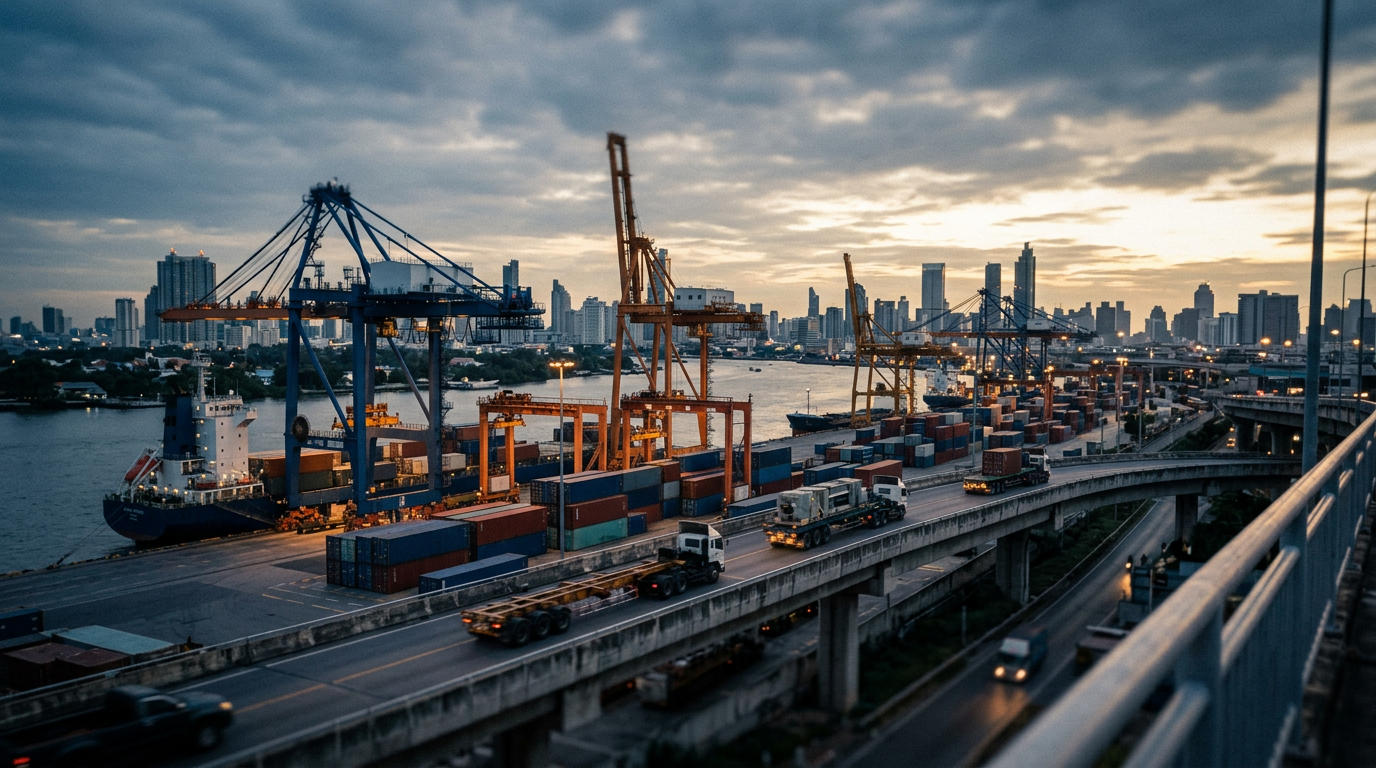
 Bets on Execution to Win in Semiconductors
Thailand is moving to solidify its position in the global semiconductor supply chain, but winning FDI commitments is only the first step. Execution on infrastructure, talent, and permits will determine its success.
 Thailand
Reliable institutions and state capacity
 Thailand
 Rethinks State Capacity
Chevron's award for reusing an oil platform is more than an engineering prize. It is a glimpse of an ASEAN where "institutional reliability has become part of comparative advantage."
 Thailand
Chevron Thailand's award-winning wellhead platform reuse project is a small but telling indicator of the institutional capacity that separates advanced and developing economies.
 Thailand
Foreign investment announcements travel fast. Realised
 Thailand
's Floods and the State Capacity Test
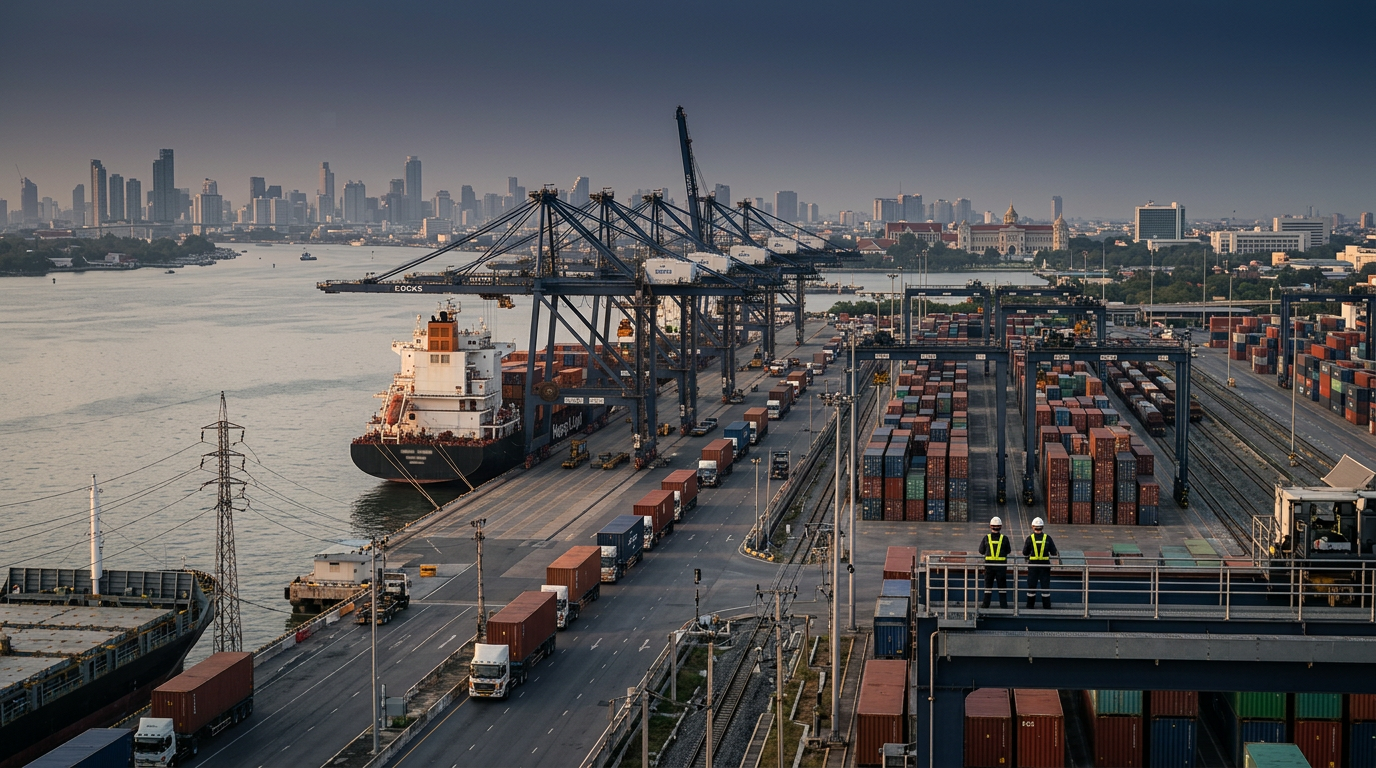
The recent social media flood in Bangkok, with over 100 million engagements, highlights a critical challenge for Thailand: the growing gap between digital savvy and physical resilience.
 Thailand
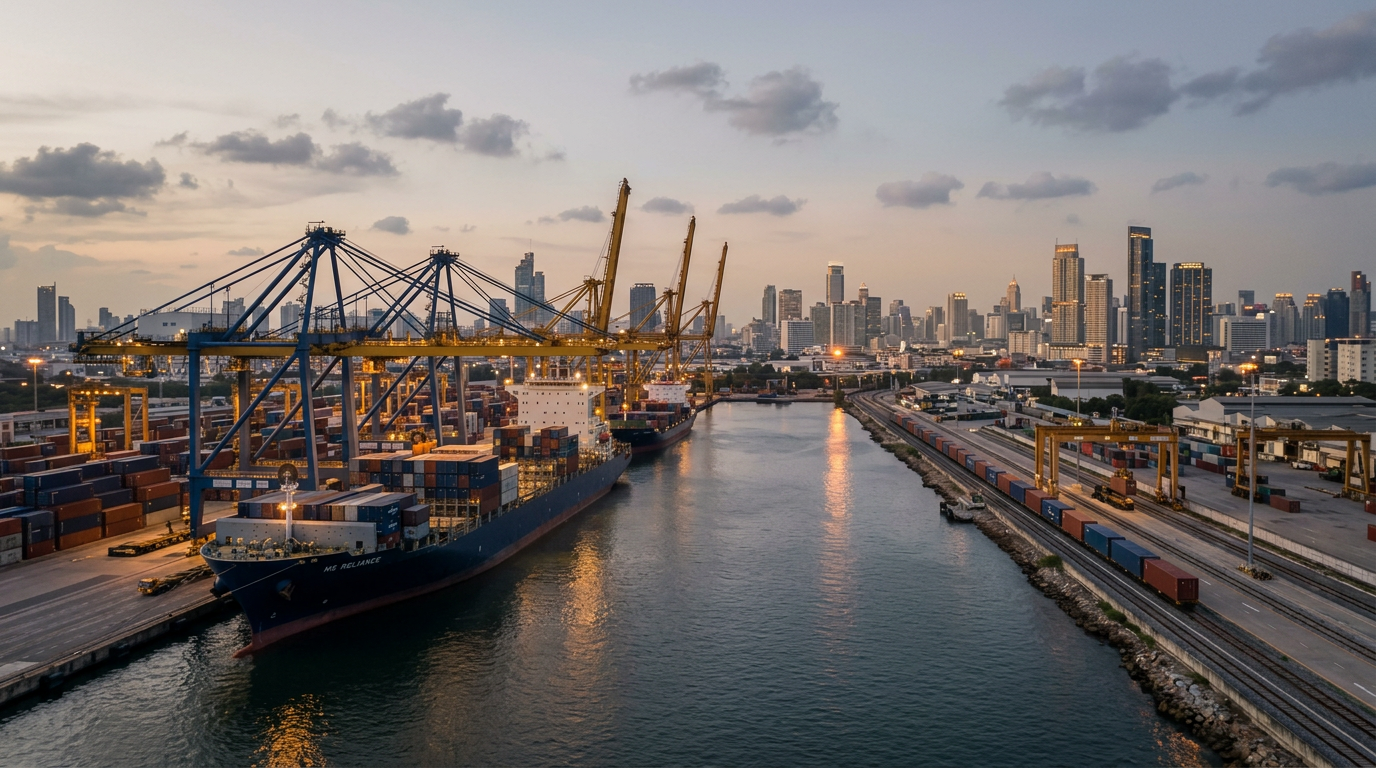
Institutional reliability has become part of comparative advantage. A usable state is often more valuable than an exciting one. Infrastructure that arrives on time signals more than infrastructure that is merely announced.
 Thailand
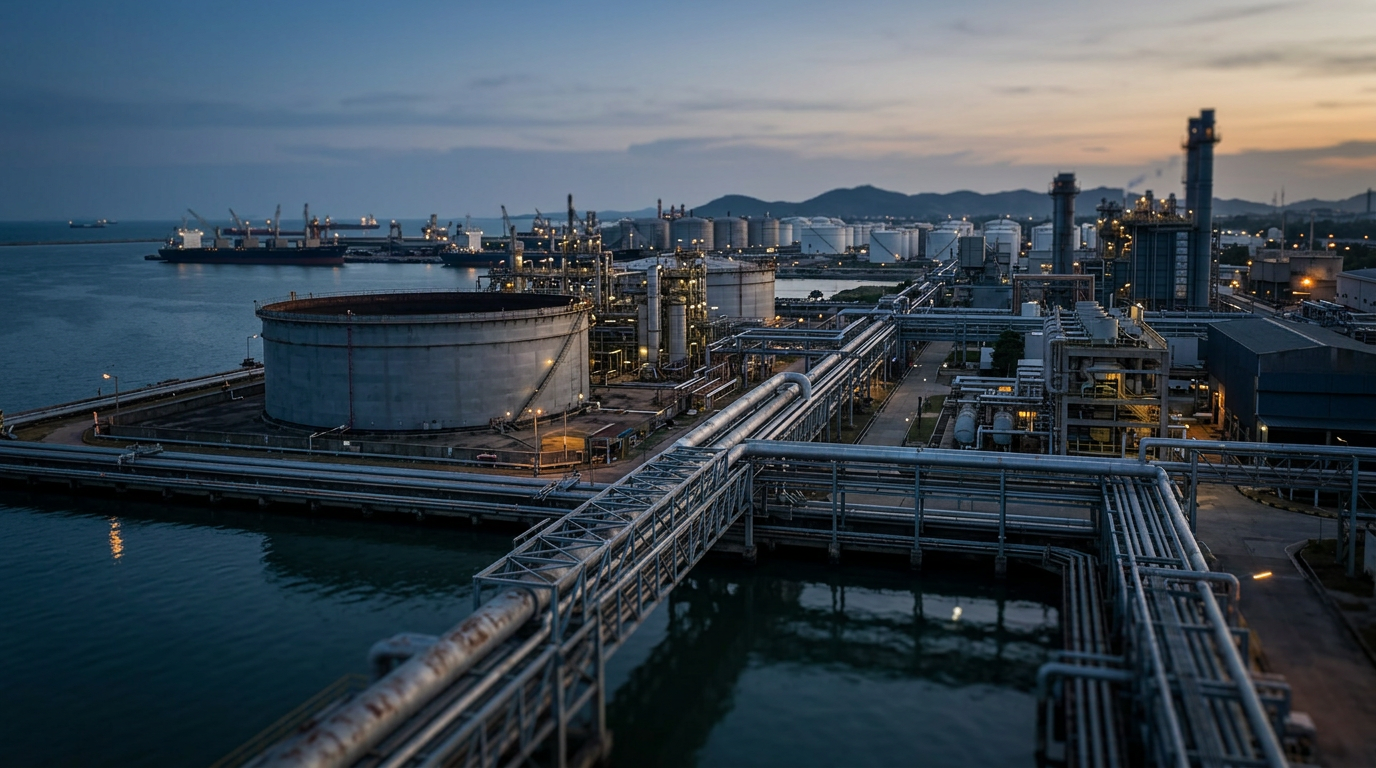
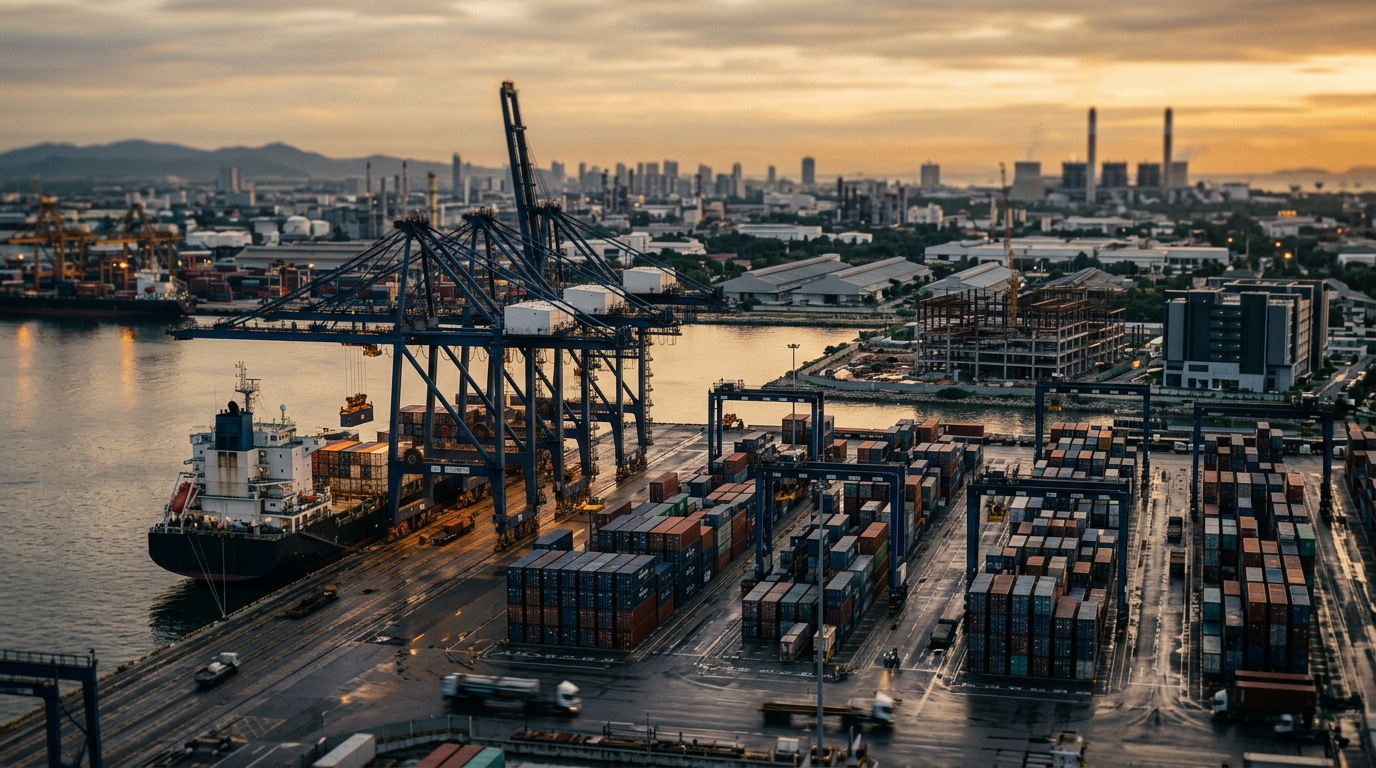
Thai state-owned enterprise Electricity Generating Plc
 Thailand
's FDI Fast-Track Tests Its Institutional Mettle
Thailand is expediting regulatory approval for a USD 3.66 billion industrial investment pipeline and offering tax incentives for tech IPOs. This move tests the nation's ability to translate announced foreign direct investment into tangible economic activity through effective.
 Thailand
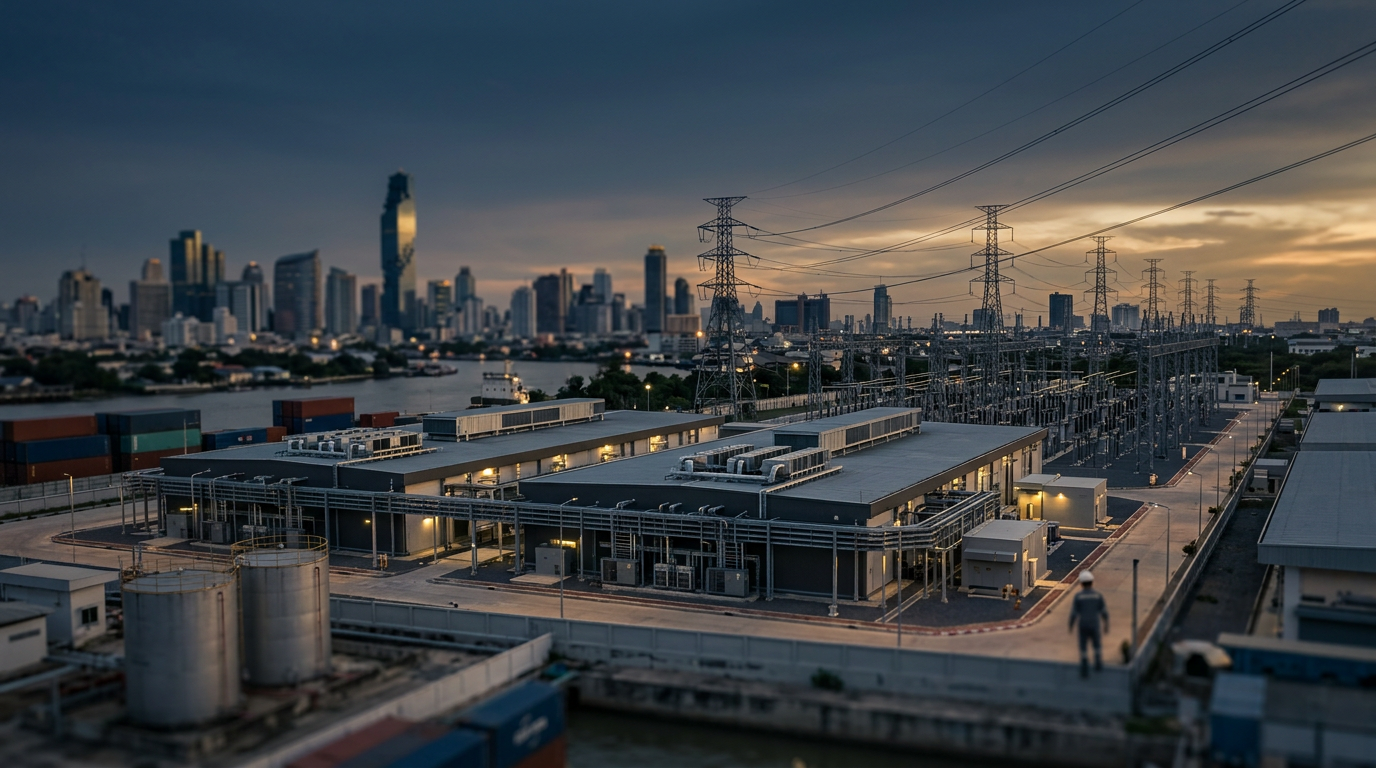
 Defines Hyperscale in New Regulations
Thailand is set to introduce new data center regulations that classify facilities over 100MW as hyperscale, a move that highlights the critical role of state and utility coordination in attracting digital infrastructure investment.
 Thailand
's New AI Regulations: A Test for Sovereign Digital Infrastructure
Thailand's new AI regulations highlight a familiar tension in the digital economy: balancing innovation with control. For ASEAN, the true test lies in building and managing the foundational layers of compute, data, and digital identity.
 Thailand
's 2026 IMF Showcase and the China Question
Thailand's plan to use the 2026 IMF-World Bank meetings to showcase its economy highlights a deeper strategic choice for all ASEAN nations: how to manage deep trade ties with China while preserving economic and strategic options.
 Philippines
The EV Transition and ASEAN's Industrial Base
The electric vehicle transition will test the durability of industrial policy frameworks across ASEAN, particularly in established automotive manufacturing hubs like the Philippines and Thailand.
 Thailand
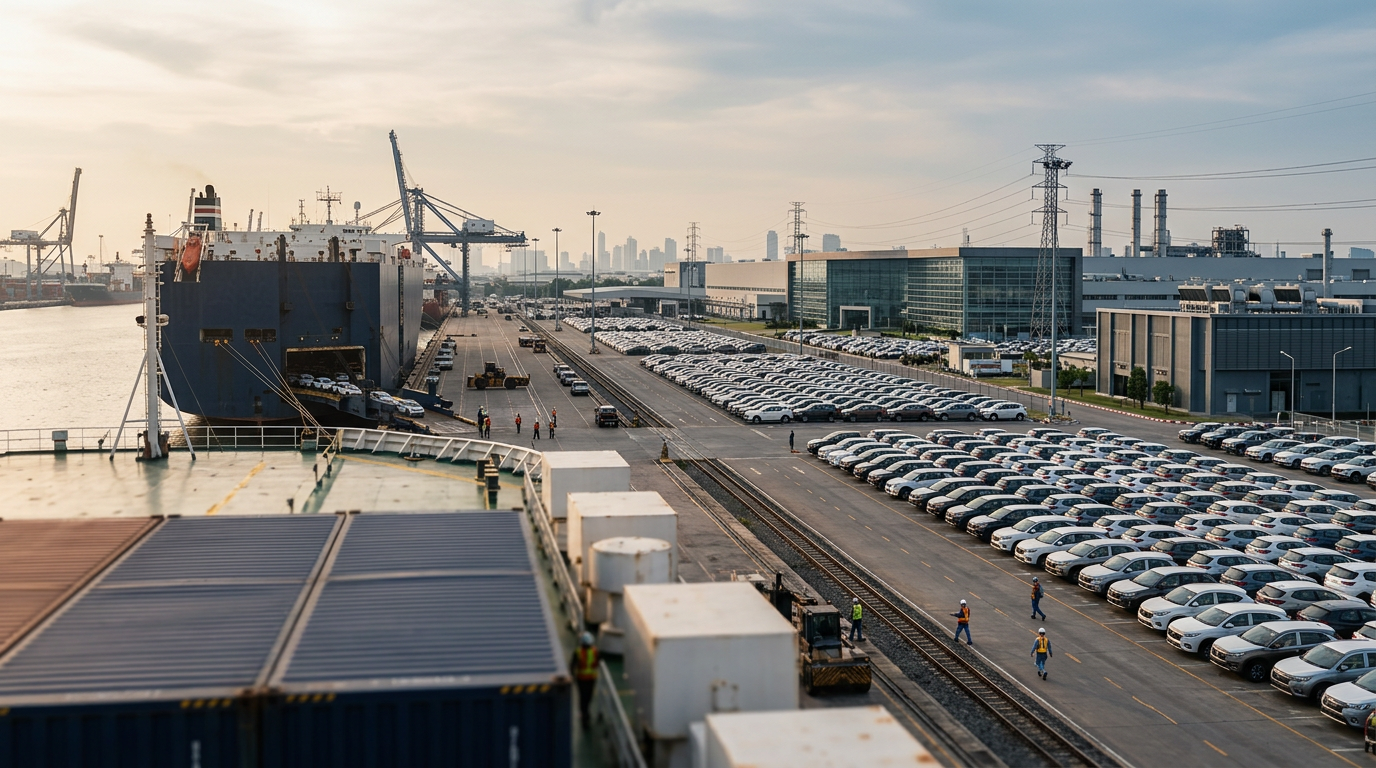
: Auto FDI and the Execution Test
Thailand's bid for automotive FDI leadership depends on a predictable policy environment and the capacity of its institutions to deliver land, power, and talent to the factory floor.
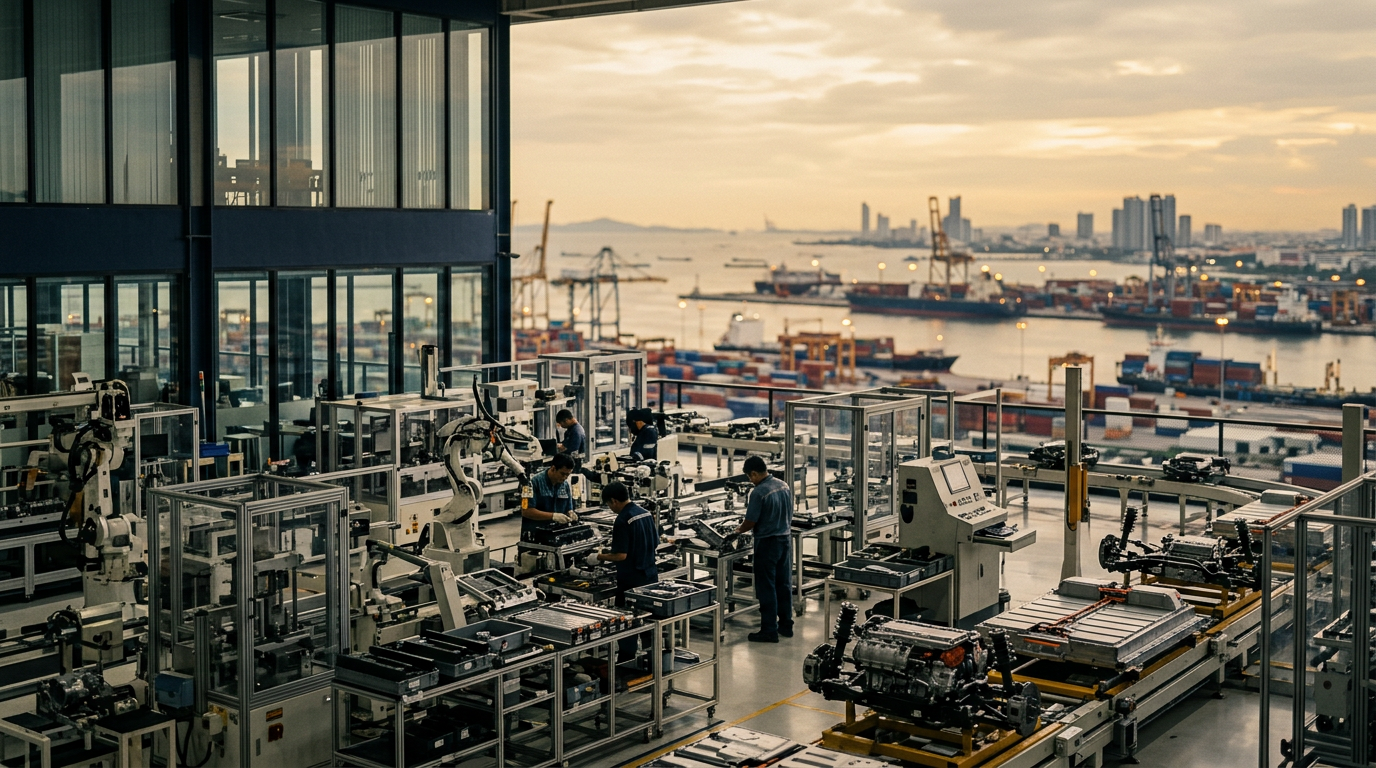 Thailand
: Beyond the EV Policy Push
Thailand's electric vehicle subsidies are a start, but winning the next phase of automotive investment depends on the slower work of building a durable, high-skill ecosystem.
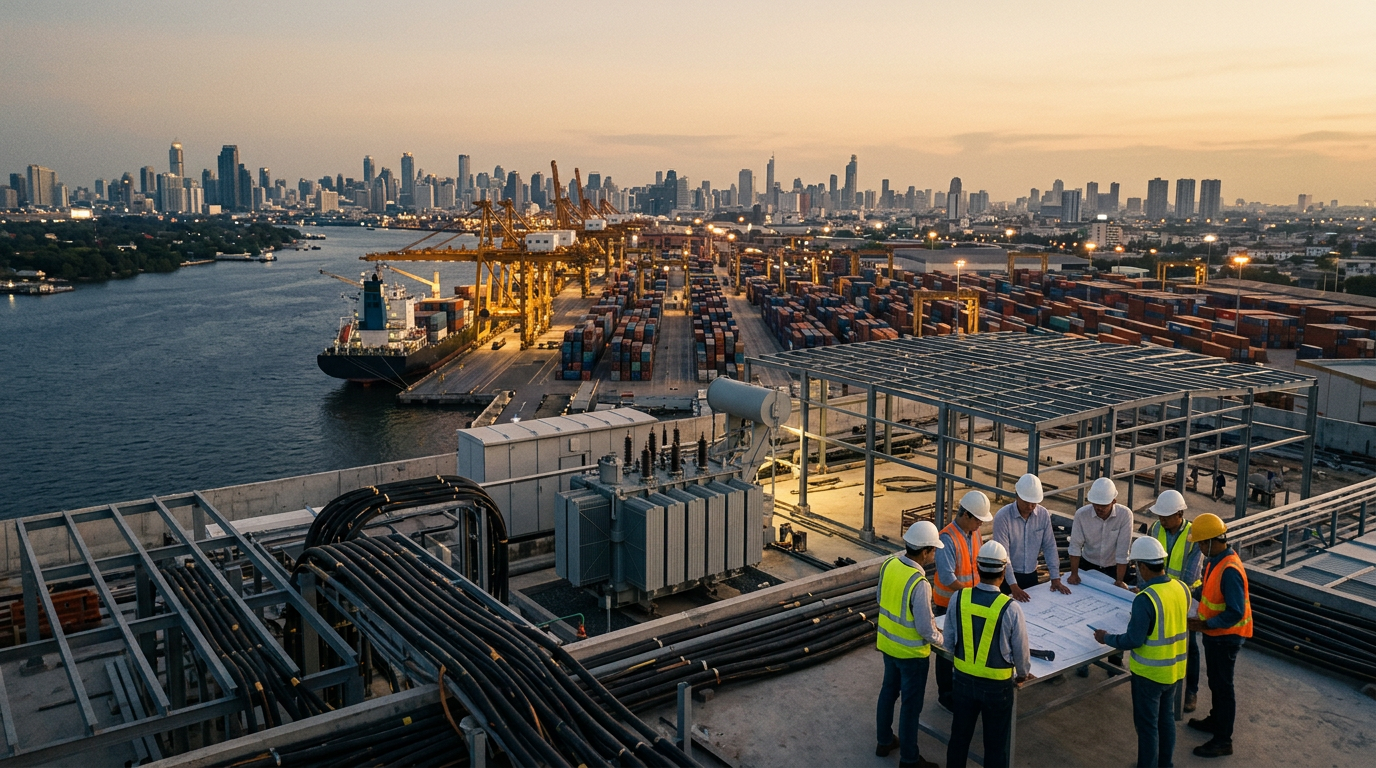 Thailand
: Beyond Vehicle Sales Forecasts
Thailand's ambitions in the electric vehicle sector depend on more than just sales projections. The country's ability to translate policy into real investment hinges on the slower, harder work of building institutional capacity.
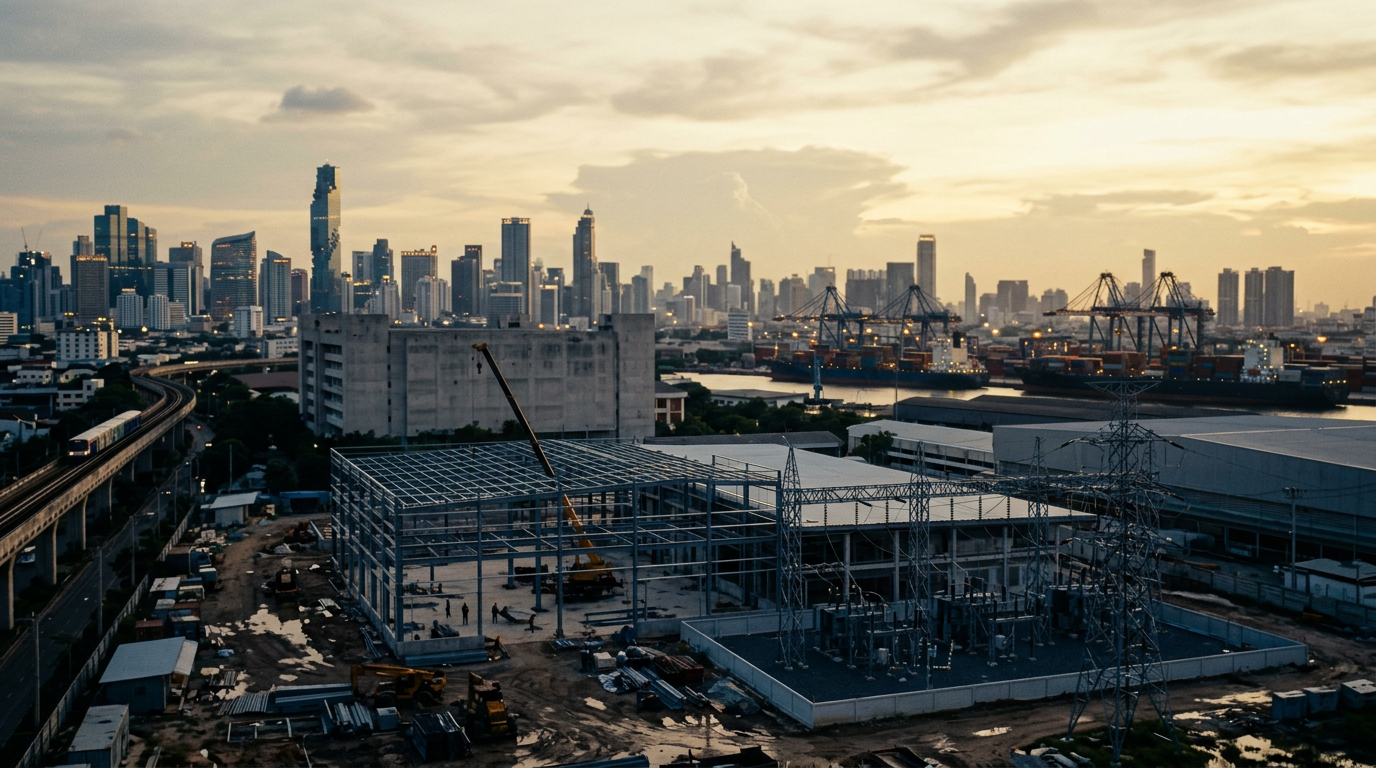 Thailand
 EV Transition: A Test of Institutional Capacity
Thailand's EV ambitions are attracting investment, but turning announcements into operational factories requires more than just policy. It will be a test of the country's institutional capacity to deliver land, power, and talent.
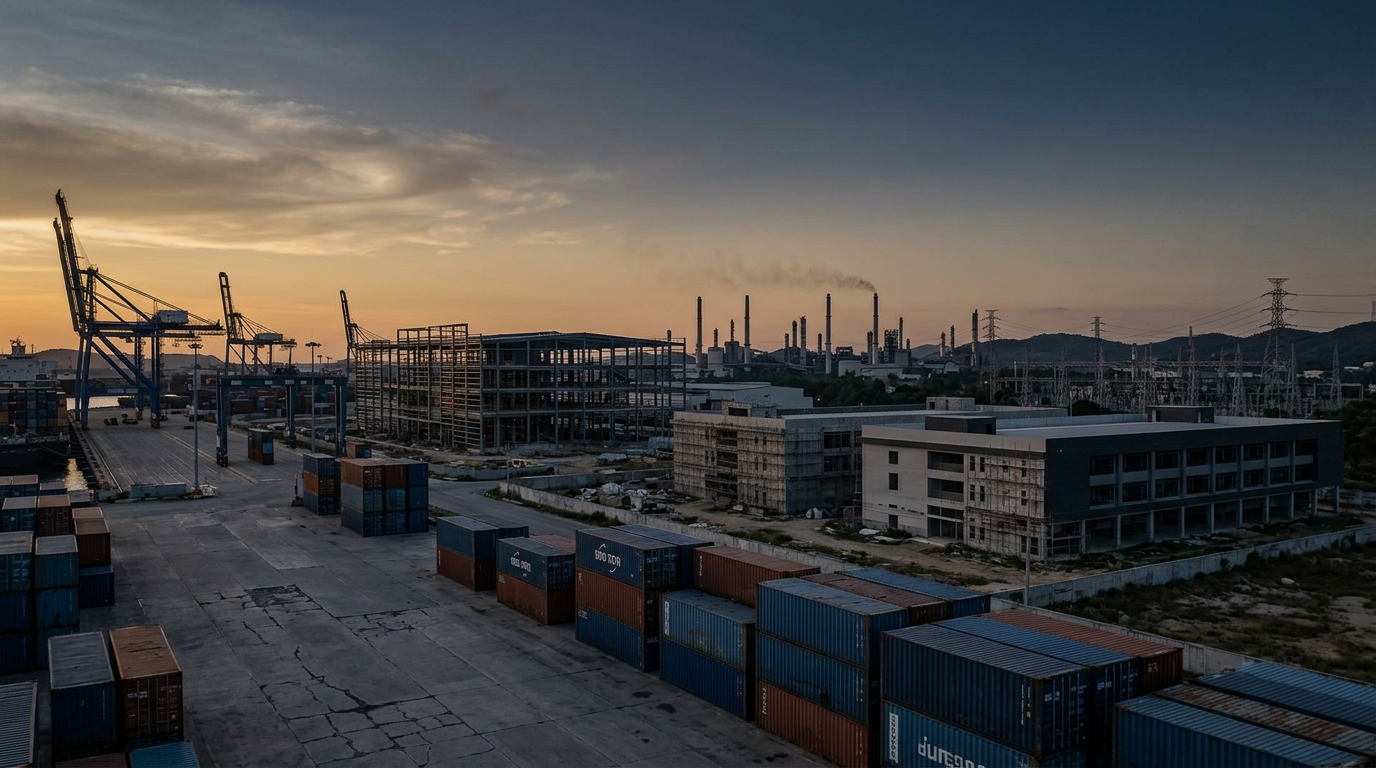 Thailand
: EV Policy is No Substitute for Execution
Thailand has a trust deficit and an infrastructure deficit in its electric vehicle transition. Policy can signal intent, but foreign direct investment flows to where the power, land, and talent are.
 Thailand
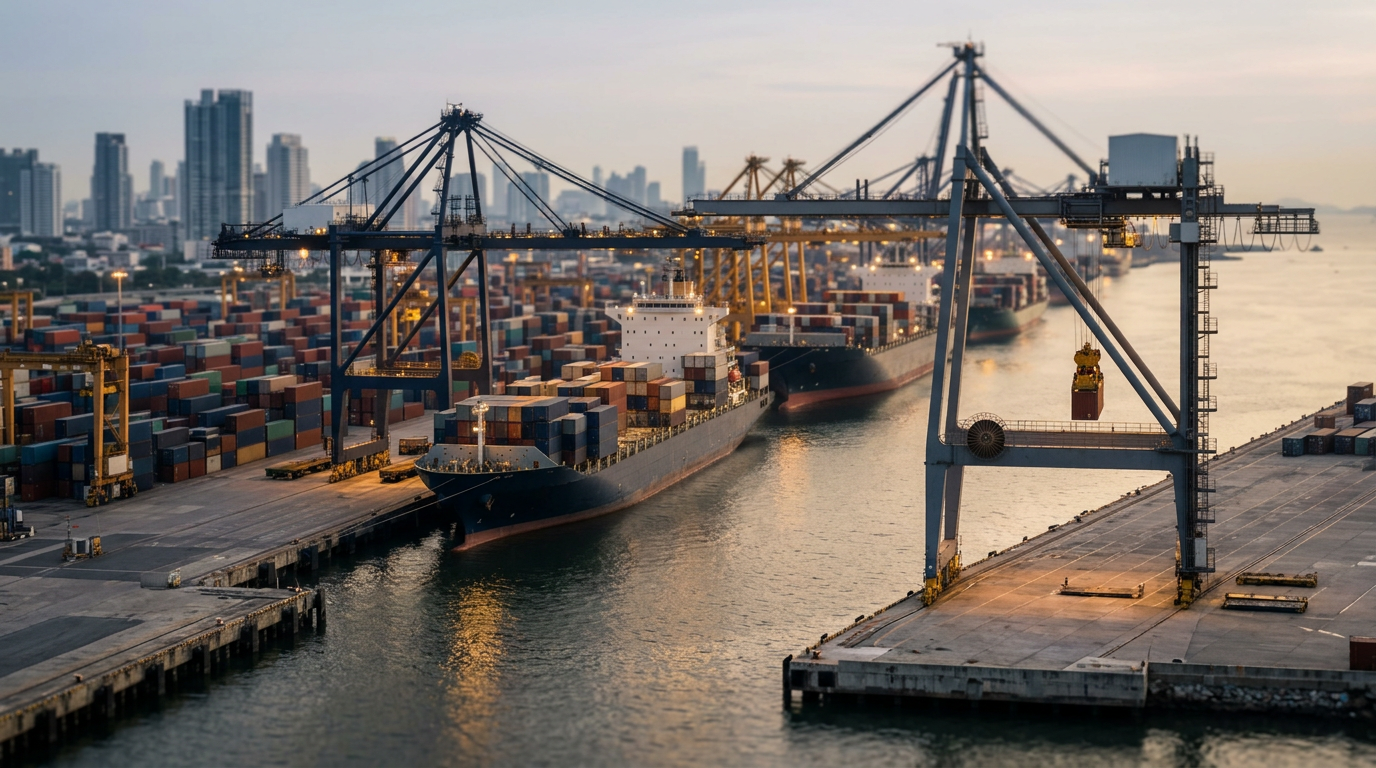
Institutional reliability has become part of comparative advantage. A usable state is often more valuable than an exciting one. Infrastructure that arrives on time signals more than infrastructure that is merely announced.
 Thailand
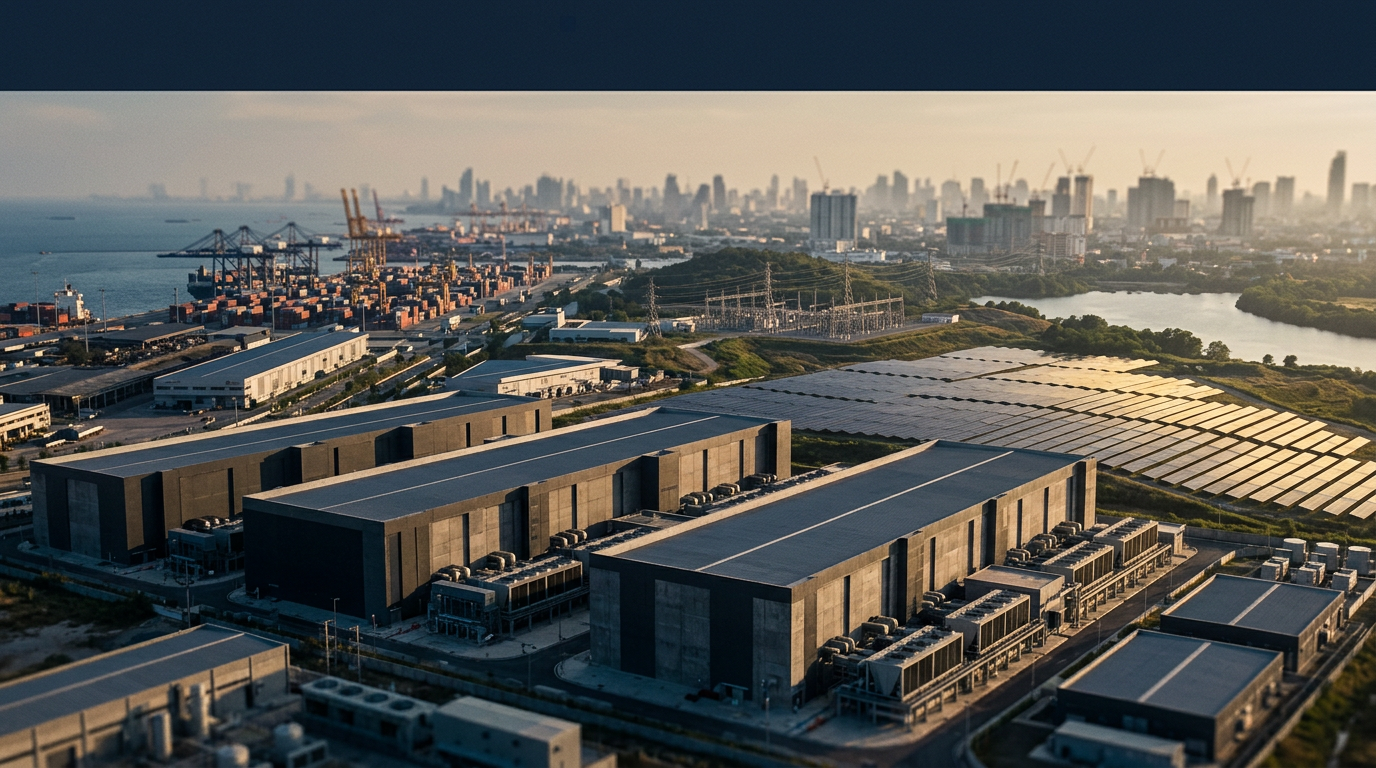
 Defines Hyperscale Data Centers
Thailand is set to introduce new regulations to classify data centers, with facilities over 100MW designated as hyperscale. The move signals an attempt to compete for digital infrastructure investment, but attracting hyperscale projects requires more than just regulatory.
 Thailand
Foreign Direct Investment in ASEAN: From Announcement to Execution
Foreign investment pledges are one thing; realised investment is another. HSBC's focus on the Thailand-Japan corridor highlights the long-term institutional work required to turn FDI announcements into tangible assets and growth.
 Thailand
, Mars, and the China Question
Mars's new Pringles factory in Thailand is a win for the country's food processing sector, but it also highlights the economic reality of China's central role in regional supply chains.
 Thailand
's $80bn Semiconductor Ambition
Thailand aims to attract $80 billion in semiconductor investment by 2050. Success will depend on the slow work of improving institutions, infrastructure, and talent.
 Thailand
: From FDI Pledge to Economic Reality
Thailand is fast-tracking industrial investments and adding incentives for tech listings. Realising these flows will depend on the slower work of improving infrastructure and deepening the talent pool.
 Thailand
's PTTEP FID: From Announcement to Execution
Thailand's latest FID in the Gulf of Thailand highlights the long road from investment announcement to realised production, a journey dependent on institutional capacity.
 Thailand
 Weighs AI Guardrails
Thailand is debating how to manage the risks of artificial intelligence while pursuing AI-driven growth. The real tests will involve control over the foundational layers of compute, data, and digital identity.
 Singapore
Thailand's AI Balancing Act and the Sovereignty Question
Thailand's call for a "balanced" approach to AI in business, as voiced by the Federation of Thai Industries, highlights a deeper issue for all of ASEAN: the governance of the foundational elements of the digital economy.

 Malaysia
Alibaba's AI Agent in Thailand and the Test of Sovereign AI
Sovereign AI in ASEAN will be tested not by model launches but by who controls the compute, the data layer and the digital identity rails that sit underneath everyday economic life.
 Thailand
, the US, and the Trade Dependency Dilemma
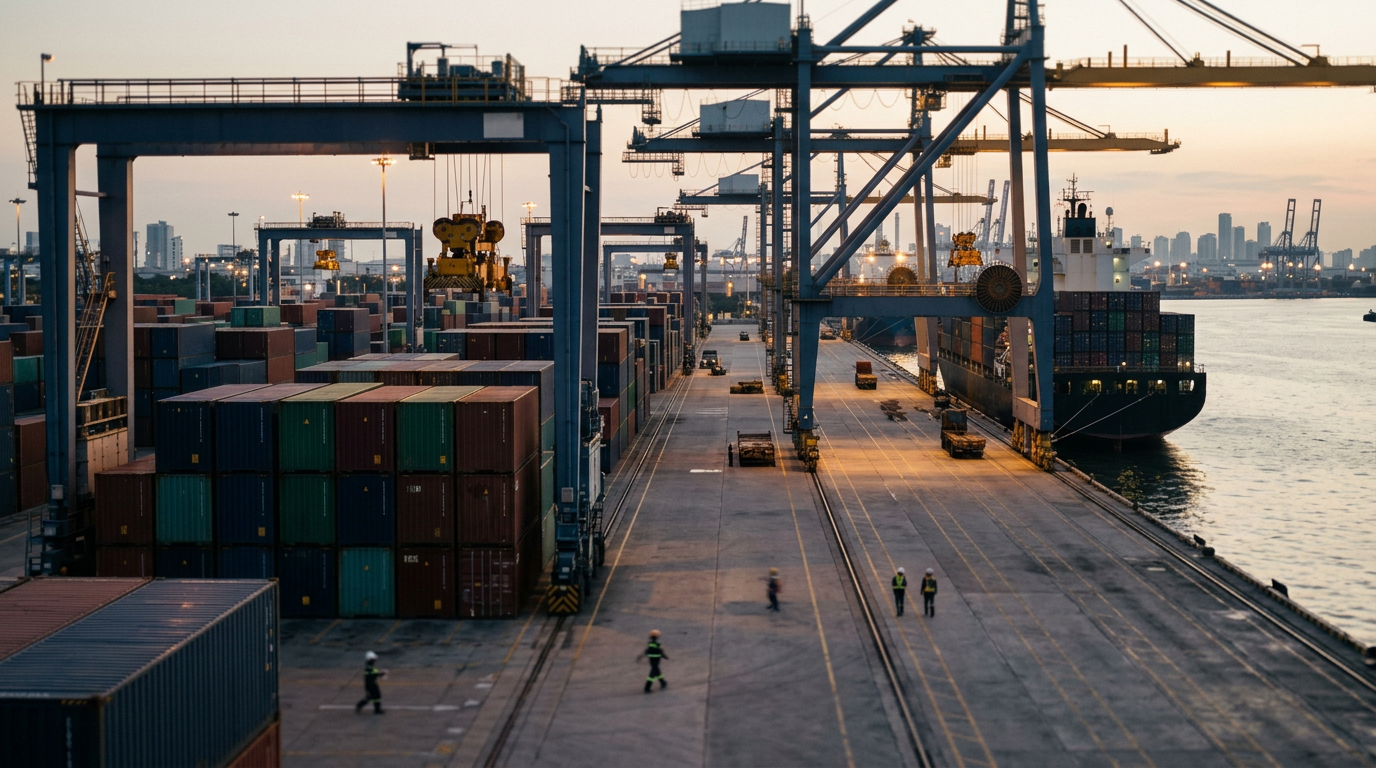
Thailands proposed trade talks with the US are a classic example of an ASEAN state managing its economic dependencies. While China remains the dominant trade partner, nations in the bloc are continuously seeking to maintain strategic optionality through engagement with other.
The ASEAN Power Grid Needs More Than Announcements
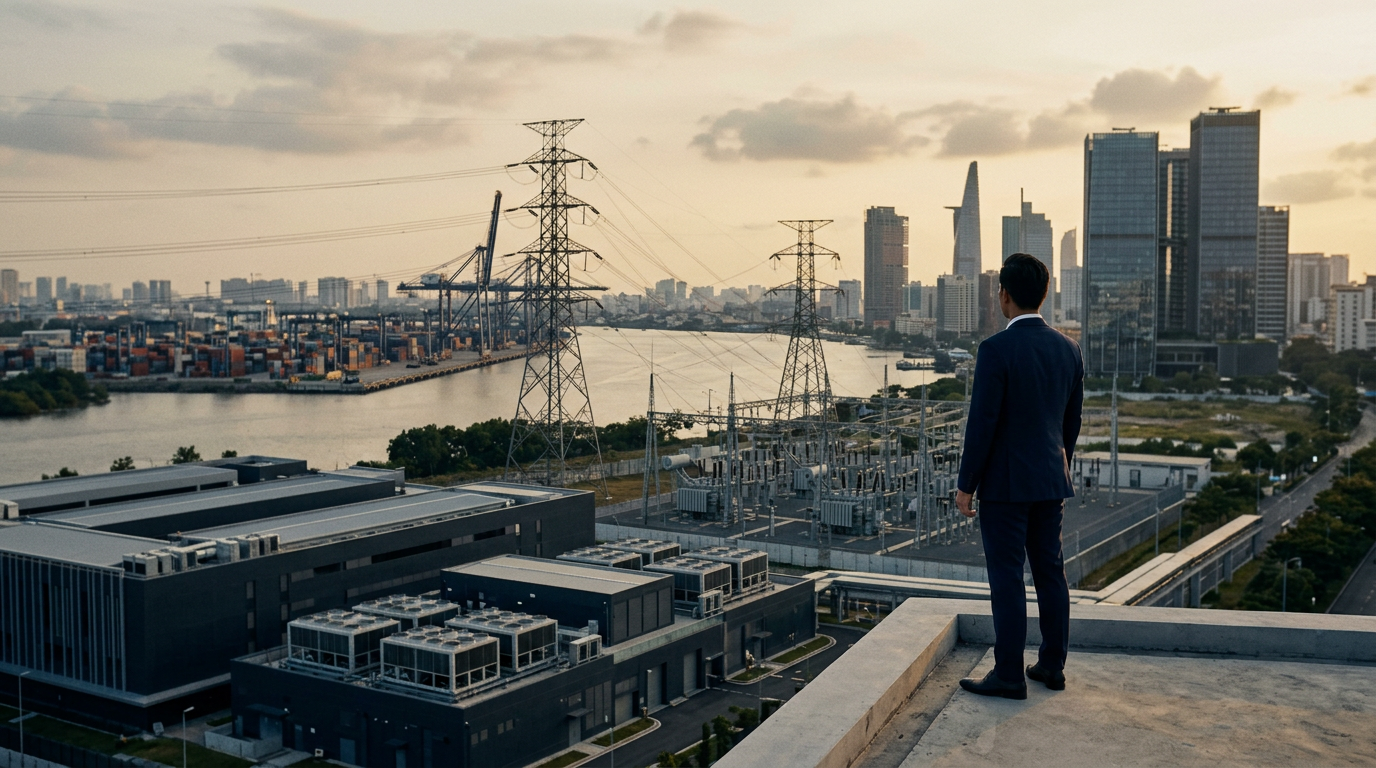
The ASEAN Power Grid is a decades-old idea for regional energy security and decarbonization. A new push by Singapore and Thailand highlights that execution, not just vision, is the core challenge. Reliable institutions and state capacity are the real markers of progress.
 Thailand
Digital Friction, State Capacity, and Thailand's Platform Economy
Thailand's digital economy is a powerful engine for growth, but a recent surge in user complaints signals a deeper challenge. Effective state institutions are needed to build trust and sustain the sector.
 Thailand
's AI Adoption Meets the Sovereign Stack
Thai businesses are moving beyond experimentation and integrating AI into their operations. This shift raises questions about who controls the underlying compute, data, and digital identity rails.
 Thailand
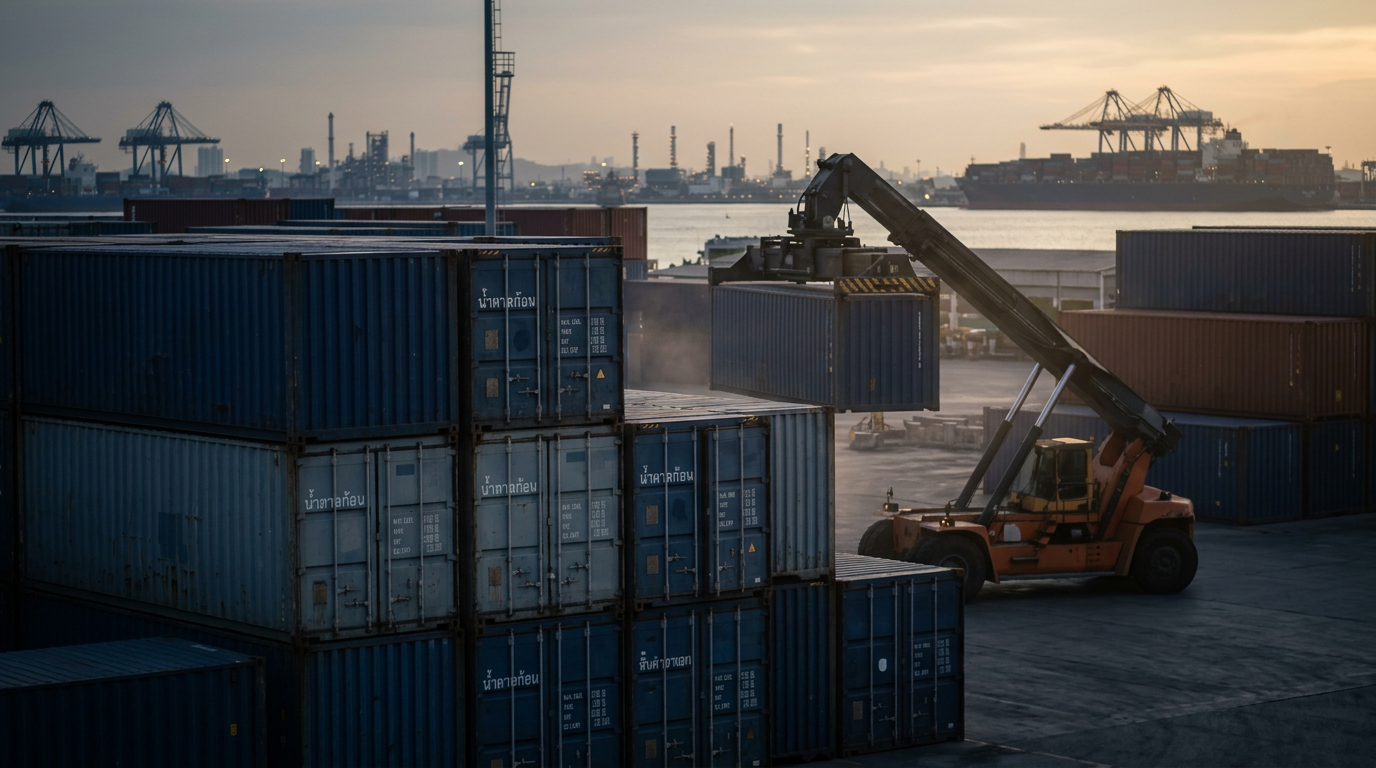
's Sugar Slump Tests ASEAN Trade Strategy
A projected decline in Thai sugar output highlights the country's deep trade links with China and the strategic need for ASEAN members to manage this structural dependency.
 Malaysia
Energy Security is a Test of State Capacity
The race for energy security in Southeast Asia is not just about resources. It is a direct test of state capacity and institutional reliability. For ASEAN, delivering on energy promises is as important as making them.
 Thailand
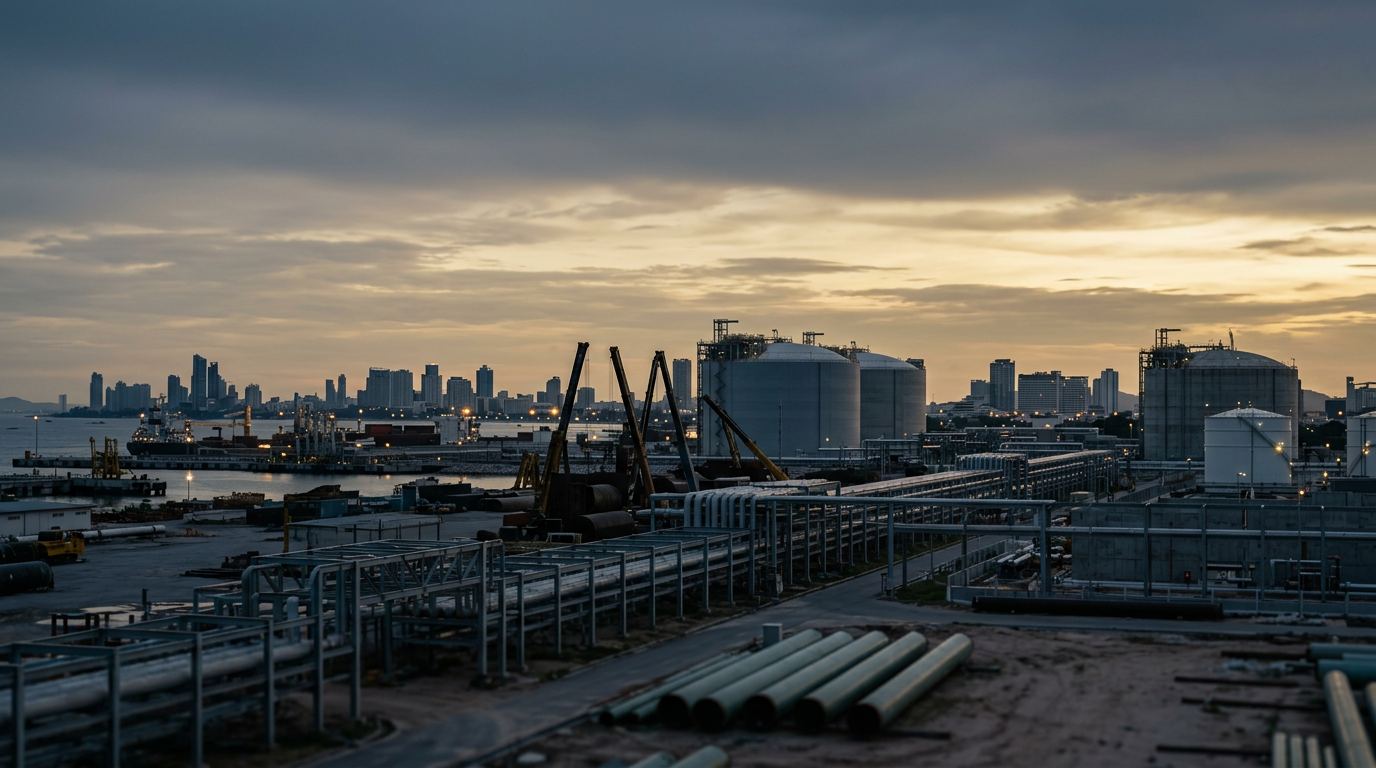
's Pitch for Energy Investment Meets Reality
Prime Minister Anutin Charnvirvirakul is promoting Thailand as a regional center for energy investment. While Thailand has a strong industrial base and strategic location, the execution of institutional reforms and infrastructure development will determine its success in.
 Singapore
Data Center Safety and ASEAN's Hyperscale Execution Challenge
A recent fatality at a Thai data center construction site highlights the severe execution risks in building out the region's digital infrastructure.
 Thailand
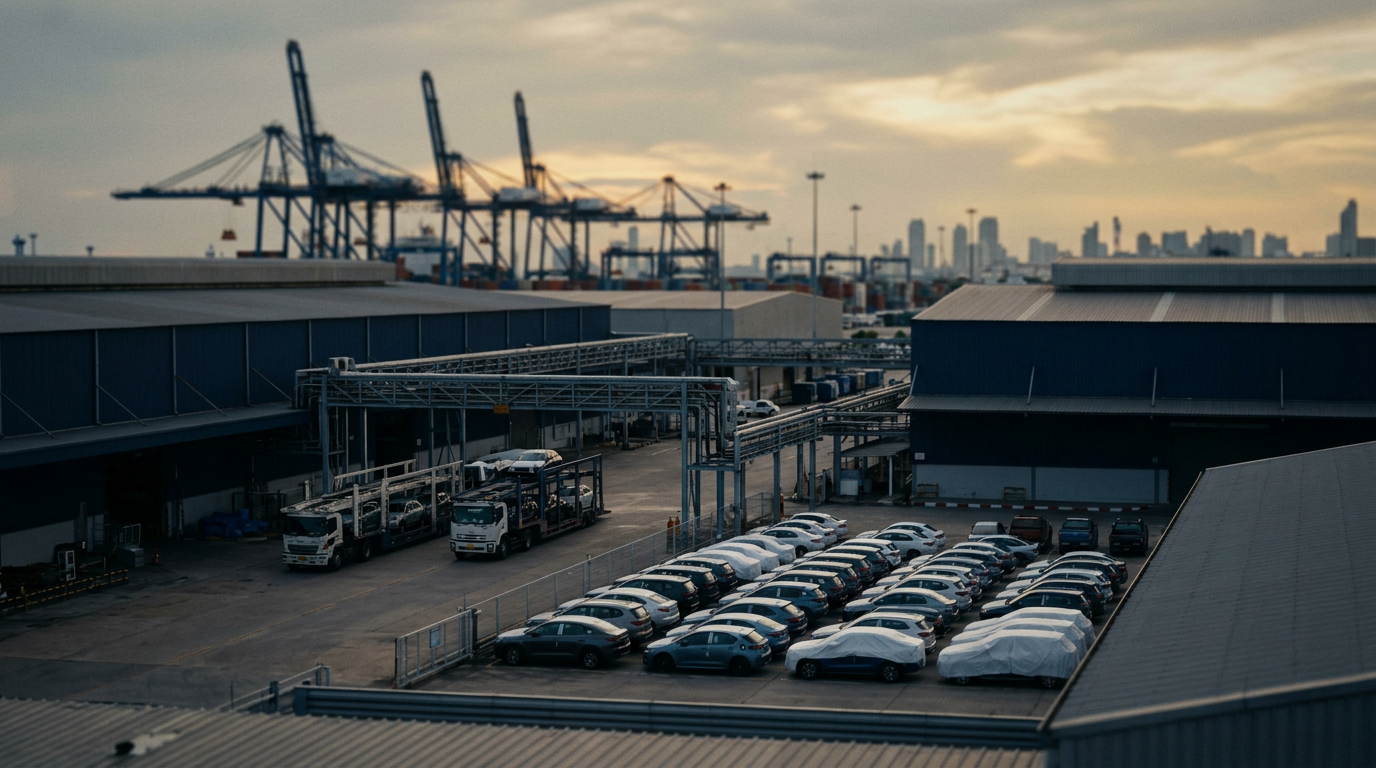
's EV Tax Shift: A Test of Institutional Execution
Thailand's auto sector is calling for clarity on a revised EV tax policy. The debate shows how a nation's industrial policy framework can determine whether announced foreign investment becomes realised economic value.
 Thailand
From Arrivals to Assets: Thailand's FDI Test
Thailand is betting that a new visa-free travel policy for Chinese visitors will do more than fill hotels. It hopes tourism will catalyse foreign direct investment. History shows this is not automatic.
 Thailand
, AI, and the Sovereign Stack
Thailand's revised GDP forecast, partly crediting the AI cycle, puts the spotlight on the country's underlying digital infrastructure. For ASEAN nations, the true measure of sovereign AI lies not in models, but in control over compute, data, and digital identity.
 Thailand
, AI, and the Sovereignty Question
Thailand is being encouraged to adopt AI, but the real test is not just adoption, but who controls the underlying compute, data, and digital identity rails.

 Indonesia
Thailand Boosts Cybersecurity Spending in an AI-Driven Threat Environment
Thai organizations are increasing cybersecurity spending to combat AI-driven attacks, a move that highlights the institutional and infrastructural questions surrounding sovereign AI development in the region.